
Pharmacist issues warning on festive foods that may interact badly with medication

The festivities are here, but don’t get too giddy as there’s something you need to be wary of if you’re currently taking medication.
A pharmacist has come out to share a list of foods you need to stay clear of if you’re on certain prescription meds.
Ian Budd, Prescribing Pharmacist at online pharmacy Chemist4U, told Wales Online that there are some common foods and drinks consumed at Christmas time that can have dangerous consequences if they interact with drugs.
It can either make them less effective in your system or even bring forward side effects that you’d rather not have.
Advert
So, what are they?
Grapefruit
Ian said: “As pharmacists, our goal is to help people understand how to use medications safely and effectively, and food plays a bigger role than many people realise. Even choices we think are healthy, like fruits, vegetables, or supplements, can sometimes affect how your medication works or how well your body absorbs it.
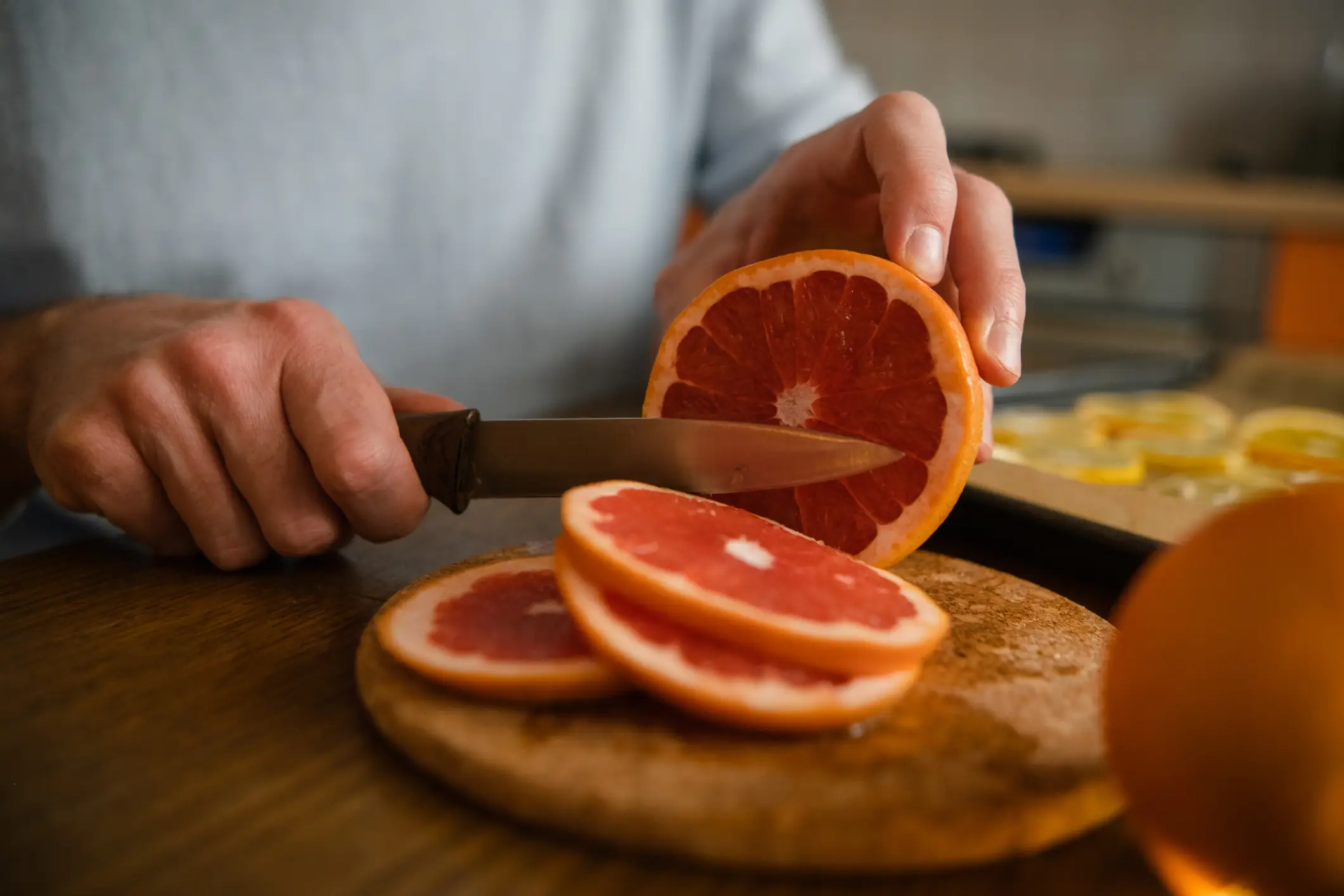
“For example, something as simple as having grapefruit juice with breakfast can interfere with blood pressure medication, antidepressants or cholesterol medication, while foods high in vitamin K can impact how blood thinners work. These are small details, but they can make a real difference in how well your treatment does its job.
“Knowing what to look out for means you can take control of your health and get the most out of your treatment. The more you understand how your medication fits into your daily routine, the safe and more effective it becomes.”
He explained that the grapefruit is one of the most ‘common causes of food and medicine interactions’ as it contains ‘natural chemicals that block an enzyme in your liver, which helps break down certain medicines'.
So, it makes the ‘side effects stronger or more likely’.
“This is especially important if you’re taking medicines like statins, blood pressure tablets, some antidepressants, or immune-suppressing drugs. Even one glass of grapefruit juice can have an effect that lasts for up to one day, so it’s safest to avoid it completely with these medications,” he concluded.
Leafy greens
If you want some cabbage and spinach on your Christmas dinner with a dollop of sprouts and broccoli, it might be best to ration it.
According to the expert: “Leafy greens like spinach, kale, and broccoli [and Brussels sprouts] are full of vitamin K, which plays a big role in helping your blood to clot. Warfarin works by slowing down vitamin K’s effect, which is how it helps prevent blood clots.”
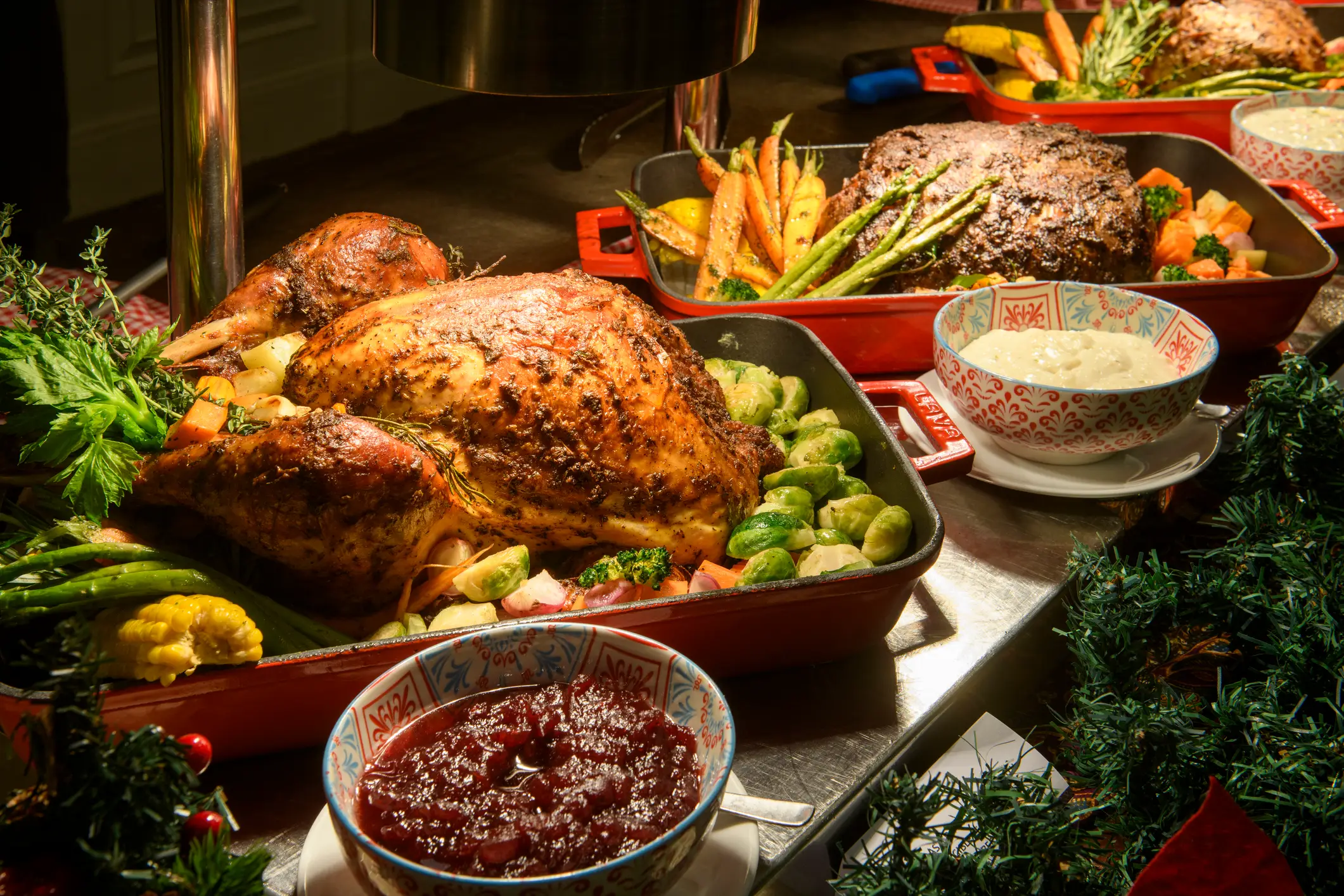
He said: “So, if you suddenly eat a lot more (or a lot less) vitamin K-rich foods than usual, it can throw off the balance and make warfarin either less effective (if you eat more greens) or too strong (if you suddenly cut them off).
“This is why pharmacists always recommend keeping your intake consistent rather than avoiding greens altogether.”
Dairy
This one is going to hurt.
According to Budd, 'milk, cheese, and yoghurt are part of a healthy diet, but they can sometimes get in the way of how certain antibiotics work’.
If you’re being treated for the lurgy using those kinds of meds, you could risk the calcium in dairy products binding to ‘medicines like tetracyclines and fluoroquinolones, that are often used to treat chest or urine infections'.
“When that happens, the medicine isn’t absorbed properly, which means your body doesn’t get the full dose and the infection might take longer to clear,” said Budd.
He added: “If you’re prescribed one of these antibiotics, don’t worry; you don’t need to avoid dairy altogether. Just try to take your dose a couple of hours before or after having milk or dairy foods so it can do its job properly.”
Tyramine
This isn’t going to be a good thing for those who like a charcuterie board to learn.
This is because Budd pointed out that aged ‘cheeses, cured meats, and fermented products’ contain tyramine, which can raise your blood pressure if you’re taking older antidepressants like MAO inhibitors. These types of medications include Isocarboxazid, Phenelzine and Tranylcypromine.
“These drugs aren’t prescribed as often now, but for anyone taking them, it’s important to know which foods to avoid. Your pharmacist can help you spot tyramine-rich foods and give simple swaps so you can still enjoy your meals safely,” he said.
Cranberries
Forget the cranberry sauce, Budd explained that while it’s healthy, it can interact with a medication called warfarin, which is usually prescribed to treat blood clots.
Because cranberry allegedly disrupts how the body breaks it down, it 'may make the drug stronger than intended’.
“It’s not an issue for everyone, and an occasional glass is unlikely to cause harm, but drinking cranberry juice regularly or taking cranberry supplements can be risky if you’re on warfarin. It’s always best to check with your pharmacist before making it part of your daily routine,” he said.
Alcohol
This is probably the most controversial thing he said, because what is the holidays for if not to let loose with a couple of Christmas cocktails.
Budd claimed: “Alcohol is one of the most common things that interacts with medications, and the effects can vary depending on what you’re taking. It can make some drugs, like antidepressants, sedatives, and strong painkillers, much more sedating, which can leave you feeling drowsy or unsteady. It can also put extra strain on your liver or interfere with how medicines for diabetes work, making blood sugar harder to control.”
Sigh.
At least there’s always Shloer as an option.
 Britt Jones