Manufacturer behind popular whisky is halting production for one year

One of the biggest names in American whisky is pressing pause.
The manufacturer behind Jim Beam has confirmed it will halt production at its main distillery in Kentucky for the entirety of next year, a move that highlights the growing pressure facing the global spirits industry.
The decision means distilling will stop at the brand’s flagship site throughout 2026, although the company insists it is not a shutdown in the traditional sense.
In a statement to the BBC, the firm said the distillery would remain closed while it takes ‘the opportunity to invest in site enhancements,’ using the downtime to improve facilities rather than permanently scaling back operations.
Advert
According to the company, the pause is part of a wider review of output rather than a reaction to any single event, saying: “We are always assessing production levels to best meet consumer demand and recently met with our team to discuss our volumes for 2026.”
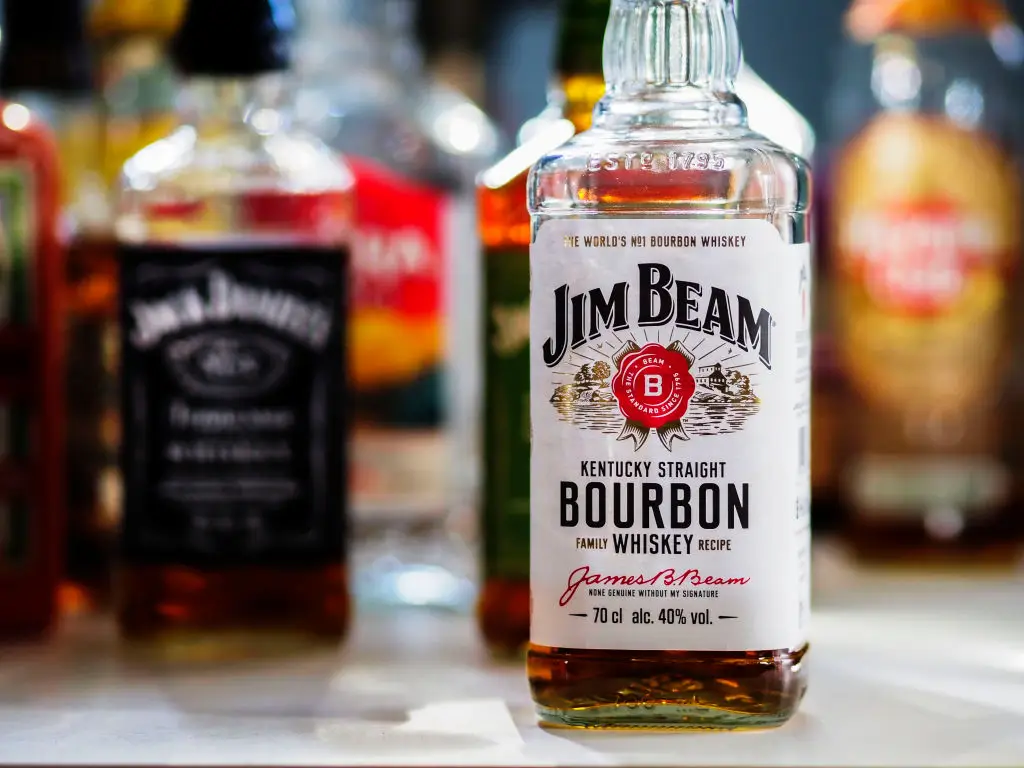
That careful wording seems to reflect a bit of a balancing act, both between long-term planning and short-term market realities.
Importantly for bourbon fans, Jim Beam alcohol is not disappearing from shelves. Other operations across Kentucky will continue as normal, including a separate distillery, bottling lines, and warehousing facilities.
The brand’s visitor centre will also stay open, meaning tourists can still make the pilgrimage even if the stills themselves are quiet.
Behind the scenes, the workforce impact is still being worked through. The parent company employs more than 1,000 people across its Kentucky sites and says it is holding talks with the workers’ union to decide how staff will be deployed during the production pause.
The wider backdrop to this decision is an industry grappling with oversupply. In October, the Kentucky Distillers’ Association revealed that bourbon stocks in warehouses across the state had reached a record high of more than 16 million barrels. Those barrels, which are subject to state taxation, have reportedly cost distillers ‘a crushing’ $75m (£56m) this year alone.
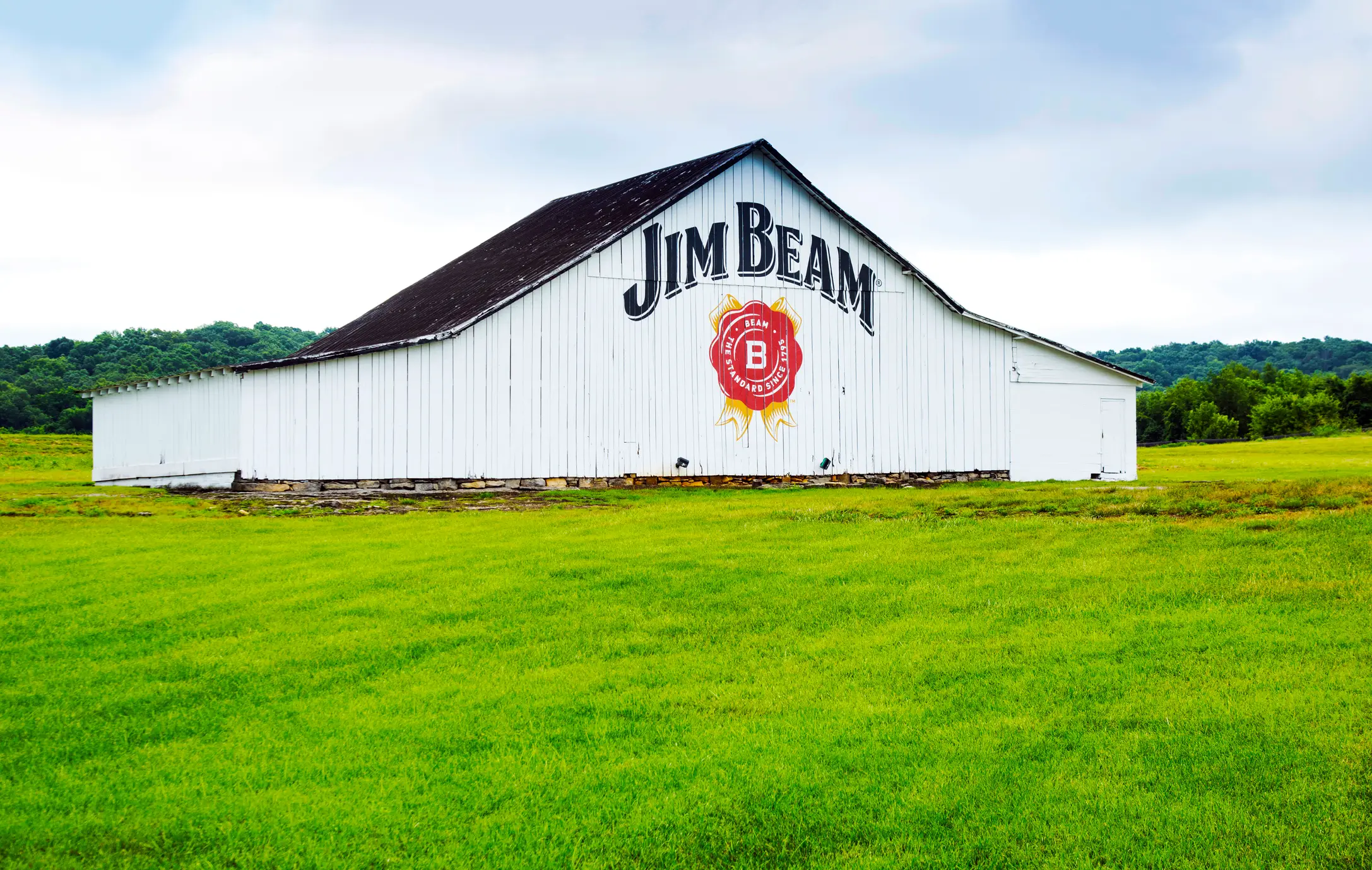
Trade tensions are adding another layer of uncertainty. US distillers have been caught up in retaliatory import taxes following President Donald Trump’s so-called ‘Liberation Day’ announcement in April, which saw tariffs imposed on most countries worldwide. The knock-on effects have been felt particularly hard in international markets that had driven much of bourbon’s recent growth.
The Kentucky Distillers’ Association has been vocal about the need for stability, noting: “Much of the expansion over the last decade has been geared towards global growth,” as it called ‘for a speedy return to reciprocal, tariff-free trade.’
Sales have also taken a hit north of the border, with most Canadian provinces earlier this year boycotting American spirits amid ongoing trade tensions.
 Ben Williams