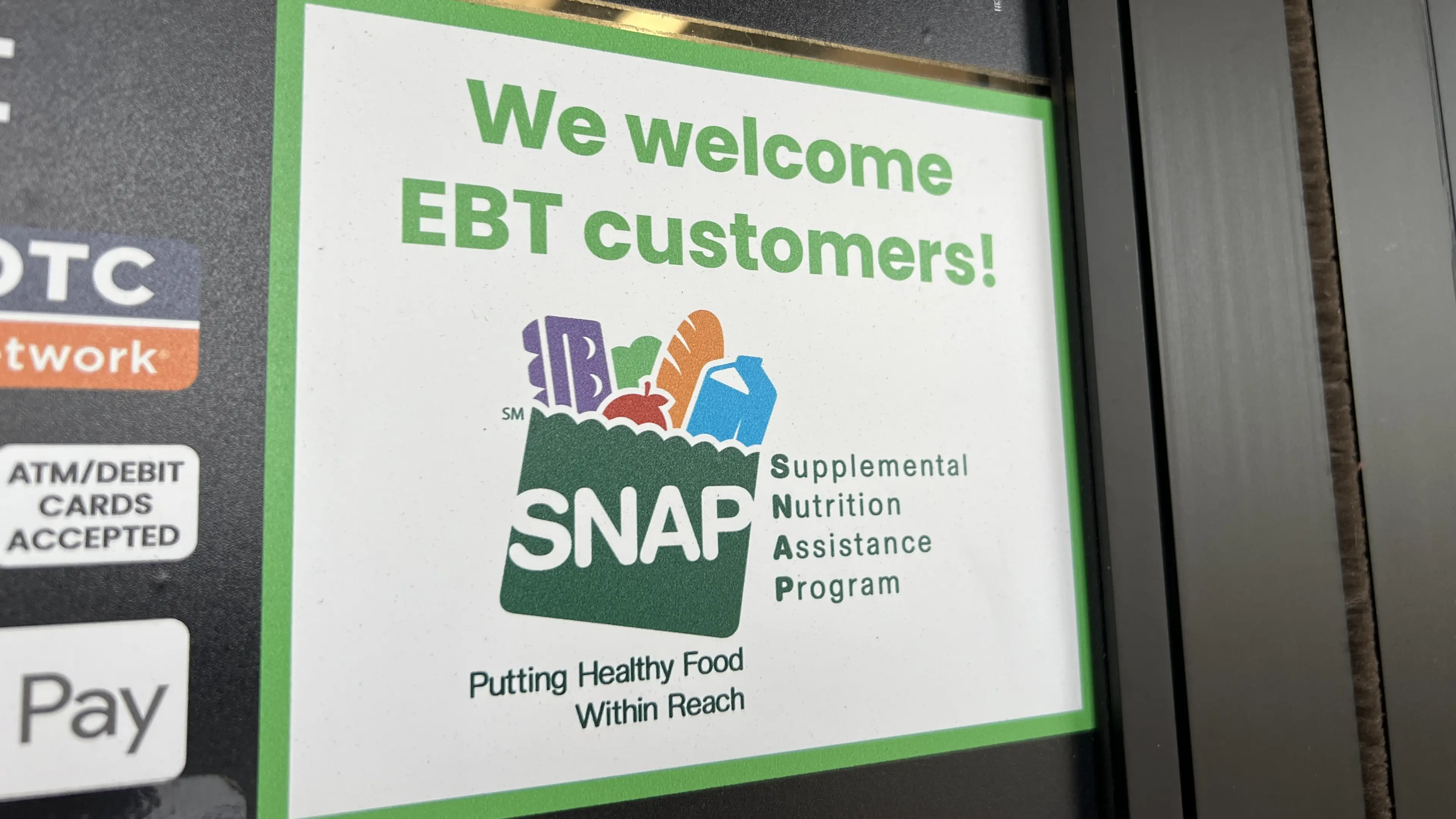
Trump administration threatens to withhold SNAP benefits from Democratic states

Food assistance programmes rarely attract sustained attention unless something goes wrong.
For millions of households across the US, SNAP functions as a practical support rather than a political symbol, helping families manage grocery bills amid rising living costs. The programme typically operates with little public scrutiny, governed by a long-standing balance between federal funding and state administration.
That balance is now under strain as SNAP becomes the focus of an escalating dispute between the Trump administration and a number of Democratic-led states. What began as a disagreement over oversight and compliance has developed into a more direct confrontation, with the potential to affect funding flows and, ultimately, recipients themselves.
Federal officials have argued for months that greater access to state-held data is necessary to ensure the programme is operating correctly.
Advert
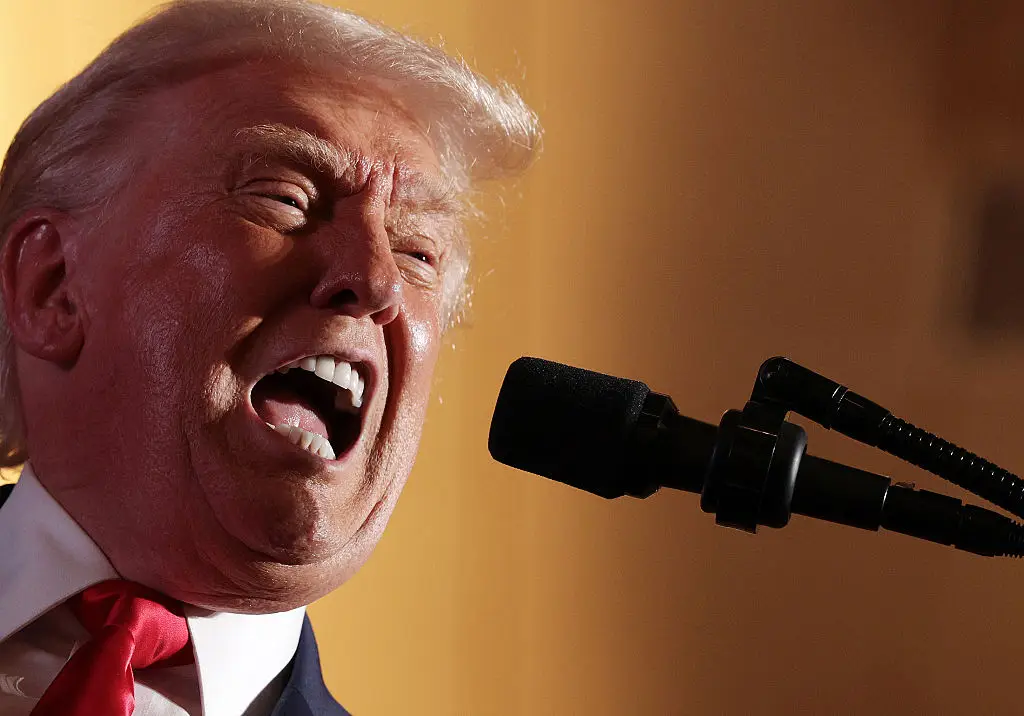
Several states, however, have resisted those demands, citing privacy concerns and warning against the creation of a centralised database containing sensitive personal information. Until now, the disagreement had largely remained procedural.
This week, the administration made clear it is prepared to take further action.
The Trump administration has warned it will withhold SNAP benefits from Democratic-led states that refuse to provide recipient data to the federal government. Agriculture secretary Brooke Rollins said the US Department of Agriculture could begin blocking funds as early as next week if states continue to reject federal requests.
Speaking at a cabinet meeting, Rollins said the information was required to, reported by The Guardian, 'root out this fraud, to make sure that those who really need food stamps are getting them, but also to ensure that the American taxpayer is protected'.
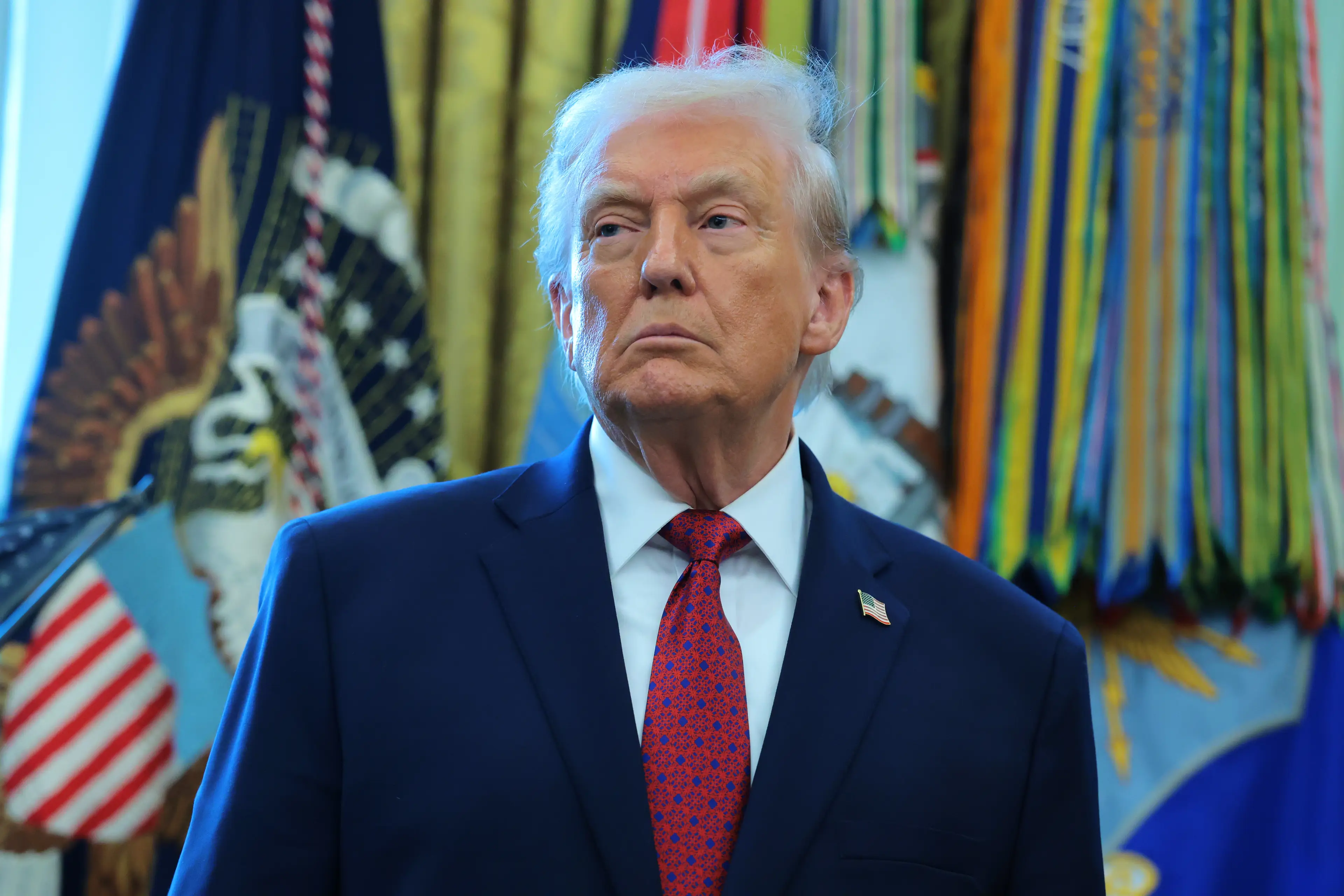
She claimed that 29 states had already agreed to share data, adding: “Twenty-nine states said yes – not surprisingly, the red states… But 21 states including California, New York and Minnesota, blue states, continue to say no.”
Rollins said funding would be halted until states agreed to cooperate, warning: “As of next week, we have begun and will begin to stop moving federal funds into those states until they comply.”
In a separate statement, a USDA spokesperson said the department had formed a SNAP integrity team to analyse state data and ‘end indiscriminate welfare fraud’. The spokesperson accused Democratic-led states of prioritising ‘illegals, criminals and bad actors over the American taxpayer’ and said formal warnings would be issued before administrative funds were withdrawn.
The administration has not released a full list of states that would be affected.
Democratic officials have responded with strong criticism. In July, according to Reuters, more than a dozen Democratic senators described the administration’s attempt to compile a database of SNAP recipients as an ‘unlawful privacy violation’.
New York governor Kathy Hochul questioned the approach publicly on X (formerly Twitter), asking: “Genuine question: Why is the Trump administration so hellbent on people going hungry?”
Democrats on the House agriculture committee, like Angie Craig, said the move amounted to ‘weaponising hunger’, noting that SNAP has one of the lowest fraud rates of any federal programme. Craig, the committee’s ranking member, accused the administration of prioritising political messaging over the needs of ‘seniors, children, veterans and Americans with disabilities’.
According to official figures reported by SNAP itself, nearly 42 million people relied on the programme each month during fiscal year 2024, with the majority of recipients falling into vulnerable groups.
As the standoff continues, questions remain over whether the dispute will escalate into funding interruptions that could have immediate consequences for those who depend on the programme for basic food security.
Topics: US Food
 Ben Williams