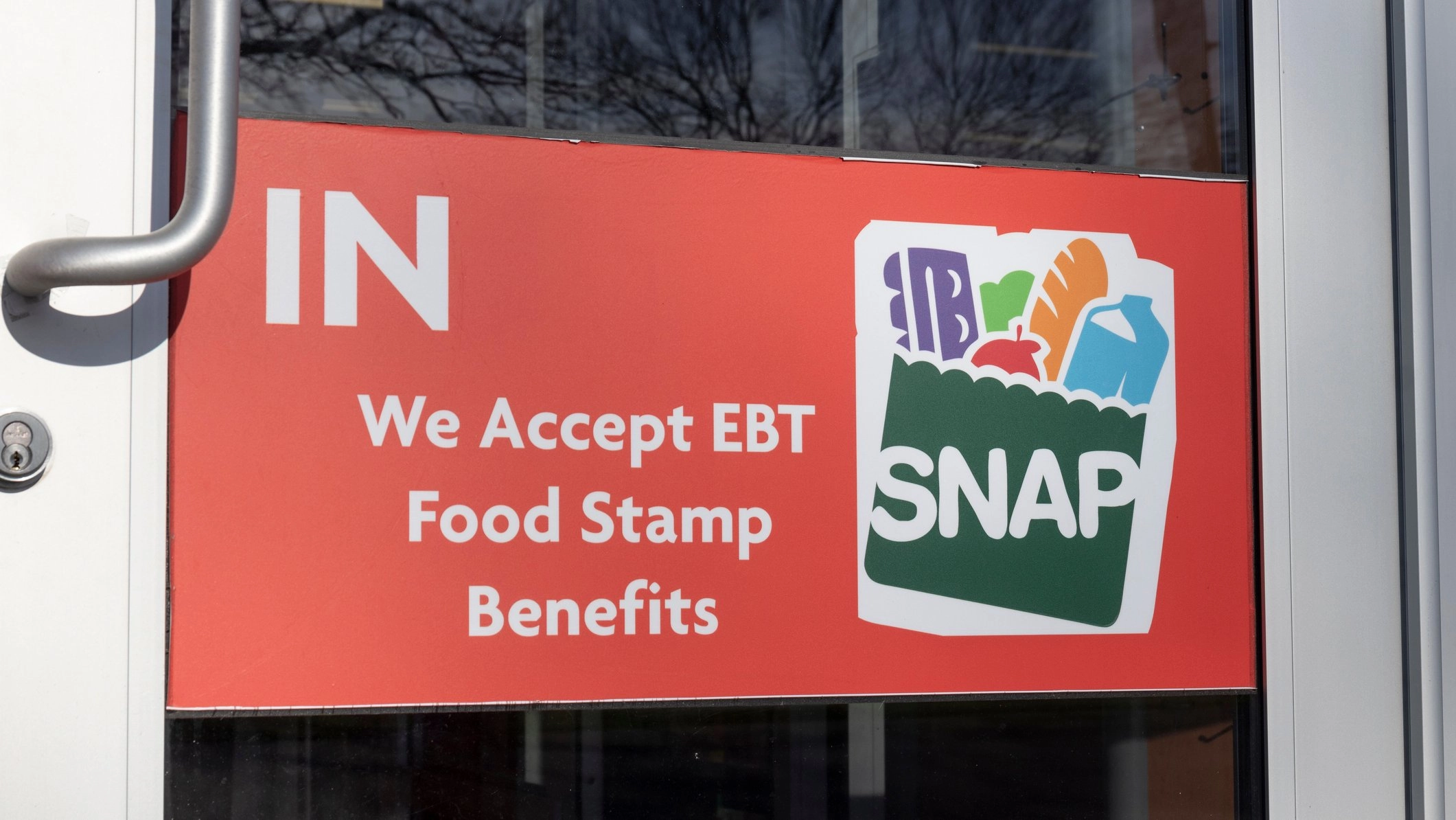
Controversial changes to SNAP benefits in 2026 explained

For most of its history, the Supplemental Nutrition Assistance Program has operated quietly in the background of American life.
Designed as a federal safety net and administered by individual states, SNAP has helped millions of households manage rising food costs without drawing much sustained attention. That balance has shifted in recent months, as food assistance has found itself pulled into wider political and cultural debates about public health, welfare spending and state compliance.
On paper, SNAP still performs the same role it has for decades, providing grocery support to low-income households through electronic benefit cards. Nearly 42 million people relied on the programme each month during the last fiscal year, with recipients disproportionately made up of children, older adults, veterans and people with disabilities. Yet as pressure grows on public spending and health outcomes, the way SNAP functions is beginning to change.
Advert
The turning point - driven by the infamous 'One Big Beautiful Bill' - comes in 2026. From next year, states will be able to enforce tighter restrictions on what can be bought with SNAP benefits after the US Department of Agriculture approved a series of waivers, which were teased earlier this month. Twelve states have already been cleared to redefine what counts as eligible food, opening the door to bans on sugary drinks, sweets, and other ultra-processed products.
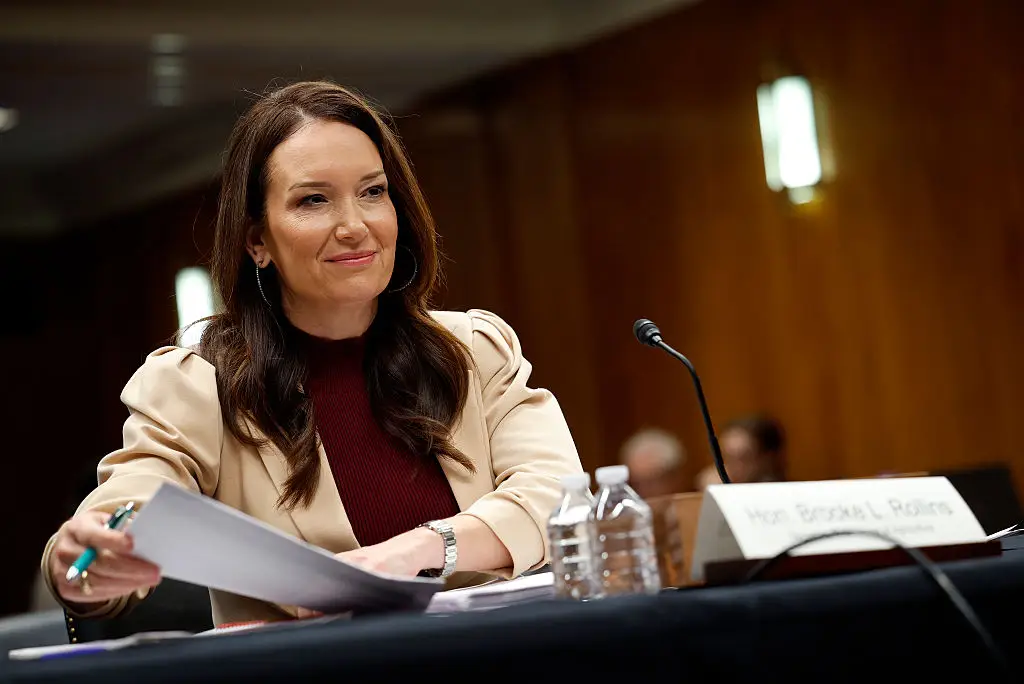
Announcing the decision, Agriculture Secretary Brooke Rollins framed the move as a return to first principles. She said: “President [Donald] Trump has made it clear: we are restoring SNAP to its true purpose – nutrition.”
The waivers form part of the administration’s ‘Make America Healthy Again’ initiative, which aims to reduce diet-related illness by limiting access to foods linked to obesity and chronic disease.
Health Secretary Robert F Kennedy Jr echoed that stance, arguing that public money should not support unhealthy consumption.
He said: “We cannot continue a system that forces taxpayers to fund programs that make people sick and then pay a second time to treat the illnesses those very programs help create.”
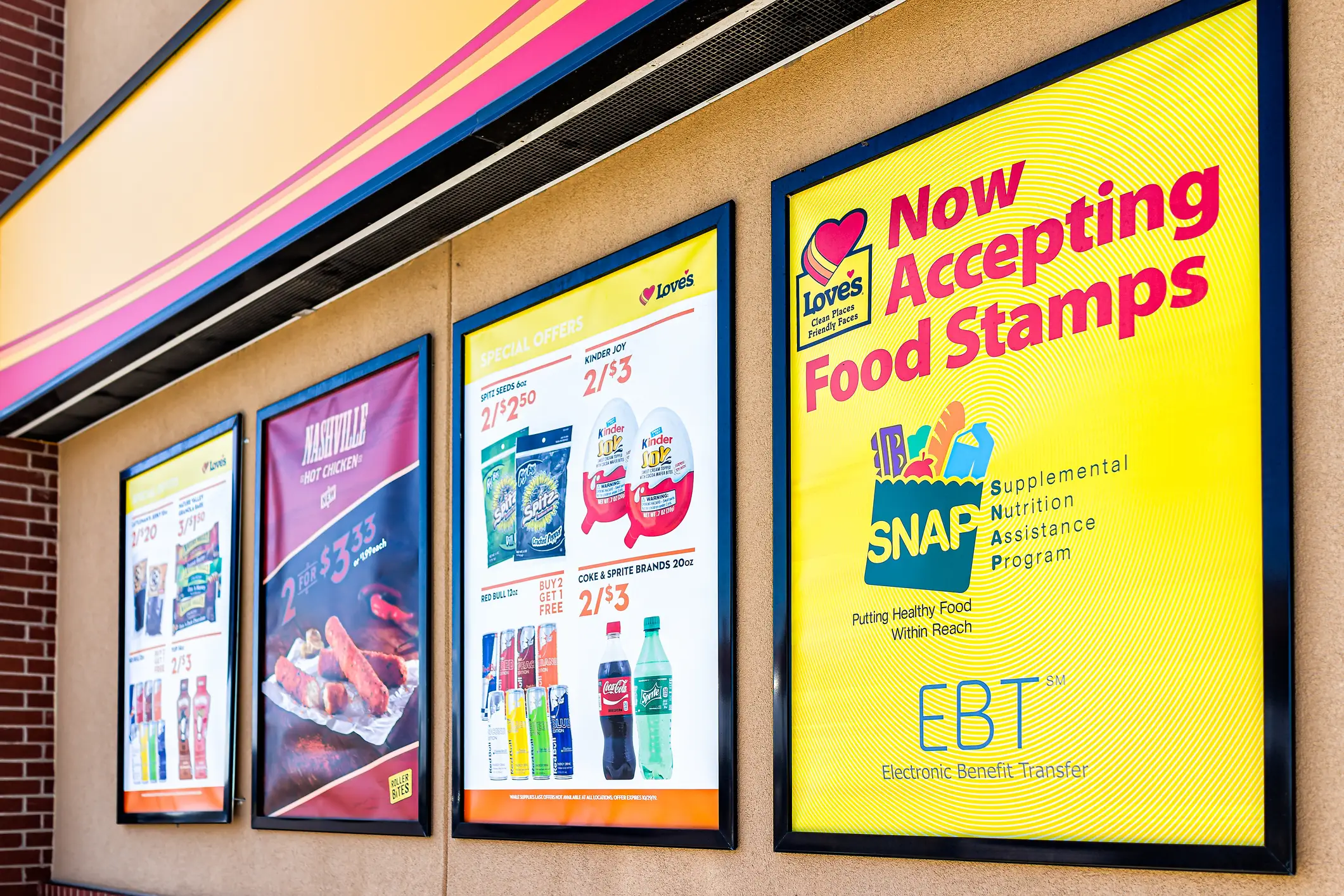
While the USDA sets the framework, the final decisions sit with individual states. Each state will determine which products remain eligible and when the new rules take effect, meaning restrictions could vary significantly depending on where recipients live. Some states are aiming to introduce changes as early as January 2026, while others are expected to follow later in the year.
Meanwhile, SNAP had also recently become entangled in a separate political standoff. The Donald Trump’s administration has warned it will withhold benefits from Democratic-led states that refuse to share recipient data with the federal government. Rollins said the information was needed to reportedly to root out fraud, making sure that ‘those who really need food stamps are getting them, but also to ensure that the American taxpayer is protected’.
Critics argue the approach risks turning food assistance into a bargaining chip, raising fears that disputes over data and compliance could disrupt access to basic nutrition.
Topics: US Food
 Ben Williams