
Experts think they've found cause of UK Listeria death

Scientists believe they may have come across the cause of last year’s Listeriosis outbreak, which claimed the life of one person and hospitalised another.
Listeriosis, a rare infection caused by the bacterium Listeria monocytogenes, often causes symptoms such as gastroenteritis, fever, and muscle aches.
However, vulnerable individuals, including pregnant people, may experience septicaemia, foetal loss, or even death.
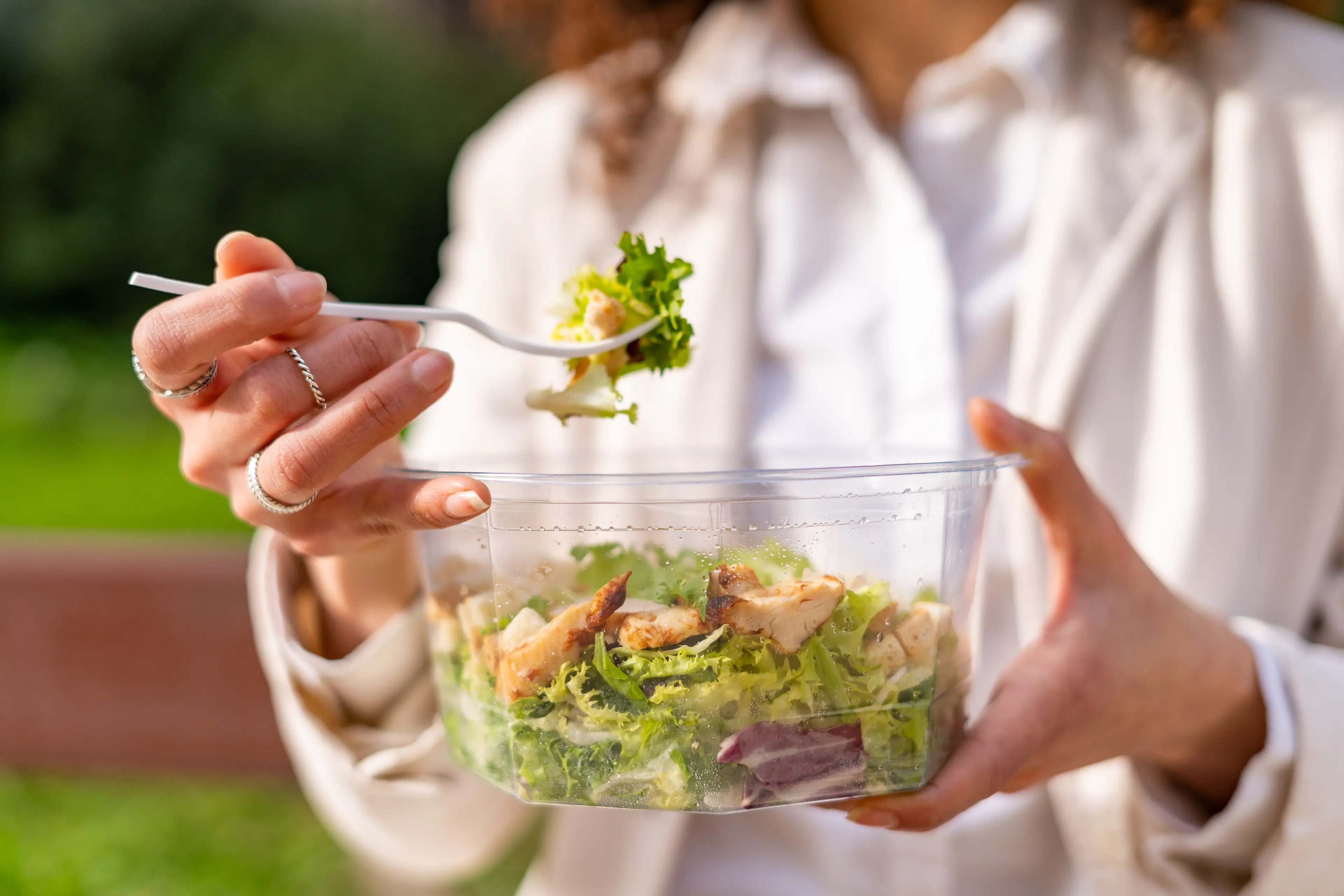
In most cases, illnesses are caused by eating chilled, ready-to-eat foods such as smoked and cured fish, pâté, pre-cut fruit, unpasteurised milk, and pre-made sandwiches and salads, as per the NHS.
Advert
Experts believe that one person died after they consumed a contaminated ready meal, as per a notice from the UK Health Security Agency (UKHSA).
On 15 April 2025, the Gastrointestinal Bacteria Reference Unit (GBRU) notified the Gastrointestinal Infections, Food Safety and One Health (GIFSOH) Division of two cases of listeriosis.
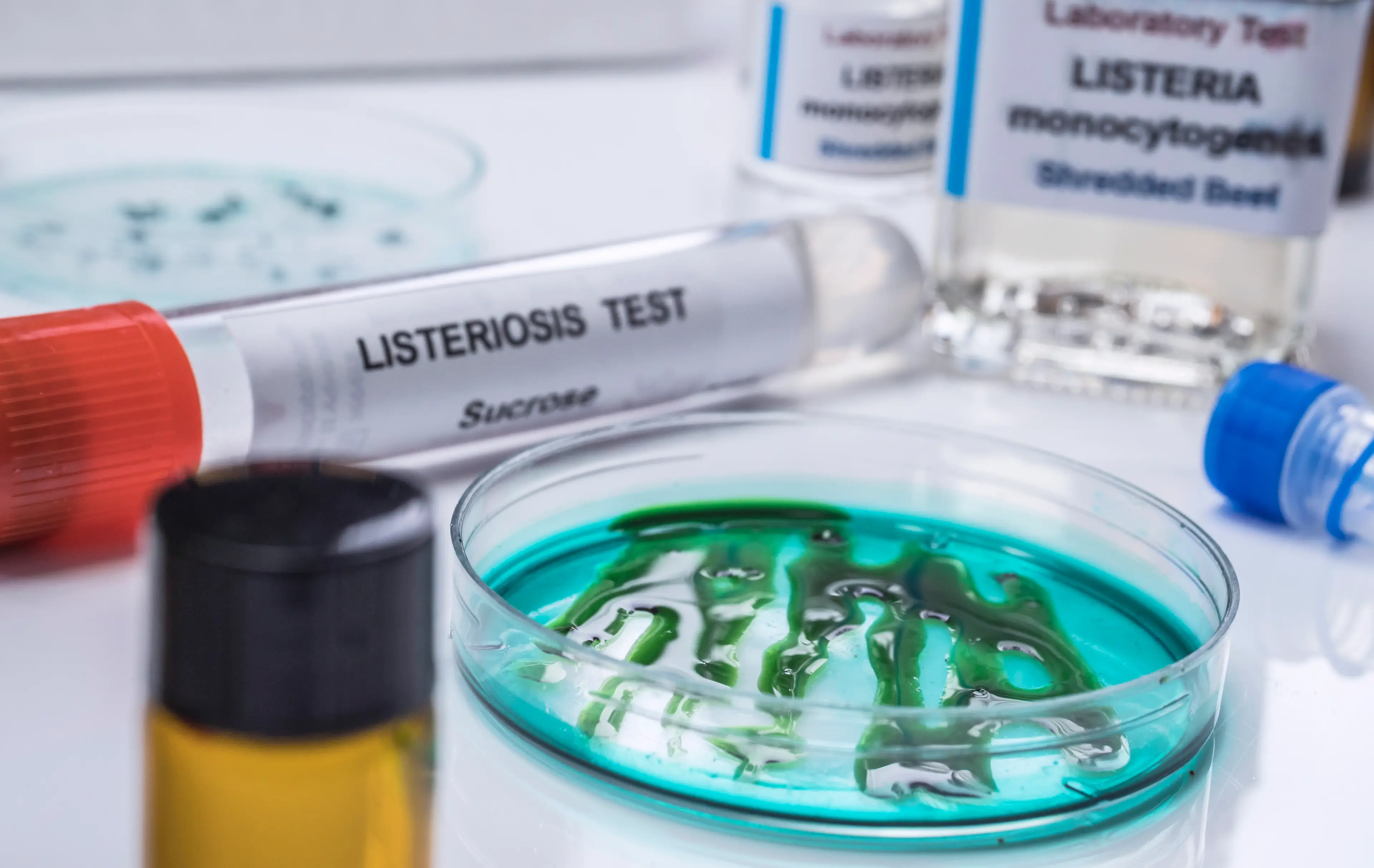
These cases had ‘underlying conditions’ and had been inpatients in the weeks before the onset of symptoms but were hospitalised because of listeriosis.
It was later confirmed that both had eaten food supplied by a London-based commercial food business operator.
The items were chef-prepared cook-chill meals delivered with instructions to reheat before consumption, the report stated.
One Listeriosis sufferer who was hospitalised said they ate a prepacked cooked chicken meal and a sea bass meal from the provider.
Another claimed they consumed teriyaki salmon, chilli and garlic chicken donburi, lamb burger, potatoes and assorted vegetables from the same company.
A total of 109 food samples and swabs were ordered and taken from the premises.
L. monocytogenes matching the outbreak strain (CC4 t5.248_ was isolated from one food and 5 environmental samples taken from the business, the UKHSA report stated.
“The food isolate was detected from ‘washed garnish parsley’, sampled on 1 May 2025, at a level of less than 10 cfu per gram,” the notice explained.
The five environmental isolates were detected from a cold kitchen drain gulley, a hot kitchen floor wall’, ‘dirty dollies’ and a ‘hot kitchen floor/wall junction’.
Sampling returned one food and 4 environmental isolates from a floor scrubber, cold kitchen drain, cold kitchen floor, and mezzanine lift floor.
Between April and October 2025, another 15 isolates of Listeria monocytogenes and 26 of other Listeria types were recovered from environmental samples.
The UKHSA suggested that the large nuumber of positives at the facility suggested widespread and persistent contamination
Food Safety News reported that the unnamed business ‘voluntarily ceased production in May 2025, undertook a deep clean and re-opened a few days later following satisfactory results from in-house environmental testing and implementation of a Listeria management plan’.
In January 2026, it was agreed that formal sampling would take place every two months over a six month period.
At the first of these instances no new cases in the cluster were identified, as per the report.
 Ella Scott