
5 warning signs your digestion isn't normal, according to gut doctor

A gut health expert has shared five signs to be aware of, as awareness grows around the important role our gut plays in supporting overall health.
The digestive tract is home to trillions of microbes that do far more than help break down food. They also play a role in absorbing nutrients, supporting the immune system and regulating mood.
Before looking at the signs of digestive problems, it’s worth understanding what gut health means and why it matters.
What is meant by gut health?
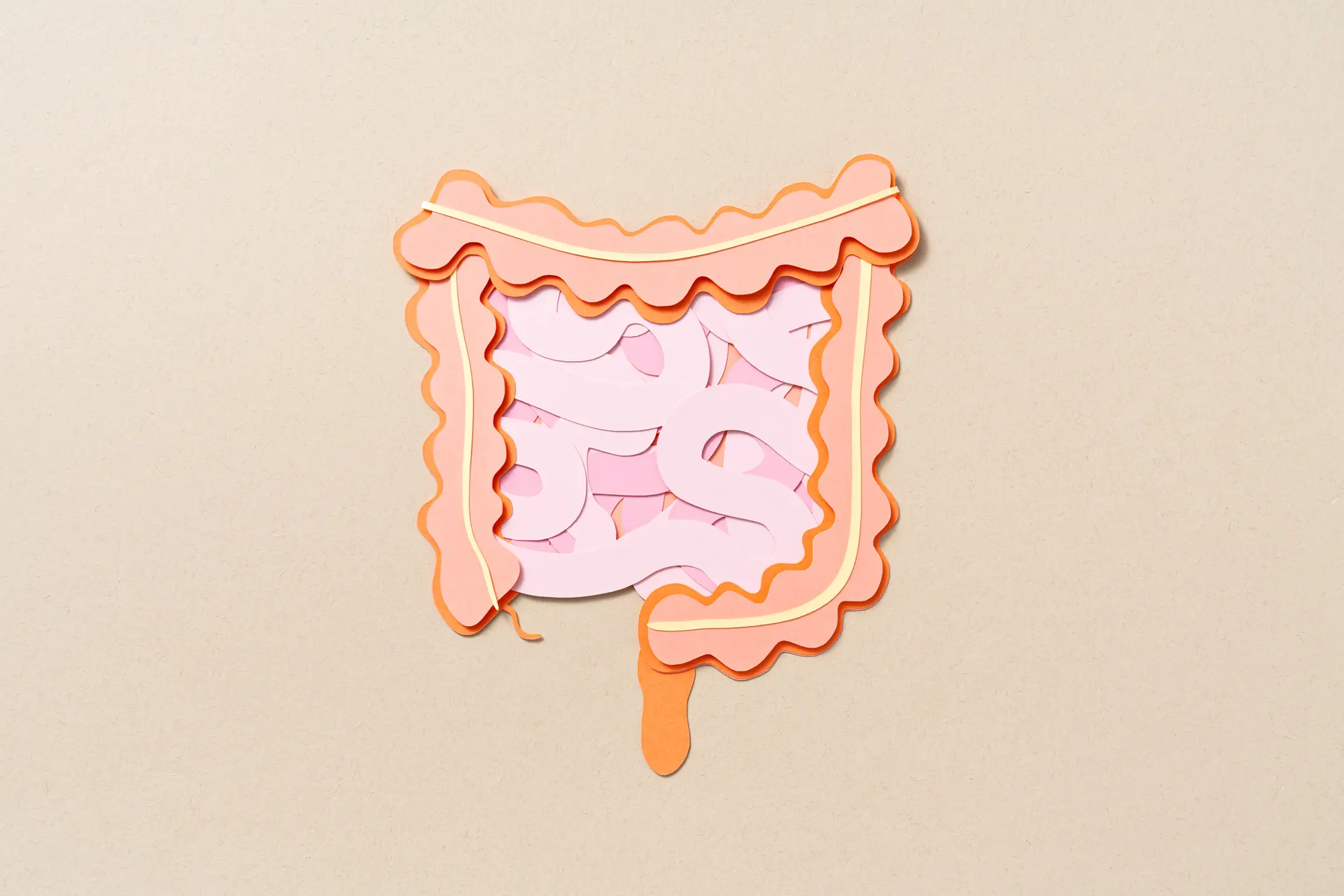
The British Nutrition Foundation describes the gut as the digestive system, which breaks down food and drink into energy, nutrients and water.
The large intestine is home to trillions of microbes that help break down food. Over the past few decades, scientists have found that these microbes may play an important role in keeping us healthy.
Advert
Most of these microbes are bacteria, alongside some viruses and fungi. Collectively, they are known as the gut microbiota. The environment in which they live, primarily the large intestine, is known as the gut microbiome.
It’s thought that around 3,000 species of bacteria could potentially be present in the gut, although only around 100 to 150 species are thought to live there at any one time. With so many different species and possible combinations of bacteria, each person’s gut microbiota is unique.
Constipation
This is a common digestive issue that affects people of all ages where you have changes to how you poo, such as not posing as often or finding it difficult to poo, according to the NHS.
You’re likely experiencing constipation if you have not had a poo at least three times during the last week, if your poo is unusually large or small and is dry, hard or lumpy.
You may also be constipated if you feel like you’re straining when you poo, if you feel you haven’t fully emptied your bowels, or if you experience a stomach ache, feel sick or a bloated feeling.
Specialist gut health dietician Rosie Abbott told The i: “There are lots of potential causes. One of the first things I’d look at is whether you’re getting enough fibre – and enough fluid alongside it, because fibre needs fluid to do its job properly.”
In some cases, adding more fibre to your diet can improve constipation by adding bulk and softening your poo. But it must be increased at a steady pace and paired with plenty of fluids to avoid worsening symptoms.
Frequent or persistent constipation can sometimes be a sign of an underlying medical cause. If it is not improving, speak to a doctor.
Frequent sickness
Do you feel like you catch every bug that’s going around? If so, it might mean your gut needs further support.
“Around 70 per cent of the body’s immune cells are located within or associated with the gut, and there’s constant communication between our gut microbes, the intestinal barrier and immune system,” Rossi said.
You could decide to add greater plant diversity to your diet.
Changes in bowel movements
- Loose or frequent stools
- Hard or infrequent stools
Speaking to The i, registered dietitian and gut health specialist Chloe Hall said changes in bowel movements, including frequent, watery stools or hard, infrequent stools, could indicate diarrhoea or constipation.
She said possible causes include diet, medication, food intolerances, IBS and gastrointestinal conditions such as coeliac disease and inflammatory bowel disease (IBD).
Restricting your diet
Some people may notice they tend to avoid entire certain foods or food groups to avoid symptoms of constipation.
The issue with unnecessary restriction is that it can ‘reduce nutritional adequacy and plant diversity’ and can change your relationship with food.

Passing a lot of smelly gas
Abbott said that everyone produces wind, and that its smell can be influenced by diet and the bacteria living in the gut.
She said that a noticeable increase in wind or a change in its smell, particularly when accompanied by bloating or changes in bowel habits, could sometimes indicate that digestion was not working as well as it should.
Abbott said that diet, constipation, stress, food intolerances and changes in the gut microbiome could all contribute to increased or particularly smelly wind.
How to support gut health
One of the simplest ways to support gut health is through a healthy, balanced diet. Eating well can help maintain regular bowel movements and reduce the risk of problems such as constipation.
Staying hydrated and eating plenty of fruit and vegetables are two simple, sustainable ways to support a healthy gut.
Some types of fibre also provide food for beneficial gut bacteria, helping them grow and thrive. The British Nutrition Foundation says these types of fibre are known as prebiotics and you can find them in foods including onions, garlic, leeks, artichokes, chicory root, asparagus, bananas, apples, berries, wheat, oats, beans, lentils and chickpeas.
 Greg Harris