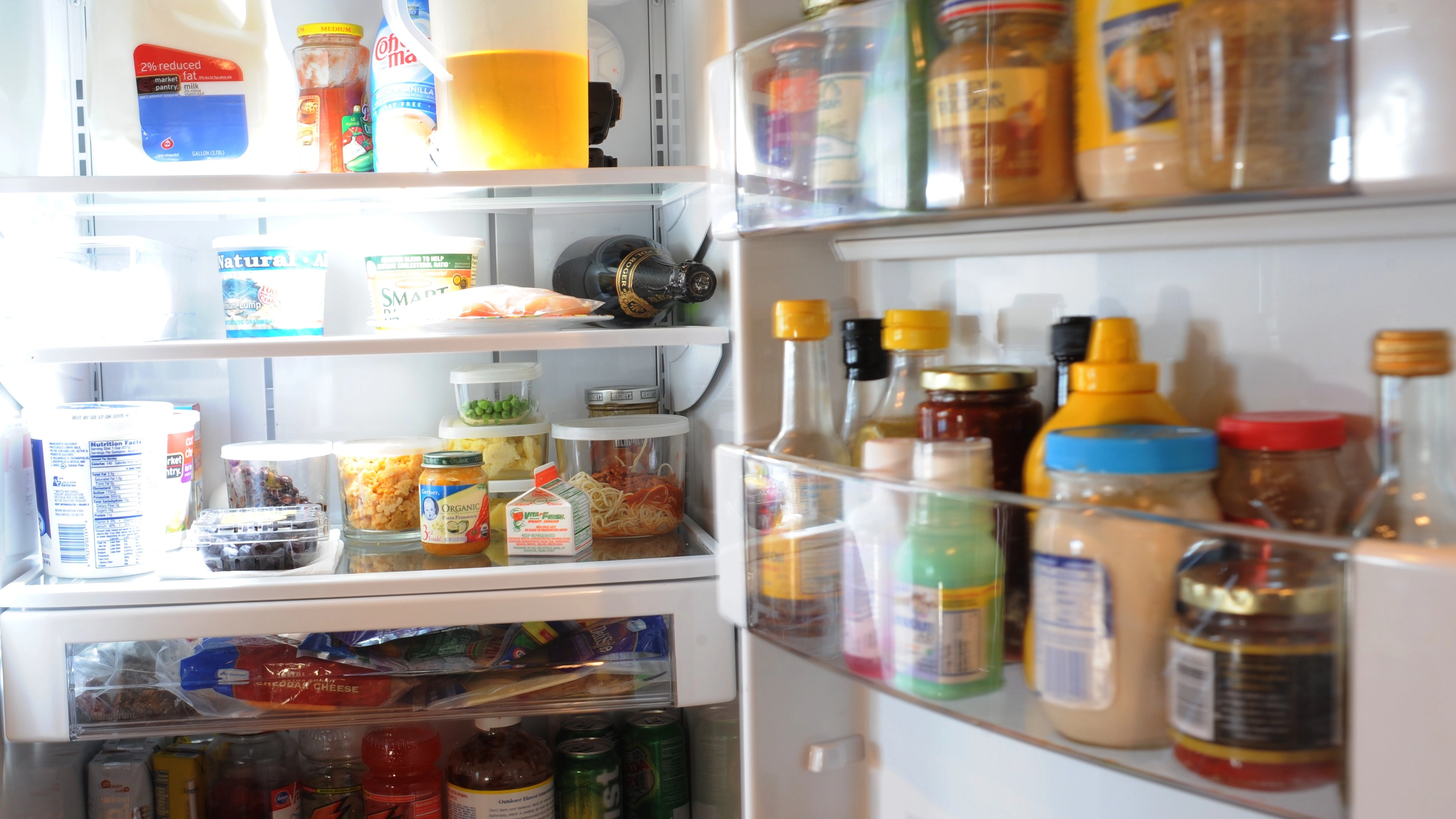
3 warning signs that show your salad dressing has 'spoiled'

Salad season is officially upon us, and there’s an easy, three-step guide to figuring out whether your salad dressing has expired way before you use it to ruin your nutrient-dense masterpiece.
A simple way to take chicken, lettuce, cucumber, and other fresh produce to the next level is with a healthy glug of good stuff.
Punchy peanut satay sauce may be your go-to, and you can never really go wrong with a subtle olive oil and Dijon mustard combination or a rich spoonful of tahini.
Whether you’re making your condiments from scratch or picking them up on your Saturday afternoon grocery run, you should know that sauces don’t last forever.
Advert
To stop your salads from tasting and smelling sour, you should familiarise yourself with the major warning signs that show your salad dressing has ‘spoiled’, including taste, texture, and smell.
A distinctive odour
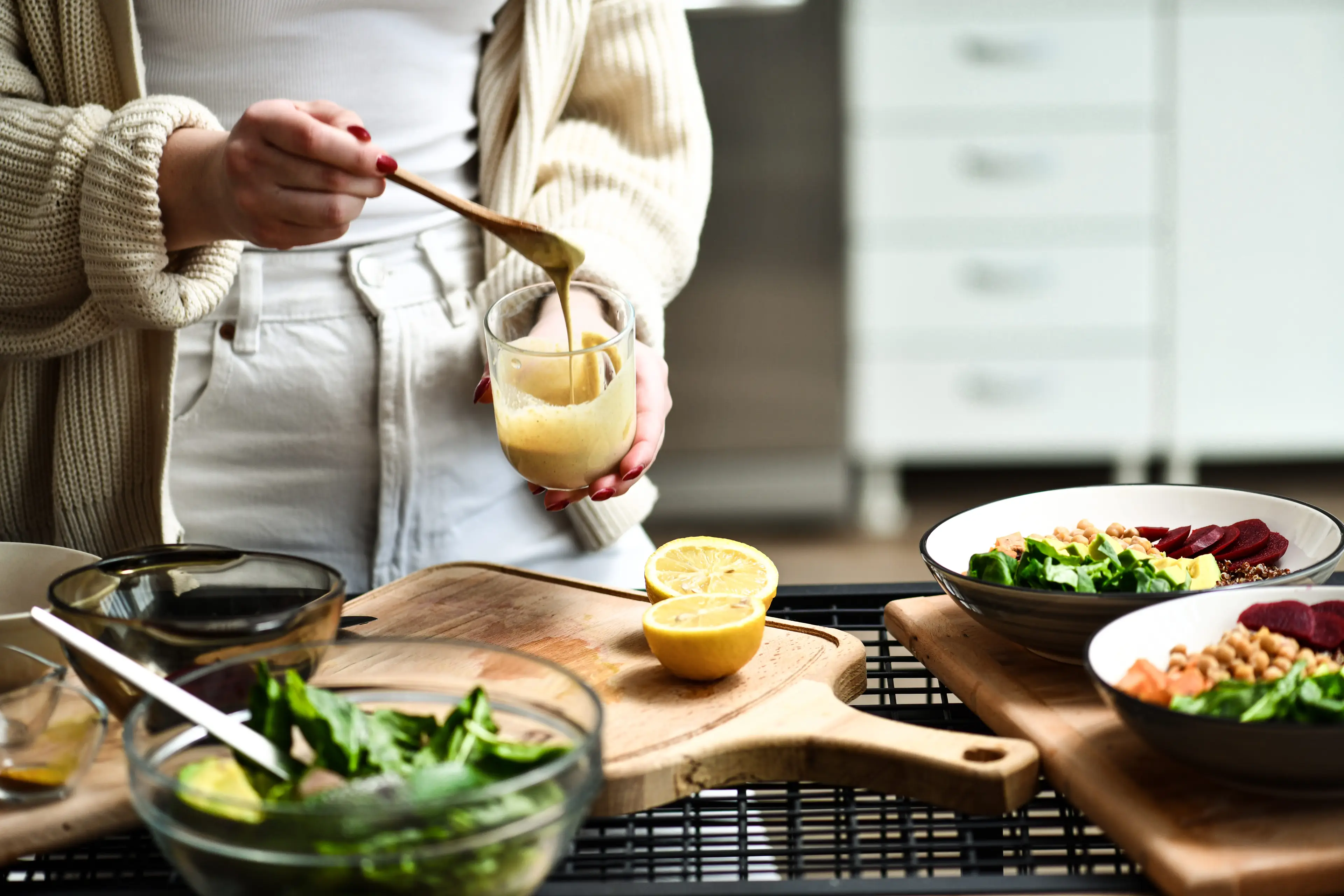
You should kick your salad dressing to the curb as soon as it smells a little bit off, according to food scientist Dr Bryan Quoc Le.
The expert told All Recipes that the off-putting smell often signals that yeasts in the item have produced gas, with the result being off-flavours and odours.
Discolouration and seperation
Your salad sauce doesn’t have to smell ‘bad’ for it to be spoiled - its appearance can give it away, too.
Refrain from shaking your bottle as soon as you pull it out of the fridge. If you notice that a thin layer of oil has formed on the top, then this means it’s gone bad.
This apparently includes if bubbles have appeared at the surface, Quoc Le warned.
Another visual indicator is discolouration. If it appears darker than usual, then it’s probably time to pop it in the bin and crack open a new dressing.
The flavour is different
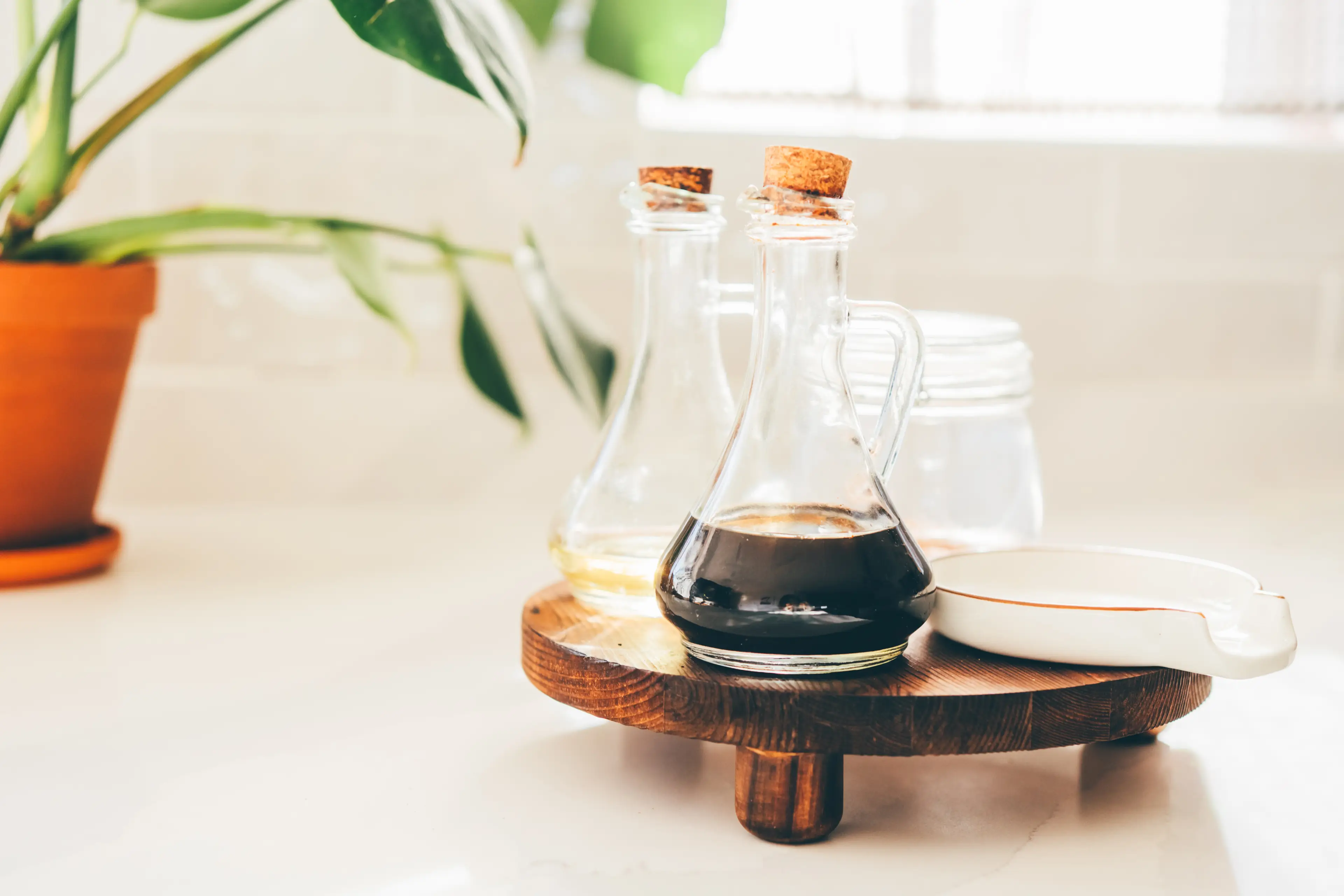
If you’re a ceaser salad fan, then you probably love the tangy bite that the anchovy-laden sauce provides. Those who reach for BBQ probably enjoy the sweetness, while herby yoghurt-based condiments are likely preferred by those who like fresh tastes and creamy consistency.
However, have you ever noticed that your salad seasoning tastes extremely oily or suddenly very vinegary? If so, then this could be a key sign that it’s time to get rid of your dressing.
How to properly store your homemade salad dressing
Homemade dressings, such as pickle juice vinaigrette, thousand island sauce, or honey mustard dressing, should always be kept in the fridge to minimise the risk of foodborne illness and to prevent quality from deteriorating.
Make sure to store them upright in either the middle or upper shelf and always in a glass, airtight jar.
Be prepared to conduct the smell, sight, and taste tests more frequently than you would with store-bought salad dressing; your homemade version is likely to lack preservatives and may include ingredients, such as dairy or eggs, that can spoil quickly.
Essentially, the sooner that you consume homemade dressing, the better.
 Ella Scott