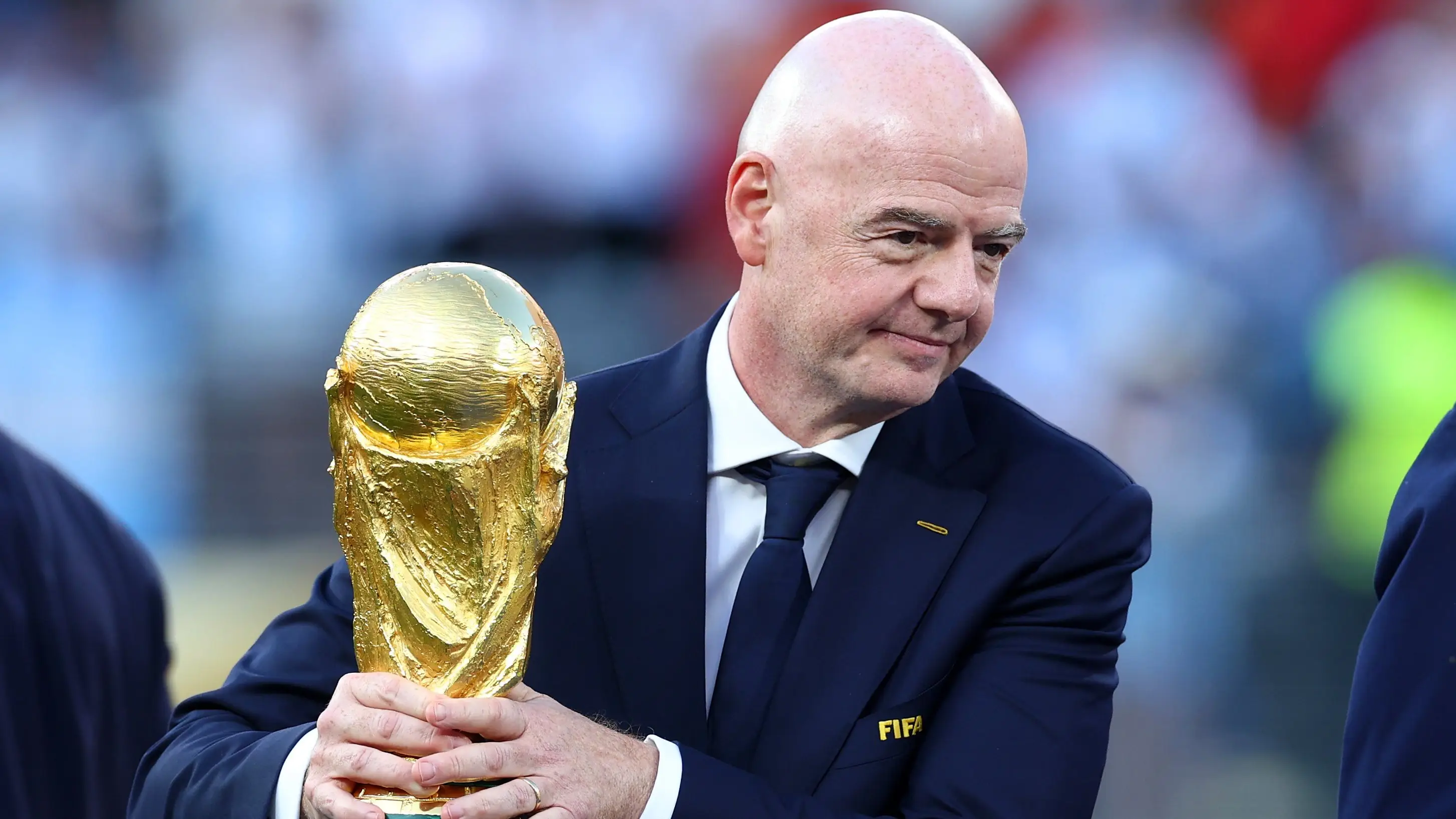
World Cup viewers saw junk food and alcohol branding every seven seconds, study finds

Billions tuned in to watch the 2026 FIFA Men’s World Cup in the United States, Mexico, and Canada this summer, culminating in the second-ever tournament win for Spain.
And while details of Erling Haaland’s diet and Norway’s obsession with fish dominated the press, many of us were being shown adverts for alcohol, fast-food, and gambling every 6.7 seconds, a study suggested.
Researchers at the University of Bristol and the University of Oxford used Britain’s most powerful supercomputer to analyse all 172.6 hours of live play across the competition’s 104 matches.
Isambard-AI, based in Bristol, found that more than 93,000 ads deemed ‘potentially harmful to human health’ were broadcast during the Men’s FIFA World Cup.
Advert
Such advertising was visible for 39.3 hours of live play — almost a quarter of the tournament’s total live broadcast time, as per Euro News.
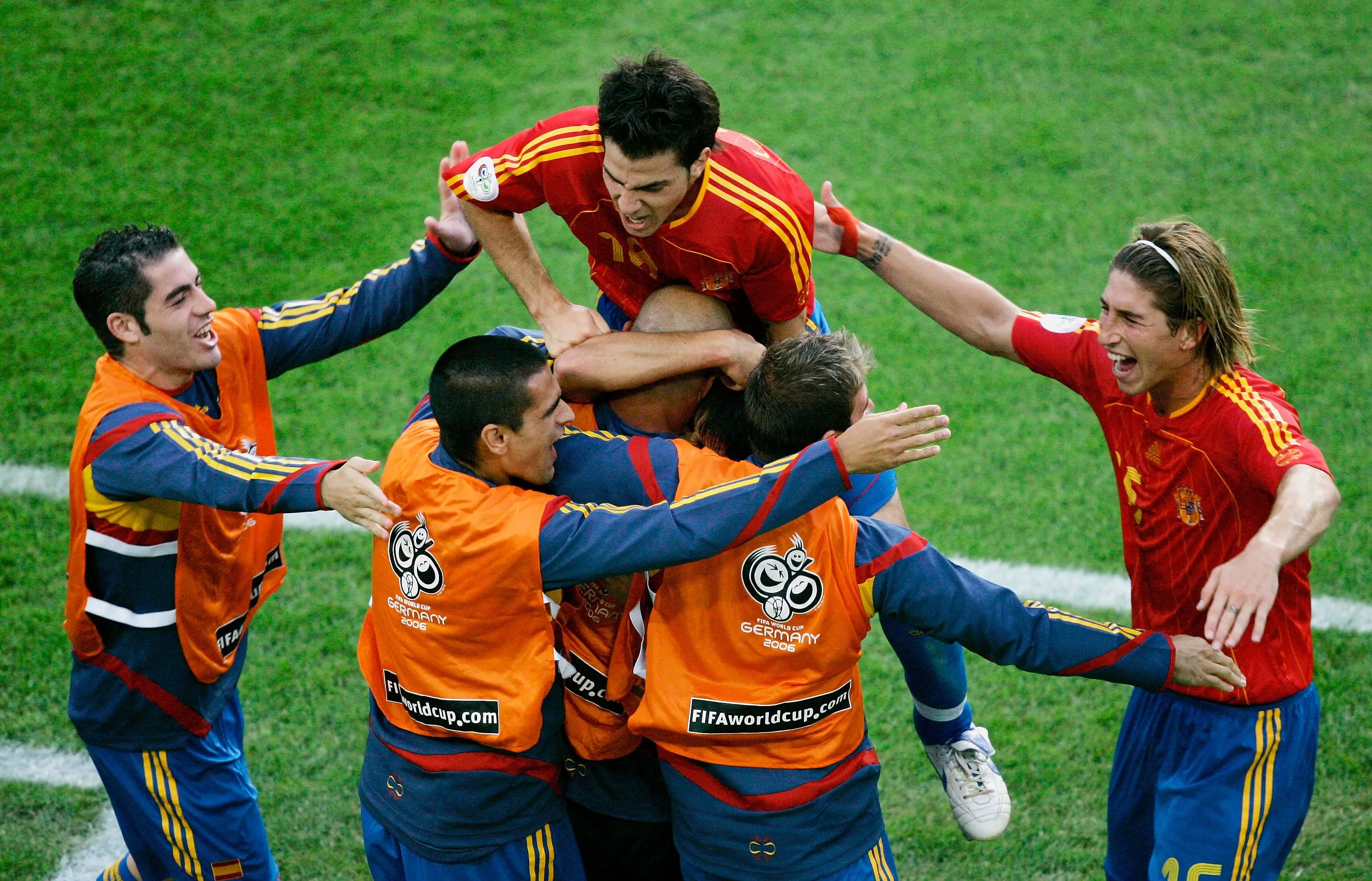
With a combined visibility of 28.1 hours, unhealthy food and drink brands accounted for more than seven in ten appearances.
“We are facing a global crisis of childhood obesity and diet-related disease, yet the world’s biggest sporting event is saturated with marketing for unhealthy food and drinks,” warned Elisa Becker, co-author of the study at Oxford.
“Sport should be part of the solution to poor health – not one of the world’s most powerful advertising platforms for the products driving it.”
Prediction markets were the second-largest category, with 9,360 logos and 8.8 hours of screen time, followed by alcohol, the report, titled ‘The price of the Beautiful Game’, stated.
Booze accounted for 9,266 logos and 8.2 hours of screen time, according to researchers, who said the tournament acted as a ‘powerful platform for promoting products associated with some of the world's leading causes of preventable illness and harm’.
Regarding the worrying statistics, Raffaello Rossi, co-author of the study from the University of Bristol said: “The findings are 'particularly alarming given the extensive evidence that marketing of unhealthy products, alcohol, and gambling is associated with increased consumption and a range of health, social, and financial harms—especially among children and adolescents.
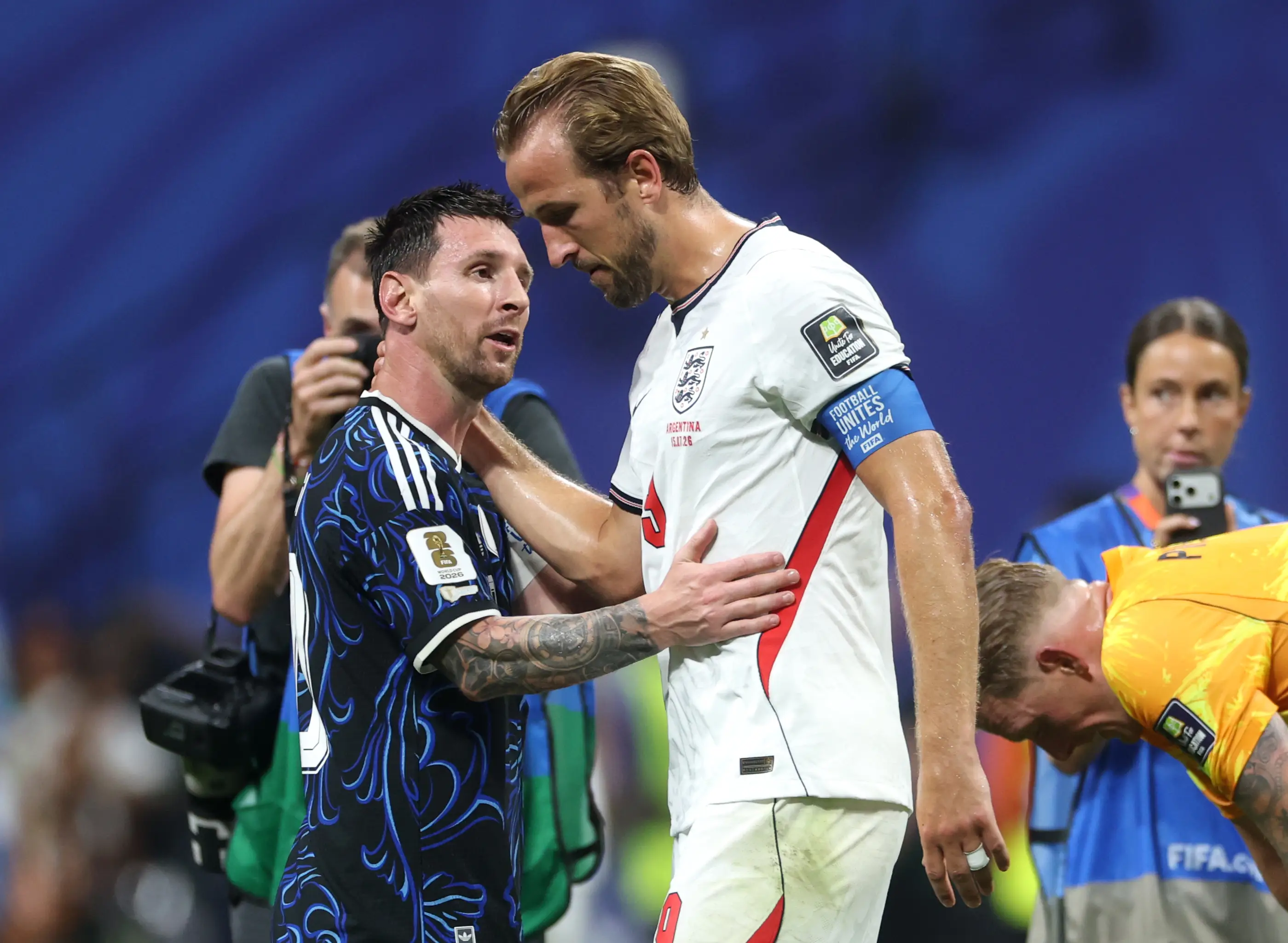
"As one of the world’s most watched sporting events, reaching billions of people, this year’s FIFA World Cup provided an unparalleled platform for advertising.”
The authors also used the opportunity to point out that centrally produced images were shown in countries where various advertised products or providers are not authorised at all, or where advertising for them is heavily restricted.
A cited example was an ad for a betting market provider being shown in Germany despite it being blocked following intervention by the gambling regulatory authority.
Another was alcohol advertising being broadcast in countries where it is outright banned or heavily restricted.
The leads questioned why FIFA did not utilise technology to replace advertisements on a regional basis like UEFA did during the 2024 Men’s European Championship.
FOODbible has contacted FIFA for comment.
 Ella Scott