Warning from fish and chip shops amid 'massive increase' in costs

Fish and Chip Friday may be about to become a whole lot more expensive due to unprecedented rising costs, fish friers have warned.
While many of us enjoy a good, salty battered sausage and a cool can of fizzy Vimto from the local chippy, others have been known to travel miles to their favourite restaurant to pick up a juicy slice of cod and a punnet of chips.
If you’re a regular, you may have already noticed, but the price of your hard-earned takeaway has almost doubled since 2020 due to rising employee, oil, and fishing costs.
George Morey, who runs Knight's Fish & Chips in Glastonbury, Somerset, claimed in a recent interview with the BBC that he is now paying around £150 more for a case of cod than he was this time last year.
Advert
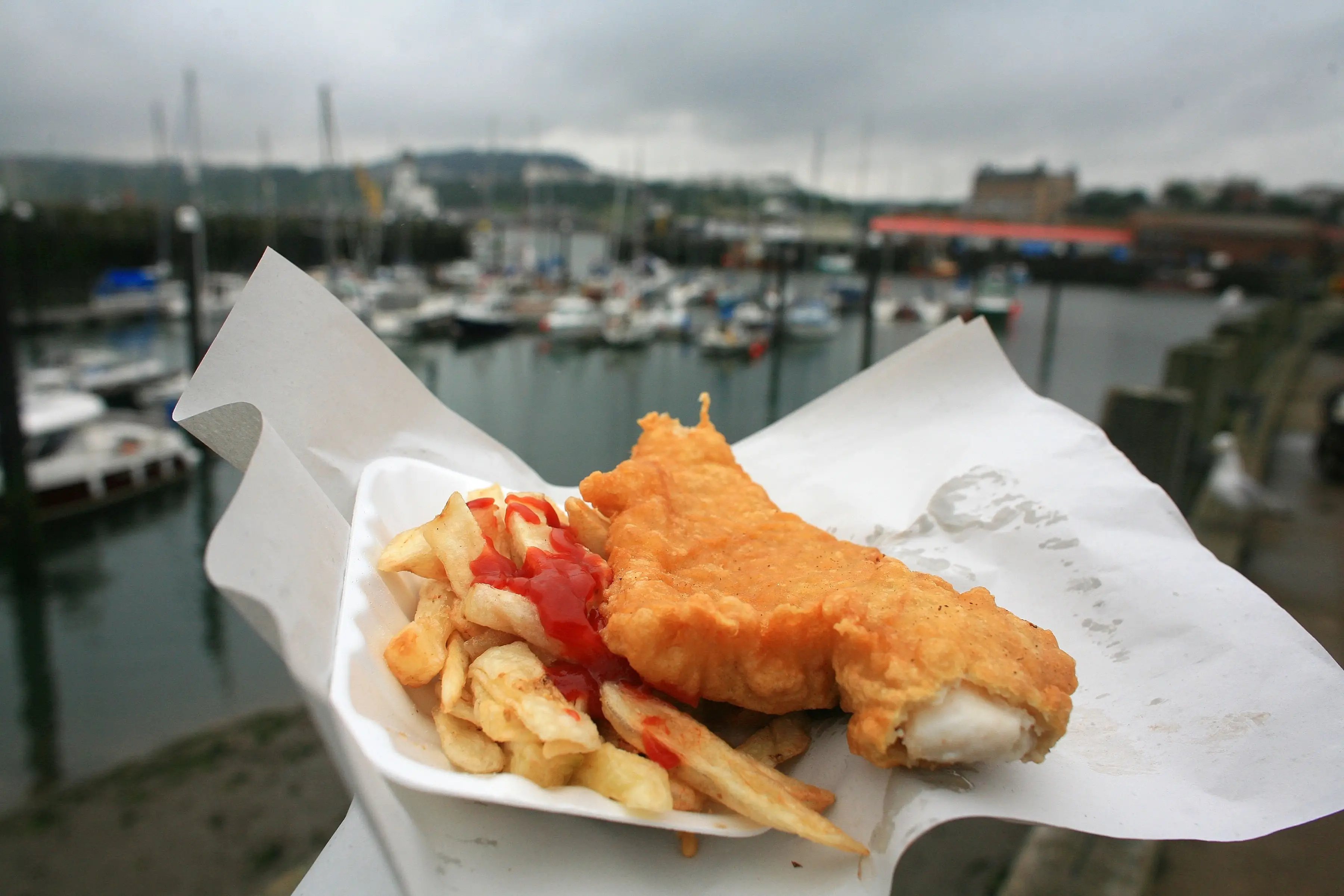
Instead, in 2026, Morey is having to fork out a whopping £289 for just 18kg of the Friday night staple.
Due to 'massive rising costs', the businessman has been forced to raise his prices, with a portion of cod now costing £8.20.
At one point, the average price of your chippy go-to was likely sitting around £6.65.
That means Morey’s portion is a 23.3 percent increase on the mean six years ago.
Despite a slice of hake coming in slightly cheaper at £6.50, the fish and chip shop owner claimed he has had a tough time convincing customers to deviate away from the tried-and-tested protein.
He called die-hard cod lovers ‘religious’ and ‘fanatical’, adding that they are ‘willing to pay a premium because that is what cod is, a premium product.’
“It's the white gold,” he mused.
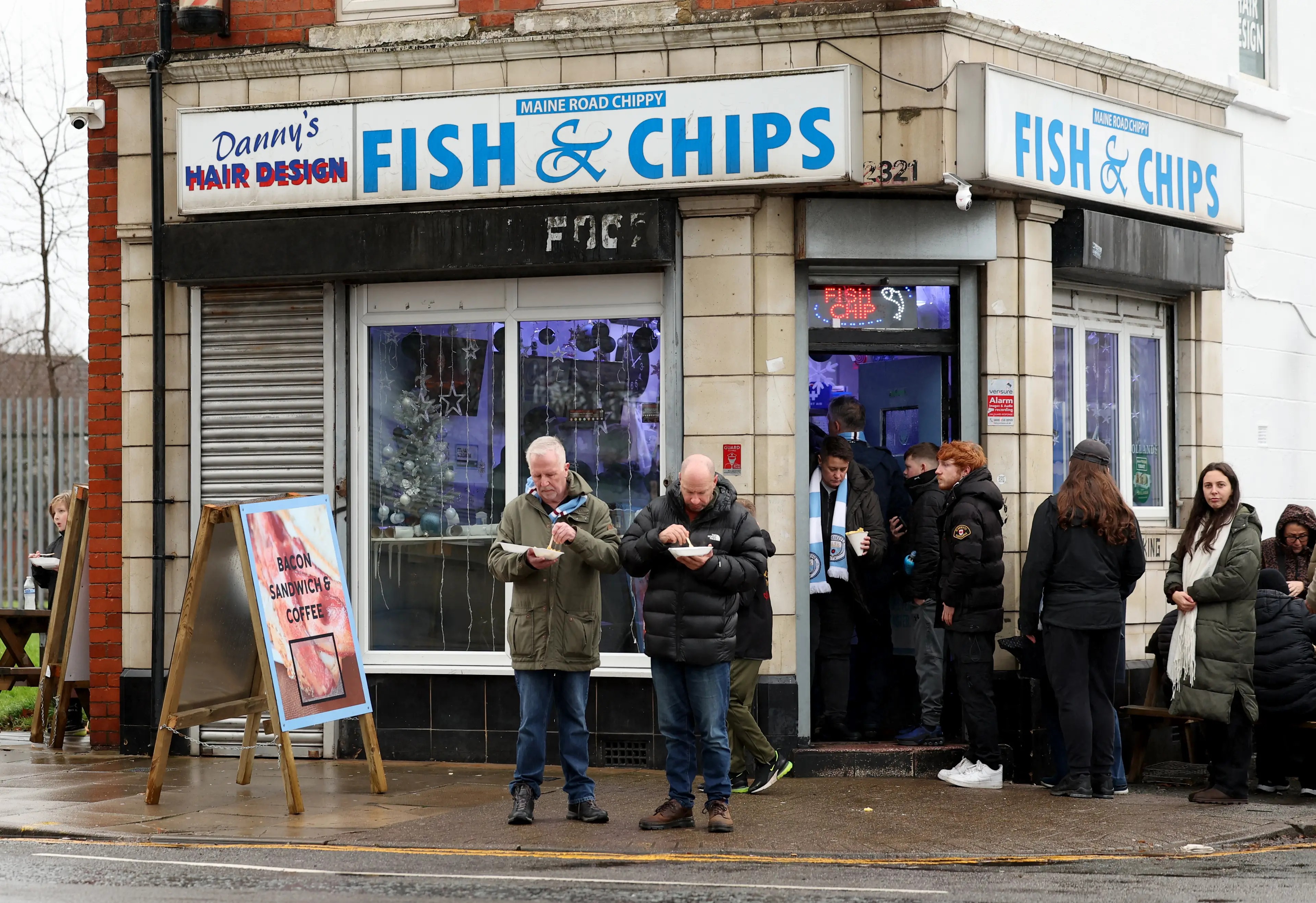
While some loyal clientele are willing to fork out for their fish supper, other flash-in-the-pan patrons aren’t as keen on the price hikes and are looking elsewhere for their takeaway fix.
Shops are closing as a result, according to Andrew Crook, president of the National Federation of Fish Friers.
“It's more and more difficult for the smaller shops just to compete and keep up with legislation,” he informed the publication.
"We're busy producing fish and chips - that's what we came into the industry for - and you spend more and more of your time filling out forms and making sure you're compliant.”
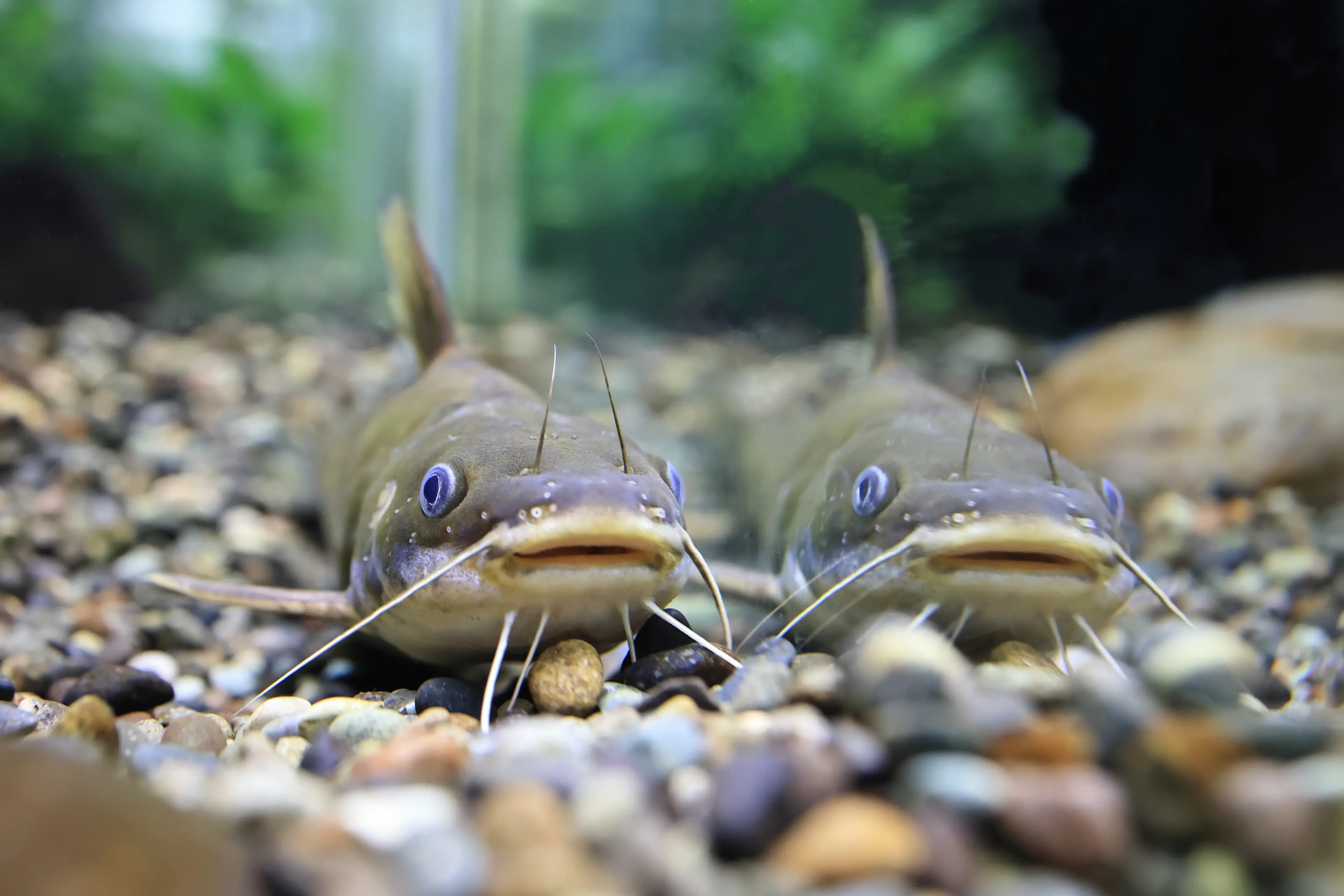
The news comes amid concerning data suggesting some fish friers are secretly selling a species of catfish in the North West of England.
An investigation conducted in Liverpool and Manchester found that three of ten brick-and-mortar businesses that were advertising ‘normal fish’ or ‘white fish’ were actually handing out catfish imported from Southeast Asia.
DNA testing took place under the watchful eyes of Professor Stefano Mariani and Catherine Perfect at Liverpool John Moores University.
“In my experience with fish and chips, three out of 10 is quite a lot - I don't recall seeing this level of catfish,” said Prof. Mariani.
"It is very difficult for a member of the public that is not a trained fish biologist to identify one fillet from another.”
Despite the very obvious duplicity, Crook stated that there is ‘nothing wrong’ with eating catfish when it comes to your health.
“When you go and get fish and chips most people expect a marine species, so cod, haddock or plaice,” he said.
"I think if you've got something that's farmed, like pangasius, as long as it's advertised as such that's fine.
"It's when it's being sold at a cod price that's a problem and shops need to be careful about doing that."
He added that chip shops should be listing the species on their menus.
"As an industry, we've got to have the trust of the general public.”
 Ella Scott