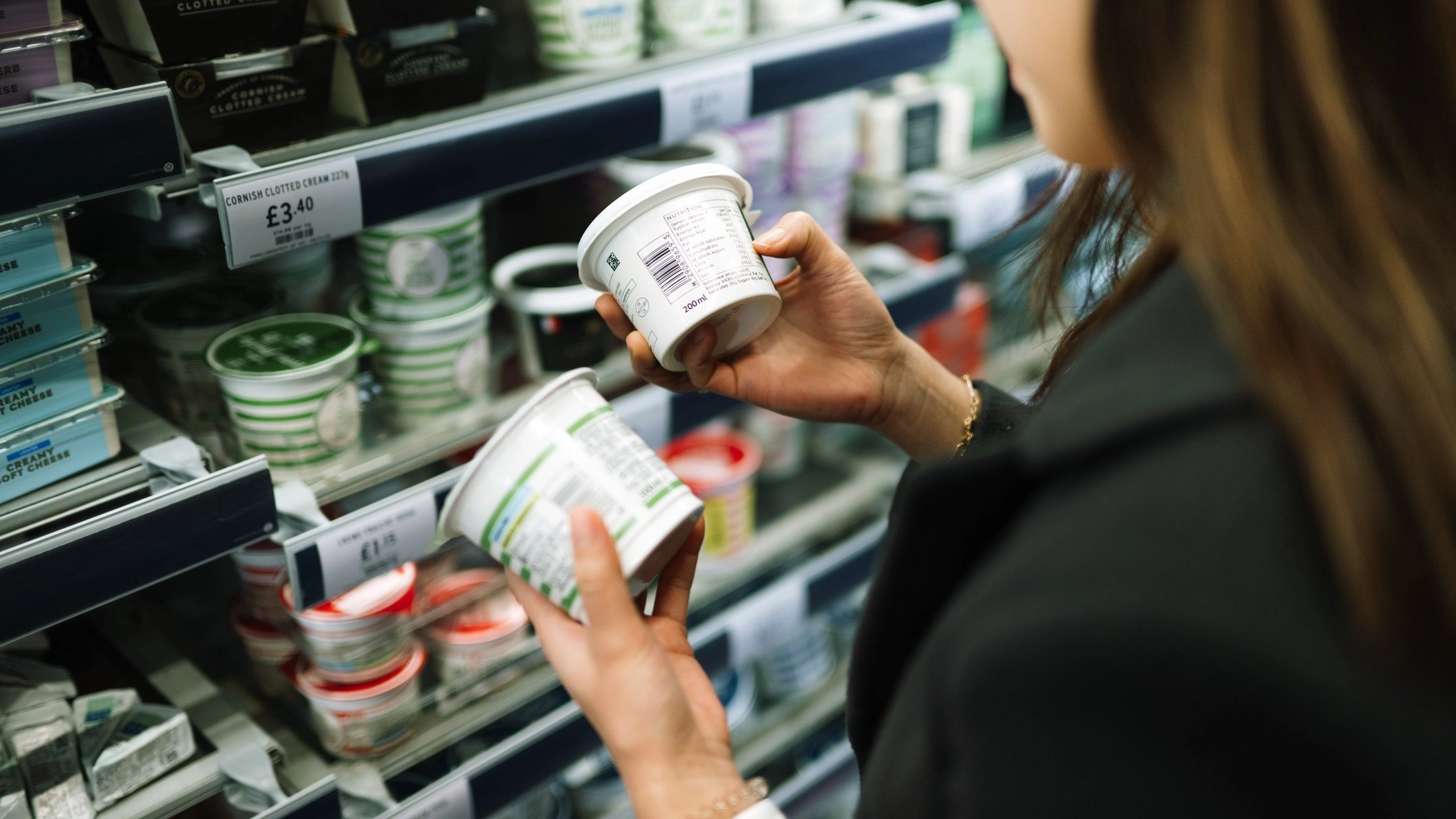
Fewer than half of UK shoppers trust food label information

New research shows that trust levels are low when it comes to shopping.
It can be easy to get overwhelmed when browsing, and with protein goals to hit and trends like ‘fibremaxxing’ hitting us from every angle, it’s no surprise so many of us are mistrustful of labels.
Fewer than half of UK consumers trust the information presented on food labels, according to new research from the Soil Association, reported by the Fresh Produce Journal.
It highlights growing concerns over confusing sustainability claims, and the credibility of food marketing.
Advert
The survey of 2,000 UK adults found that just 44 percent of consumers trust what they see on food labels.
The findings, released ahead of this year’s Organic September campaign, suggest that shoppers are increasingly struggling to tell the difference between genuinely useful information, and brand’s marketing claims.
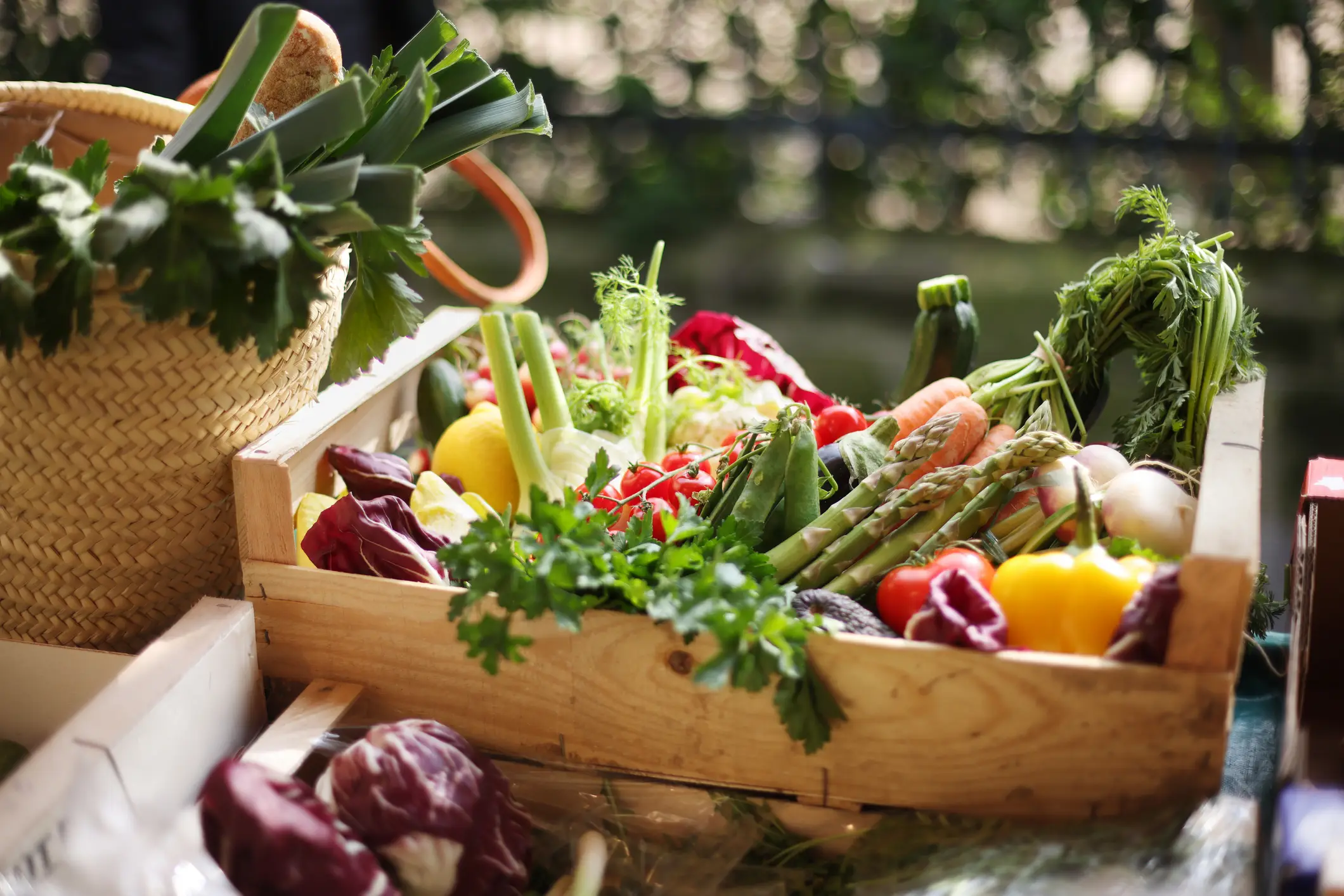
For the food industry, it’s a difficult balance to strike.
Labels are intended to help shoppers make informed choices, whether that’s scanning the nutritional content, thinking about the environmental impact, animal welfare values or deciding to buy based on where a product was produced.
Packets are often covered in branding, logos, taglines and reviews, and the Soil Association claims this is all leading to ‘consumer fatigue’ and is causing confusion in the aisles.
The Association points to terms such as ‘regenerative agriculture’ which they warned can amount to ‘greenwashing’, or trying to make something look more ethical than it is.
That’s especially the case when these bold claims aren’t backed up by clear standards or commitments.
A 2024 investigation by Which? found that only 51 percent of shoppers found information, supposedly telling them where the produce originates from, to be helpful.
Researchers also found fruit and vegetables in major supermarkets where country-of-origin information was not clearly displayed on the product or shelf.
Another 68 percent of consumers said knowing where fresh fruit and vegetables came from was important to them.
The issue is not simply that consumers are ignoring labels.
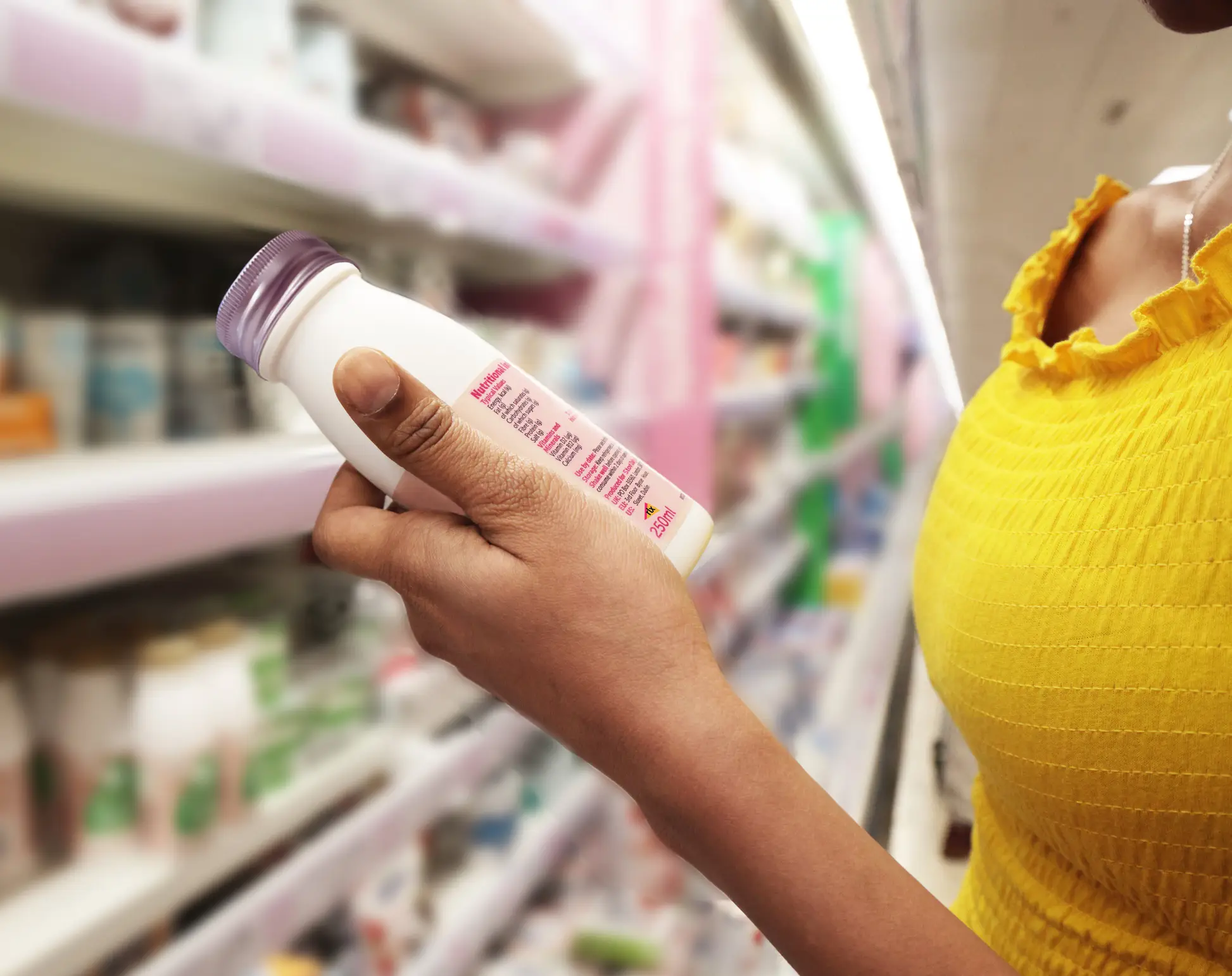
Official Food Standards Agency research shows that shoppers regularly use them, but often focus on particular pieces of information that they feel matters to them.
In its Food and You 2 survey, 85 percent of respondents said they ‘always’ or ‘most of the time’ checked use-by dates, while 52 percent checked ingredient lists.
Only 47 percent said they read the nutritional information. Country of origin and food assurance logos were checked even less frequently.
There’s also evidence that shoppers can trust labels while also finding food information difficult to understand.
A 2024 study examining 440 products across three food categories in British supermarkets found that health claims appeared on more than a quarter of products examined, both in shops and online.
Researchers still found examples of non-compliant wording and unauthorised claims, which backs up the need for continued monitoring.
The Soil Association says its organic symbol can only be used on products that have been independently inspected and certified.
They say their organic standards also go beyond the legal minimum in areas including animal welfare and environmental protection.
The survey found that 51 percent of shoppers would trust a product more if it carried an organic logo.
It seems that consumers want transparency, but they also need information that is straightforward, credible and easy to verify.
Boosting confidence will depend not on adding more claims, but on making existing ones clearer and more trustworthy.
 Jen Thomas