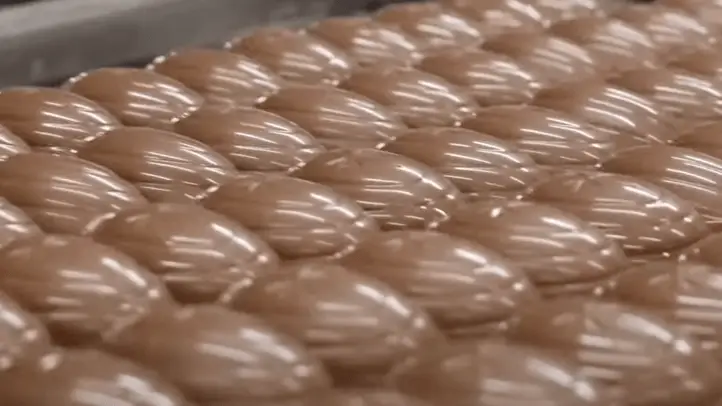
Fascinating video shows exactly how Cadbury Creme Eggs are made

For thousands of us, springtime doesn’t really begin until we’ve had our first Cadbury Creme Egg of the season.
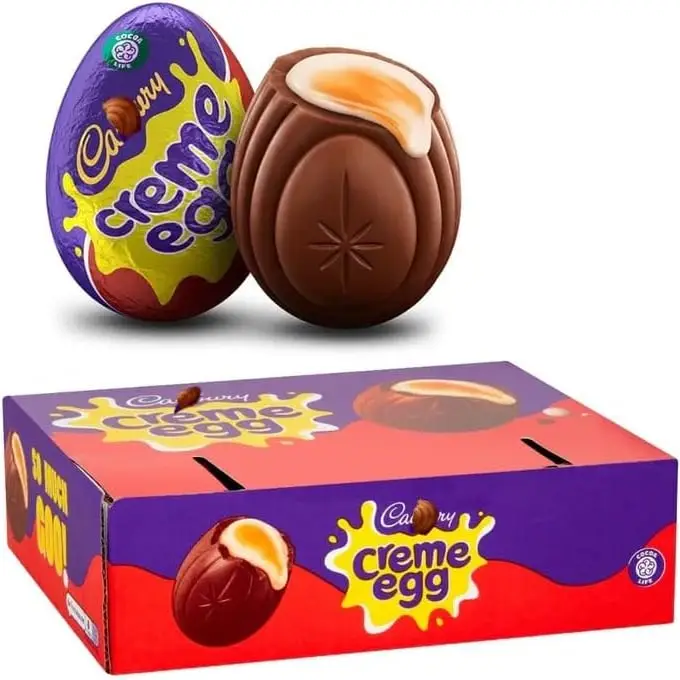
The indulgent Easter treat, consisting of a milk chocolate shell filled with a gooey fondant centre, is designed to resemble a real chicken egg, and has been a seasonal staple since 1971.
Debate has raged over the years: what’s the best way to eat yours? Many will claim it’s peeling back the technicolour foil like a banana and eating it from the top down.
Others will declare themselves as slurpers who like to bite the top off the egg and suck out the rich ‘goo’, while some will prefer to eat theirs as a McDonald’s McFlurry topping.
But have you ever wondered how the spherical wonder is actually made?
Cadbury lifted the lid last year, delivering an insightful video on how the Creme Egg goes from rich, melted Dairy Milk chocolate to the sweet treat we all know and love - and social media users are obsessed.
“I could just stick my head under that pouring chocolate,” commented one Instagram fan.
A second responded: “We had always wondered and now we know, thanks so much!!”
“Hang on a minute, as interesting as that is, I was told Cadbury have chickens that lay chocolate eggs,” someone else joked.
£38.98
£34.99
The Cadbury Creme Egg making clip began with melted cascading Dairy Milk chocolate being funnelled into a large metal vat.
The decadent delight was drizzled out by another machine, crucially making sure that every half-egg mould was filled to the brim.
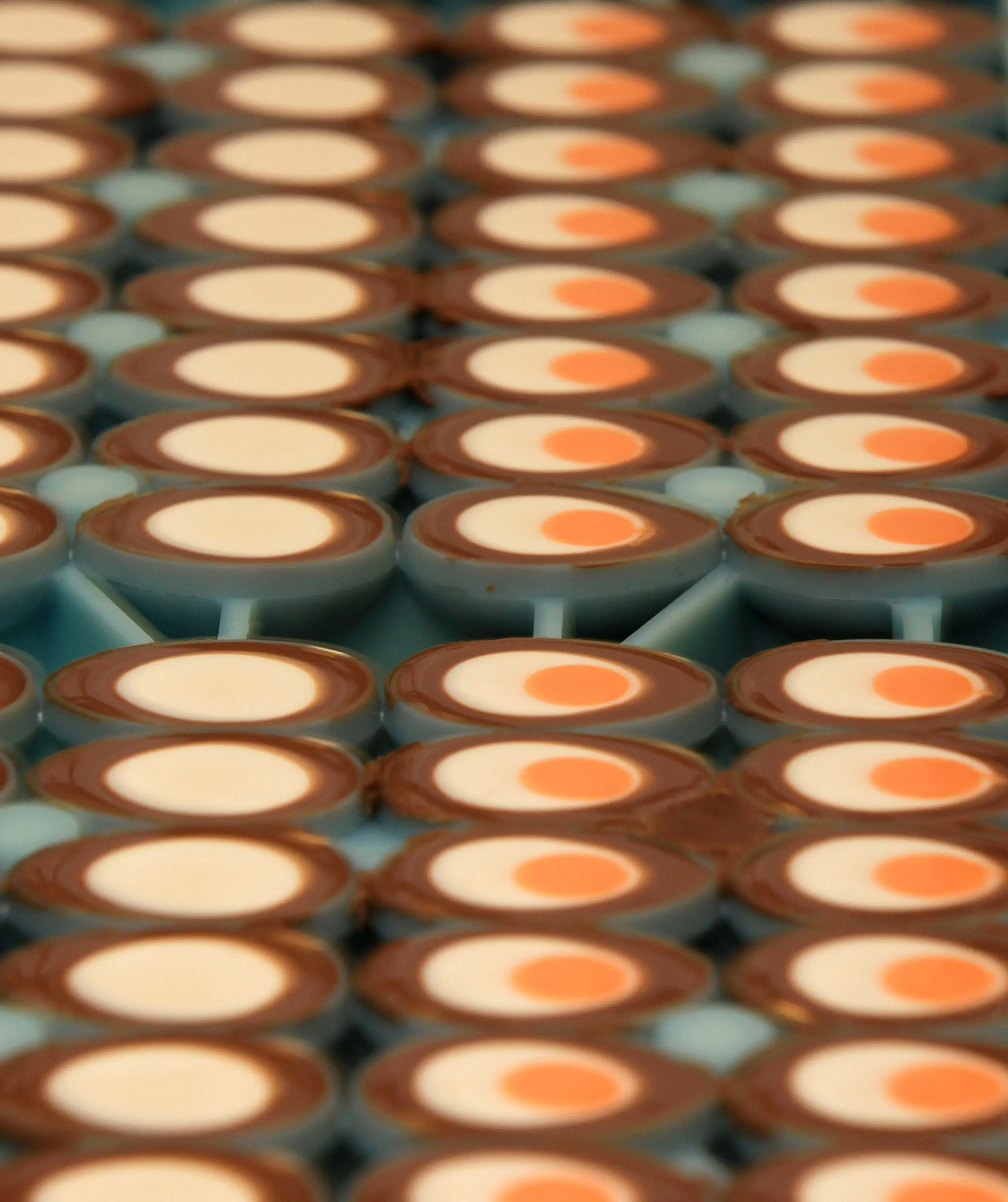
Moving along the conveyor belt, one half of the Easter surprises got an injection of soft, white fondant. The other portion received the goo as well as a yellow portion to mimic the yolk.
If you’ve ever wondered what ingredients are used to make the fondant, then you’re not alone.
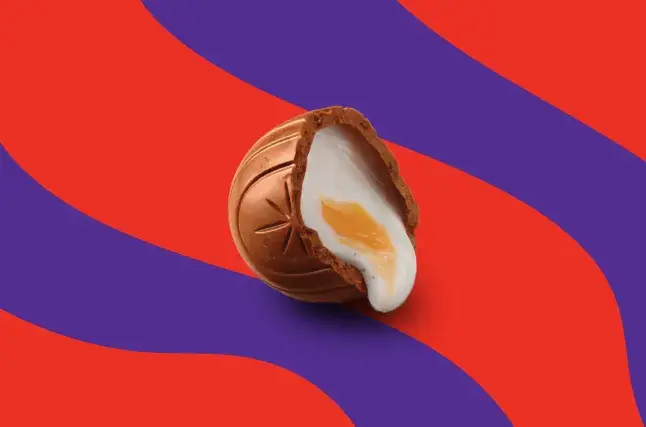
According to Cadbury UK’s website, it consists of: sugar, milk, glucose syrup, cocoa butter, invert sugar syrup, whey powder, cocoa mass, vegetable fats, emulsifier, dried egg white, flavourings and colour.
Once the perfect amount of chocolate and fondant had been achieved, another Cadbury factory robot smacked the two halves together.
Thus, the Cadbury Creme Egg that we all know and love is made.
Following the assembly process, each of the 40g pleasures was wrapped in foil and transported through the factory on various conveyor belts before being loaded into big boxes.
Once the boxes are signed and sealed, they’ll be shipped to supermarkets across Britain - ready for tuck-in time.
In the eventuality that you’re not a Creme Egg fan, there’s always Cadbury Mini Eggs to fall in love with this Easter.
Fans of the dinky speckled eggs can either get their fix via a neat shopping hack or head to their local McDonald’s to pick up a Cadbury Mini Egg frappe.
Topics: UK Food, Social Media, Instagram
 Ella Scott