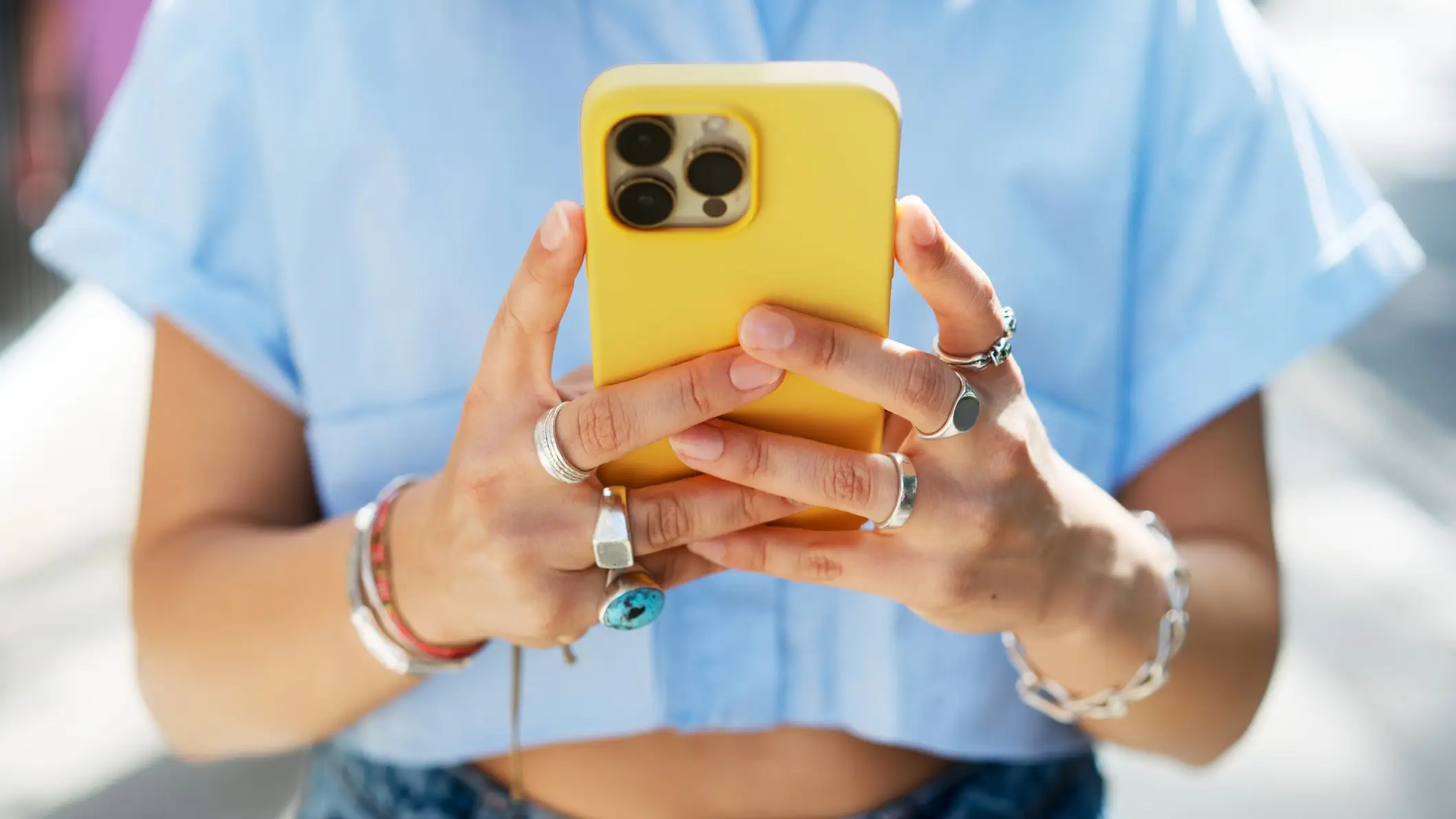
Phones can now legally replace physical ID when buying alcohol

People in England and Wales can now use their phones to prove they are old enough to buy alcohol, after new rules came into force allowing licensed businesses to accept certified digital proof of age.
The change took effect on Tuesday 15 September, as confirmed by the government website.
Pubs, restaurants, shops, music venues and other licensed premises now have the option of accepting digital identification alongside traditional physical ID for serving booze.
Customers can now prove they are over 18 without having to produce a driving licence, passport or other physical document, if they opt to use an approved service.
Advert
The government says the system could also reduce the amount of personal information customers need to show when undergoing an age check.
Digital Government Minister Stephanie Peacock said the change would give people greater choice over how they prove their age.
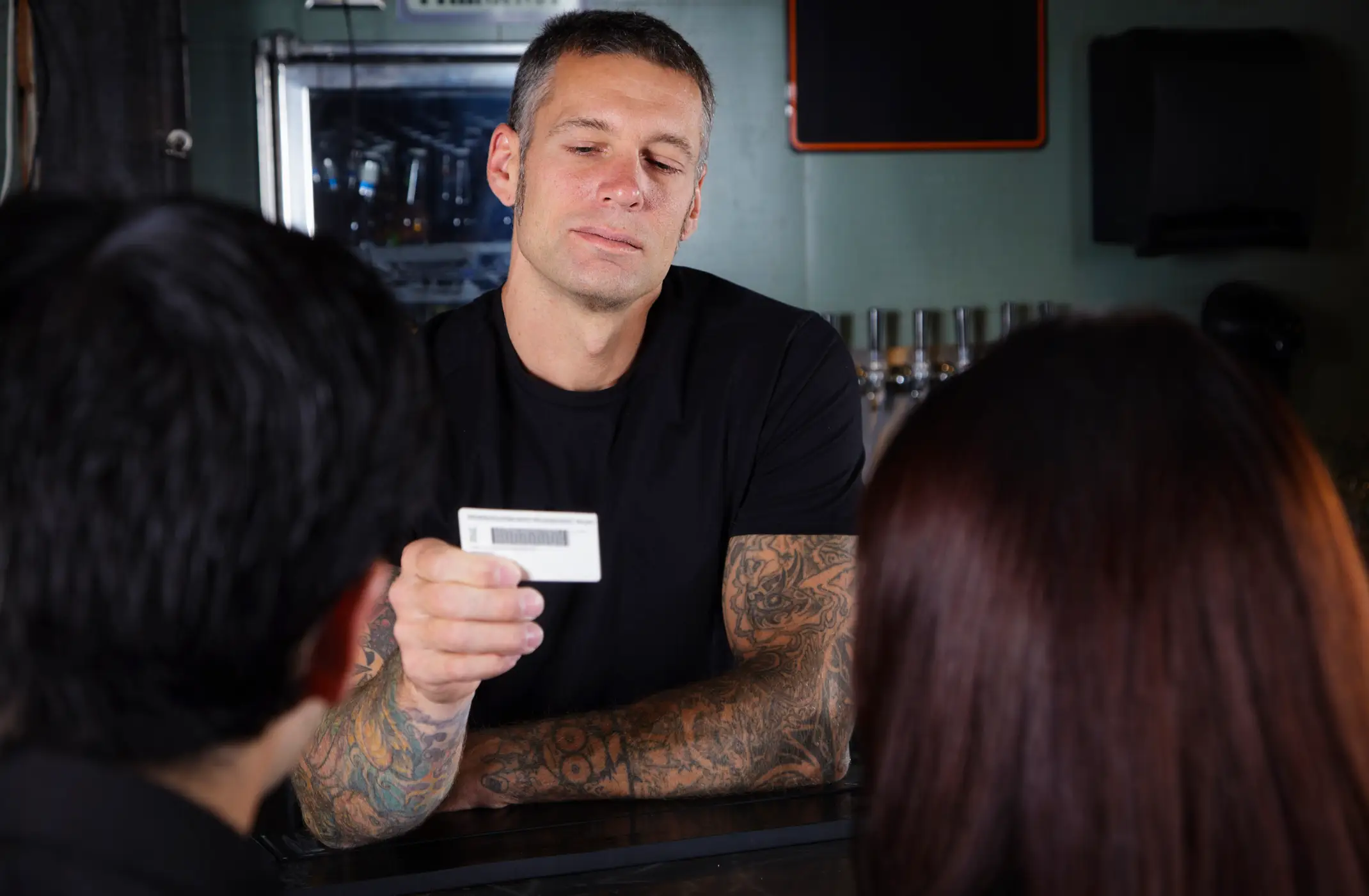
“Licensed businesses carry out millions of age checks every year,” she said.
“It will remain an individual or business’ choice whether to use or adopt it, and physical ID will remain a valid way for customers to prove their age.”
However, one key thing to note is that the new system is voluntary, so customers shouldn't assume that every pub or shop will accept a digital ID.
Businesses can continue to use physical identification if they wish, and it is up to individual premises whether they introduce digital age verification.
One option is for customers to show a QR code for a member of staff to scan or tap their phone against a compatible reader.
Staff would then receive confirmation that the age check had been passed.
The digital services must meet government standards and be certified under the UK Digital Verification Services Trust Framework.
The government says certified services check that an identity document is genuine and belongs to the person presenting it, which could help reduce the use of fake or borrowed identification.
The hospitality industry has welcomed the move. Allen Simpson, chief executive of UKHospitality, described digital proof of age as 'a positive step', saying it would provide greater flexibility and convenience for customers and businesses.
He said the voluntary system should make it easier for customers to verify their age securely from their phones, while calling for the roll-out to be 'cost-efficient and not burdensome for the hospitality sector'.
Technology industry body techUK also backed the change.
Chief executive, Julian David OBE, said digital identity could become a practical part of everyday life.
“We welcome the coming into force of digital identity as a trusted way to prove your age when buying alcohol,” David said.
The change comes after a government consultation was held in 2024, where 72 per cent of respondents supported using digital identities.
Digital proof of age is an additional method rather than a replacement for the established system of checking physical identification.
The technology is also separate from the government's digital driving licence and GOV.UK Wallet.
However, the government says the wallet will eventually be one of the ways people can prove their age digitally when buying alcohol.
Robin Tombs, co-founder and chief executive of digital identity company Yoti, called the change a 'landmark moment for digital identity in the UK'.
He said businesses could begin accepting services including Yoti ID and Post Office EasyID, while customers could share only the information needed to establish their age, depending on the service being used.
Jason Sheehy, Post Office head of identity, said certified digital age verification would give customers a 'convenient, secure and privacy-preserving way to prove their age'.
He also said common standards and compatibility between services would be important if digital proof of age is to become widely accepted.
For customers, the immediate change is relatively simple, but they should check first that the venue they're attending accepts the phone as a valid method before they leave their driving license or passport at home.
 Jen Thomas