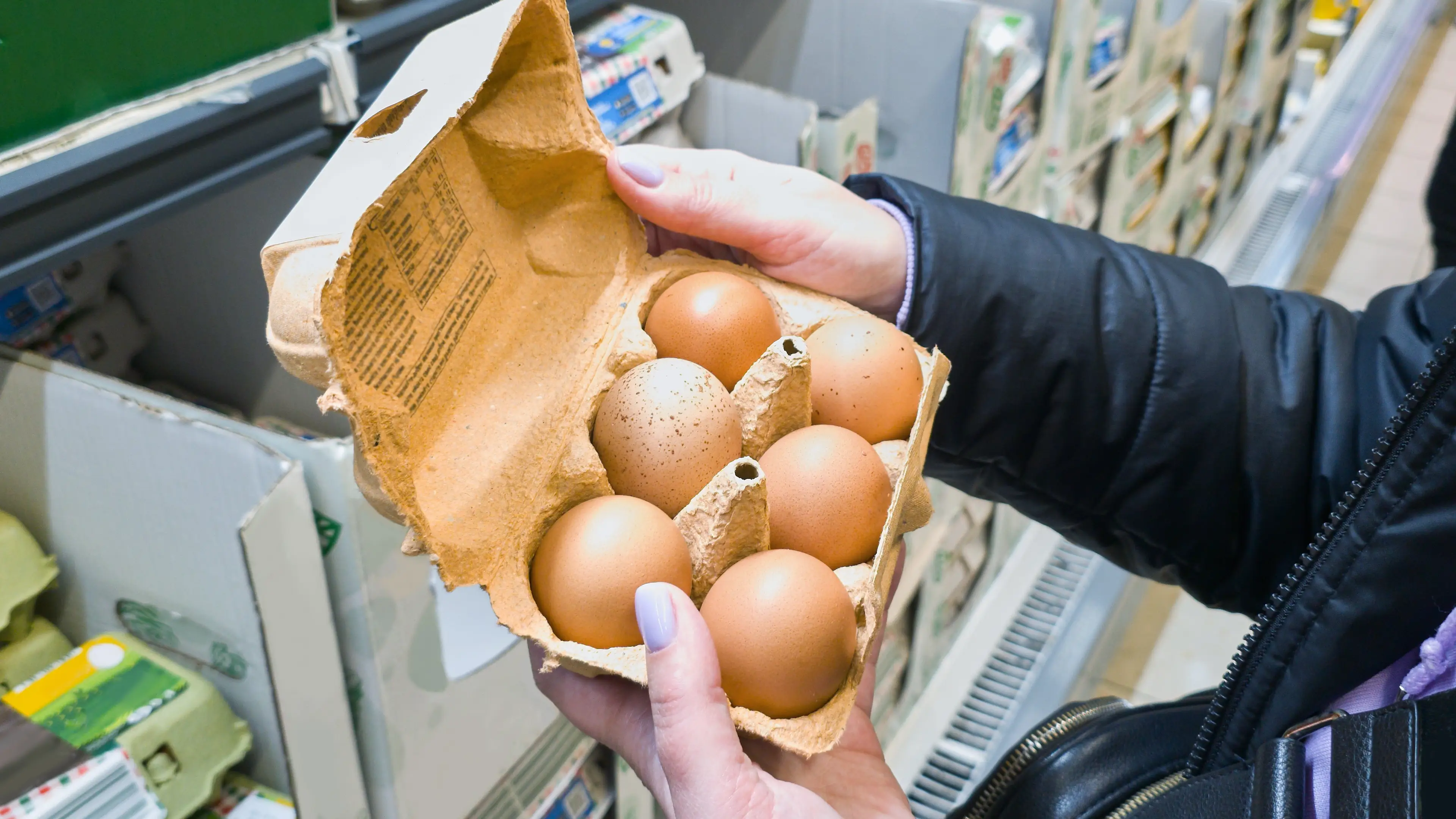
What you should always look out for when buying eggs for 'best welfare'

Have you ever headed to the egg aisle and wondered which eggs would be considered ‘the best’ for you to purchase?
We’re not necessarily talking about the cheapest, the largest, or the ones neatly placed inside colourful cartons with punny names — we mean which eggs are laid by hens living the healthiest lives that they possibly can.
A previous YouGov survey suggested that well over half (59 percent) of UK adults who habitually purchased eggs said animal welfare and free-range labels were important to them.
If you’re someone who believes egg-laying hens shouldn’t have to suffer for your morning omelette, then you may want to know which cartons you should be seeking out at supermarkets, and which ones you should leave on the shelves.
Advert
The British Hen Welfare Trust, a national charity that rehomes commercial laying hens and encourages support for British free-range eggs, has previously shared a handy guide to ‘UK egg production’.
Colony, barn and free-range differences
Right now, there are four different types of egg production systems in operation across the country, including colony or enriched cages, barn, free-range, and organic.
The former sees around 80 egg-laying chickens being held in cages with scratch mats and low perches with no access to the outside world.
Barn chickens also live in large flocks with no free time to frolic in the fresh air.
The third egg production system, free range, means chickens must have ‘continuous daytime access to open-air runs’ for ‘at least half of their lifetime’ and generous space in which to move.
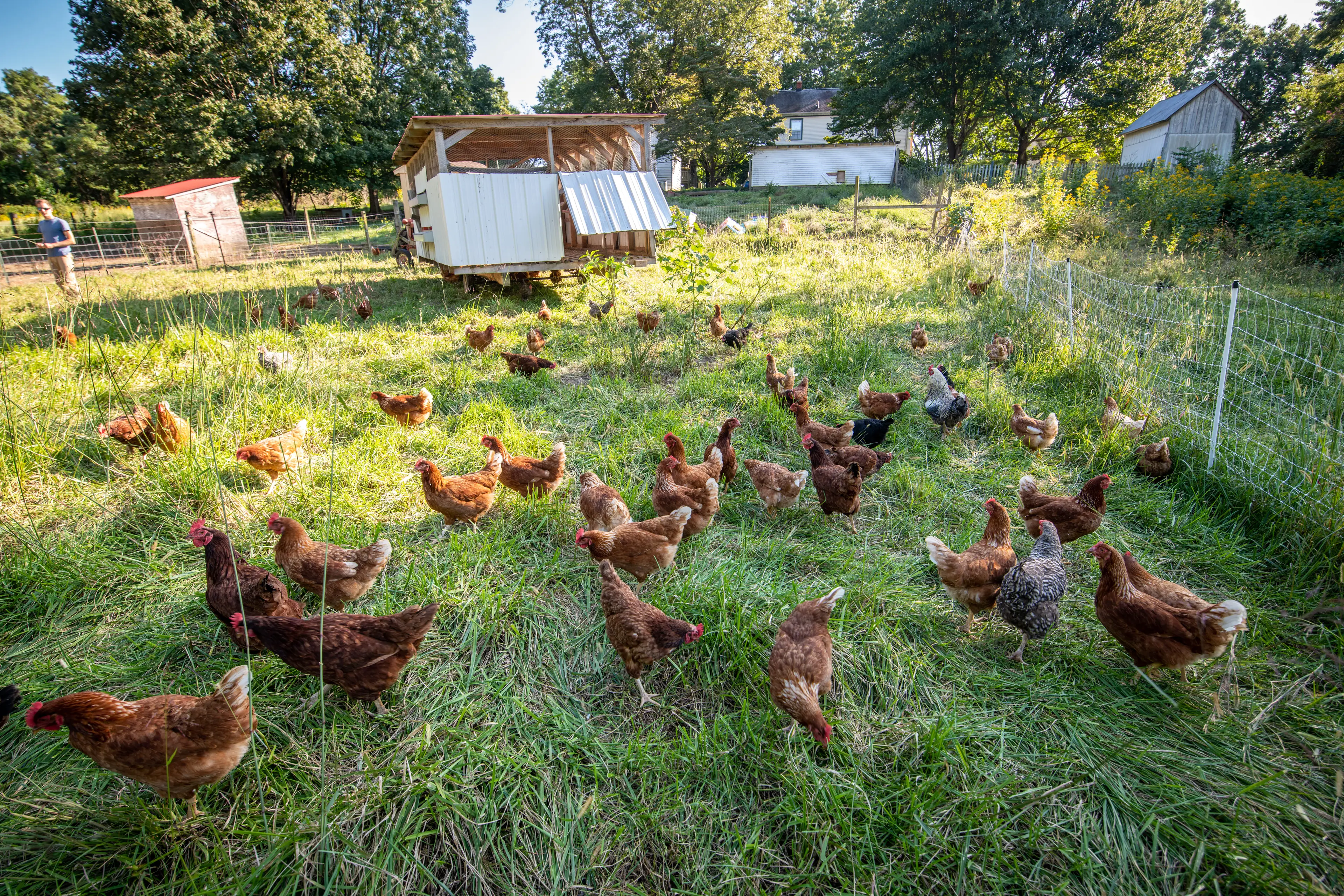
Free-range farms need to rest its range for two months before introducing another flock.
However, if the Department for Environment, Food and Rural Affairs (Defra) - which has regulated the ‘free range label’ since 2007 - declares a poultry lockdown, then the animals can be kept inside for the duration of their lives yet still carry the ‘free range’ stamp.
Why organic eggs are the ‘best’ for hen welfare
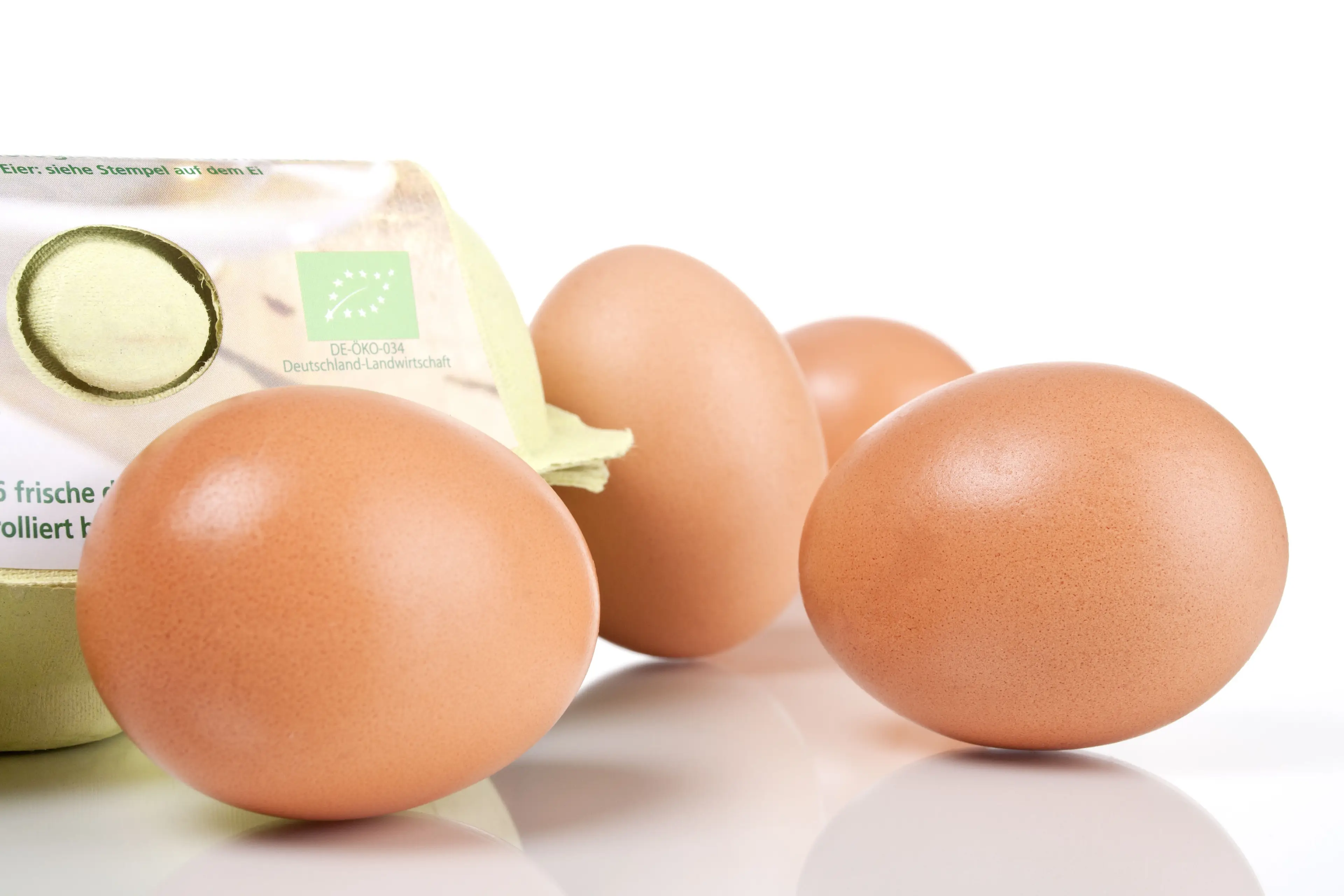
If you want to purchase eggs for ‘best welfare’, then you should always look out for boxes carrying an 'organic' label, according to the British Hen Welfare Trust.
The charity expressed how organic systems offer ‘the best welfare for laying hens’ as they must be allowed 24/7 access to organic land and offered an ‘organically produced’ and genetically modified-free diet.
“Hens must have nest boxes and perches, and there must be no more than six hens per square metre of usable area,” a note on the website reads.
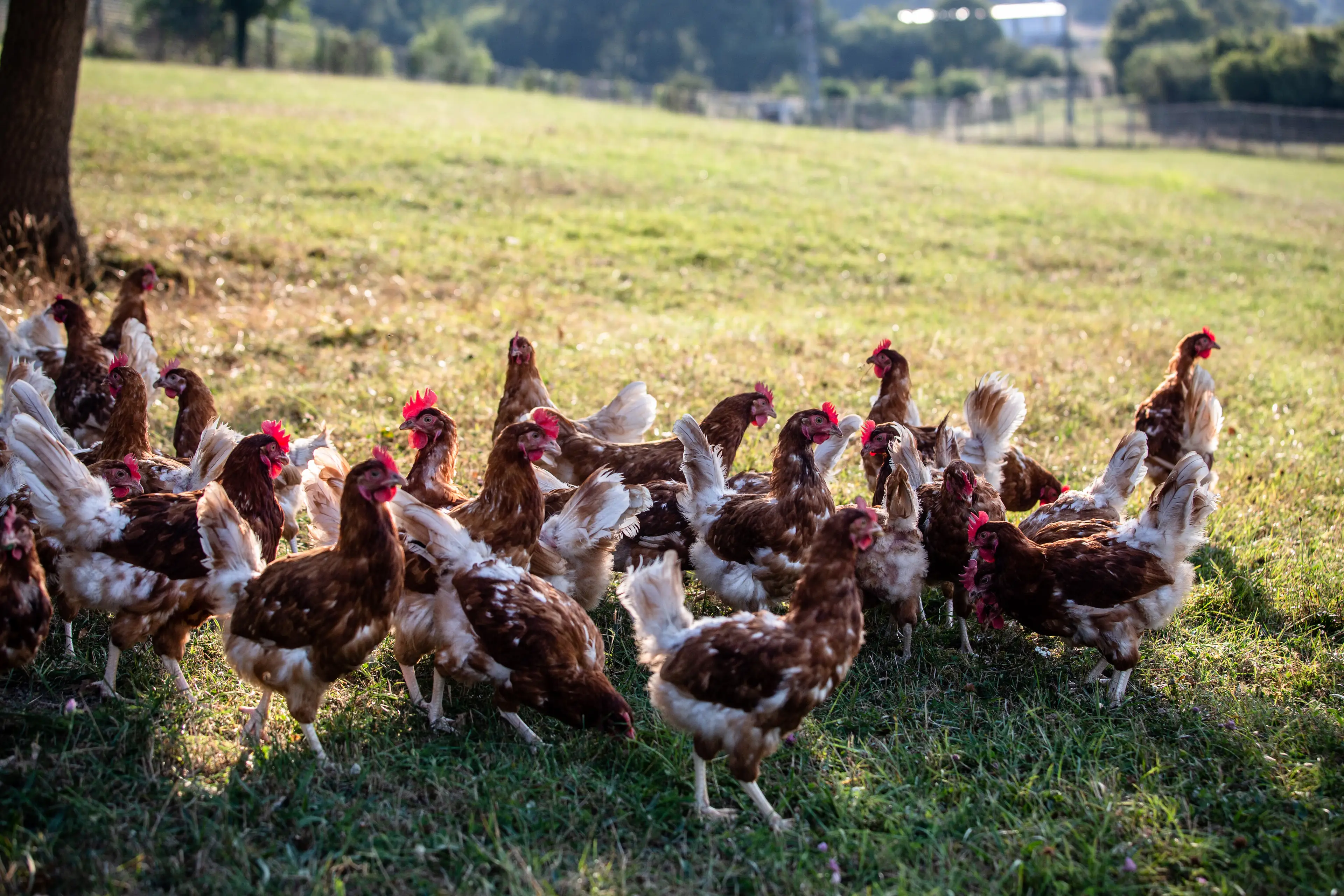
Meanwhile, the Soil Association said that all eggs carrying the ‘organic’ seal will have been laid by hens ‘raised to the highest welfare and environmental standards in the UK’.
This includes being reared in smaller flocks, going outside at a younger age, and the range itself being rested for at least nine months between flocks to allow vegetation to grow back and ‘prevent the build-up of disease in the soil.’
The routine use of hen antibiotics is also banned by organic standards.
Health benefits of eating organic eggs
Choosing to purchase organic eggs is not only beneficial to the hens that lay them but also to your health, according to one study.
Research published in the Frontiers in Nutrition journal suggested that those who consumed organic eggs had lower levels of inflammatory markers than those who opted for eggs from different production systems.
Experts also found that those who ate the better welfare eggs had higher serum concentrations of powerful antioxidants, including lutein.
The latter ‘confers promising benefits against numerous health issues, including neurological disorders, eye diseases, skin irritation’, as per a 2021 study published in the Food and Chemical Toxicology journal.
Researchers said that while ‘laboratory studies point out that organic eggs have a more desirable nutritional profile than conventional eggs’, further investigation was needed.
Sainsbury’s transitioning from brown to white eggs
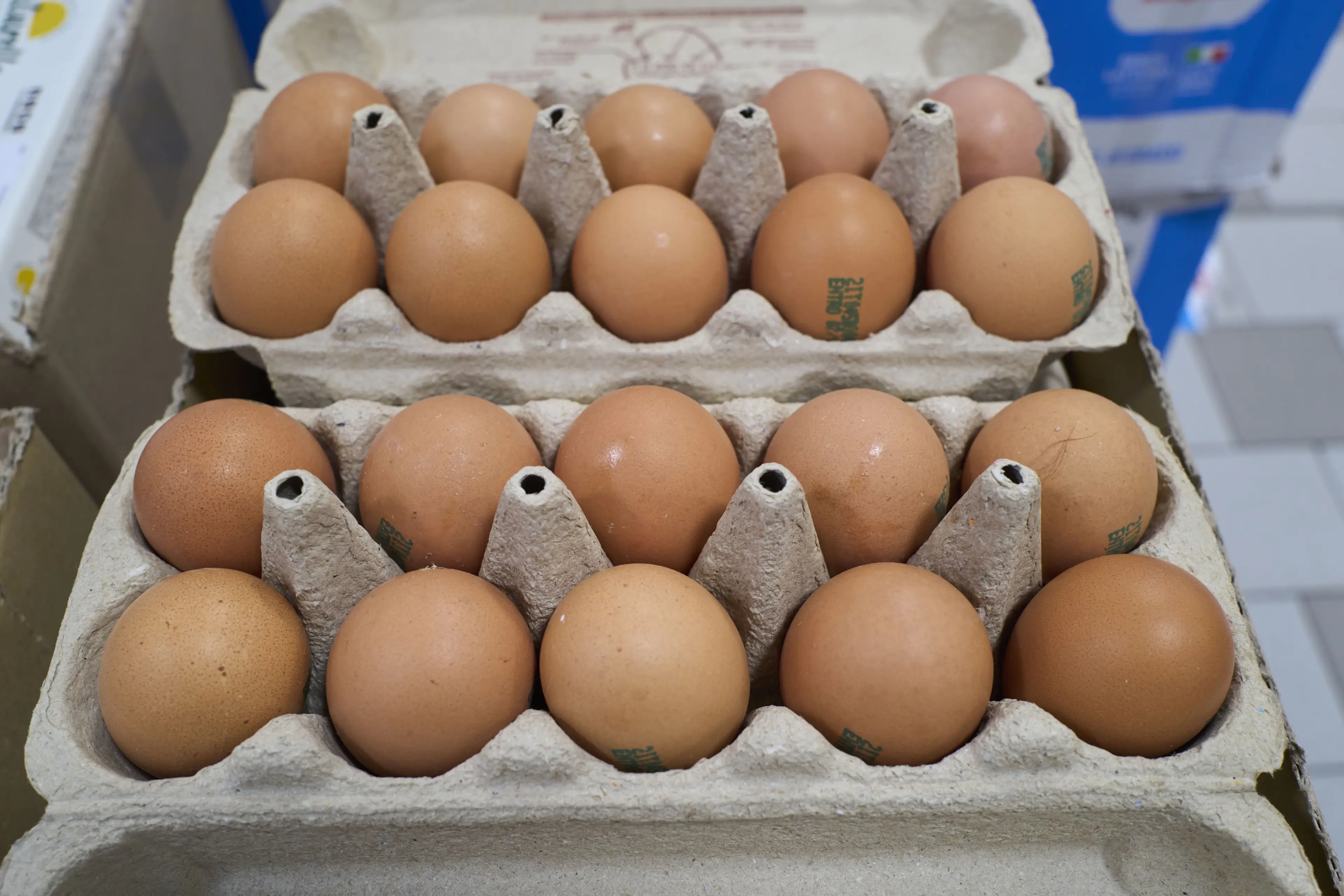
Sainsbury’s recently announced plans to ditch brown-shelled eggs in a bid to meet its ambitious net-zero goals by 2035.
The supermarket chain’s own-branded eggs, which some shoppers have apparently been switching out for more expensive versions, will eventually all be white as the hens that lay them produce 12.7 percent fewer emissions than brown hens.
It’s understood that the white hens, including White Langhorns, have a longer laying life and require less feed for the same egg output, as per the business.
“White eggs have the same delicious taste and nutritional benefits as their brown counterparts, but result in lower emissions and better welfare outcomes for the hens that lay them,” a Sainsbury’s spokesperson said.
“We know Brits love their eggs and, as we work with suppliers to transition all our own brand to white shells, they can now enjoy them knowing they are better for the environment and the hens.”
White eggs were popular in Britain up until the 1970s, but they fell out of favour when false claims about bleaching and them being ‘less nutritious’ than their brown-shelled sisters became common rhetoric.
Instead, white eggs ‘simply offer a way to produce the same great eggs with a lighter environmental footprint’, said Sainsbury’s.
 Ella Scott