
Bear Grylls claims vegan diet 'nearly wrecked' his health as he says family will 'never go back'

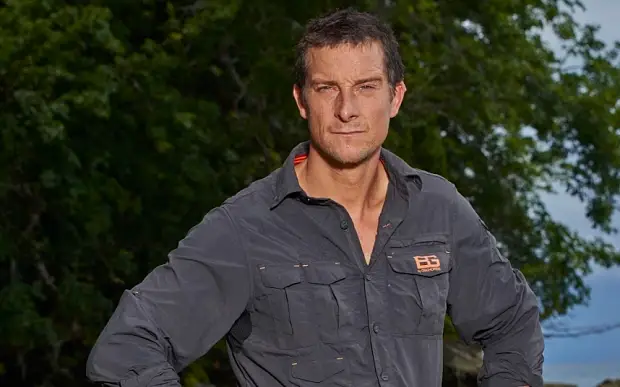
Bear Grylls has come clean about why he and his family decided to ditch eating a plant-based diet, claiming that his son’s eyes appeared ‘brighter’ after they were advised to start eating organ meat.
On an episode of the Health Optimization Podcast with Tim Gray, the UK’s leading biohacker, the former SAS trooper admitted he and his family avoided meat, dairy, and other animal-based products for around five years.
The diet decision was made for environmental purposes and partly in response to his father, politician Sir Michael Grylls’death from high cholesterol at the age of 66.
However, he and his clan have since reverted to eating meat; the adventurer claims a plant-based diet almost totally ‘wrecked’ his health.
Advert
“I got basically skinny, sick, and weak and then slowly got educated,” the 52-year-old said on the popular podcast.
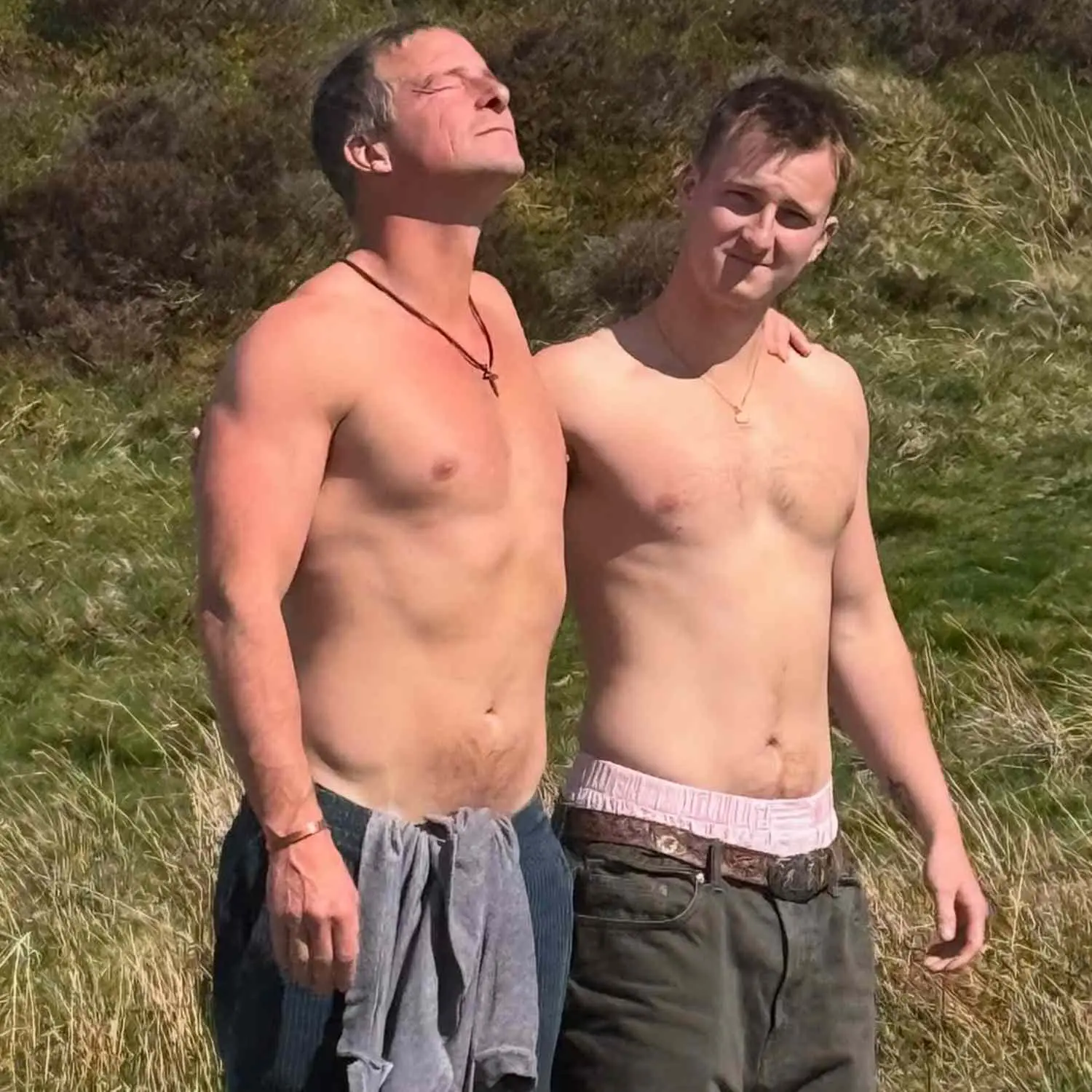
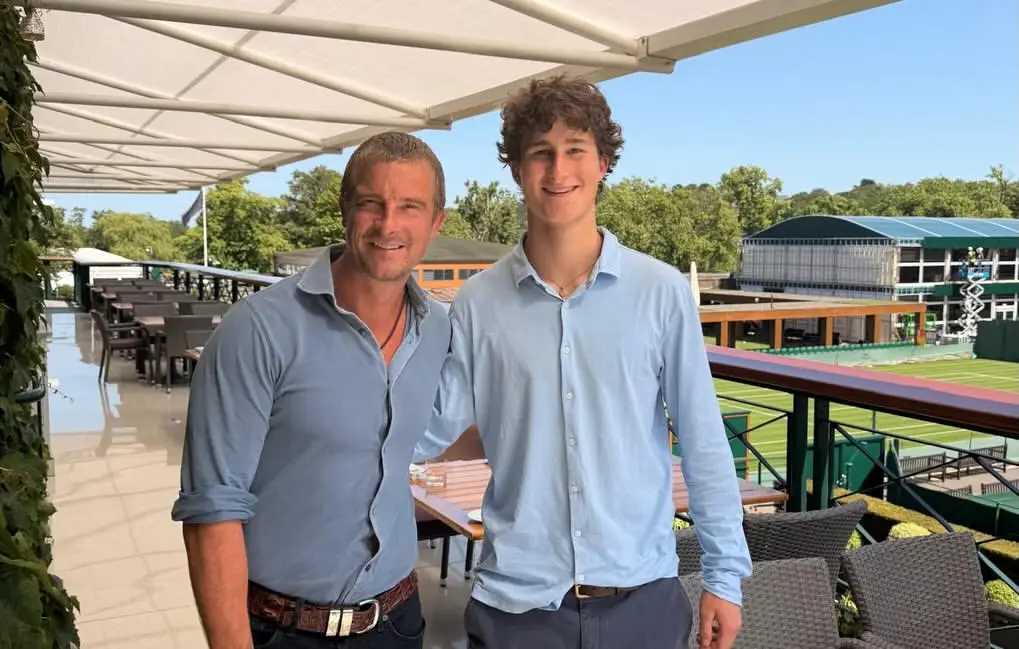
He alleged one of the catalysts for the change was his son, Jesse, 23, who ‘struggled’ with his skin and stomach when he was eating a vegan diet at 15.
Grylls was reportedly told that because of his child’s issues, he and his family should probably start eating ‘nutrient-dense organ meats’, such as liver.
Liver, which is high in protein, provides the body with essential nutrients, including iron and vitamin A.
Overconsumption can lead to serious physical side effects, including vitamin A toxicity and copper overload.
“I thought, ‘hold on, but this is the opposite’. The more we learnt, the more we realised that it was actually write,” Grylls continued.
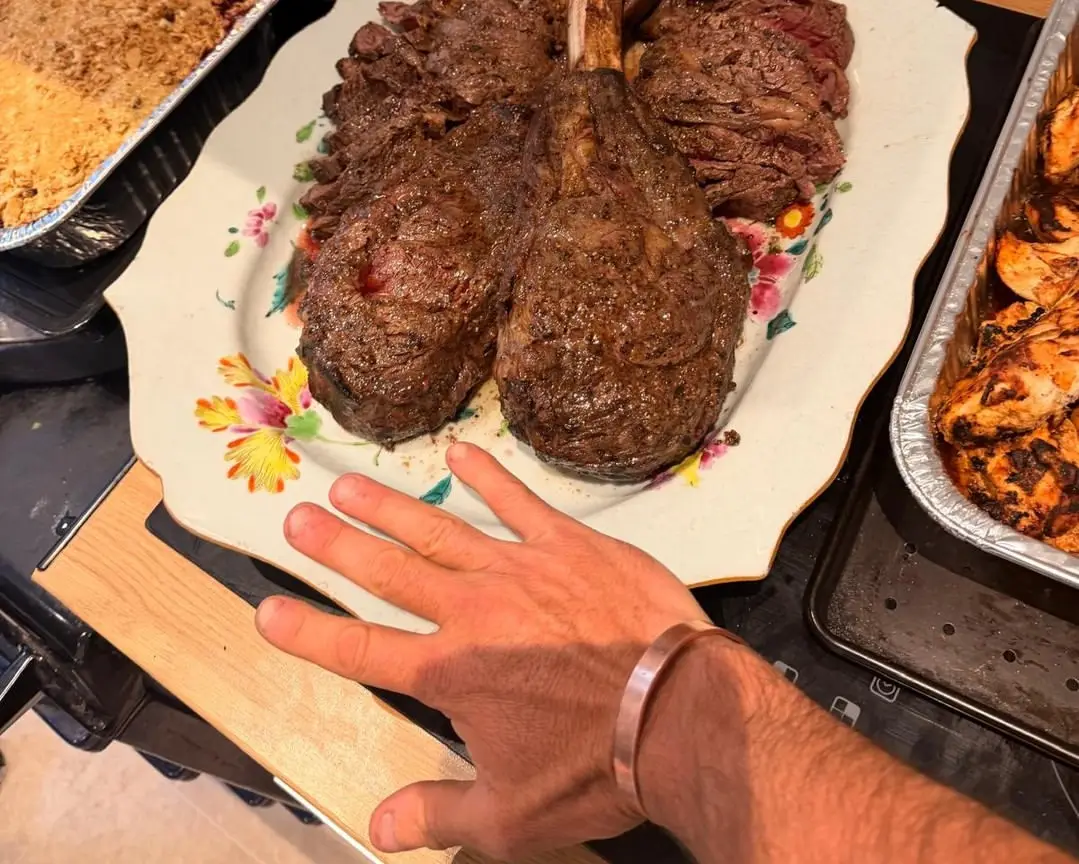
“I went away filming. I came back. Jesse was there. Two massive T-bones, butter, salt. I walked in and went ‘Wow! You look amazing. Your eyes are bright. Your skin’s cleared up’.”
Grylls added that he believed veganism can not only be a ‘disaster’ for health, but also for the environment.
“It is how we have evolved for hundreds of thousands of years to thrive on natural food,” he added.
Research published in Nature Food has suggested that vegans have just 30 percent of the dietary environmental impact of high-meat eaters.
“We found that even the least sustainable vegan diet was still more environmentally friendly than the most sustainable meat eater’s diet,” Postdoctoral Researcher, Oxford Martin Programme on the Future of Food, University of Oxford, wrote via The Conversation.
“In other words, accounting for region of origin and methods of food production does not obscure the differences in the environmental impacts between diet groups.”

Instagram users debate Bear Grylls' vegan comments
Grylls’ comments on veganism, including the fact he and his family will 'never go back' to the meal plan have divided users, with some calling the father-of-three’s opinions ‘ridiculous’.
“Maybe veganism didn’t worked out for you.. but it is still the best lifestyle till date,” one Instagram user wrote.
A second said: “Mmmm.. I’ve never eaten meat and I am fitter / healthier than most people I know around my age (mid 40’s).”
Someone else remarked: “You can get all the nutrients from a vegan diet. It's just that you didn't take enough time to research about it.”
Others have agreed with The Island icon, leading one to write: “It's almost like God made us omnivores and made animals nutritious and delicious.”
“Meat and organs are the core of eating towards more overall health,” another claimed.
A third added: “Humans are omnivores not solely herbivores nor carnivores. You need both meat and vegetables/fruits to be healthy.”
Expert advice for following a vegan diet
Rhiannon Lambert, one of the UK’s leading nutritionists, explained to Women’s Health Magazine that plant-based diets offer ‘numerous health benefits, which can contribute to overall well-being and reduce the risk of various diseases’.
“Extensive research suggests that a plant-based diet can enhance longevity and lower the risk of certain health conditions such as cardiovascular disease, type 2 diabetes and some cancers,” she explained.
However, due to the chance of nutrient reduction, vegans have to ‘carefully’ choose items to avoid deficiencies.
“Some individuals may experience digestive discomfort following a high-fibre diet especially if fibre intake is increased rapidly.
“Therefore, it is important to slowly introduce any dietary changes such as increasing your intake of plants,” the expert warned.
These nutrients include vitamins D and B12, iron, and omega-3.
The latter can be found in walnuts, chia seeds, and flax seeds, while iron-rich plant-based foods include tofu and lentils.
Fortified foods, such as milk, cereal, and mushrooms, are a good source of vitamin D, whilst vitamin B12 can be found in fortified plant milks.
 Ella Scott