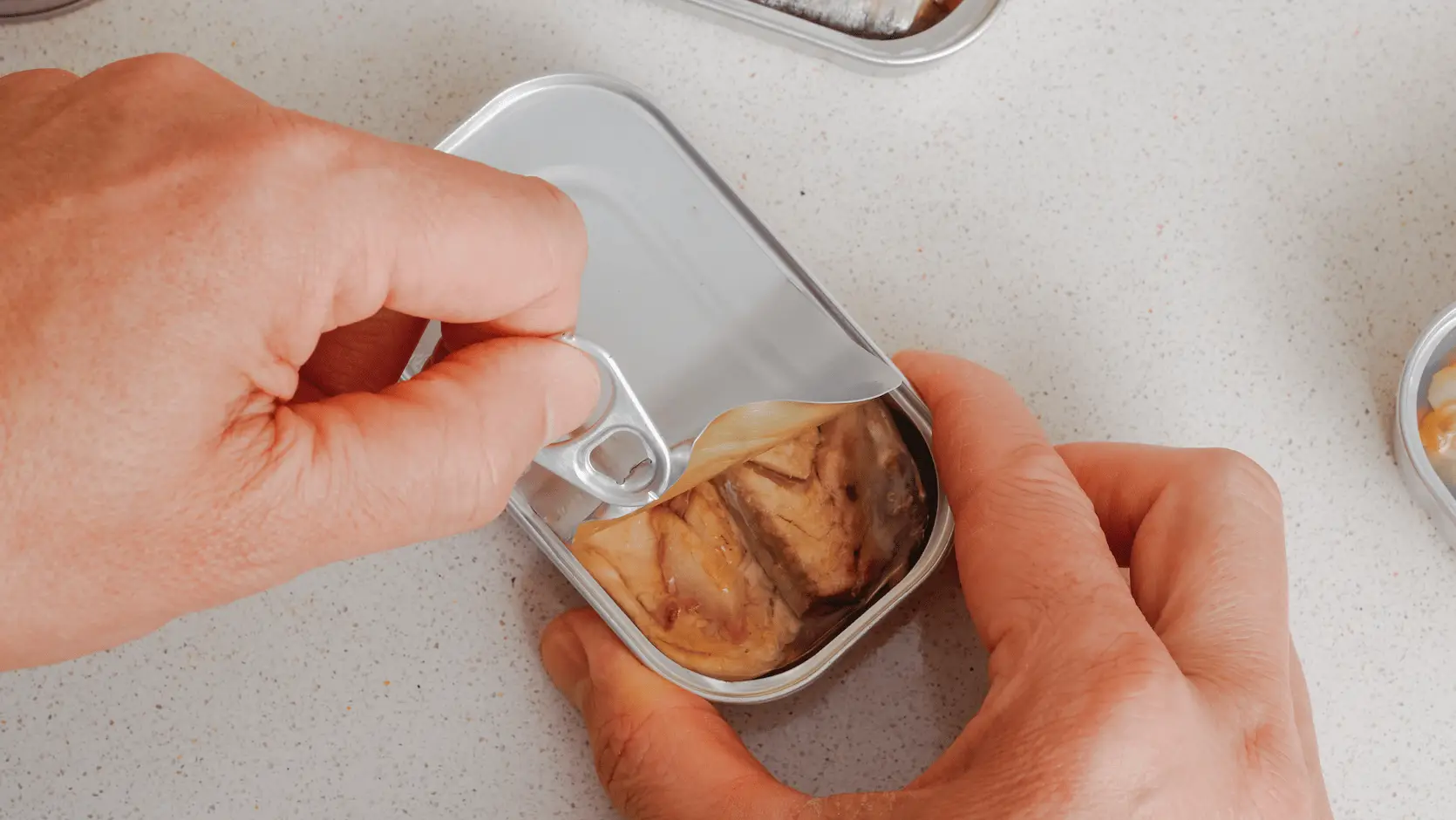
Warning to anyone who eats tinned mackerel

If you’re eyeing up that tin of mackerel in the cupboard for your lunch or dinner today, you might want to take a closer look at the label.
It turns out that it might not actually contain any mackerel at all, which is no good if you're monitoring your omega-3.
A recent investigation by the Financial Times has revealed that several British supermarkets and brands have switched from traditional North-East Atlantic mackerel to Chilean jack mackerel.
While it still has the word ‘mackerel’ in the name, the two fish are not the same species, or even from the same family.
Advert
The change has reportedly been driven by growing concerns over the state of Atlantic mackerel stocks and years of disagreement between fishing nations over catch quotas.
Princes, which supplies branded fish to major supermarkets, switched its range to Chilean jack mackerel last year.
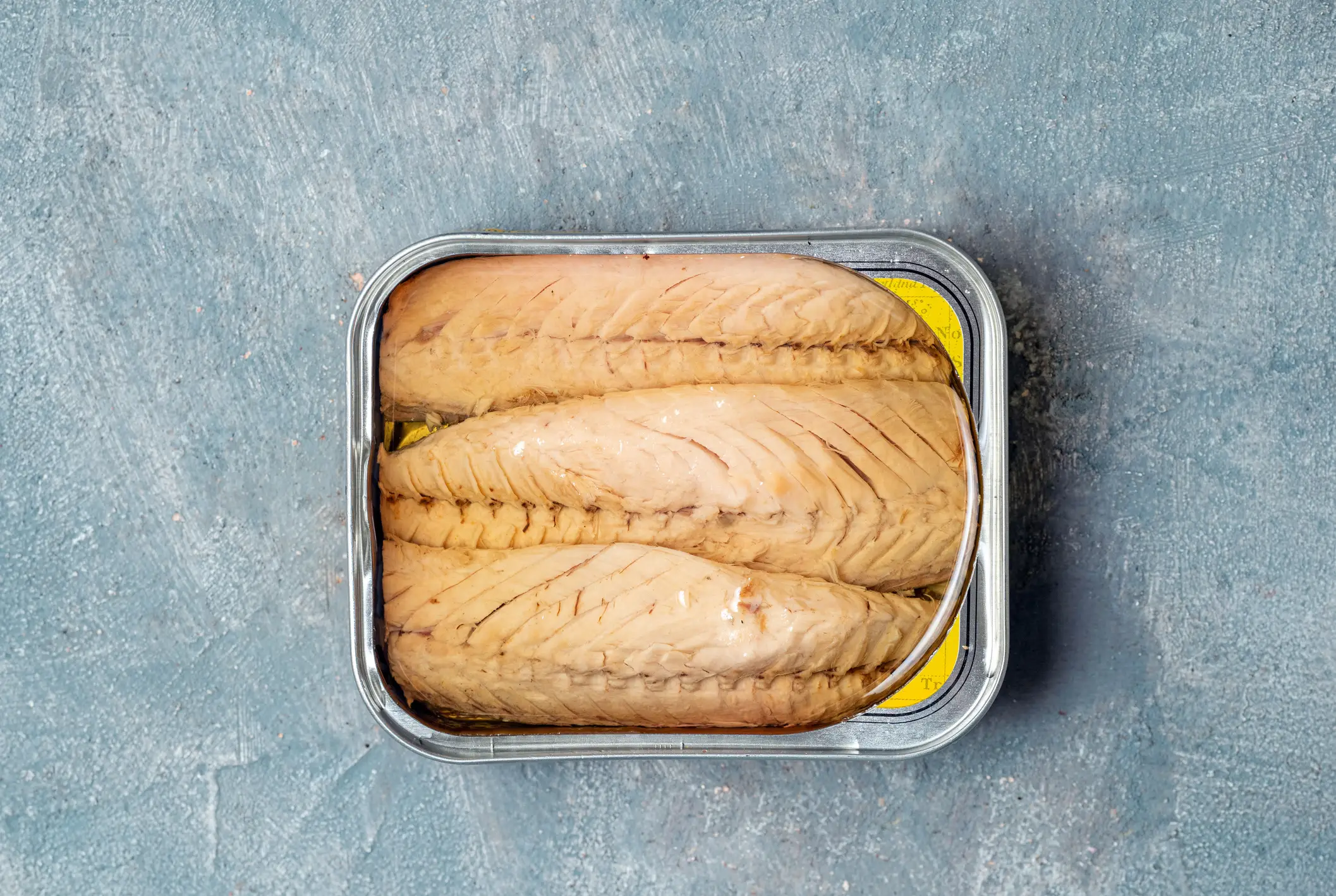
Lidl has also been moving towards the alternative, as has Tesco.
So what’s the difference, exactly?
You’d be forgive for thinking that surely mackerel is mackerel, but it turns out that the distinction matters quite a bit.
Jack mackerel has a meatier texture and a different flavour, but it also contains considerably less omega-3 than traditional mackerel.
The report alleges that Princes' packaging shows its jack mackerel contains roughly half the omega-3 of true mackerel, making the change crucial to people who buy the fish for the nutritional benefits or to hit their omega-3 targets.
The difference has already been noticed by tinned-fish enthusiasts.
Seafood reviewer Marcus Ansell, who has more than 650,000 Instagram followers for his account 'tinned fish reviews', was unimpressed after trying a new version.
In a video shared on Instagram, he said it ‘smells rather metallic... just like cheap rubbish tuna’.
There is also a question whether you’re getting your money’s worth, if the price of a tin doesn’t change.
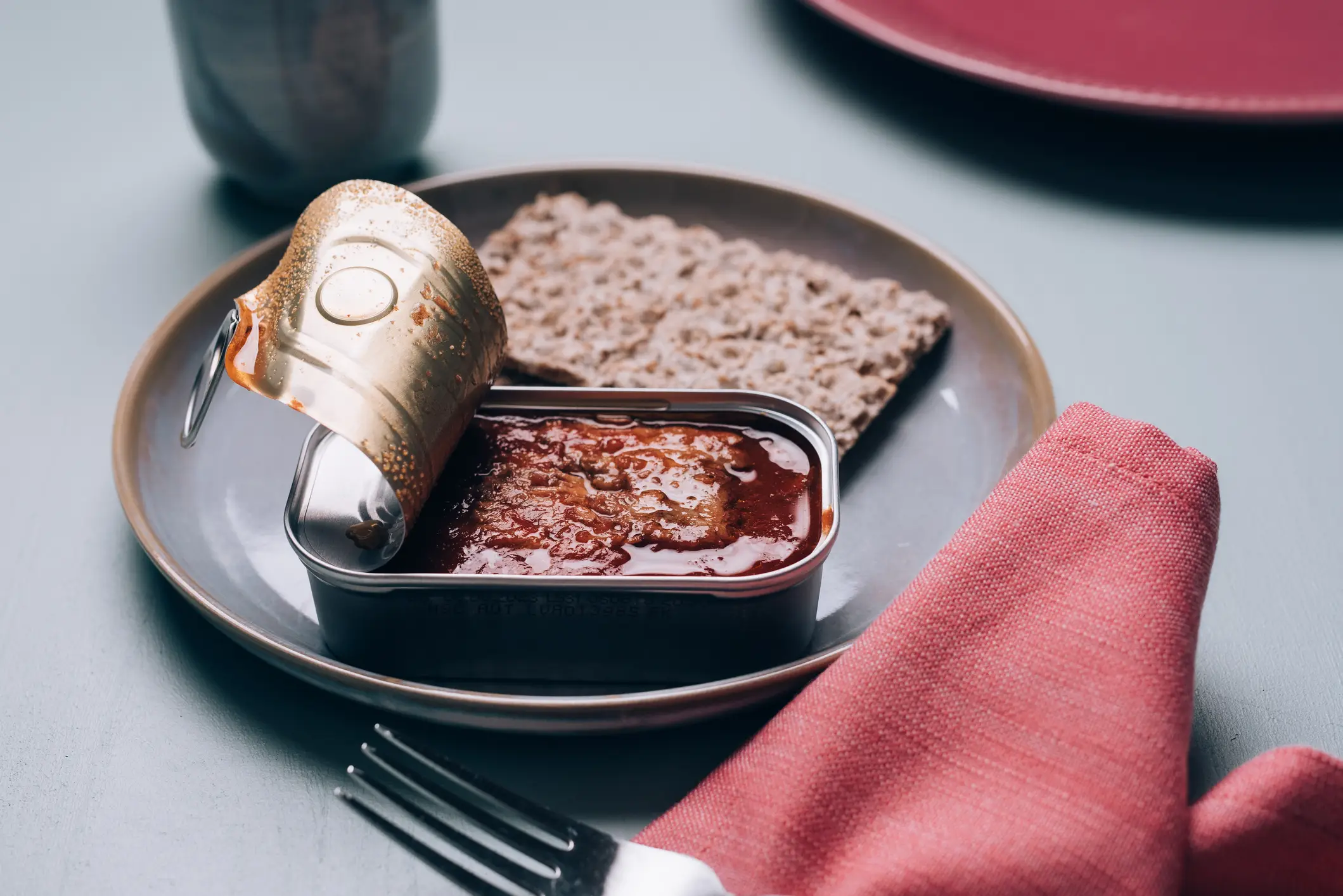
Chilean jack mackerel is considerably cheaper at wholesale level than North-East Atlantic mackerel, yet the retail prices remain surprisingly close.
According to the FT, wholesale jack mackerel costs roughly one-third as much as true mackerel. At Tesco, a tin of Princes jack mackerel has been listed at £1.75, compared with £1.95 for its true mackerel.
However, experts say the reason for the switch is not just about cost-cutting and scrimping.
North-East Atlantic mackerel stocks have suffered after years of fishing exceeding scientific advice.
The International Council for the Exploration of the Sea has warned of the seriousness of the situation, recommending that catches in 2026 should be no more than 174,357 tonnes
The dispute over fishing rights has become known as the ‘mackerel war’ involving countries including the UK, Norway, Iceland, the Faroe Islands and members of the European Union.
Climate change has also altered where the fish are found, adding another complication to an already difficult argument over quotas.
Jack mackerel is now seen as a more sustainable alternative.
Princes says it chose MSC-certified Chilean jack mackerel ‘following extensive product and consumer testing’ and insists that the species is “clearly identified” on its packaging.
For consumers, however, the change can be easy to miss.
The packaging may look familiar, the price may be similar, and the word ‘mackerel’ remains prominent.
Shoppers need to look specifically for ‘Jack mackerel’ if they want to know exactly what they’re buying and what they’re used to from the cupboard staple.
 Jen Thomas