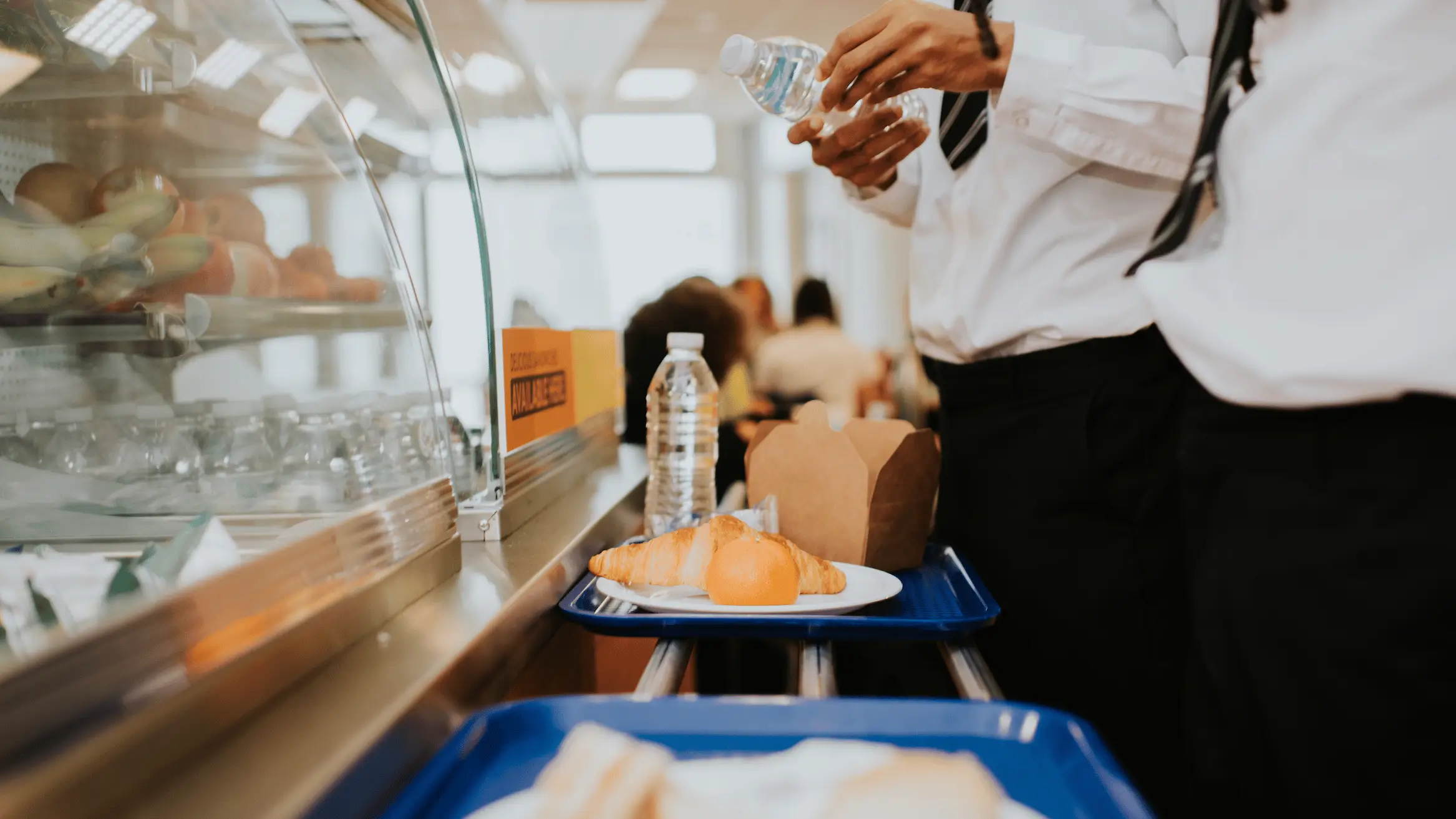
Government confirms full list of foods that will be banned in schools

School dinners in England are set for a major overhaul, with the Government revealing new rules that will see some familiar favourites disappearing from school menus and limiting others.
The changes are due to come into force from September 2027, subject to parliamentary approval, with some rules for UK secondary schools being phased in until September 2028.
The Department for Education says the reforms are intended to tackle poor diets, childhood obesity and tooth decay, while increasing the amount of fruit, vegetables, fibre and wholegrains children eat.
Education Secretary Lucy Powell described the reforms as 'once-in-a-generation changes', saying the Government wants children to have healthier meals that help them 'learn and grow'.
Advert
Jamie Oliver, who has campaigned for healthier school food for more than two decades, welcomed the announcement.
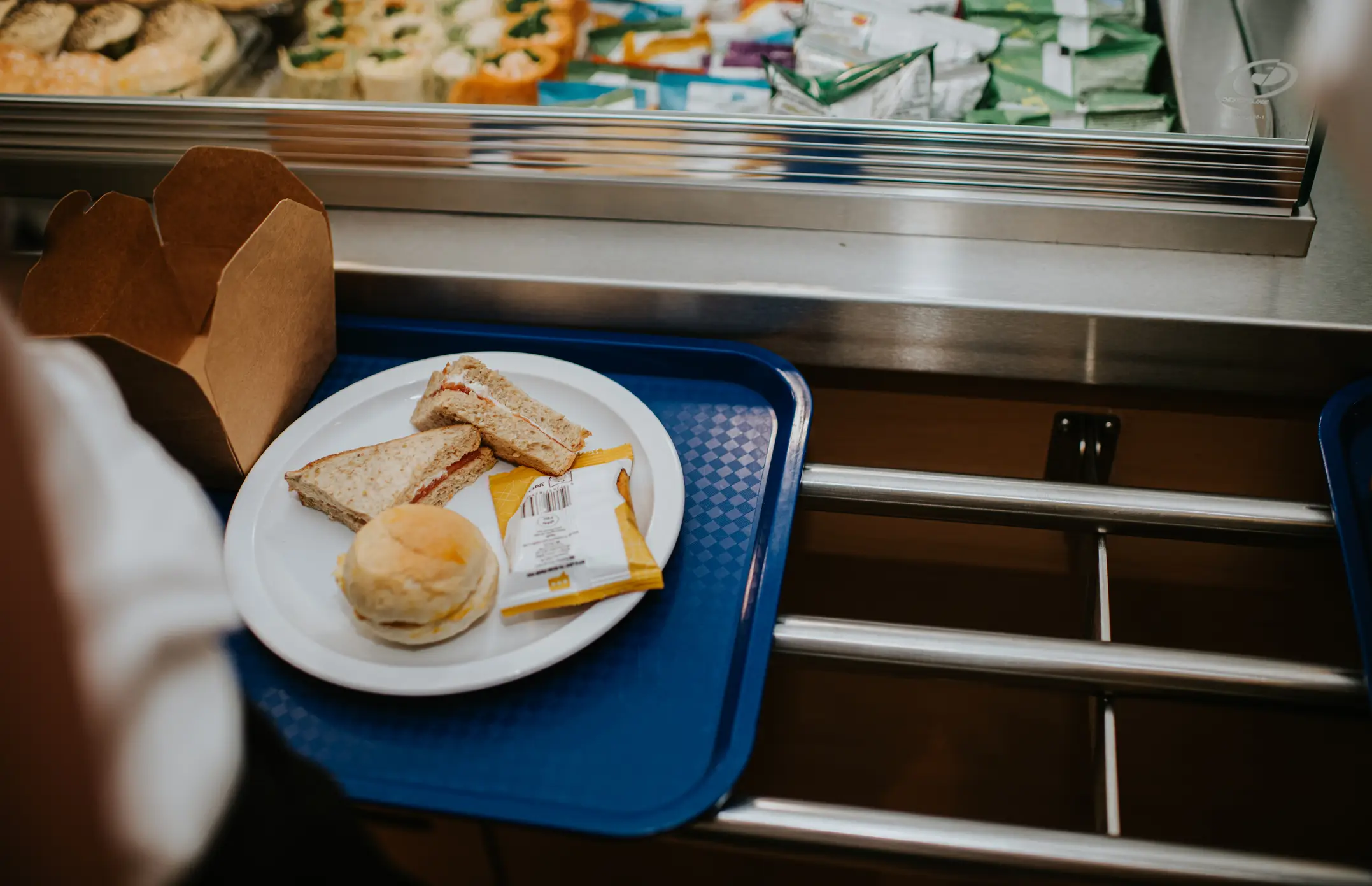
Calling it a 'brilliant day', he said the new standards would help ensure school food supports children's health and development
The Government says schools will publish their food policies and menus online and appoint a lead governor responsible for school food.
The aim is to make it easier for parents and pupils to see what is being served and hold schools to account.
The Government intends to confirm the regulations in October, with the new standards taking effect from September 2027 if Parliament approves them.
What food is being banned?
Perhaps the biggest change is a ban on deep-fried food.
That means traditional deep-fried fish and chips will disappear from school menus.
The rules do not, however, ban chips altogether, as baked versions can still be served.
Breakfast will also look different.
Pastries and fried eggs will no longer be permitted, while sugary cereals will face tighter restrictions.
Chocolate spreads, honey and syrups will also be prohibited at breakfast, although low-sugar jam will still be allowed.
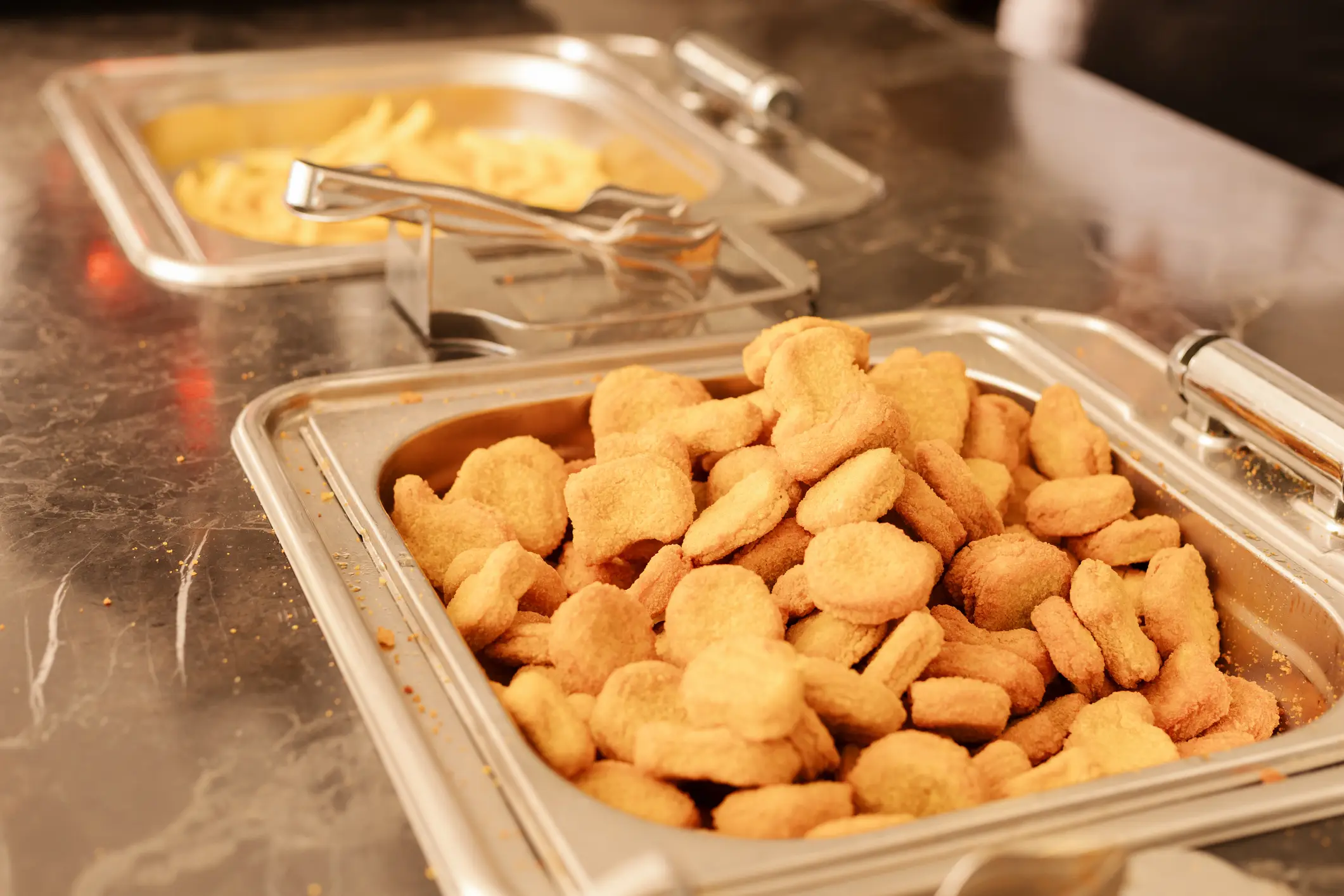
Primary schools will not be allowed to serve processed meat at breakfast, while secondary schools can serve specified processed meats once a week, either at breakfast or elsewhere during the school day.
It's not just food in their sights, either, the Government is also clamping down on sugary drinks.
Fruit juice and combination drinks will not be permitted, while foods and drinks containing added sugar, honey or syrups will face tighter controls.
Low- and no-calorie sweeteners will be restricted in primary schools and in food served in secondary schools.
Free, fresh drinking water must continue to be available throughout the school day.
Which foods are being limited?
Other popular foods are not being completely banned, but will become much less common.
Sausages, chicken nuggets, ham and other processed meats will be limited, with no more than two portions from the relevant processed meat, pastry and breadcrumb-coated food group each week.
Foods containing cheese will also be limited to two portions a week, although secondary schools will have a temporary allowance of three portions during the 2027-28 academic year.
Pizza and sausage rolls therefore are not subject to a blanket ban, but their place on school menus will be significantly reduced by the new rules on high-fat, high-salt foods, pastry and cheese.
Desserts are being restricted too.
Primary schools will be allowed one sweetened baked product or dessert each week, while secondary schools can serve two.
Crucially, any sweetened baked dessert must contain a portion of fruit or vegetables, with extra fruit or vegetables added alongside it where necessary.
At the same time, schools will be expected to serve more pulses.
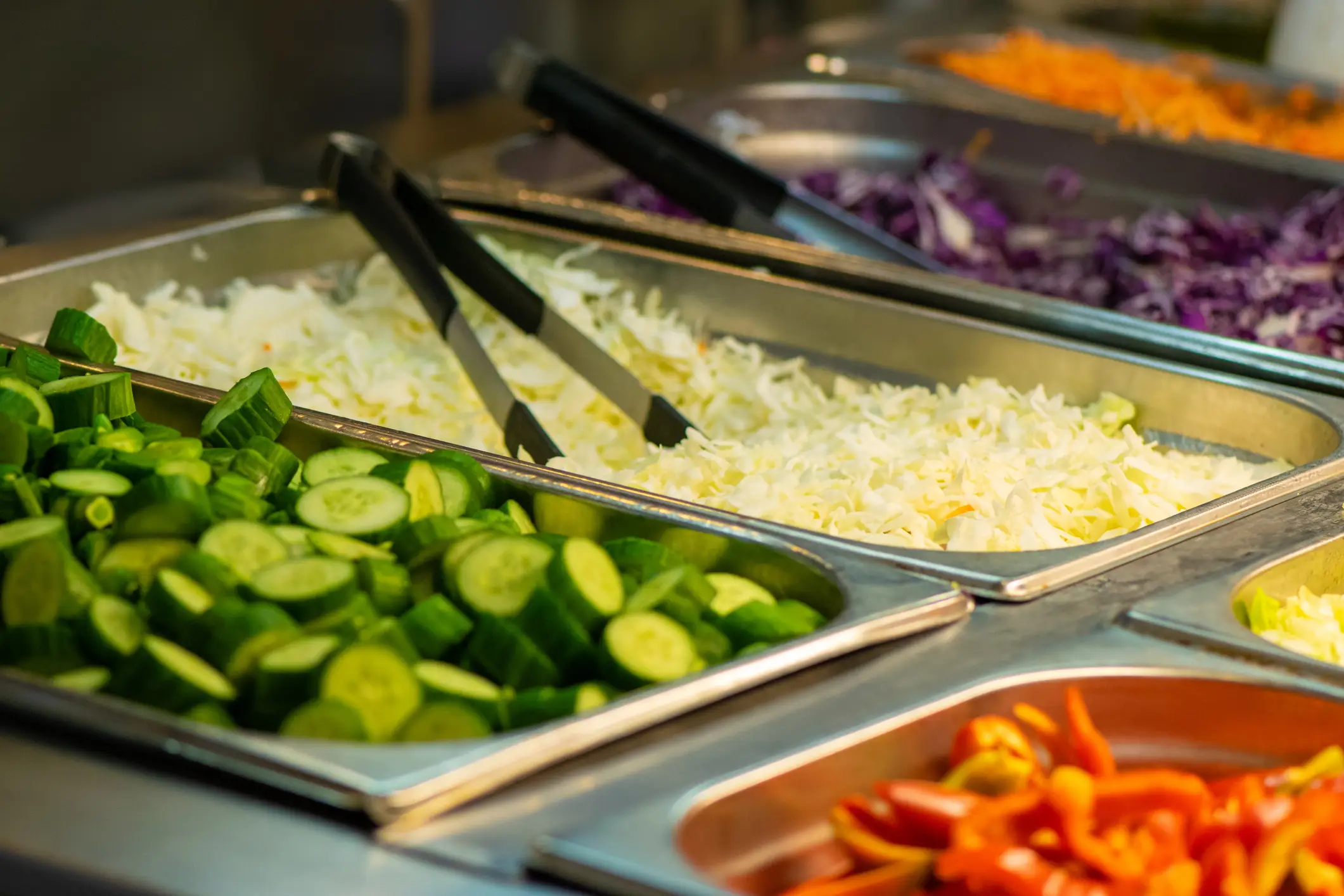
Lentils and chickpeas, for example, will feature regularly, with pulses required alongside main menu options at least once a week.
Pasta dishes served on at least one day each week must contain at least 50 per cent wholewheat pasta, while bread will need to meet stronger fibre requirements.
 Jen Thomas