Experts recommend avoiding this one food to stop health 'ticking time bombs'

Experts are urging people to take a closer look at what is on their plates, with one everyday food type potentially contributing to a 'ticking time bomb' health problem.
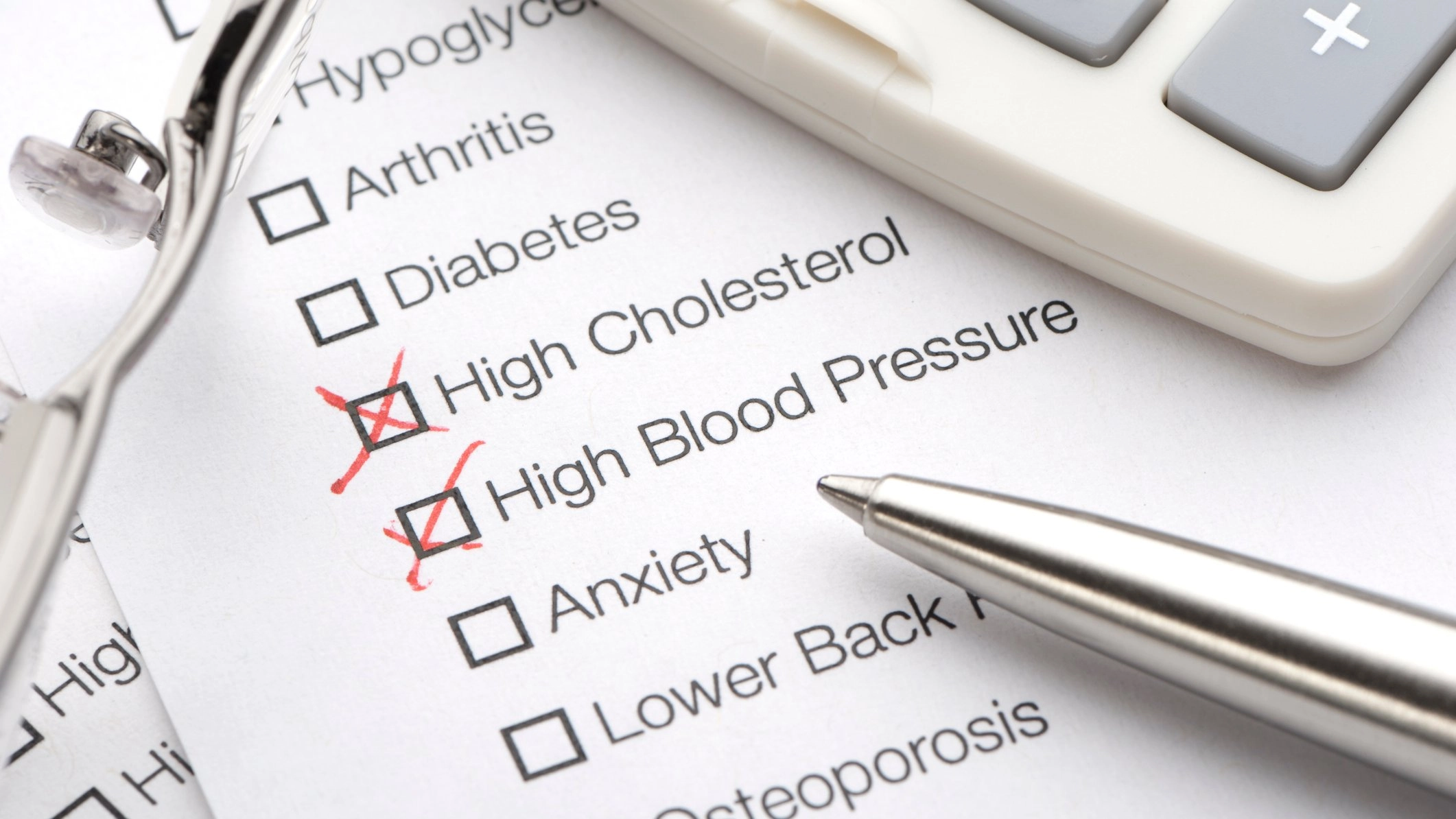
High cholesterol is often difficult to spot because it does not usually cause symptoms.
The only way to know whether cholesterol levels are raised is through a blood test, meaning people can feel perfectly well while a potentially serious cardiovascular risk goes unnoticed.
That's why the recent announcement about the expansion of NHS cholesterol testing in high-street pharmacies is promising news.
Advert
The checks are designed to identify people who may be at increased risk of heart attacks and strokes, helping them take action before problems develop.
But while testing can reveal the warning signs, diet remains an important part of managing cholesterol – and there is one type of food experts say is worth cutting back on.

The food to avoid
The biggest concern is foods high in saturated fat, particularly fatty and processed meats.
It's bad news for breakfast lovers, as this includes foods such as sausages, bacon, salami and other processed meats, as well as fatty cuts of meat.
The NHS advises against eating too much red, processed or fatty meat, while their guidance on saturated fat specifically lists sausages, bacon and cured meats.
Eating too much saturated fat can raise the amount of cholesterol in the blood.
In particular, raised levels of LDL cholesterol, which is the one often referred to as 'bad' cholesterol, can contribute to fatty deposits building up in the arteries.
Over time, this can increase the risk of heart disease, heart attacks and strokes.
This is where the 'ticking time bomb' warning comes in.
There may be no obvious indication that anything is wrong until cardiovascular disease becomes serious, making prevention and early detection particularly important.
Cholesterol levels are influenced by a range of factors outside of diet too, including physical activity, weight, age and genetics.
However, reducing saturated fat is one practical dietary change that can help.
Current NHS guidance recommends that the average man has no more than 30g of saturated fat a day, while the average woman should have no more than 20g.
Instead of sausages or bacon every day, possible replacements include leaner cuts of meat, poultry, beans, lentils or fish.
The NHS also recommends replacing some saturated fats with unsaturated fats, which are found in foods such as oily fish, nuts, seeds, avocados and olive or rapeseed oil.
What about foods that can help lower cholesterol?
Rather than searching for a single 'superfood' capable of magically clearing blocked arteries, experts recommend looking at the overall quality of the diet.
Fibre-rich foods, including wholegrains, fruit, vegetables, beans and pulses, can form part of a heart-friendly eating pattern.
Replacing foods high in saturated fat with sources of unsaturated fat can also help lower cholesterol.
Small swaps can therefore make a difference over time.
Choosing a leaner meat, checking food labels for saturated fat and eating more plant-based foods can all help reduce the amount of saturated fat in the diet.
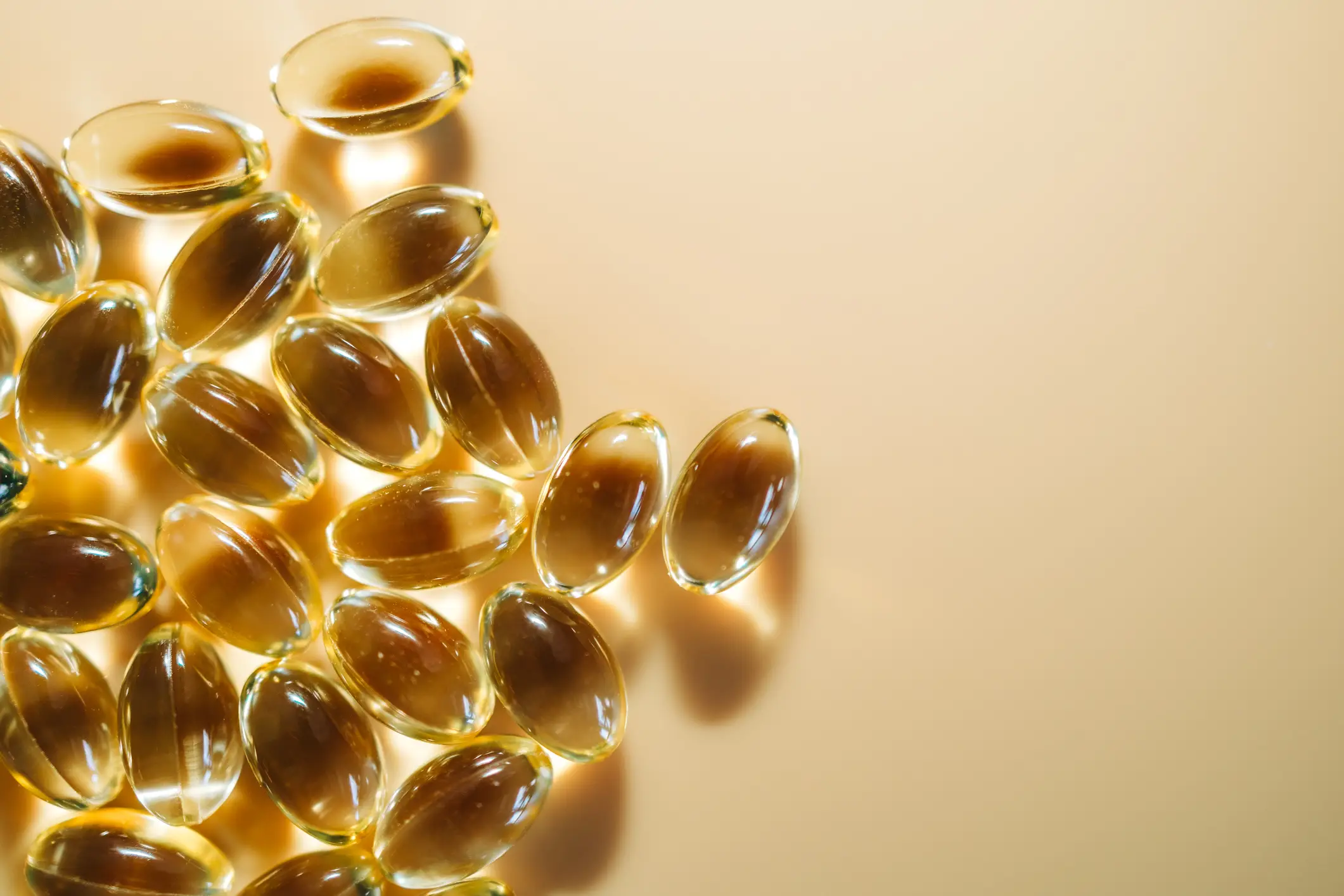
However, according to the Express, Dr Eric Berg DC, has recommended foods containing eicosapentaenoic acid (EPA), an omega-3 fatty acid.
This can be found in salmon, mackerel, fatty fish, and fish oil, but he also recommends 'Cod liver oil or cod liver' as a prime source.
Perhaps the most important message is not to assume that feeling healthy means your cholesterol is healthy.
High cholesterol usually has no symptoms, which is why testing matters.
The NHS is moving to make cholesterol checks more accessible through participating high-street pharmacies, and this could give more people an opportunity to discover their numbers.
For those who discover they have high cholesterol, changing their diet may be recommended, although some people will also need medication.
Cutting back on saturated-fat-heavy foods such as processed and fatty meats, while adopting a balanced diet and staying active, can be an important step towards protecting heart health.
 Jen Thomas