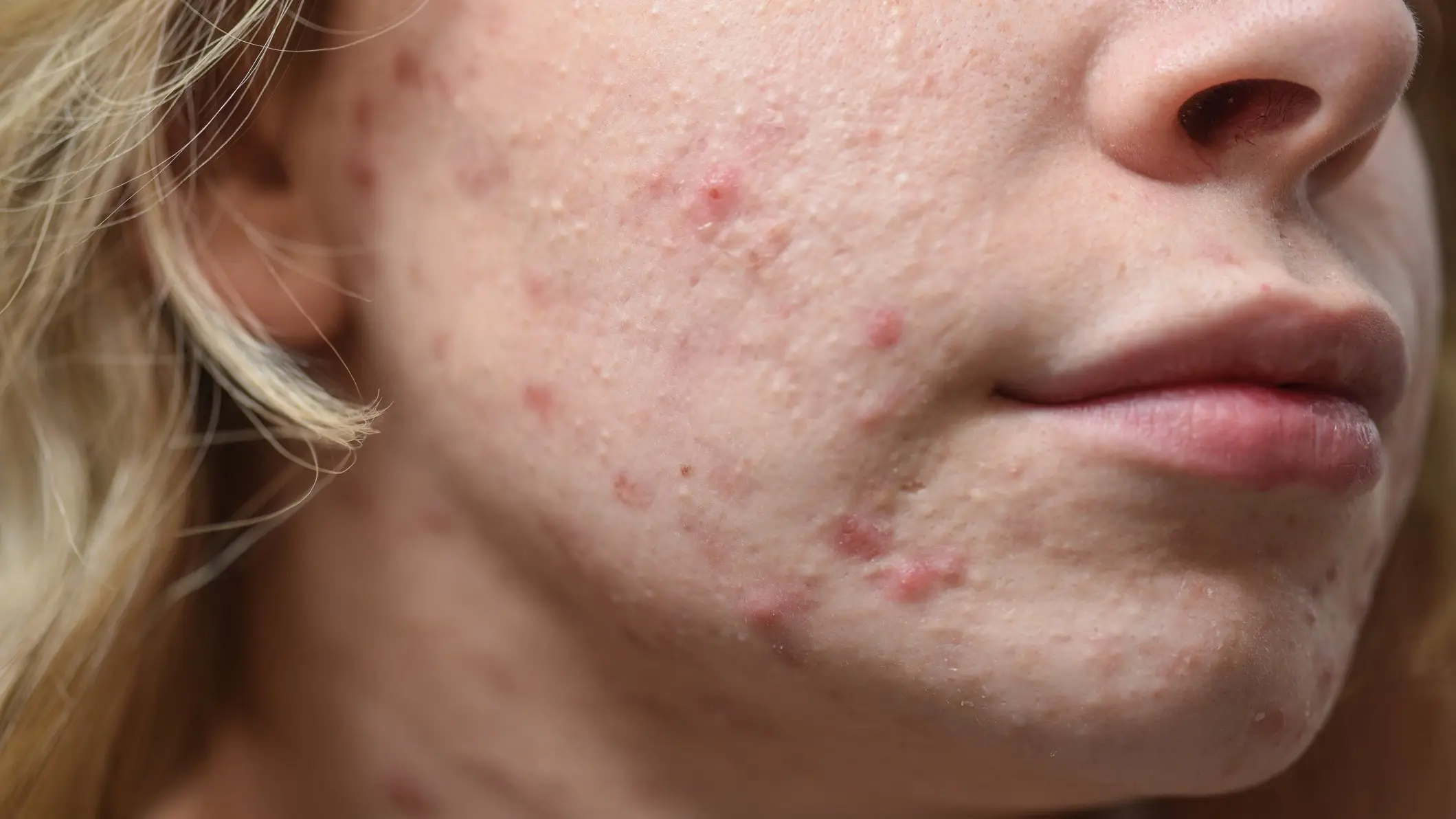
Expert says there is no wonder food for good skin

As much as many of us wishes there was, it seems like there is no single food that can transform your skin overnight.
Despite the endless stream of social media advice, cutting out entire food groups may not be the answer either.
A recent study has put the spotlight on diet and adult acne, with researchers finding an association between eating patterns similar to the Mediterranean diet and a lower likelihood of having acne.
The findings have prompted renewed interest in whether what we eat could influence our skin.
Advert
But according to Dr Samila Asad, a Dermatology & Trichology Specialist GP at The Female Health Doctor clinic, the results need to be put into perspective before anyone drastically changes their diet.
“These findings are encouraging, but I would be cautious about calling the Mediterranean diet the ‘best diet for skin’,” she says.
“The study found an association with a lower likelihood of adult acne; it did not prove that changing your diet prevents or treats acne.”
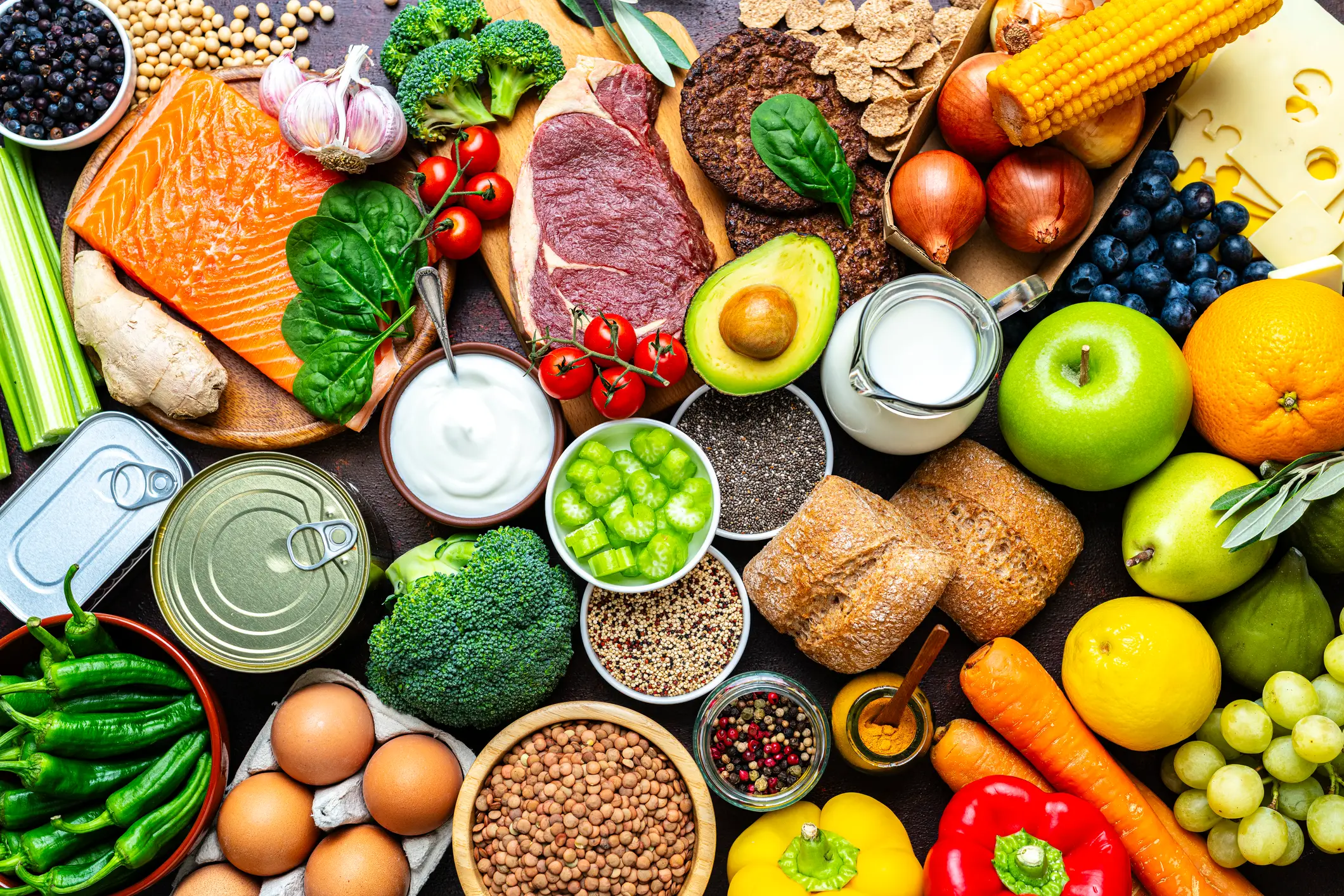
The study was published in the Journal of the European Academy of Dermatology and Venereology.
The research looked specifically at acne, rather than every aspect of skin health, and an association does not necessarily mean that one factor directly causes another.
That does not mean diet is irrelevant, though.
.A Mediterranean-style eating pattern, one which is rich in vegetables, fruit, beans, lentils, wholegrains, nuts, olive oil and fish, is generally a sensible way to eat.
“I would focus on the overall eating pattern rather than promising clearer skin from any single food,” Dr Asad advises.
The study also raises some interesting questions about dairy.
Cheese and yoghurt appeared to have different associations with acne compared with skimmed milk and milk-based desserts.
That may sound like a reason to abandon skimmed milk or stock the fridge with cheese, but Dr Asad says the evidence is not strong enough to draw those conclusions.
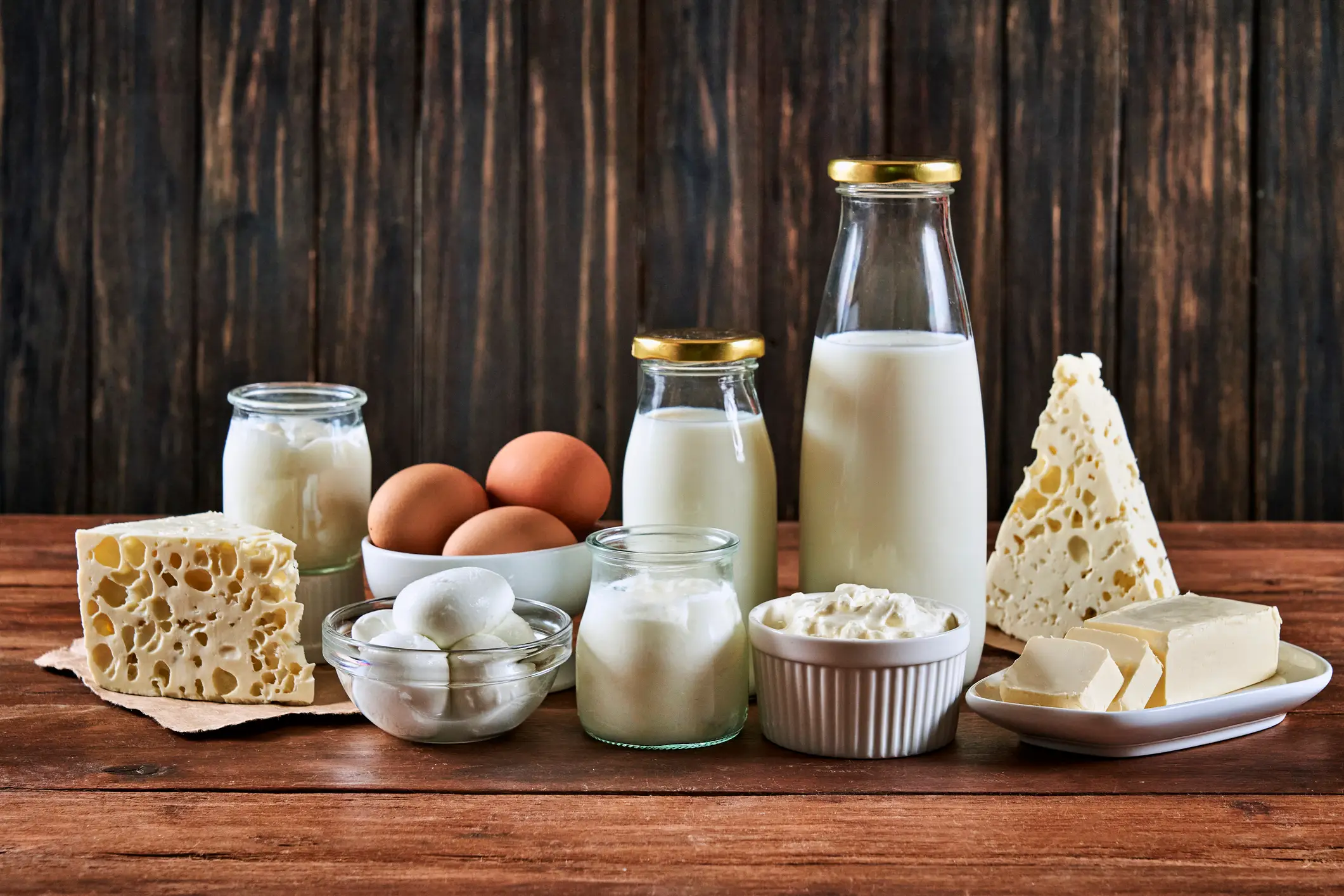
“The dairy findings are particularly interesting because they challenge the idea that everyone with acne should avoid all dairy,” she says.
“However, that does not mean cheese is an acne treatment or that skimmed milk will cause spots in everyone.”
She also advises against making major dietary changes based on the findings alone.
“I would not advise switching to full-fat milk solely on the strength of these findings,” she insists. “The study cannot establish that milk fat explains the difference, or that fermentation is responsible for the yoghurt findings.”
There is another part of the diet and acne debate worth considering, and that's foods that cause blood glucose levels to rise quickly.
Research beyond this particular study suggests that a high-glycaemic diet may worsen acne in some people.
Sugary drinks, sweets and frequent large portions of refined carbohydrates are examples. Some small trials have also suggested that lower-glycaemic eating patterns may help, although the evidence remains mixed.

For someone looking to make sensible changes, that does not mean giving up carbohydrates or treating dessert as forbidden.
Dr Asad suggests practical swaps such as choosing oats or wholegrain bread, adding beans or lentils to meals and having whole fruit instead of sugary drinks.
“It is about balance, rather than banning carbohydrates or never enjoying dessert,” she says.
The doctor says there is also a key clinical caveat to note: "Acne is not a sign that someone has eaten badly. Hormones, genetics and other factors also matter, and people can have acne despite a very balanced diet."
Current NICE guidance says there is not enough evidence to recommend a specific diet as a treatment for acne.
For that reason, dietary changes should sit alongside appropriate medical care rather than replacing it.
Dr Asad says: “Painful, persistent or scarring acne needs medical assessment rather than increasingly restrictive food rules.”
In other words, there is no magic ingredient waiting to be discovered in the fruit bowl.
Good nutrition can support overall health, but clearer skin is rarely as simple as adding, or removing, one food from your plate.
 Jen Thomas