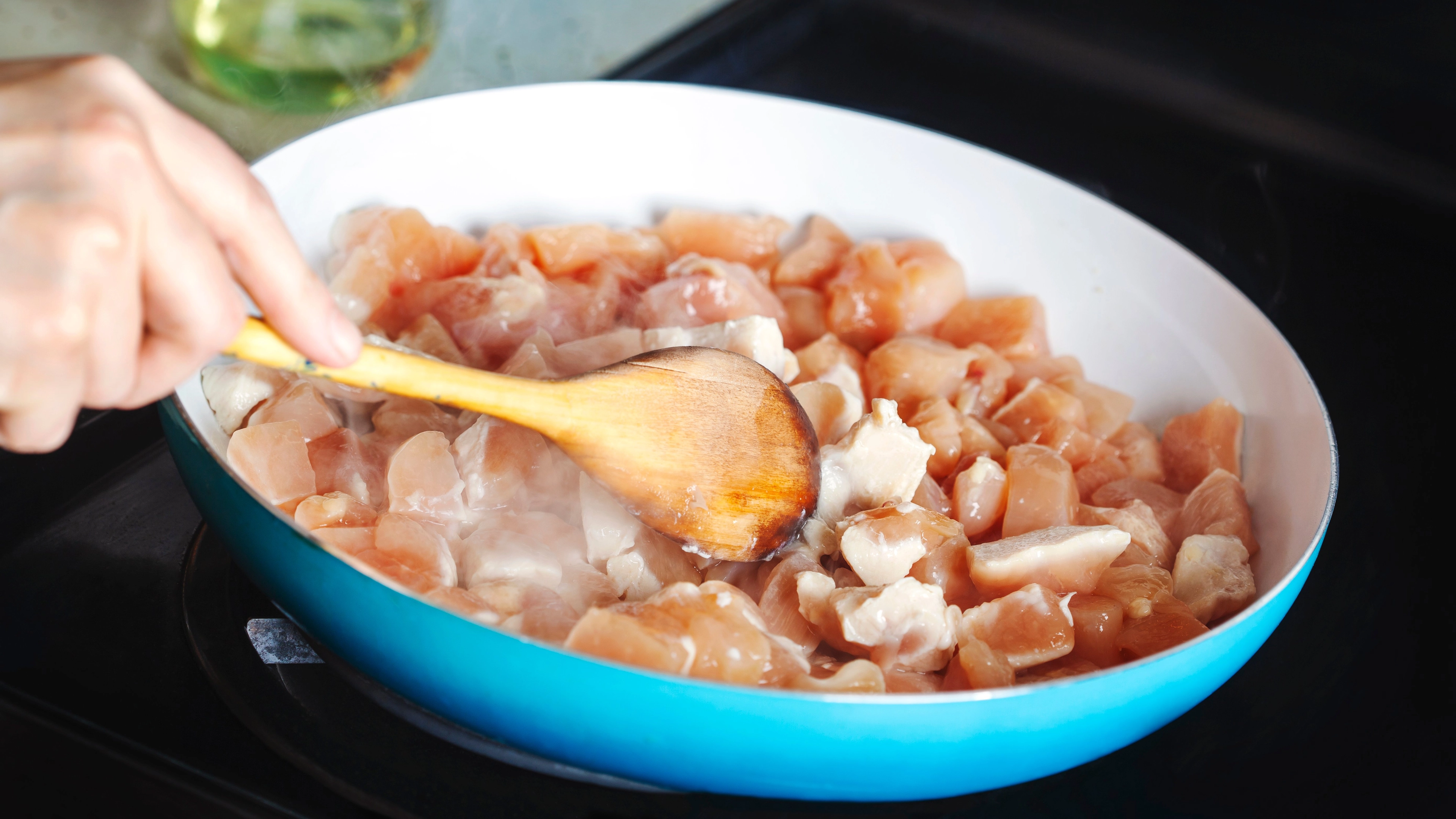
'Chicken ick' phobia on the rise - experts explain why

Have you ever dug into a juicy piece of chicken, only to realise that between bites, you’re pretty disgusted by its taste, texture, or smell?
If so, then you may be a victim of what social media has branded the ‘chicken ick’.
The phenomenon of suddenly becoming repulsed by food you used to love is clinically described as ’food aversion’ by the Cleveland Clinic, with sight, aroma and flavour listed as triggers.
Unfortunately, you can actually develop a food aversion to any edible item at any time, with Dr Sham Singh, a psychiatrist at WINIT clinic, telling Huffington Post that it only takes one distressing experience for an ‘ick’ to take hold.
Advert
“A bad reaction, say, or an unpleasant texture can become seared into our memory over time and determine our reactions of disgust upon later contact with the smell, or even the thought, of that food,” the expert revealed.
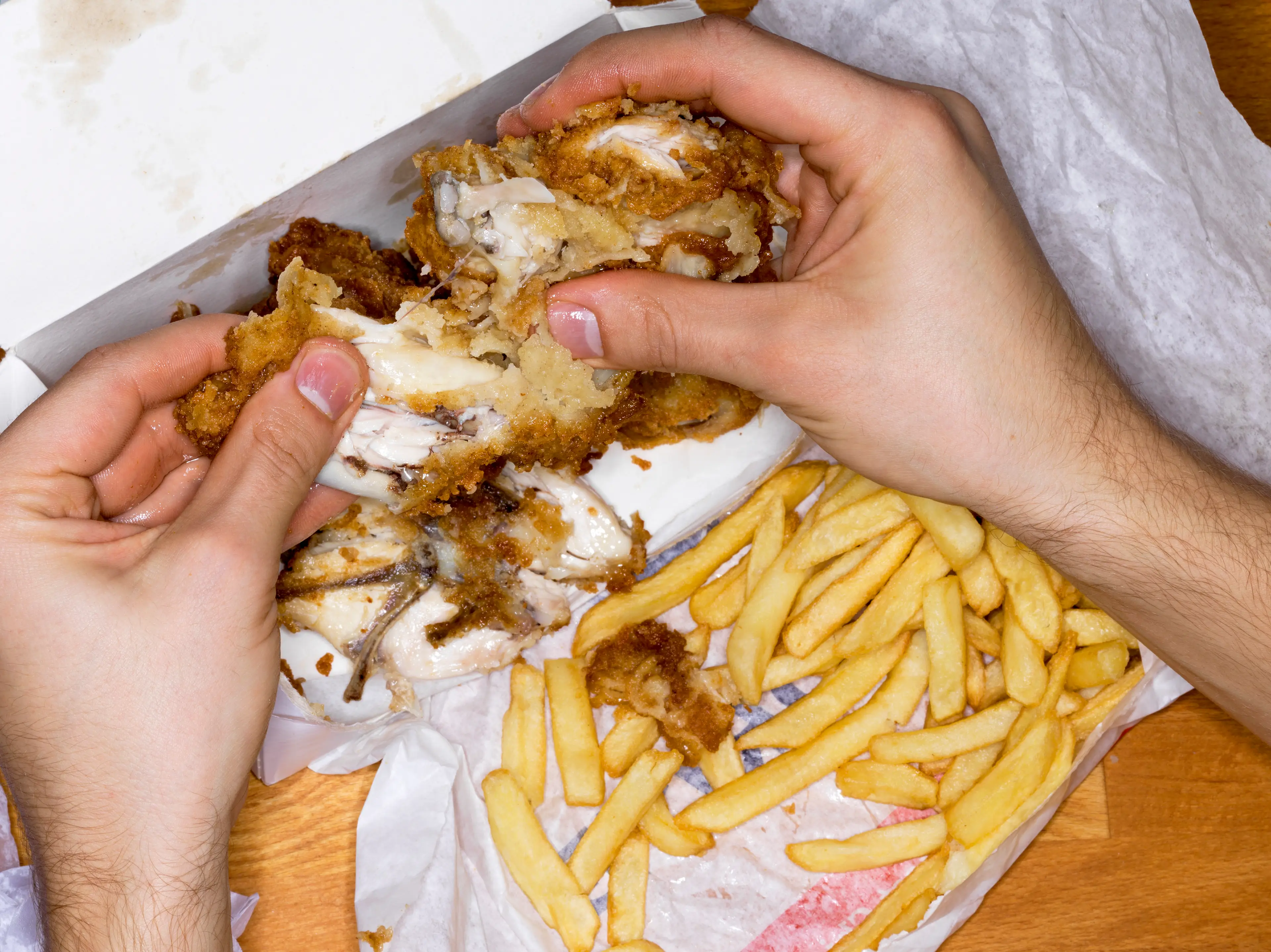
Dr Lorenzo Stafford, whose research is centred on how humans’ sensory system affects behaviour, has recently published a deep dive into the so-called chicken ick.
It comes amid countless social media personalities who have been posting about no longer enjoying chicken online.
Writing for The Conversation, the University of Portsmouth Associate Professor in Psychobiological Psychology said: “Disgust is an emotion that protects us from things that could potentially harm us – such as foods that are spoiled or unsafe to eat.”
He suggests people who rate themselves as being ‘more sensitive to feelings of disgust’ are more likely than others to exhibit higher ‘ick’ tendencies.
The expert said women are more likely to have this higher ‘ick’ sensitivity than men, and that how hungry you are before eating can really play a part.
“When you’re really hungry, you understandably tend to be less sensitive to disgust and may be less likely to notice things that might otherwise have turned you away,” he wrote.
How to get over food icks
If you are currently experiencing a strong bout of chicken ick, then good news: you can easily come back from the brink.
Dr Singh recommended that anyone who wants to start eating food they previously enjoyed should gently reintroduce it into their diets.
“That could be doing smaller portions and combining them with other foods,” he explained.
Visualisation techniques are also advised, with the doctor claiming you should ‘imagine a more positive, neutral scenario’ while thinking about the edible item.
“That challenges the negative association,” he alleged.
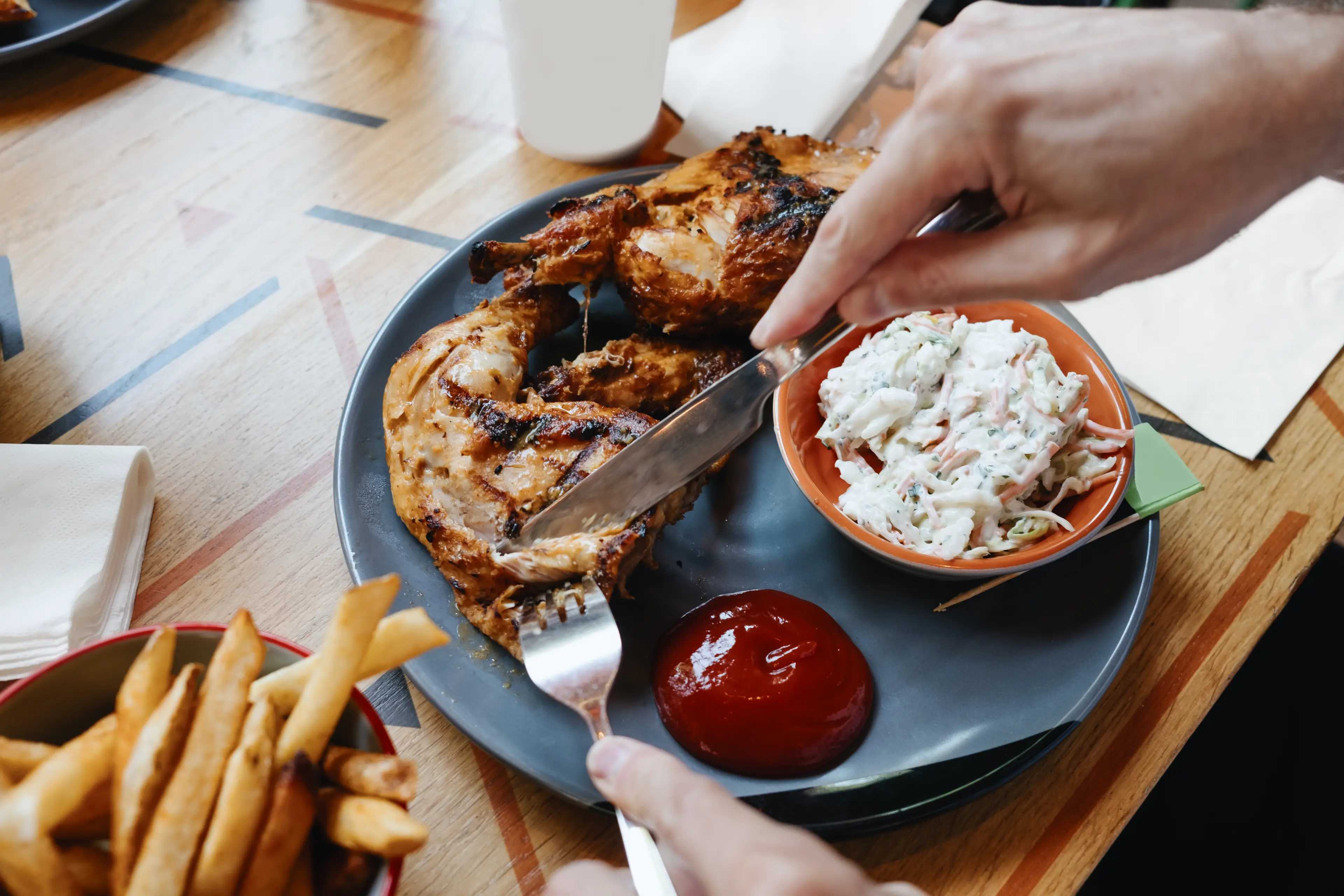
You can do this by pairing chicken preparation and eating with something positive, such as listening to your favourite music or dishing up using sentimental and special crockery.
“By repeating this a number of times, you’ll condition yourself to the pleasant response – and will hopefully be over your chicken ‘ick’,” Dr Stafford added.
He also suggested removing the cues that cause the ick in the first place.
So if it's the texture or smell of raw chicken that particularly puts you off, have someone else prepare the meat-based meal for you instead.
This could be in the form of a loved one making a meal from scratch; purchasing a pre-cooked option from a supermarket, or chowing down on a plate in a restaurant.
The Portsmouth professor also said that your disgust may be linked to how your lean protein is prepared.
To get over this, he advised using a different cooking method, changing up the recipe, or using a different cut, such as breast instead of thigh.
 Ella Scott