Why Tesco has removed barcodes from entire food range

Tesco has made history by becoming the first UK supermarket to swap traditional barcodes for QR codes across an entire product range, starting with its own-label sausage lineup.
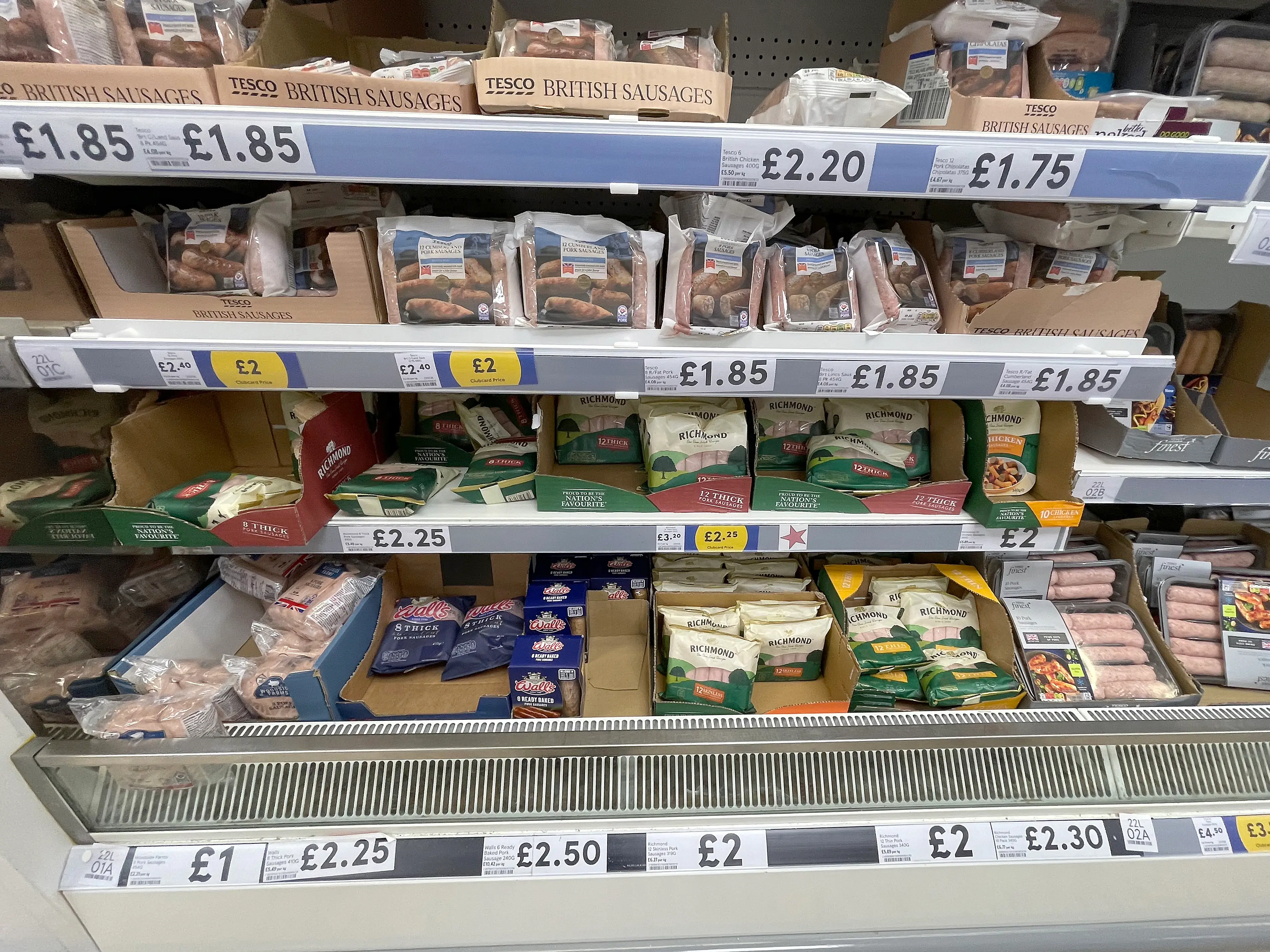
The rollout covers 13 lines, including Tesco Pork Sausages, Pork Chipolatas, British Pork Sausage Meat, British Cumberland Sausages, and British Lincolnshire Sausages, all produced in partnership with supplier Cranswick.
It is, on the surface, a pretty understated change. Most shoppers will sail through the checkout without noticing a thing. However, if you have clocked the new square code on the packaging and found yourself wondering what is going on, that would be understandable.
After all, the barcode has been a fixture of British supermarket life since 1979, when one was first used at a shop in Spalding, Lincolnshire, on a box of teabags.
Advert
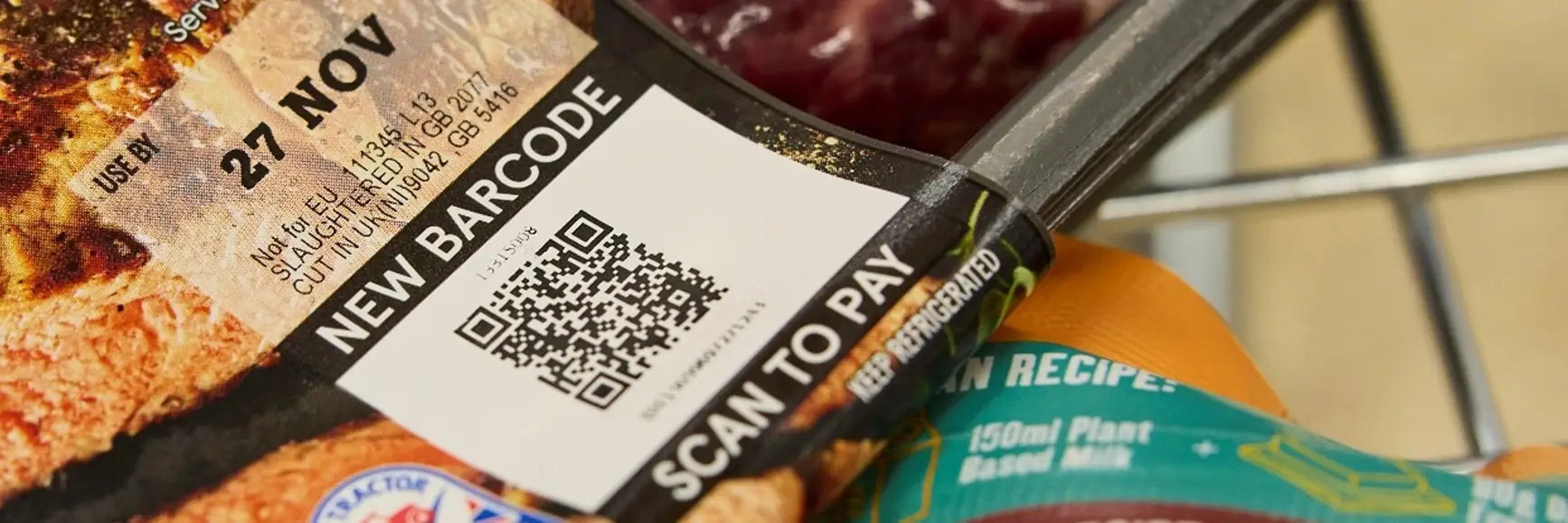
As to why Tesco is changing such a long-running system after all this time, the answer comes down to a combination of better product information for shoppers, smarter stock control for retailers, and a fundamentally improved way of handling recalls. QR codes can hold far more data than their stripy predecessors, and that extra capacity opens up some genuinely useful possibilities on both sides of the checkout.
For shoppers, scanning the code with a smartphone pulls up nutritional content, traceability information, and potentially recipe ideas or competitions. For the supermarket, it means much better visibility over expiry dates across stock, which leads to more accurate ordering and less food being thrown away unnecessarily.
The recall angle is perhaps the most significant shift of all. Rather than pulling every product in a category from shelves, retailers using QR codes can isolate the exact batches affected, block their sale at the till, and get in touch with customers who have already bought them.
In Tesco’s press release announcing the replacement QR codes, development and change director Peter Draper said: "For customers, this is a tiny and almost invisible change at the checkout, but for the retail industry, it's a significant step forward. Moving to QR codes will help us reduce food waste, improve stock control and unlock new digital benefits for our customers.”
“Customers will continue to shop and pay in exactly the same way, but they’ll have the option to access far richer information about the products they buy simply by using their smartphones”
“Over time, this opens up exciting possibilities, such as personalised digital tools to help customers manage the food they buy and reduce waste at home.”
The move forms part of a wider push by GS1, the global body responsible for barcode standards, which is aiming for a comprehensive retail rollout of QR codes by 2027. Anne Godfrey, CEO of GS1 UK, said: "Tesco moving to QR codes powered by GS1 across an entire range marks a significant step forward for UK retail. It shows how the next generation of barcodes can support a more connected, transparent future.”
“We hope this progress encourages others to follow Tesco's lead so that consumers and businesses alike can benefit from richer, more trusted product information."
 Ben Williams