London's food and drink business are the hidden victims of the Tube strikes

London's food and drink businesses are taking a serious hit this week, and if you've attempted to navigate the capital's transport network recently, you'll have a pretty good idea why.
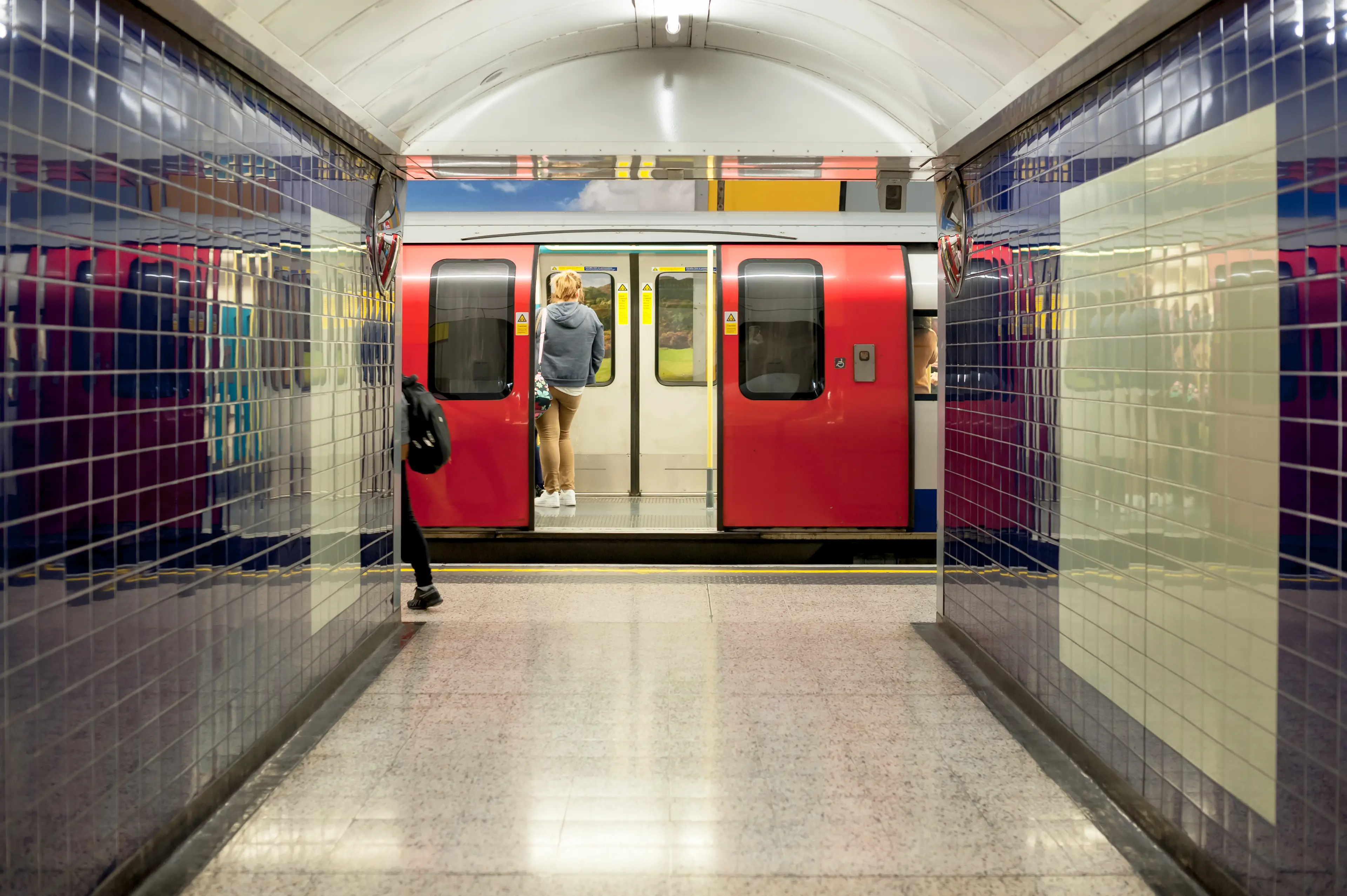
RMT union members have been staging a series of 24-hour walkouts, with the first kicking off from midday on Tuesday, 21 April, and another lined up for Thursday.
Transport for London has warned that disruption is set to ripple across all services for the entire week, leaving restaurants, pubs, cafes, and bars quietly absorbing the damage while the rows over four-day working weeks and shift conditions play out between the union and TfL.
When you look at the scale of said damage, it's pretty eye-watering. That’s because when going back to the last time RMT members walked out in September 2025, the numbers tell a stark story.
Advert
The Centre for Economics and Business Research (reported by the BBC) put the direct economic cost of that action at around £230 million, accounting for the loss of roughly 700,000 working days across both TfL staff and the wider commuter base.
The real hit, the research suggested, was likely significantly higher once knock-on effects were factored in. Small operators felt it most acutely.
For instance, Prasanna Callaghan, owner of Crumpets Cafe in Buckingham Gate, central London, said at the time of last year’s five-day Tube Strike: "We will lose £600-£700 a day. One day might be bearable but it will be impossible to recuperate that total cost."
With another round of walkouts now underway, those figures make for grim reading all over again. People simply aren't travelling if they don't have to, and that means empty seats, cancelled bookings, and lost revenue that can't be clawed back.
Mildreds, the beloved vegan restaurant in Soho, also flagged that a week of strike action could see bookings fall by double digits. Head of marketing Shaun Bates plainly put it: "It's significant for us, but even tougher for smaller businesses. That's why we're focusing on loyalty and encouraging guests to return." He added: "As a business, strikes do hurt, but we understand why they happen."
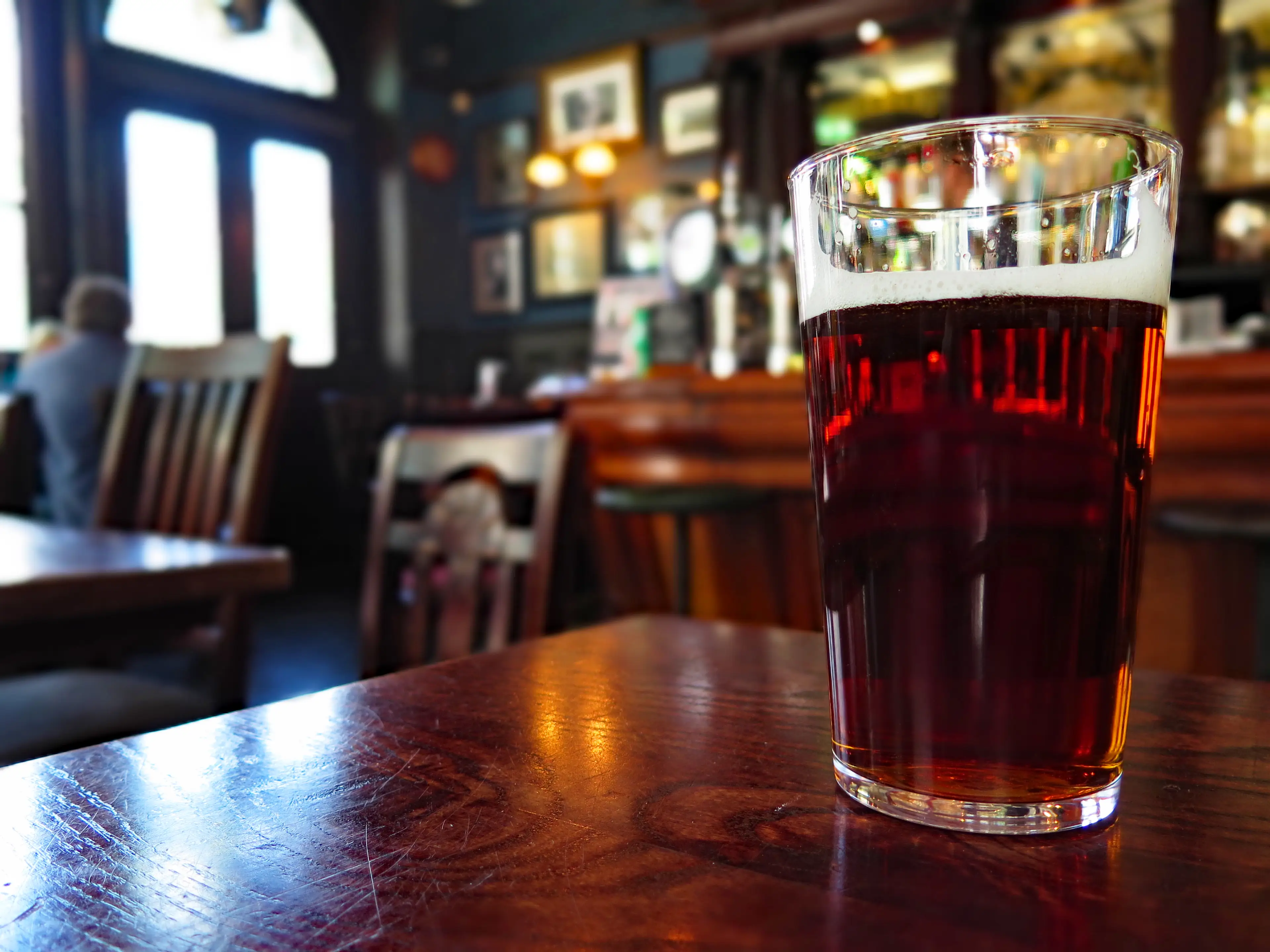
For London's pubs specifically, the timing could hardly be worse. Reported by The Independent, Emma McClarkin, chief executive of the British Beer and Pub Association, spelled out the stakes: "In a typical week, London's pubs generate approximately £80 million in GVA (gross added value) between Tuesday and Friday alone."
“This doesn’t just boost the economy but represents the jobs, high streets, and community spirit that revolve around pubs.”
She went on: "At a time when so many locals are already operating on a knife edge because of huge costs, significant disruption to trade will be acutely felt."
Sarah King, London development manager at the Federation of Small Businesses, echoed those concerns back in September, saying: "Tube strikes will cause significant disruption for London's small businesses, many of which rely on footfall and staff mobility to stay afloat"
She added: "We urge all parties to work towards swift, constructive resolutions that safeguard local economies and minimise the impact on the capital's entrepreneurs and small firms."
Topics: UK Food, Restaurants and bars
 Ben Williams