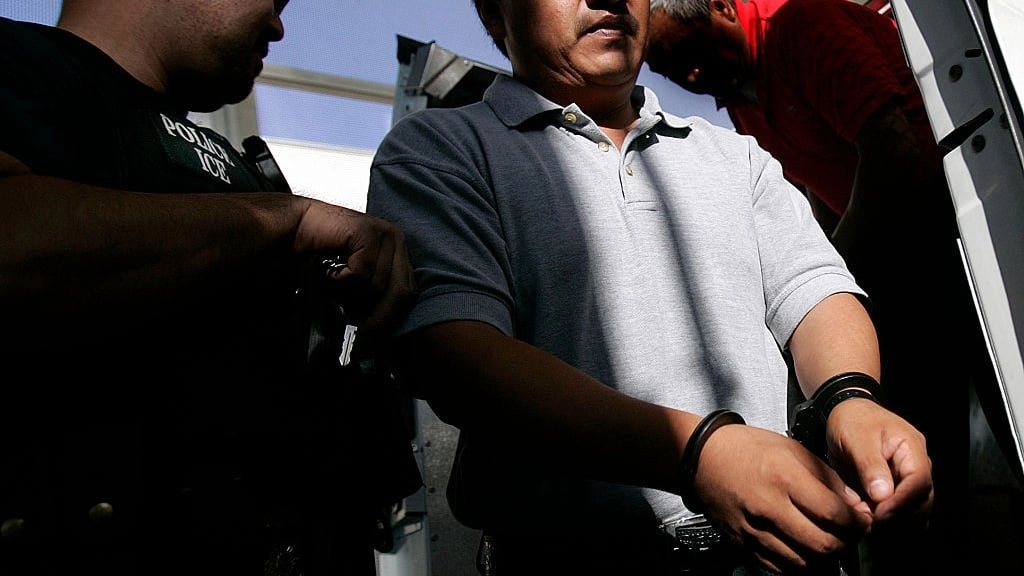
'Chilling effects' that ICE raids are having on the US food and drink industry

Across the US food and drink industry, many businesses are operating under a cloud of uncertainty as immigration enforcement continues to send shockwaves through communities that keep restaurants, bars, and farms running.
The impacting disruption has been either immediate for some business owners or steadily building, while fewer workers have been showing up for shifts and/or only being able to work shorter hours. Either way, there’s been growing concern over what comes next.
The effects are also stretching well beyond city centres and hospitality venues, reaching deep into the agricultural farming system that supplies much of the country’s fresh produce — with crops even being left unharvested, simply because there isn’t enough manpower.
That has left food and drink workers facing pressure on several fronts at once, with livelihoods, staffing, and supply all becoming harder to predict by the day. What’s more, while the consequences are not yet uniform nationwide, people working across the industry say the atmosphere has already changed.
Advert
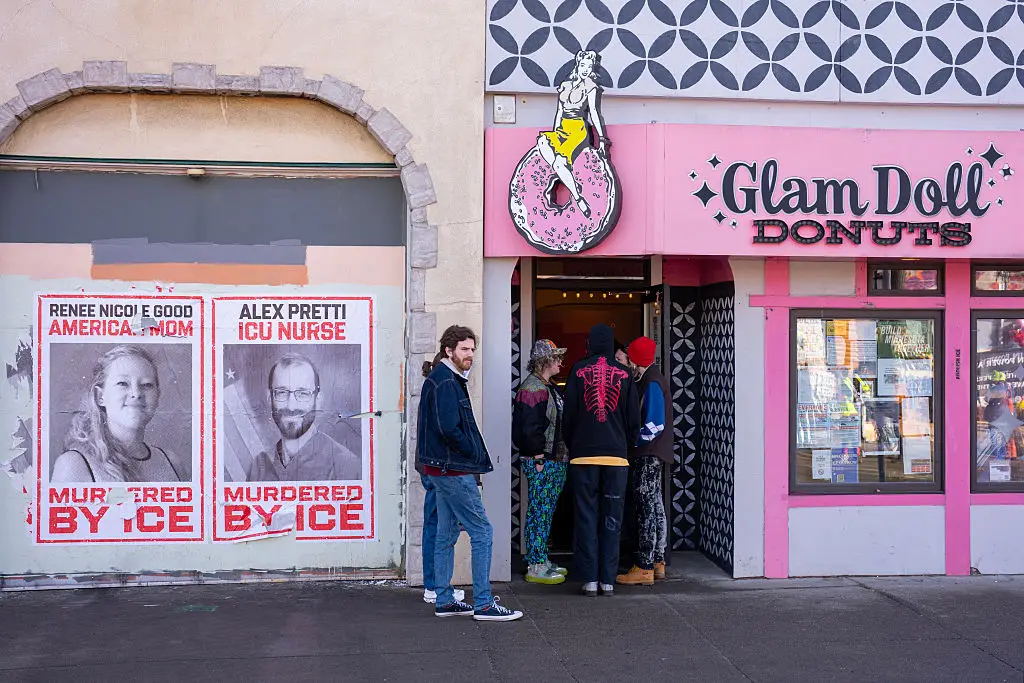
At least on some level, an effect is now being felt across the US food and drink industry, as ICE raids and wider immigration crackdowns affect both hospitality workers on the ground and the agricultural labour force behind the country’s food supply.
In Minneapolis, people working in hospitality told SevenFifty Daily that conditions are harsher than many outside the industry may realise. One local restaurateur said: “It’s worse than what you’re seeing on the news.”
Mike Hidalgo, an industry veteran and permanent legal US resident, explained how fear has altered daily life.
He said: “Everybody is just going from work to home, home to work. I have legal residency. But I’m still targeted because of my accent and the color of my skin, so it doesn’t mean I’m safe.”
He also described the damage being done to trade, saying: “Businesses have shut down temporarily. Many are only takeout. The ones that still operate in a regular way are locking the doors, and you have to make a reservation.”
He added: “The economic impact has been brutal.”
Robb Jones, owner of the bar Meteor, gave another stark account of what restaurant groups are dealing with. He said: “They’re just taking whoever they want…I work with another restaurant group, and we lost all the cooks in our kitchen, who were just waiting at a bus stop on their way to work.”
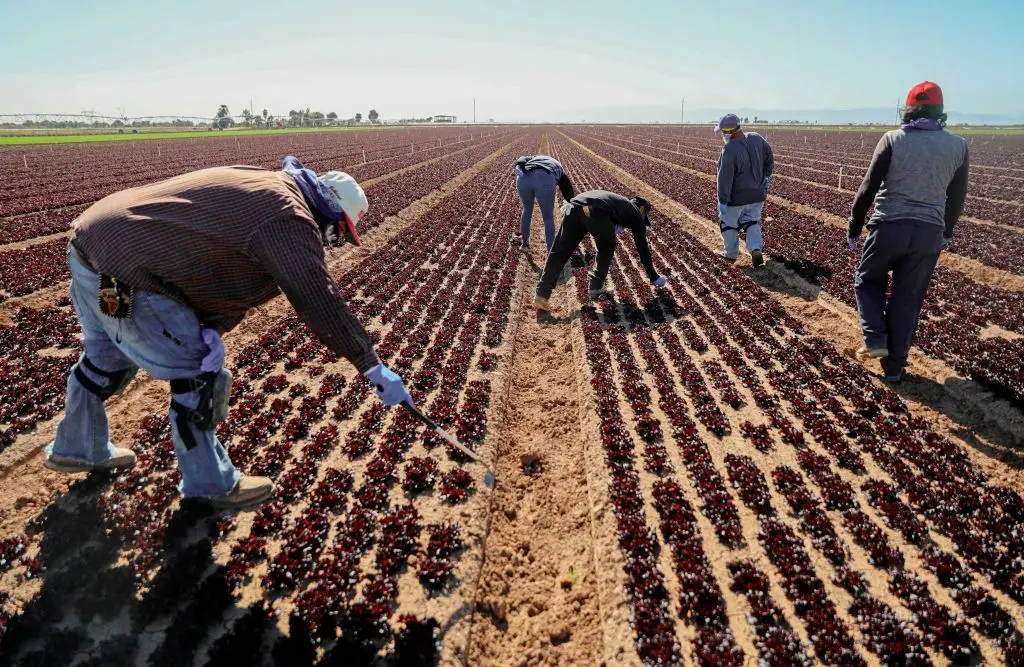
Concern does not stop at restaurants and bars, but farming businesses, too.
Reported by Huffington Post, Agricultural economist Zachariah Rutledge said: “I just finished running a survey in California and have not released the results of the survey yet, but we are finding evidence consistent with ‘chilling effects’ where farmers stated that general reports about immigration enforcement from the media or other sources have led to some reductions in workers showing up to work on California farms.”
That especially matters because, as David Ortega explained: “Fruits and vegetables rely heavily on hand harvesting, and many of these operations depend on immigrant labor, including undocumented workers.”
For the food and drink industry, that means the impact of immigration crackdowns may be seen not only in lost shifts and empty seats, but eventually in the cost and availability of ingredients too.
Topics: US Food, Restaurants and bars
 Ben Williams