
How to spot if eggs are safe amid UK salmonella outbreak that left one person dead

A salmonella outbreak that is believed to be linked to imported eggs has raised fresh questions about how safe they are to eat right now.
The UK Health Security Agency (UKHSA) recently declared a national outbreak of salmonella food poisoning after one person died and hundreds more fell ill.
Salmonella are bacteria that can live in the digestive tracts of many animals, including poultry, pigs and cattle. This is why eggs and poultry are commonly associated with infections and outbreaks.
Salmonella are shed in animal faeces and humans can catch the bug by eating contaminated food that has not been properly cooked, drinking contaminated water, cross contaminating raw and cooked food, such as in the kitchen, or coming into contact with infected animals.
Advert
Symptoms usually develop between 12 and 72 hours after becoming infected and include stomach cramps, diarrhoea, vomiting or fever. People usually recover without further medical help, however older people, babies and those with weakened immune systems are at greater risk of more severe outcomes.
Cases have been reported across the UK, and scientists have analysed the bacteria’s DNA to understand how the outbreak is spreading. The results suggest that, among the more than 200 cases identified so far, the bacteria have only a handful of genetic differences, indicating that they may have come from a common source.
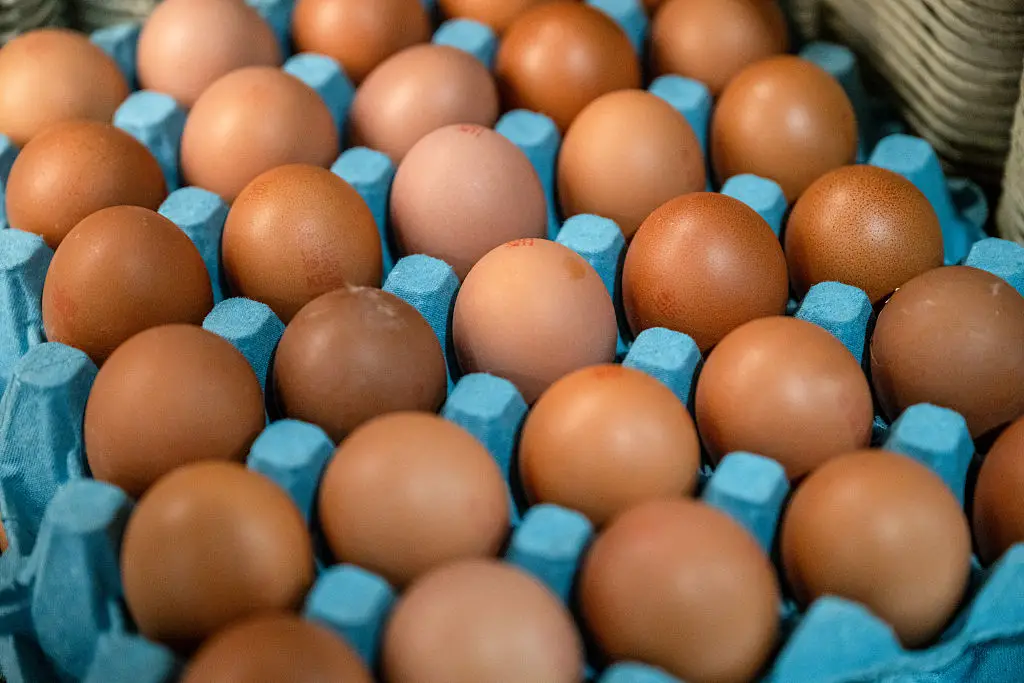
The source of the current outbreak is still being investigated however imported eggs, or dishes containing them, are believed to be the most likely cause. Evidence suggests people caught the bug while eating out, rather than eggs cooked at home.
However, there are still ways to protect yourself when cooking eggs at home amid the outbreak.
You could opt to avoid eggs for the time being. Cooking eggs thoroughly, meaning no runny yolks, can also prevent infection.
Other ways to avoid becoming sick include washing your hands thoroughly before preparing food, after using the bathroom and after contact with animals.
The Food Standards Agency issued guidance to catering businesses such as cafes and restaurants this month on the storage and handling of eggs amid the outbreak.
Jacquelyn McCormick, head of incidents at the FSA, told the BBC that thoroughly cooked eggs that are handled with the right hygiene methods should not present a health and safety risk.
However, infants, older people young children, and pregnant women should only eat runny or raw eggs if they have the British Lion mark on them. This means they have been deemed acceptable under high food safety and animal welfare standards.
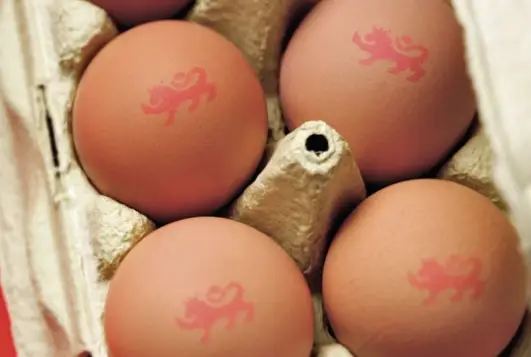
The British Lion, which launched in 1998, is ‘the UK’s most successful food safety scheme’, the website states.
It is ‘responsible for a drastic reduction to the presence of salmonella in UK eggs’.The website ensures that under the British Lion Code of Practice, the ‘entire production chain’ has been made to follow ‘strict food safety controls’ including ‘that all hens are vaccinated against Salmonella’ and a system that ensures all hens, eggs and feed are fully traceable.
People whose immune systems are weakened should follow their doctor’s advice.
Children under five and pregnant women have been told to avoid consuming runny eggs when eating out.
 Greg Harris