Restaurant workers accused of using ChatGPT to fake robbery

For most restaurant owners, the morning routine is fairly predictable: unlocking the doors, checking prep lists, pouring coffee, and the peaceful hum of another service day getting underway. In places built on regulars and routines, unexpected drama is usually limited to a broken fridge or a delivery running late.
That sense of normality is exactly what makes sudden emergency calls so jarring. When police are told an armed robbery is unfolding inside a busy restaurant, every second matters.
In recent years, technology has added new layers to how information is shared in moments like these. Security cameras stream directly to phones, photos can be sent instantly, and images often carry an assumption of truth simply because they look convincing. That trust, authorities say, is increasingly being exploited.

Advert
That was the case in Elyria, Ohio, where police were called to Rubin’s Deli & Restaurant after reports of an active robbery involving masked suspects. Officers arrived within minutes to find customers still seated and nothing out of the ordinary unfolding.
It was later alleged that two employees had fabricated the entire incident as a prank, using artificial intelligence to make it seem real. According to police, Todd Durst, 45, created an AI-generated image using ChatGPT and sent it to colleague Luis Acevedo Jr., 40, who then forwarded it to the restaurant’s owner. Believing the image showed masked individuals inside the business, the owner contacted police.
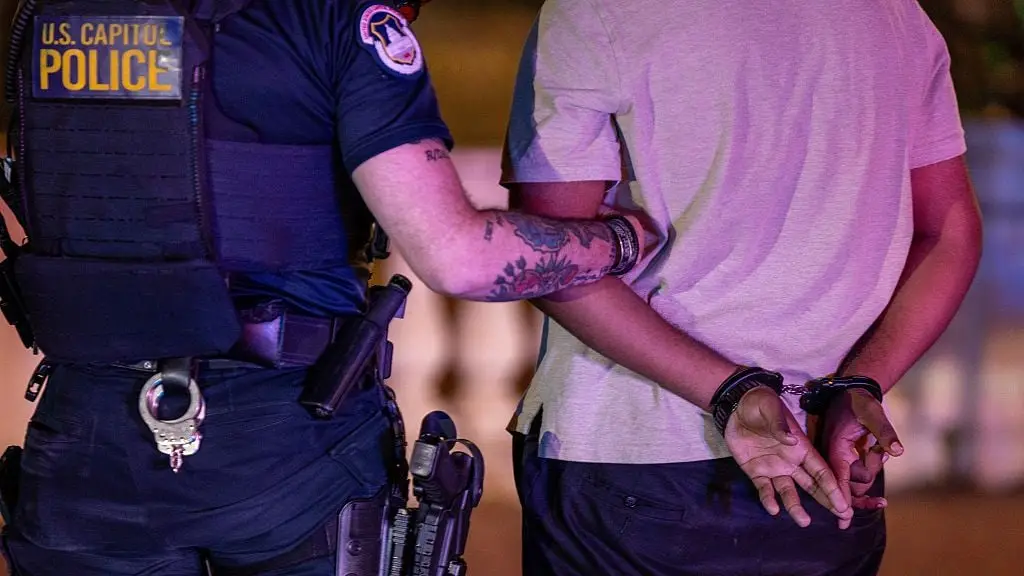
The image, which officers say appeared to show a multi-camera security view with masked individuals wearing blue gloves, was uploaded into the police evidence management system. Durst was arrested at the scene without incident and charged with swatting, obstructing official business and inducing panic.
Acevedo Jr. left before officers arrived and remains at large, with warrants issued for his arrest.
Police said the scale of the response reflected the seriousness of the report and the potential danger to the public, with all available patrol units and detectives dispatched immediately.
In a statement, the department warned: “AI-generated hoaxes and social media prank trends involving fabricated emergencies are not harmless fun, they are criminal acts and have real-world consequences.”
The statement continued: “These false reports divert critical resources away from real emergencies, may endanger lives, and undermine public safety. Anyone involved in this type of behaviour that violates state law will be arrested and prosecuted to the fullest extent.”
Authorities have described the incident as part of a growing trend where AI tools are used to enhance the credibility of fake emergencies, often with little thought given to the wider impact.
Topics: Restaurants and bars, US Food
 Ben Williams