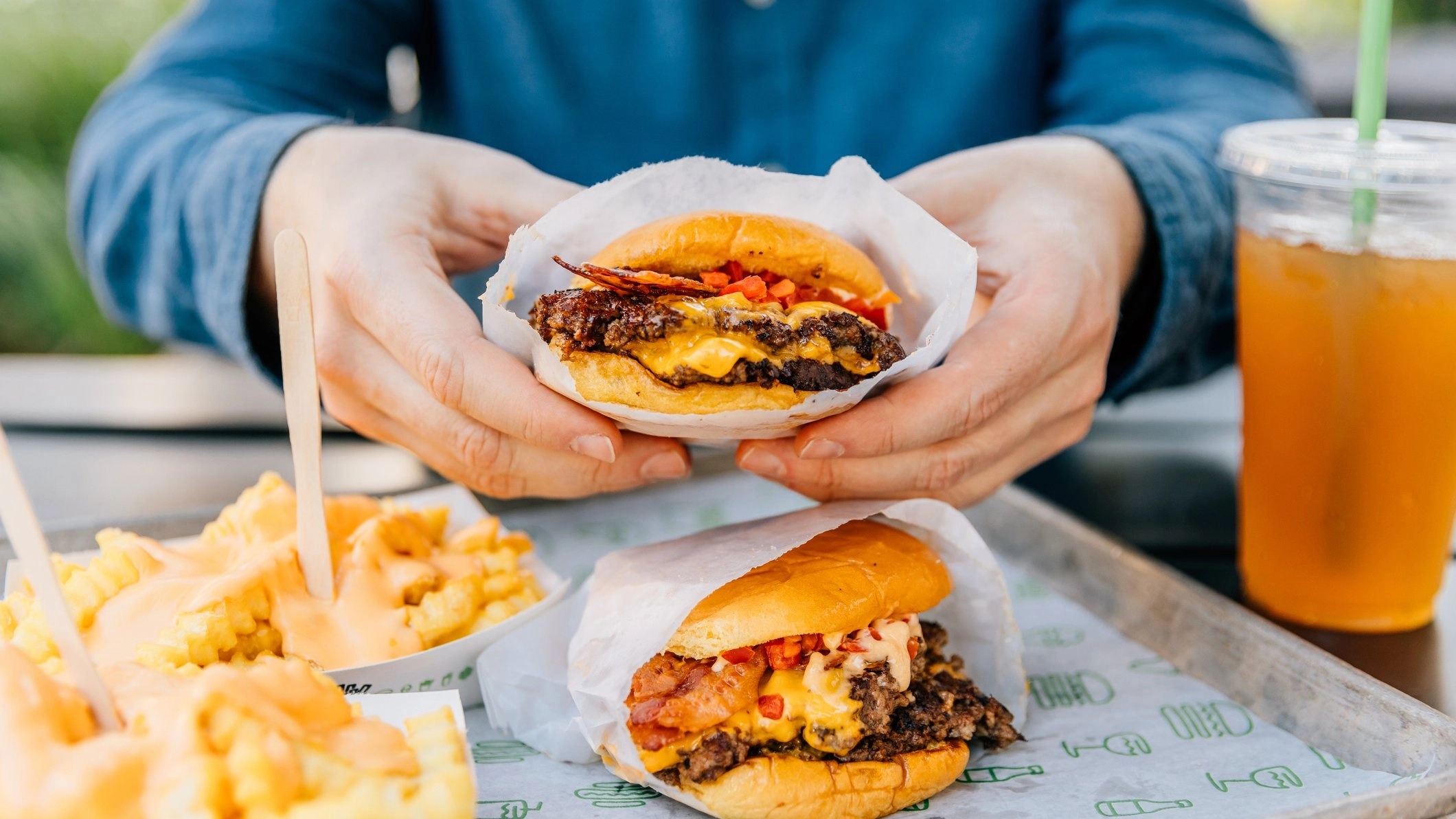
People are ordering fake food deliveries in 'dopamine site' trend

Dopamine, often described as the ultimate ‘feel-good’ molecule, is released from the brain through a process called vesicular exocytosis when we eat food that we crave, have sex, achieve something, no matter how small, or do something fun and exhilarating.
For many people, browsing fast-food menus, placing orders, and anticipating a meal’s arrival also produces a strong surge.
But calorific takeaways often come hand-in-hand with excess calories, which may not align with fitness goals.
In addition, some foodies just cannot afford to keep up with their tastes and often feel a sense of shame and overwhelming guilt when a delivery driver does finally rock up with their £100 ‘cheat meal’.
Takeaway ordering ‘dopamine’
Redditors have been debating the ‘dopamine boost’ that accompanies ordering takeout for some time, with one writing that they’ve actually managed to ‘ruin’ themselves financially due to dopamine spending.
Advert
“Ordering food is my kryptonite. And it's sooo stupidly expensive where I live,” replied someone else.
A third said: “I find that I get enough of a dopamine boost just from filling up my cart - I’d say I only actually pull the trigger on ordering the food 20 percent of the time.”
Interestingly, South Korean businesses have actually capitalised on the idea that you can get a dopamine boost just from ordering.
Introducing so-called faux dopamine sites - and there are some benefits of using them, apparently.
How ‘dopamine sites’ operate
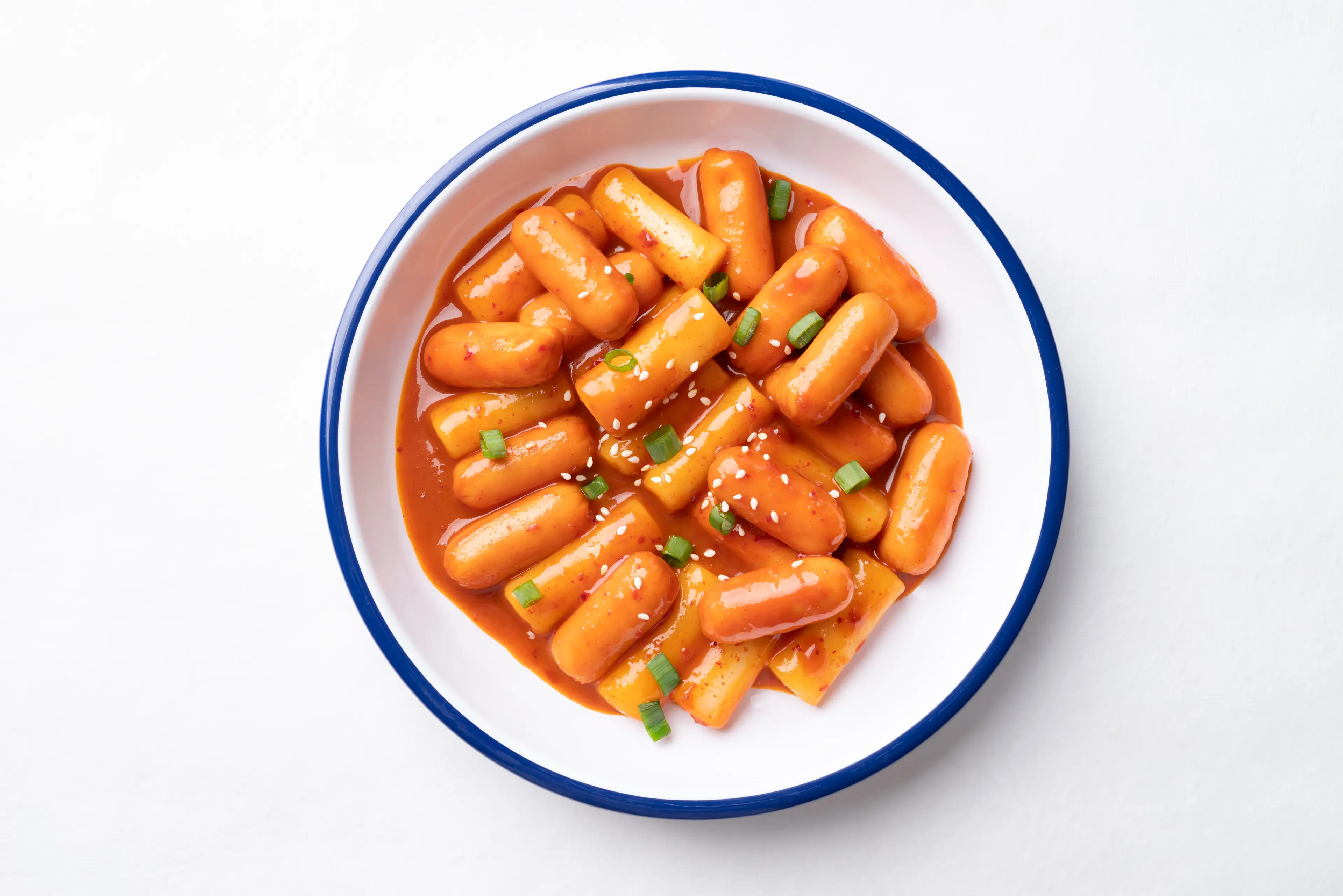
Hypothetically, let’s say you’re craving a hearty bowl of spicy, saucy tteokbokki with a side of Korean fried chicken and a sweet bingsu topped with extra fruit to finish.
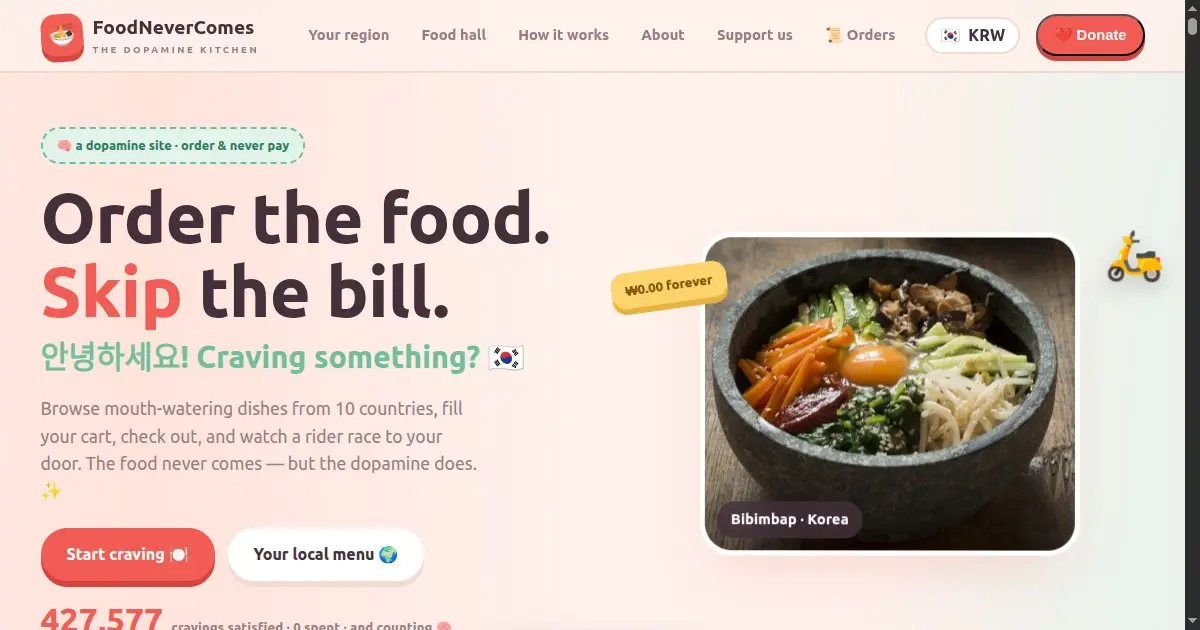
According to FoodNeverComes, one of South Korea’s leading fake ‘dopamine sites’, this would set you back by ₩24500 (£12.05) if you were to purchase it online.
However, if you’re just after the dopamine hit, you can actually use the site to order the meal without having to fork out a penny for it.
The catch, though? You never actually get the food.
To use FoodNeverComes, you add all the food-based items you fancy to your cart, go through the faux checkout process, and then watch a virtual courier bring your takeaway to your door.
And it isn’t just food sites cashing in on the trend, with virtual ‘cigarette break’ rooms popping up online, and online clothes stores full of fake items.
Science behind ‘dopamine sites’
Admittedly it does sounds strange to spend all that time planning a takeaway dinner, just to have to go into your fridge and make food anyway, right?
However, there is some science behind the rising trend.
According to a previous study, anticipation often generates a psychological reward equal to, or sometimes greater than, the actual purchase.
So by simply planning your fake takeaway (or ’fakeaway’, if you will), you can experience the same, if not a stronger, happiness surge than you would if you physically got your hands on the food.
Two people who have used the ‘dopamine’ sites have spoken positively about them.
One claimed scrolling through a faux food delivery service claimed the act helped manage their late-night food cravings.
“It somehow feels like I actually ordered something", they told the Korean Times.
“The site doesn’t allow orders anyway, so I can keep browsing without pressure. It feels like looking at food photos online. As I browse, my mood somehow gets a little better.” Kim said.
“I don’t end up ordering anything, but it feels like it relieves a little stress.”
Meanwhile, a college student reported less loneliness after visiting a smoke-break site while studying for exams, as reported by Psychology Today.
“I’m not actually smoking, but it feels like I’m taking a break with someone, so it’s strangely comforting," they explained to the publication.
"When I go on the site while studying alone, it feels like other people are struggling, too, so I somehow feel less lonely."
Psychologist Dr Gabrielle Schreyer-Hoffman told Mashable that perhaps the so-called dopamine sites are a modern coping mechanism to simulate, optimise, or soften parts of daily life.
"We do see people use social media, shopping, and buying food to fill voids and avoid being present.
“Maybe you don't spend the money, but you're not really dealing with the core issue, which is: Why are we going to these websites to do this?,” she questioned.
Criticism of ‘dopamine sites’
Social media users are naturally torn on whether these fake ordering sites are a good thing, with one Redditor typing: “If it works, this is great. Very much ‘no harm done’ as I see it. Something that can give the dopamine of addiction with none of the pitfalls is a great thing.”
Another argued it was ‘end-stage capitalism’ while a third said: “This is like that food where you season rocks and lick the flavor off lol. Capitalism has literally consumed the ability to consume.
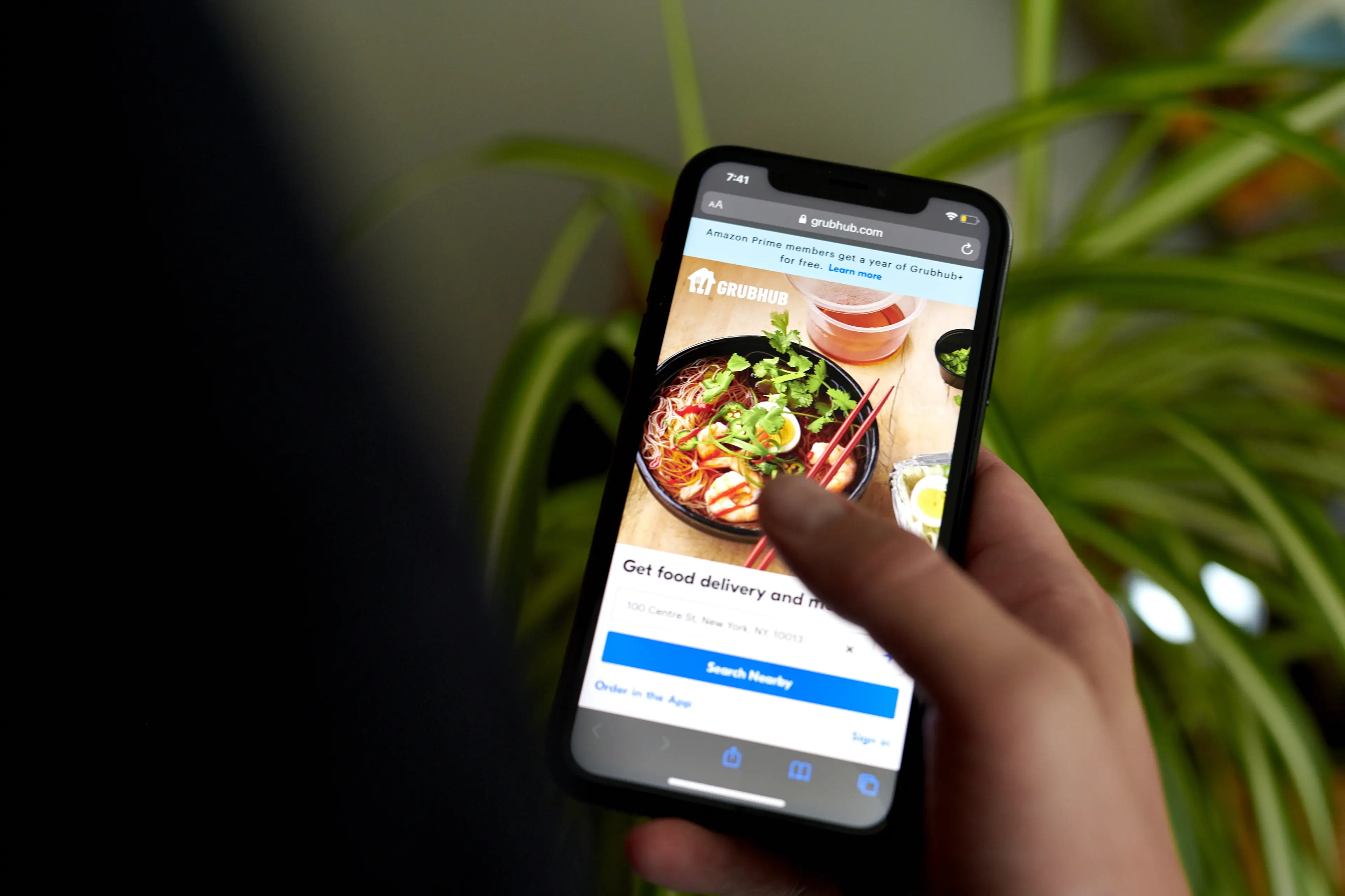
Someone else remarked: “I used to do this when I was a kid. Back then it was just ‘circling all the stuff I want in the catalog even though I’m a kid with no money and will never buy any of this’.”
A fifth joked: “New game genre just dropped: online shopping simulator.”
Many other Redditors have argued that the dopamine sites just take the ‘wishlist’ feature that some shoppable sites use a little further than we’ve previously seen.
“Wasn’t that the purpose of the wishlist?!,” one said, while another added: “You can shop on any site without buying anything. Just add whatever you want into the cart. And then don't hit submit.”
Topics: News, Social Media
 Ella Scott