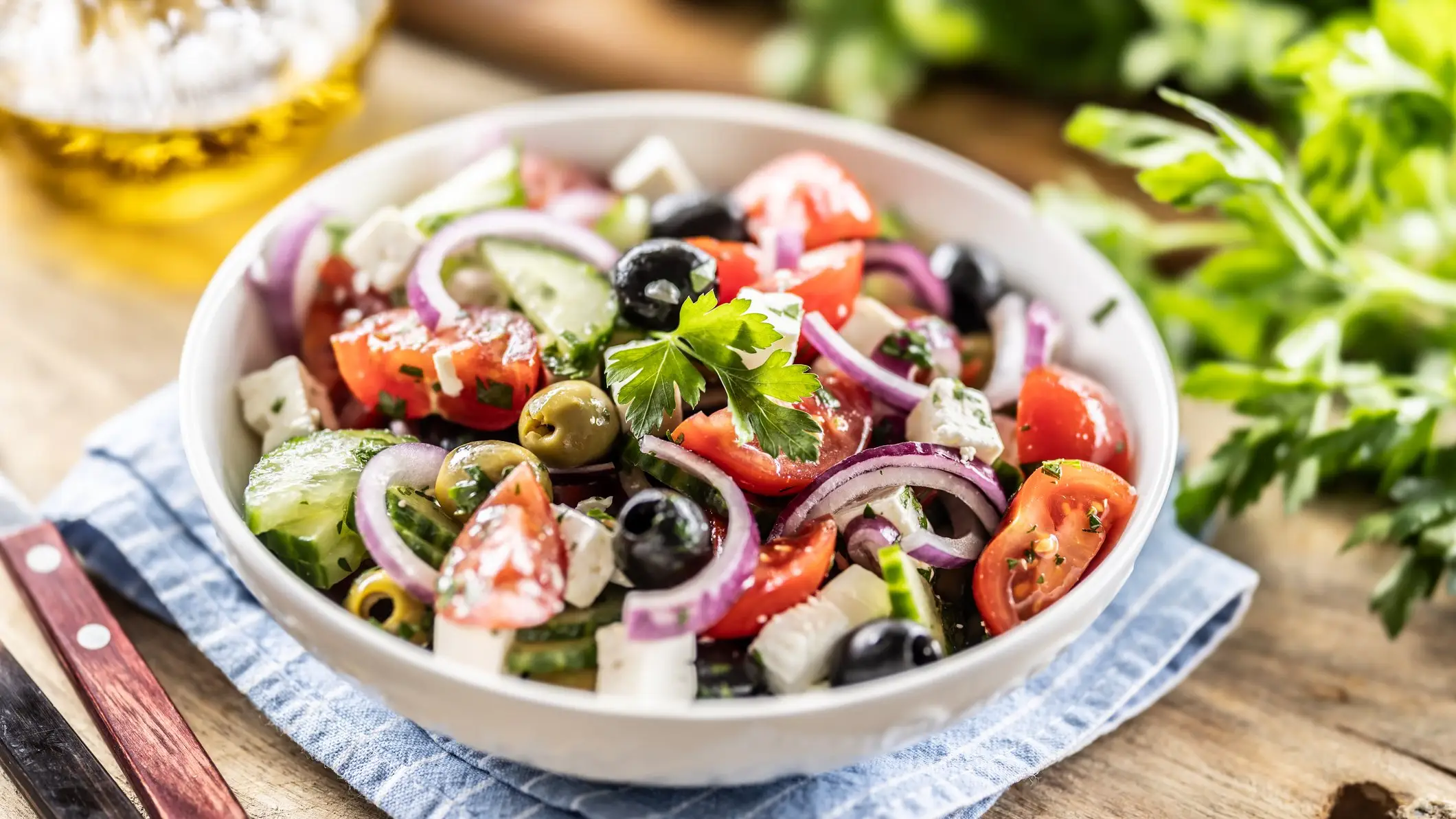
Diet that's even better for you than Mediterranean lifestyle according to new research

If there’s one eating style that’s managed to hold onto the wellness crown for years, it’s the Mediterranean diet.
Sun-soaked plates of fresh vegetables, grilled fish, fragrant herbs and that famously generous drizzle of extra virgin olive oil have long been held up as the gold standard for anyone hoping to feel lighter, live longer and eat in a way that doesn’t feel like a chore.
Health experts have praised the Mediterranean diet for it for its colour, its balance and, let’s be honest, its Instagram-ready appeal. It’s the kind of diet that doesn’t really feel like a diet at all.
Although, the Mediterranean way might still dominate holiday menus and health magazines, researchers have quietly been exploring whether something else could outperform it.
Advert
Now, after looking closely at how different eating patterns influence appetite, satiety and long-term weight management, the science has a fascinating revelation.
Tucked between the olives and tomatoes is a surprising challenger, one that couldn’t look more different on the plate.
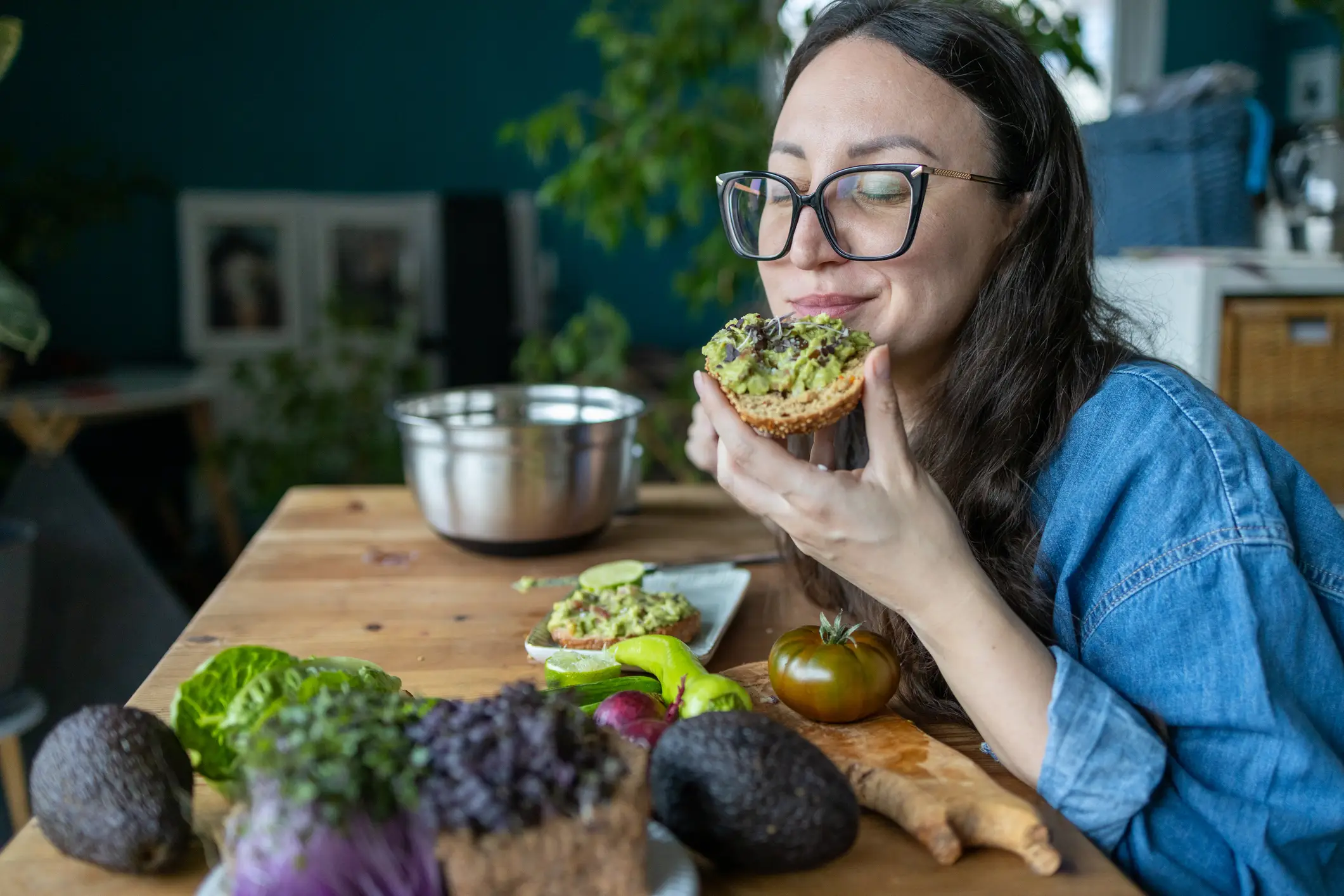
According to new research published in Frontiers that put 62 adults through two consecutive diet phases lasting 16 weeks each, the eating pattern that ultimately came out ahead was the low-fat vegan diet. Participants followed one diet, took a short break, then swapped to the other.
The results were that those who cut out animal products entirely saw greater weight loss than during their Mediterranean phase, even when their plant-based vegan plates included items normally classed as less healthy.
The researchers broke things down using the plant-based diet index, which tracks how much of a person’s food intake comes from plant sources and how nutritious those sources are.
While healthful plant foods such as whole grains, vegetables, nuts and legumes increased across both diets, something unexpected happened elsewhere: intake of unhealthful plant foods actually went up during the vegan phase, yet weight loss still improved.
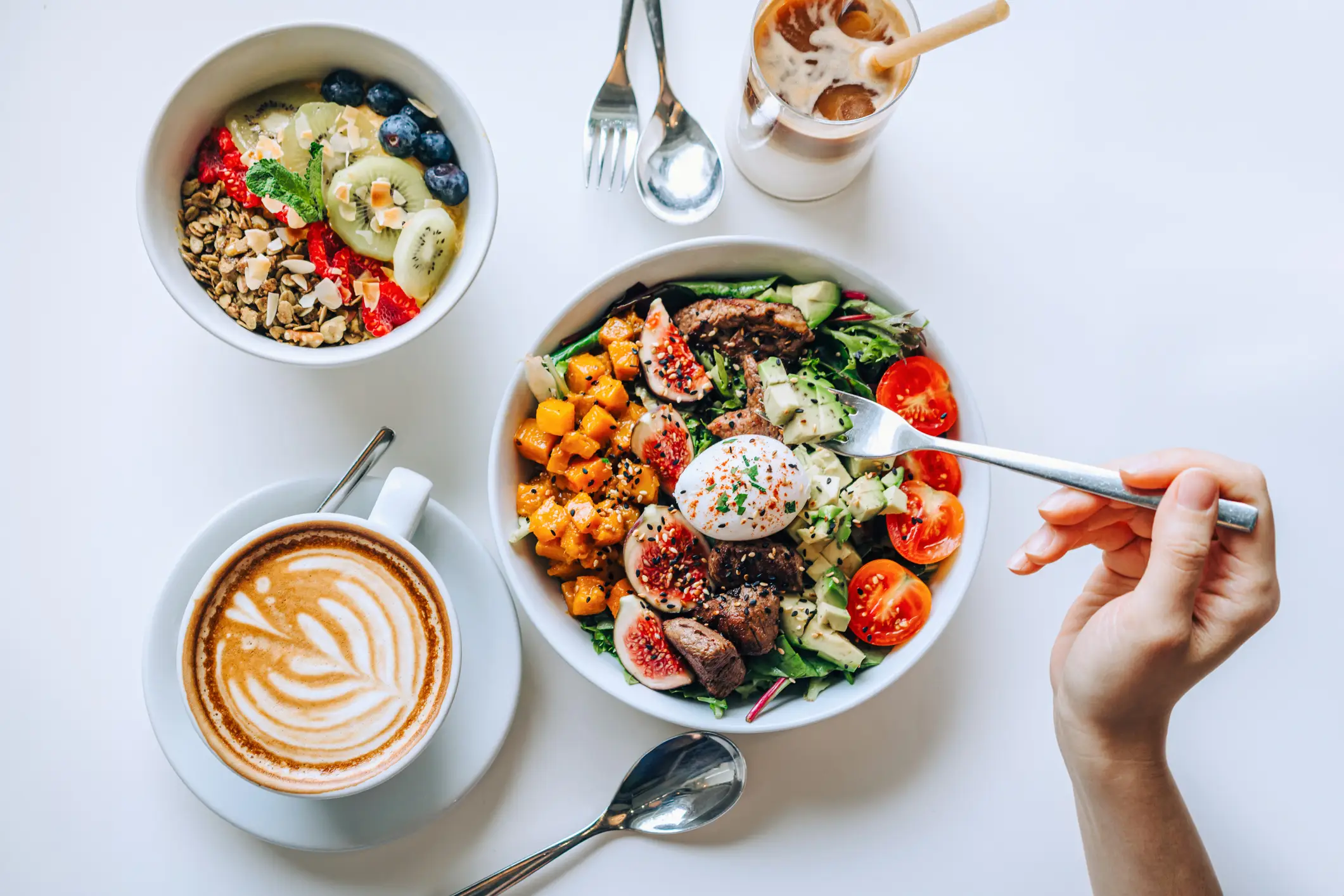
The study authors, including Hana Kahleova, Reagan Smith, and Ilana Fischer, explained why, noting: “Replacing animal products even with the ‘unhealthful’ plant-based foods on a vegan diet was associated with weight loss.”
They went on to add: “These findings suggest that replacing animal products with plant-based foods, and reducing the consumption of oil and nuts, may be successful strategies for weight loss. These foods are rich in fiber, have a lower energy density, and have been shown to stimulate glucagon-like peptide-1 (GLP-1) secretion and enhance satiety.”
This link to GLP-1 is especially interesting given the surge in popularity of medications like Ozempic and Wegovy, which mimic the natural hormone to help regulate appetite.
The idea that an everyday diet could nudge similar biological pathways makes the low-fat vegan approach more than just another wellness trend.
 Ben Williams