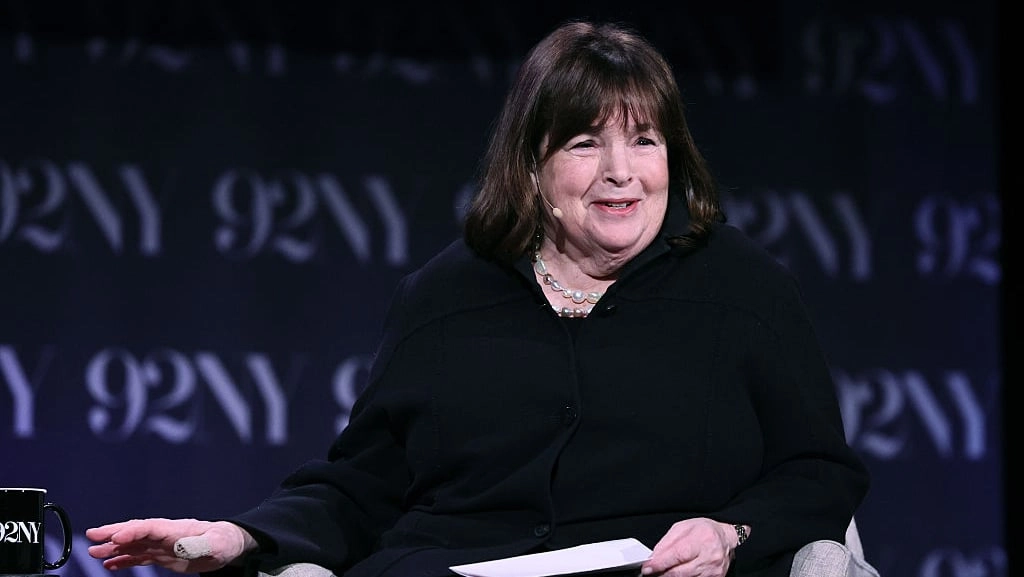
Ina Garten gives frank opinion on rising ‘Tradwife TikTok Trend’

Cookbook star Ina Garten has opened up about the so-called 'tradwife' lifestyle that has been taking over social media.
The 78-year-old television chef and cookbook author was discussing the rise of social media influencers who have embraced what many see as an old-fashioned vision of domestic life, when she was asked about the movement during an interview with The New York Times.
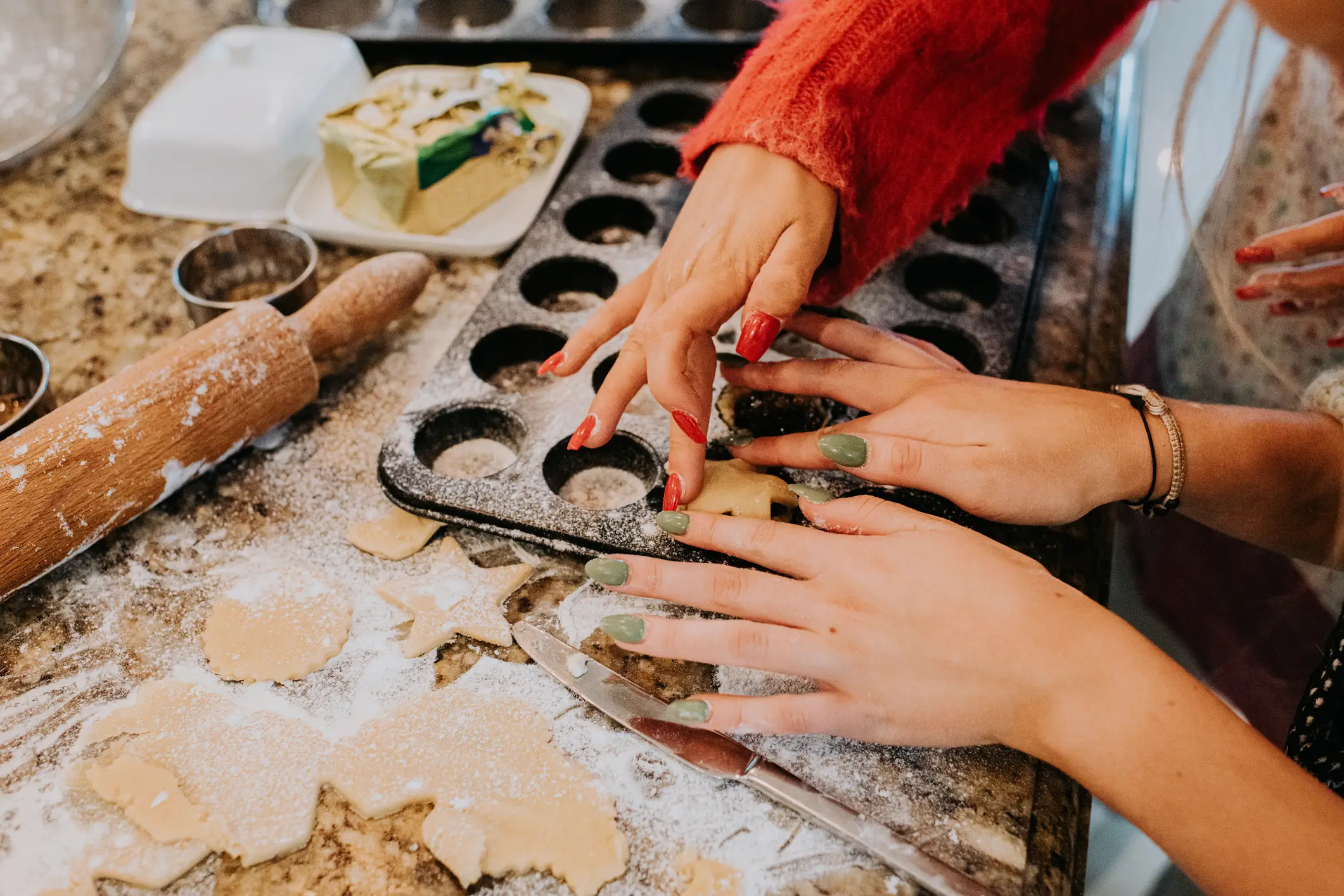
The term 'tradwives' is short for 'traditional wives' and is typically used to promote a lifestyle centred around homemaking, cooking, childcare and supporting a husband, often while presenting an intensely curated version of domestic life online.
Some influencers have built huge audiences by documenting everything from growing their own food and raising children to baking bread and preparing elaborate meals entirely from scratch.
Advert
For Garten, however, there is no single correct way for women to live.
The rise of the Tradwife
Garten tried to maintain a balanced view: “The only thing I advocate is do exactly what feels right to you,” she said. “Period.”
She went on to make clear that staying at home and looking after a family can be perfectly valid, but so can pursuing a career.
“If you want to stay home and cook and take care of the family, I think it’s wonderful. If you want to work, I think it’s great,” Garten said.
Her key take on it was warning against allowing social media or wider cultural expectations to dictate someone’s choices.
“Just don’t become somebody else because you think it’ll allow you to fit in,” she added, arguing that people should work out who they are and do what they genuinely want.
The comments come as the tradwife aesthetic continues to attract enormous attention online.
British Vogue reported in 2024 that the trend had already generated more than 300 million views on TikTok, with creators presenting highly polished versions of domestic life that can include home births, farming, cooking and raising large families.
Elsewhere, research from King’s College London has suggested that the popularity of tradwife content may actually reflect modern frustrations with work and family life rather than a widespread rejection of gender equality.
Researchers from the Global Institute for Women’s Leadership examined attitudes towards gender roles over several decades and found no evidence that younger women were broadly returning to traditional ideas about men and women.
Instead, the research suggested that many young women are attracted to the imagery of tradwife content because it represents simplicity, leisure and an escape from the pressures of modern working life.
The perfectly organised kitchen, homemade meals and apparently effortless family life presented on social media can look appealing at a time when many people feel overwhelmed by work, childcare costs and the expectation to succeed professionally while maintaining an ideal home life.
For some viewers, the fantasy may therefore be less about wanting a husband to become the sole breadwinner and more about wanting the time and financial security to slow down.
Garten's career and business acumen
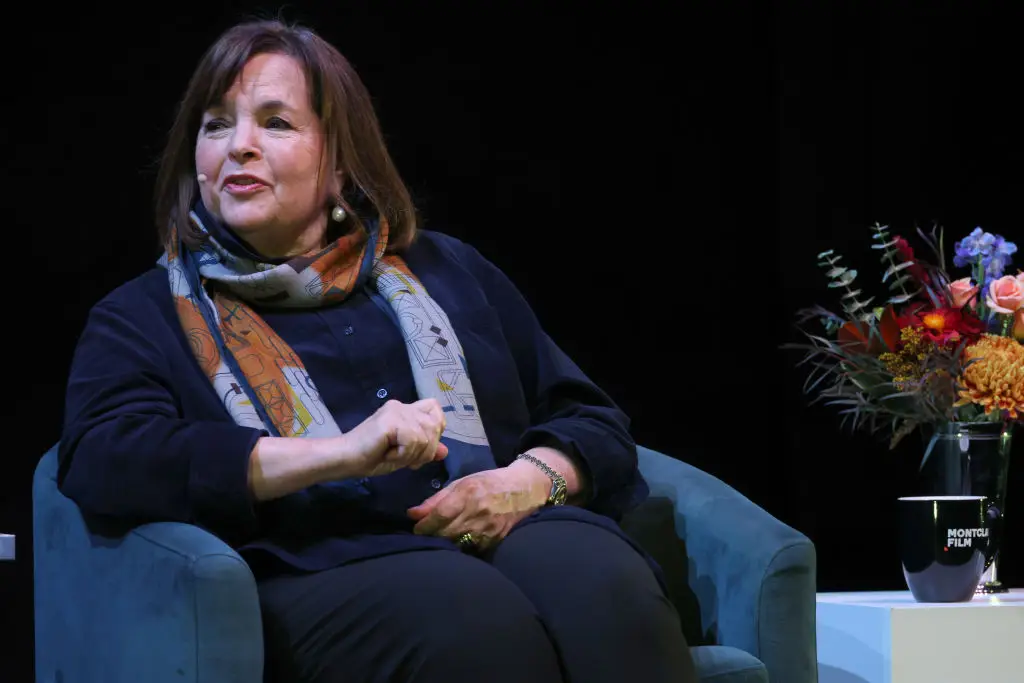
Garten's own career provides an interesting contrast to the traditional housewife image.
She became a household name through cooking and entertaining, but her success came relatively late.
She bought the Barefoot Contessa speciality food shop in the Hamptons before moving into catering, publishing and television. Her first cookbook was published in 1999, while her Food Network programme began in 2002, when she was 54.
Her approach has also traditionally been less about perfection and more about making entertaining accessible.
In her recent New York Times interview, Garten explained that she deliberately rejected the idea that she should simply copy Martha Stewart, who had helped her early in her career.
Garten said Stewart 'elevated home arts' and praised her vision, but explained that she wanted to simplify things.
Rather than carving out an entire pumpkin to serve soup, for example, Garten's philosophy was to make a nice dinner without making everything unnecessarily elaborate.
That distinction has arguably become increasingly relevant in the age of TikTok.
The reality of cooking, cleaning and caring for a family, of course, is considerably less polished than many of these videos appear.
Garten's philosophy is strikingly different: domesticity can be enjoyable, but it should not become a performance that women feel obliged to replicate.
The problem, Garten suggests, comes when people feel compelled to perform a particular identity simply because it is fashionable online.
Topics: Celebrity, Social Media
 Jen Thomas