Doctor has stark warning over using weight loss jabs for Christmas binge-eating

As is well known, Christmas is a time for excess, with plates piled high and the vague promise that it will all be dealt with in January.
For many, festive indulgence is simply part of the deal, and a brief pause from routine before normal service resumes.
On the other hand, with waistlines expanding alongside portions, some people are already looking for ways to sidestep the annual weight gain altogether.
From compensatory walks to protein-packed breakfasts, preventative strategies are nothing new. This year, however, a growing number appear to be considering a far more extreme option.
Advert
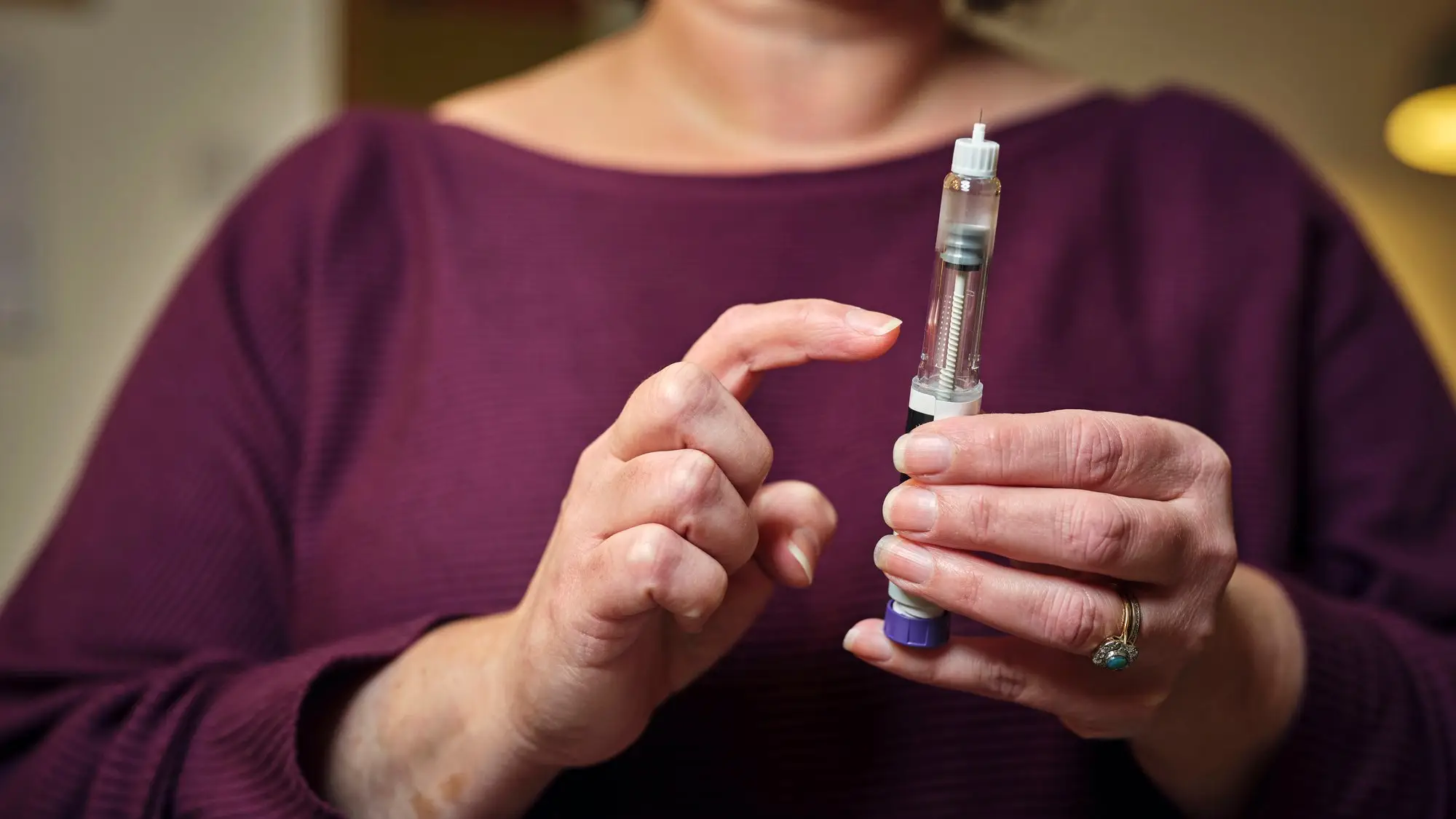
Pharmacies across the UK are reporting increased interest in weight loss injections in the run-up to Christmas. The drugs, commonly known as ‘fat jabs’, are typically prescribed for long-term weight management or diabetes (not seasonal overindulgence).
Despite its origins, demand is rising among those hoping to use them as a temporary buffer against festive binge-eating.
According to polling, people in Britain can consume up to twice their usual calorie intake over Christmas. That spike is often followed by a surge in gym memberships and strict diets in the New Year.
However, the difference now is that appetite-suppressing injections are being seen by some as a shortcut through the chaos.
It is at this point that medical professionals are stepping in with a stark warning.
Dr Leyla Hannbeck, chief of the Independent Pharmacies Association, told The Sun: “Pharmacies up and down the country are seeing increasing numbers of people requesting weight-loss injections ahead of Christmas, simply to avoid gaining weight over the festive period. These medicines are not intended for precautionary use.
"Weight-loss management needs to include a healthy lifestyle, balanced diet, and exercise. We are deeply concerned that some see these injections as a quick or easy fix.”
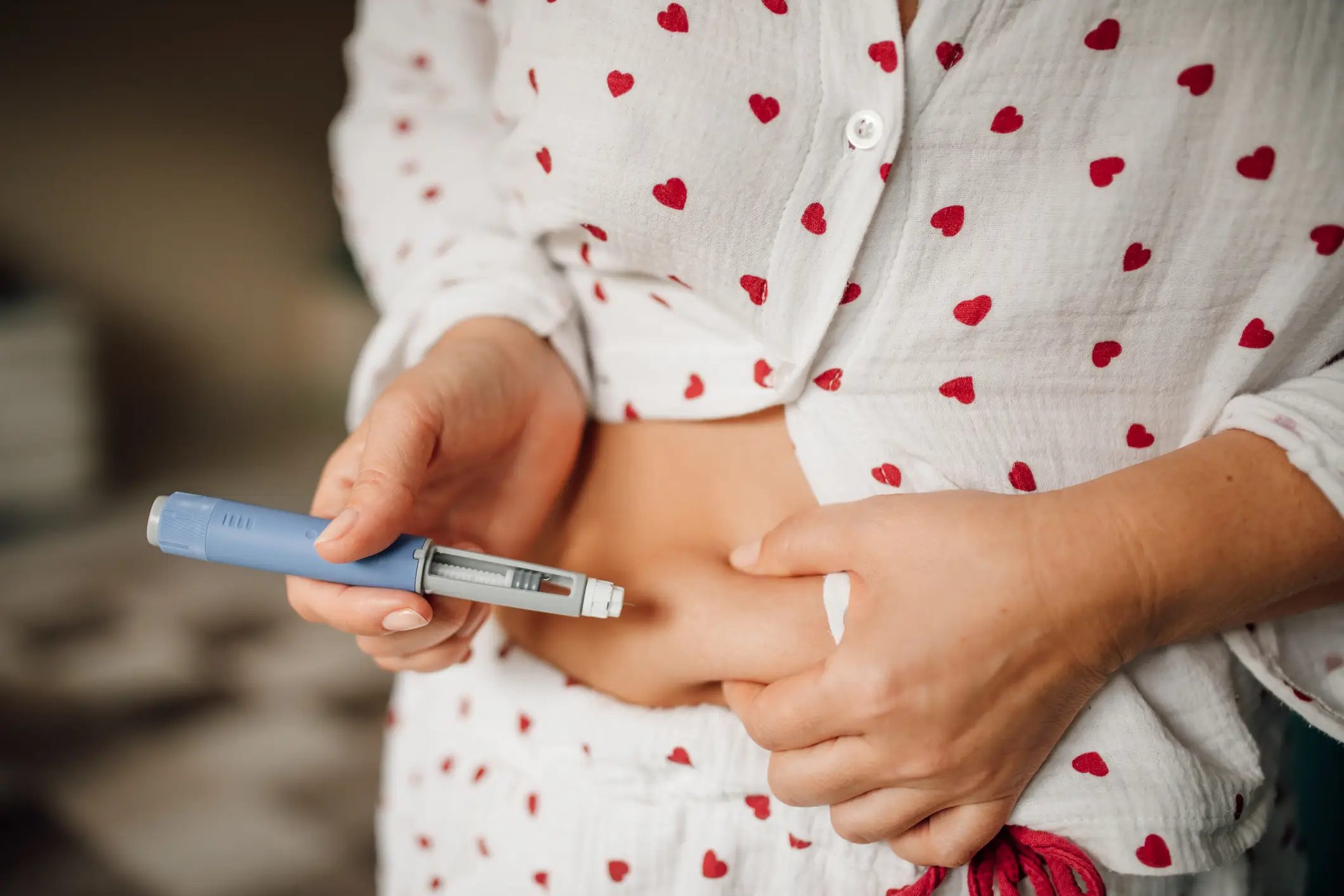
The injections, including drugs such as Ozempic, work by blocking hunger signals from the brain, leaving users feeling full after eating very small amounts.
While effective in clinical settings, experts warn they are not risk-free; this is particularly true for people who are already slim or who take them without proper medical oversight.

There are also fears that limited NHS availability could push people towards unsafe alternatives. Around 2.5 million people in the UK are estimated to be obtaining weight loss jabs privately, and experts worry that desperation to avoid festive weight gain may drive some towards the black market.
Dr Hannbeck has urged anyone considering the injections to seek a ‘proper clinical assessment’, stressing that they are not a lifestyle accessory or a seasonal solution.
On the NHS, access to weight loss jabs remains tightly controlled. Treatments such as Wegovy are only available through specialist clinics, while others are reserved for patients with very high BMI and multiple health conditions. They are rationed to those considered most in need.
As Christmas approaches, doctors are reminding the public that a few days of indulgence rarely undo a year of healthy habits.
 Ben Williams