4:2:1 method that makes rice perfect every time

A renowned Japanese chef has divulged the method he uses to prepare the perfect pot of rice every single time. And the good news? You probably already have everything you need in your kitchen cupboard.
Rice can be notoriously tricky to cook, with many of us opting for boil-in-the-bag or microwavable pouches to avoid cooking (and probably burning) the real deal.
However, if you were inspired by watching Justin and Hailey Bieber making sushi last December and plan to try your hand at making the fishy treat at home yourself, then now is the best time to bite the bullet and get really good at cooking sushi rice.
Sushi rice, also known as shari, is a short-grain carbohydrate with high-starch composition, making it sticky when cooked.
Advert
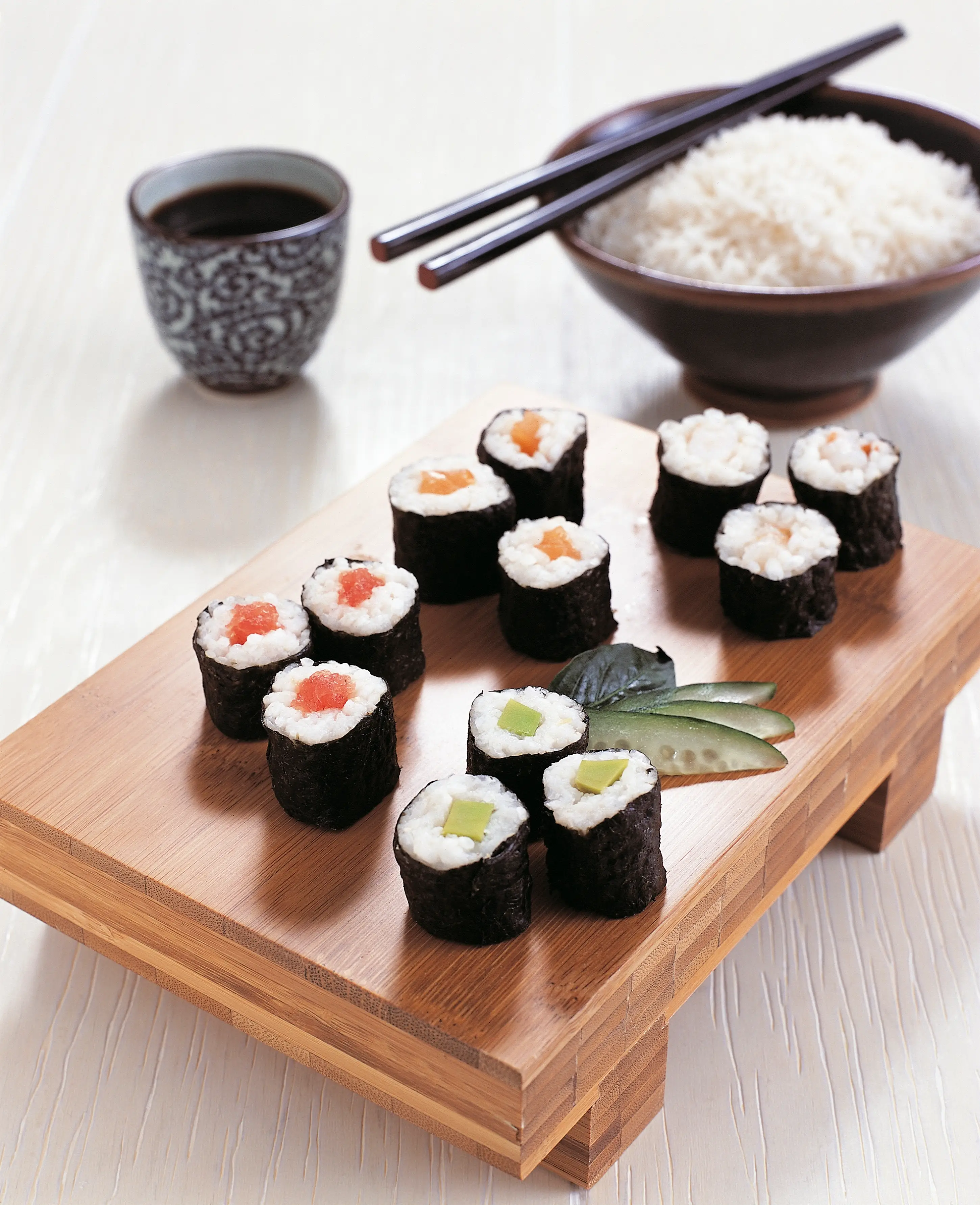
Once cooled, you can use this versatile staple to make nigiri and maki rolls, or mould it into an onigiri - a portable rice triangle wrapped with nori.
But according to chef Nobu Matsuhisa, making a flawless vat of sushi rice is all down to how you prepare it - and season it later.
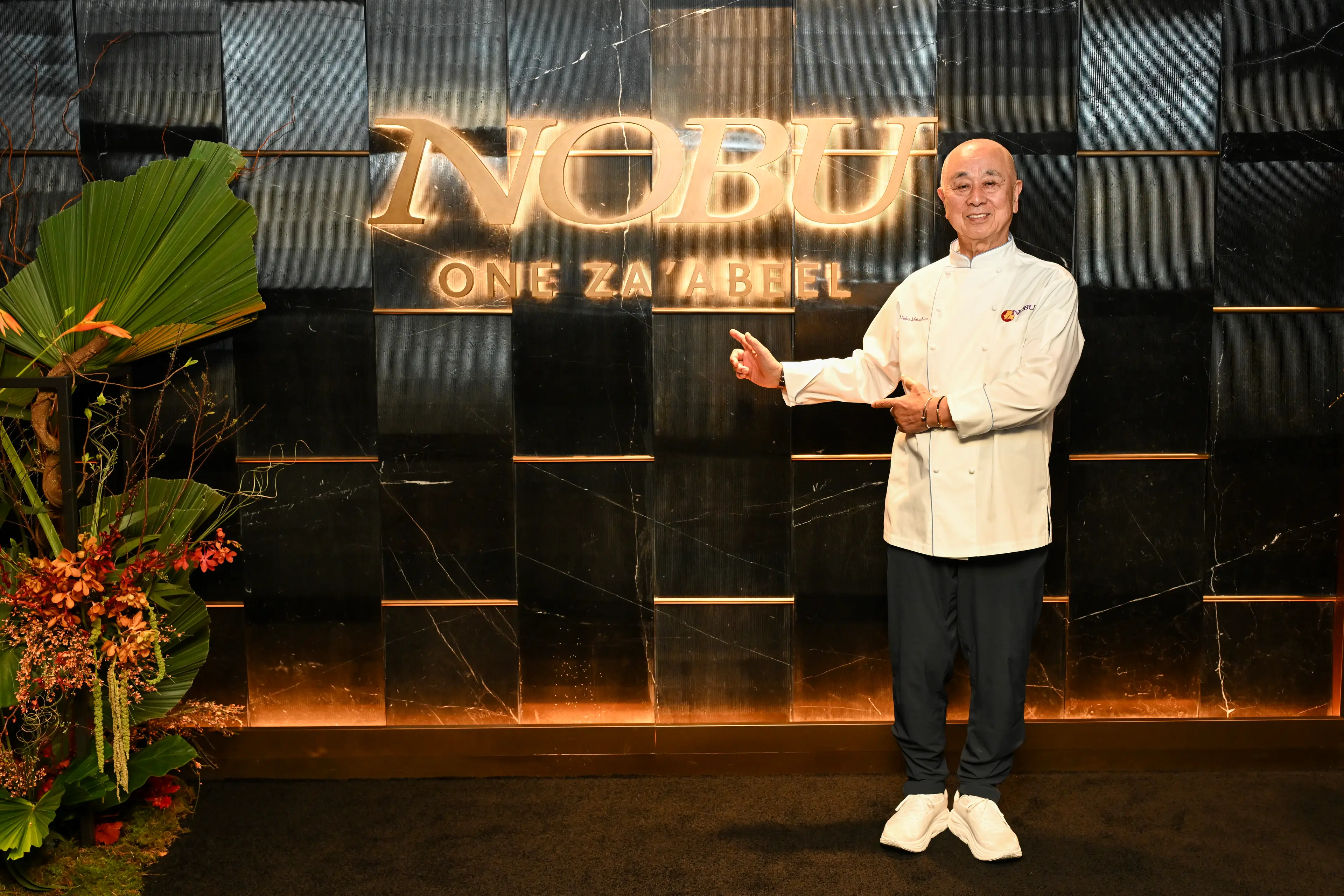
The 77-year-old, who learned to make sushi in his native Japan, recently instructed Food&Wine readers on how to make a brilliant base for high-quality seafood.
According to Matsuhisa, you should use the ‘4:2:1’ method after rinsing your raw rice in cold water ‘five or six times’.
“Or until the water runs completely clear,” he explained.
By washing your rice, you can reduce the amount of starch coming from the rice grains, preventing them from becoming too sticky.
After rinsing, you should soak the grains in fresh water for a further 30 minutes. Once they have absorbed the liquid, stick the rice on the hob in a water-rice ratio that is between 1:1 and 1:1.2
The celebrity claimed this would allow the grains to ‘absorb moisture’ while ensuring that they cook ‘evenly’.
Once your sushi rice is finished, Matsuhisa said to transfer it to a large bowl and stir in a simple vinegar.
This special chef-approved ‘sauce’ should be made with a 4:2:1 ratio.
"Prepare a simple sushi vinegar using a 4:2:1 ratio: four parts rice vinegar (red rice vinegar, if available), two parts sweetener, and one part salt," the expert informed the publication.
“In my restaurants, we use monkfruit sweetener instead of white sugar.”
However, if monkfruit - native to southern China - is unavailable, then white granulated sugar should work just as well, apparently.
Make sure you gently heat the mixture so that the sugar and salt are fully dissolved before pouring in and giving a right good stir.
The culinary expert added that if you have kombu - an edible, dried brown sea kelp - to hand, then you should add it to the vinegar.
This will add a rich umami flavour and take your sushi rice to the next level.
Just be sure to remove it before mixing the vinegar into the sushi rice!
And now you know exactly how one of the best chefs in the world makes his rice, there’s no reason for you to put your sushi-making sessions on hold any longer.
 Ella Scott