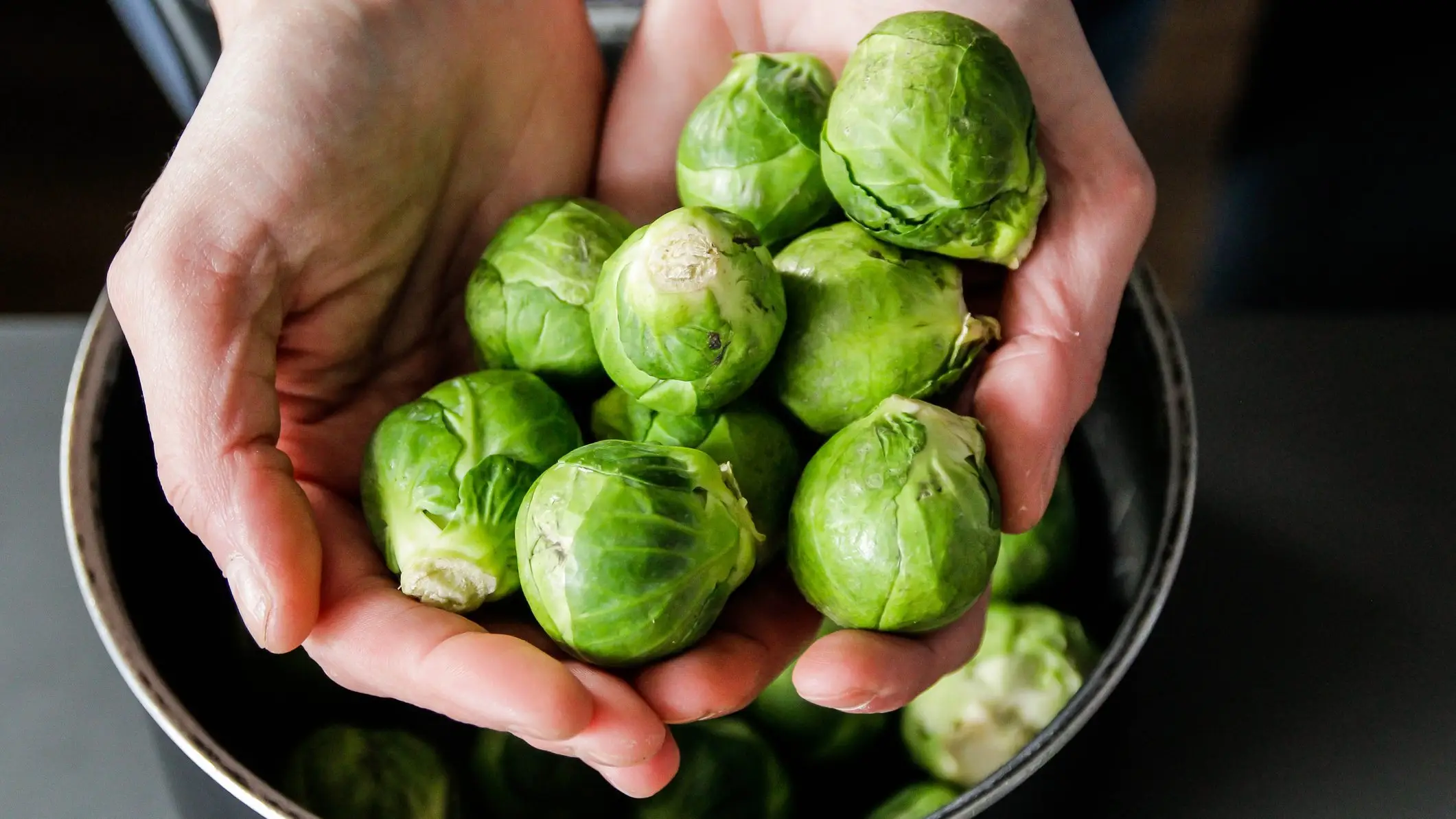
You’re probably mispronouncing ‘Brussels sprouts’

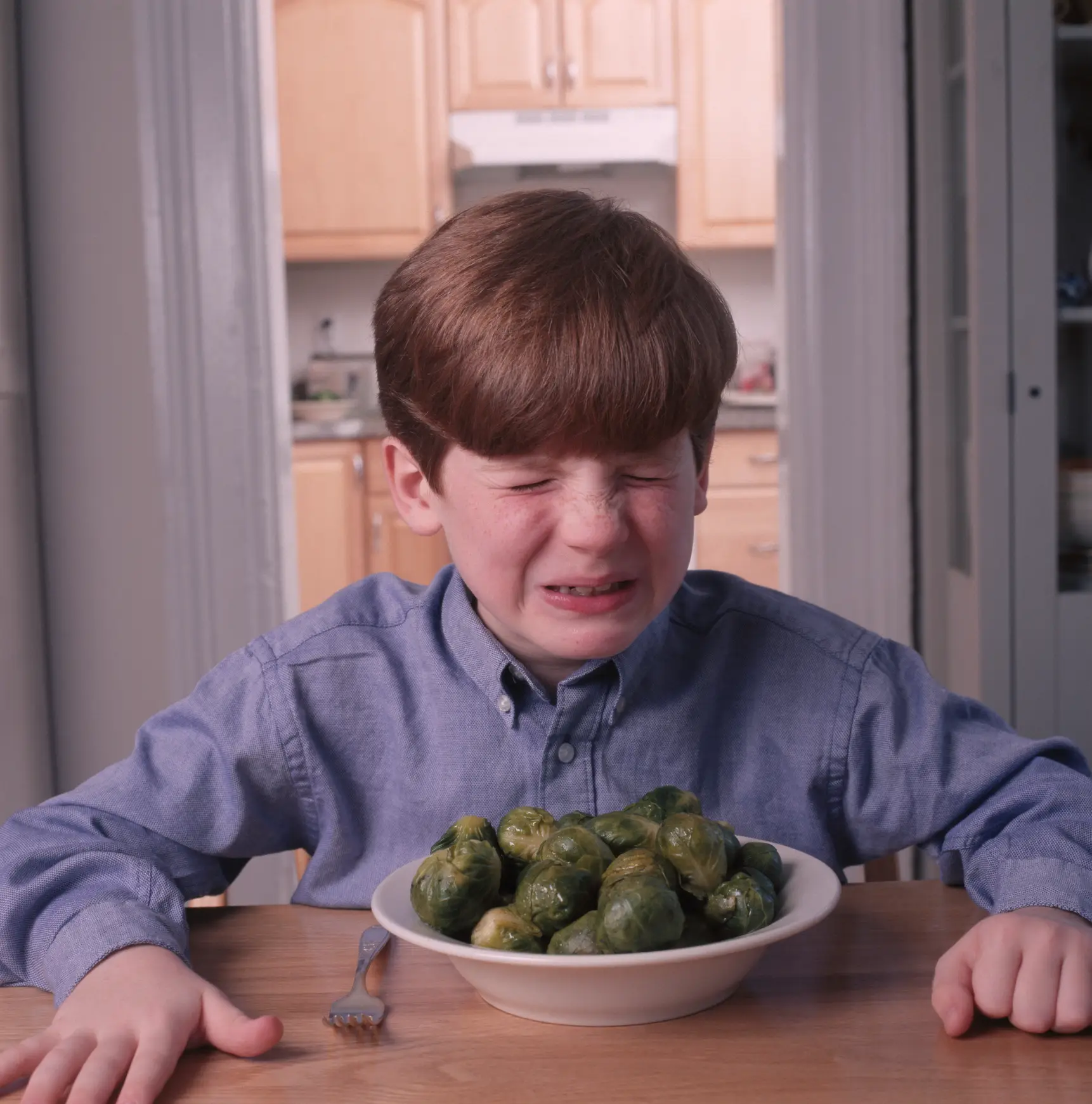
The humble Brussels sprout gets a bad rap from some quarters. They’re effectively tiny cabbages, typically served alongside a Christmas dinner, and they’re a handy little shot of nutrients.
They’re absolutely loaded with vitamins C and K, contain lots of fibre which is great for digestion, and they’re rich in antioxidants too.
So, if you’ve not yet acquired the taste, it’s worth doing. As with many things you might not have immediately liked as a child, Brussels sprouts aren’t nearly as bad as some people make out.

Advert
Getting your mouth around a Brussels sprout is only half the battle; getting them around your tongue is another matter.
As it turns out, many of us are mispronouncing the little green nodules’ name: it’s ‘Brussels sprout’, not ‘brussel sprout’.
"After 57 years I learnt it is a Brussels sprout, not a Brussel sprout," one person admitted on X last week.
Another took to Reddit a couple of years ago, writing: "Honestly? Not something I'd ever thought about before, but I saw them advertised and was blown away by the fact they are Brussels and not Brussel. Everyone I've asked (a total of 3 people) were equally as surprised."
You can thank us for saving you from that lexical faux pas when Yuletide next rolls around.
Despite Brussels being a Belgian city, the name originated in France. They picked up the moniker sometime in the 18th century, likely as they were grown near Brussels.
They’ve been grown there for a very long time, with records pointing to them first being cultivated near Brussels in the 13th century.
Not only is their Brussels name a near-misnomer, but the sprouts are most voluminously grown in the Netherlands rather than Belgium or the French-Belgian border.
We in the UK aren’t far behind our Dutch cousins, but the land commonly known for its Devil’s Lettuce also takes the crown for growing a lot of the Devil’s Cabbage.
You might have noticed your Brussels sprouts were a bit bigger than usual in December 2024. This near-25% increase in size was the result of particularly good sprout-growing conditions.
“The quality of the festive crop that has been coming through in the last few weeks is among the best we’ve had in recent years,” said Simon Tenwick, buying manager at Tesco, according to the Guardian. “We are certain sprout fans will be delighted.”
While weather conditions regularly make the headlines with regards to the potential damage to crop yields, sprouts were thriving with last year’s rainfall and sunshine.
“This year we’ve pretty much had a reversal of growing conditions to 2023,” said John Moulding, commercial director of Lincolnshire-based TH Clements, in the Guardian’s report. “The right amounts of warmth and sunshine during the summer months after they were planted, good amounts of rain during the autumn and now colder weather in December.”
TH Clements recommends playing to the strengths of silty soil, and has been encouraging producers to plant on alluvial silts – silt, sand, clay and gravel deposited by running water – that’s common to the Lincolnshire coastline.
“The silts are situated in different growing areas that all have their own microclimates and coastal frost protection. Sprouts enjoy the breeze of the coast that gives frost protection.”
If you’re local to some alluvial silts, you could be sitting on a Brussels sprout goldmine.
Topics: UK Food
 Rachael Davis