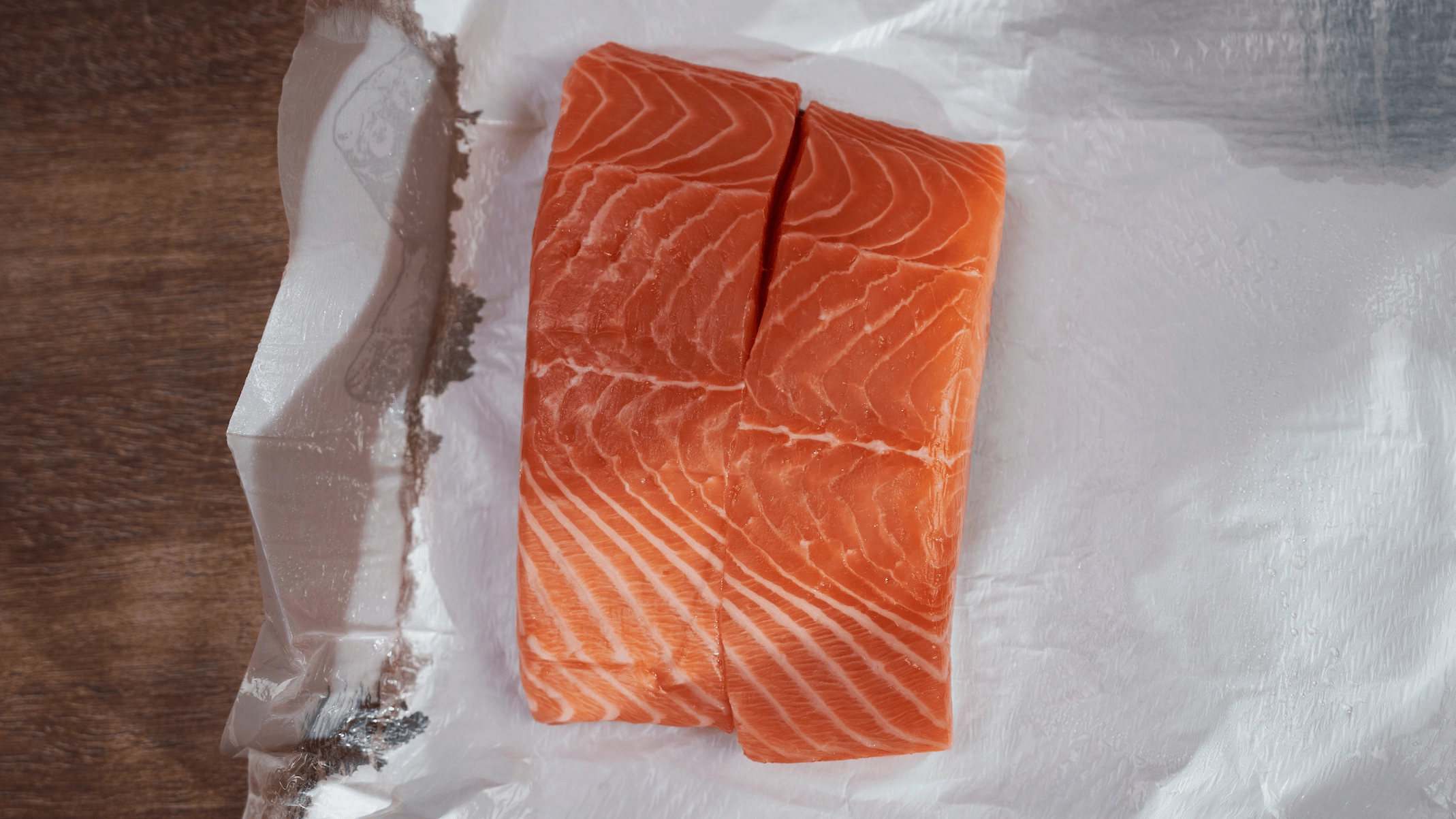
Warning to anyone buying salmon over important detail to look out for

Anyone who regularly enjoys a mid-week fish supper is advised to double-check the supermarket label, with experts warning of legal mislabelling.
Industry body Salmon Scotland reported last year that sales of salmon, a ray-finned, anadromous fish, had reached a whopping £ 1.5 billion in the UK.
These jaw-dropping sales accounted for almost a third of all fish consumed by British residents in the space of one year, The Express said in December 2025.
And while the popular fish is a good source of omega-3 fatty acids, essential vitamins, such as B12, and is known to help increase ‘good’ HDL cholesterol, it turns out you may not actually be eating it at all.
Advert
Experts from Maine Lobster Now have suggested that you could be misled if you pick up any salmon in the supermarket labelled ‘rock salmon’.
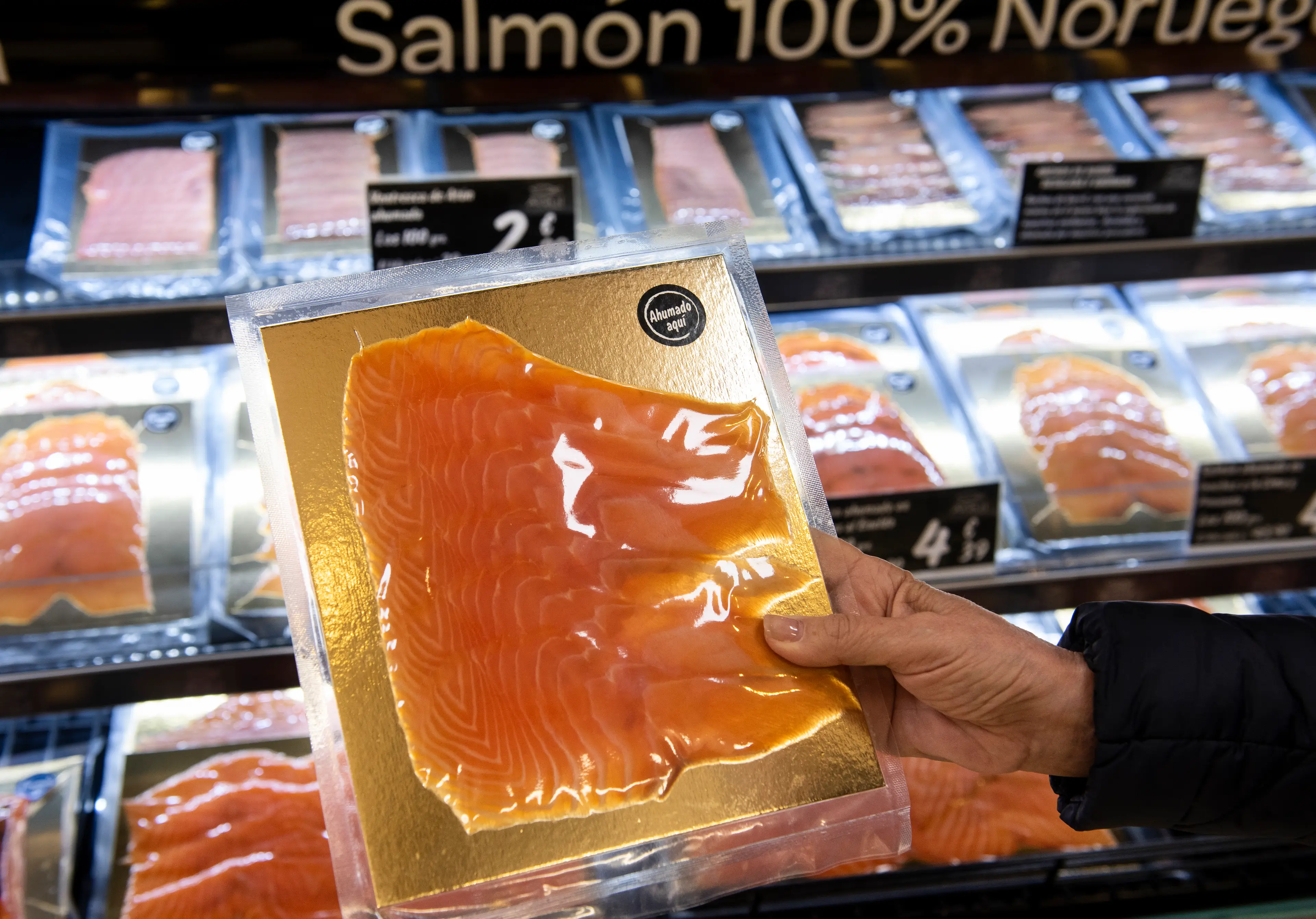
Apparently, this is the shocking commercial name for another species of fish, the professionals have warned.
"Rock salmon is not salmon from rocky waters, nor is it a cheaper variety of salmon,” explained Julian Klenda, seafood expert at Maine Lobster Now.
Rock salmon may not be ‘salmon’ at all
You may not be aware, but rock salmon is the ‘traditional’ name used to describe the ‘meat of small sharks’.
“That distinction matters because sharks have separate NHS consumption advice, particularly for pregnant women, people trying to conceive and children,” Klenda continued.
So how can supermarkets get away with calling the fish salmon when it isn't the species at all?
Well, Defra's official list of UK commercial fish designations permits relevant species to be sold as dogfish, flake, huss, rigg, rock eel or rock salmon, as reported by Glasgow Live.
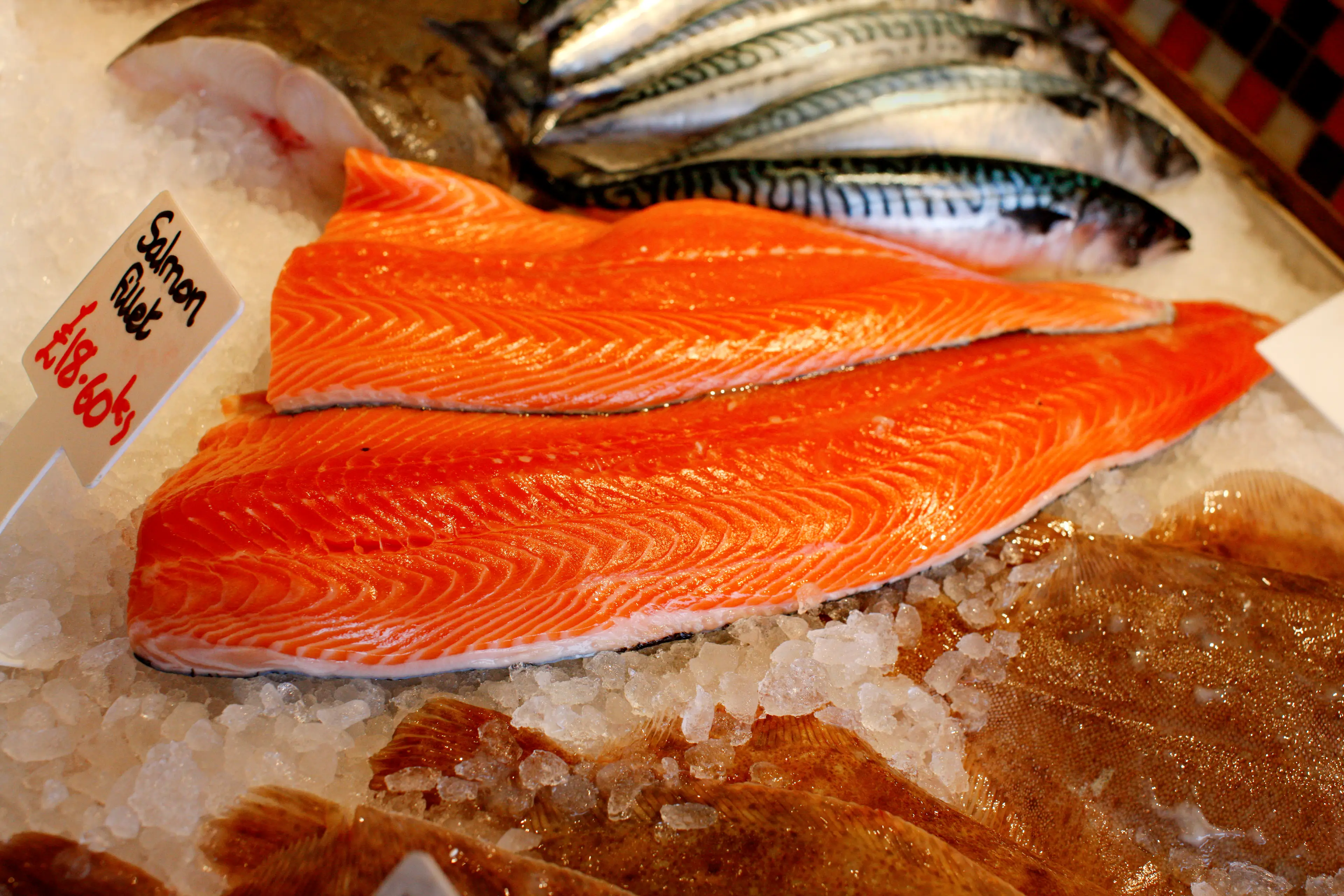
These are so-called ‘lawful commercial descriptions’, meaning their presence does not necessarily indicate that a retailer has acted improperly, the publication said.
"Most shoppers would not naturally place all six names in the same category.
“Someone may avoid a product clearly labelled 'shark' but happily order huss or rock salmon without realising that the same health guidance could apply,” Klenda stated.
How to avoid eating shark or another type of fish
"If the commercial name is unfamiliar, look for the scientific species name elsewhere on the packet or counter label.”
The expert also advised asking local fishmongers or takeaway owners to tell you exactly what kind of fish you’re ordering.
"This is not about being frightened of every fish dinner. It is about knowing what has actually been purchased and following the appropriate guidance for that species.”
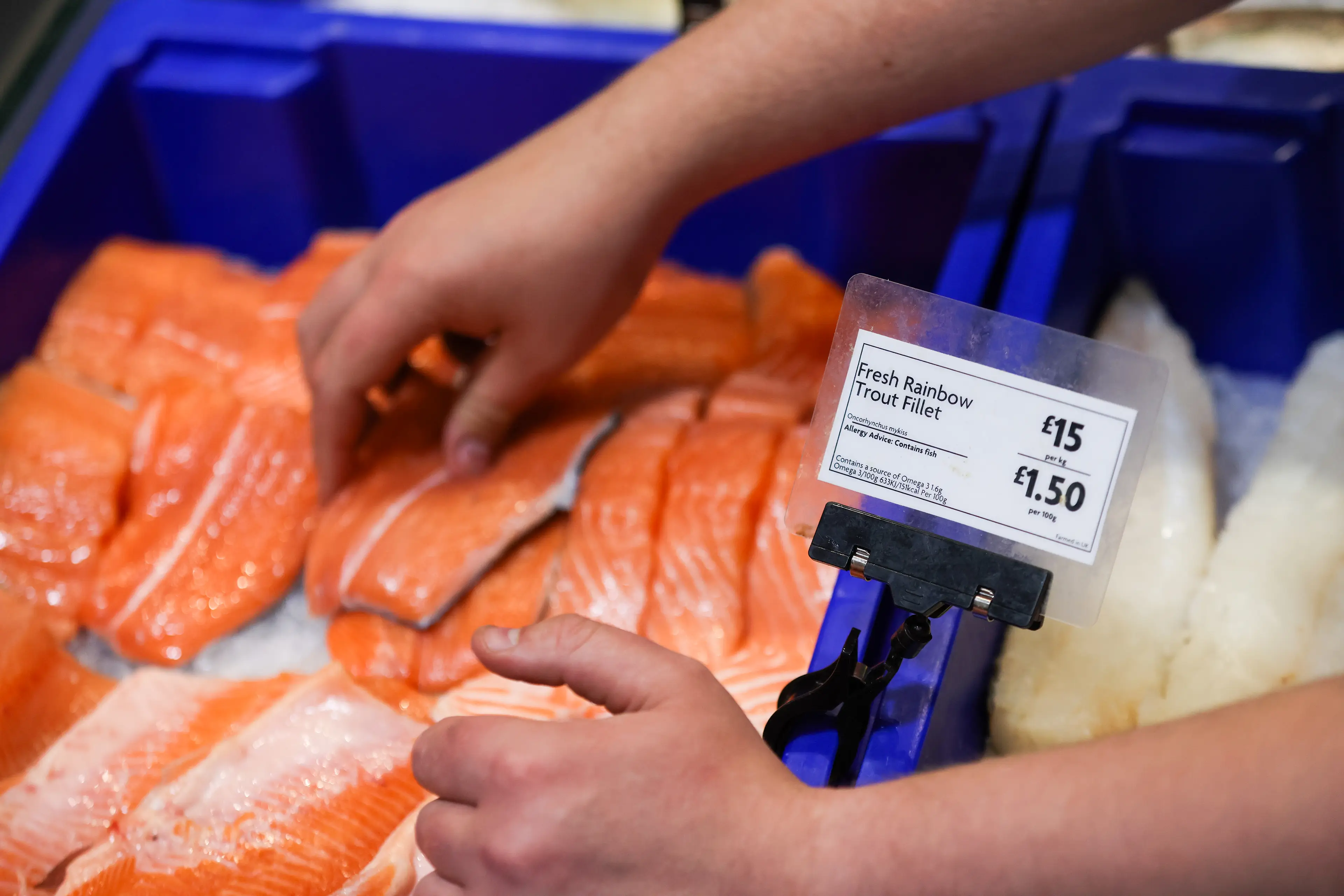
The NHS does not advise consuming more than one portion of shark per week.
So, to make sure the item you’re eating is salmon, shoppers are advised to take a closer look at the product’s description printed on the back of the packet.
Any reference to dogfish, flake, huss, rigg, rock salmon or rock eel should be noted.
Fish and chip shops caught selling catfish
The warning comes after experts at Liverpool John Moores University suggested that some takeaways in the North West were selling catfish without informing their customers of the species, thus violating food laws.
The species, known as pangasius or river cobbler, is ‘very difficult for a member of the public who is not a trained fish biologist to identify’, said Professor Stefano Mariani, who oversaw the tests with his colleague Catherine Perfect.
“When you go and get fish and chips most people expect a marine species, so cod, haddock or plaice,” he continued.
"I think if you've got something that's farmed, like pangasius, as long as it's advertised as such that's fine.
"It's when it's being sold at a cod price that's a problem and shops need to be careful about doing that."
The professor added that chip shops should be listing the species on their menus.
"As an industry, we've got to have the trust of the general public.”
 Ella Scott