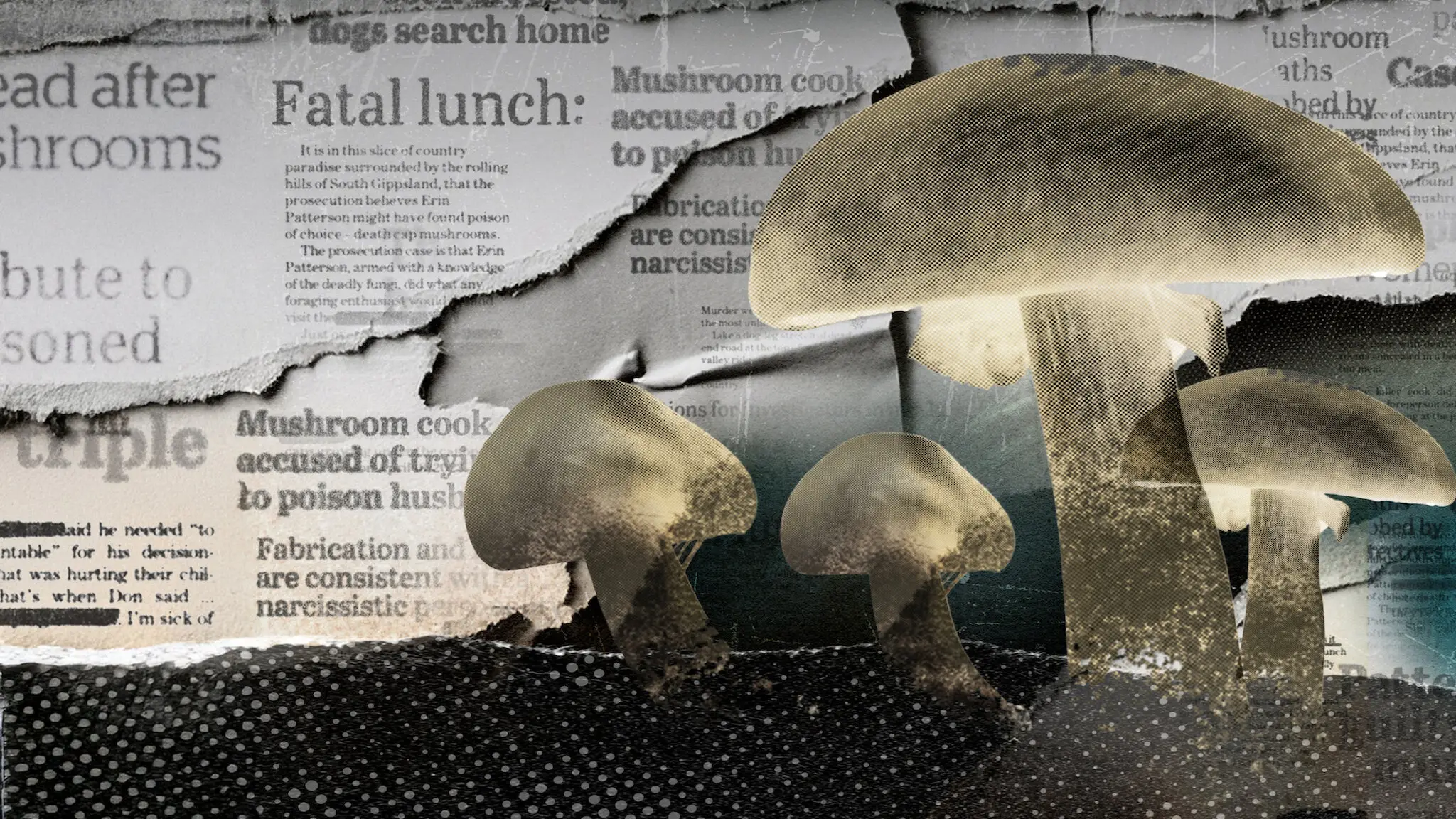
Netflix just dropped wild new documentary on infamous Leongatha mushroom murders

What began as a seemingly ordinary family lunch in a quiet Victorian town would go on to expose one of the most unsettling criminal cases Australia has seen in decades.
A home-cooked meal, shared in an effort to maintain fragile family ties, quickly transformed into a medical emergency that left doctors, investigators and the wider public searching for answers.
On 29 July 2023, four guests attended lunch at a private home in Leongatha, Victoria. Within hours, all reported feeling unwell. By the following day, they were hospitalised suffering from severe nausea, vomiting and diarrhoea. What initially appeared to be a bout of gastroenteritis soon escalated into something far more serious as doctors observed rapid organ failure.
Three of the diners would die within days. The fourth survived after spending weeks in hospital, including time in an induced coma.
Advert
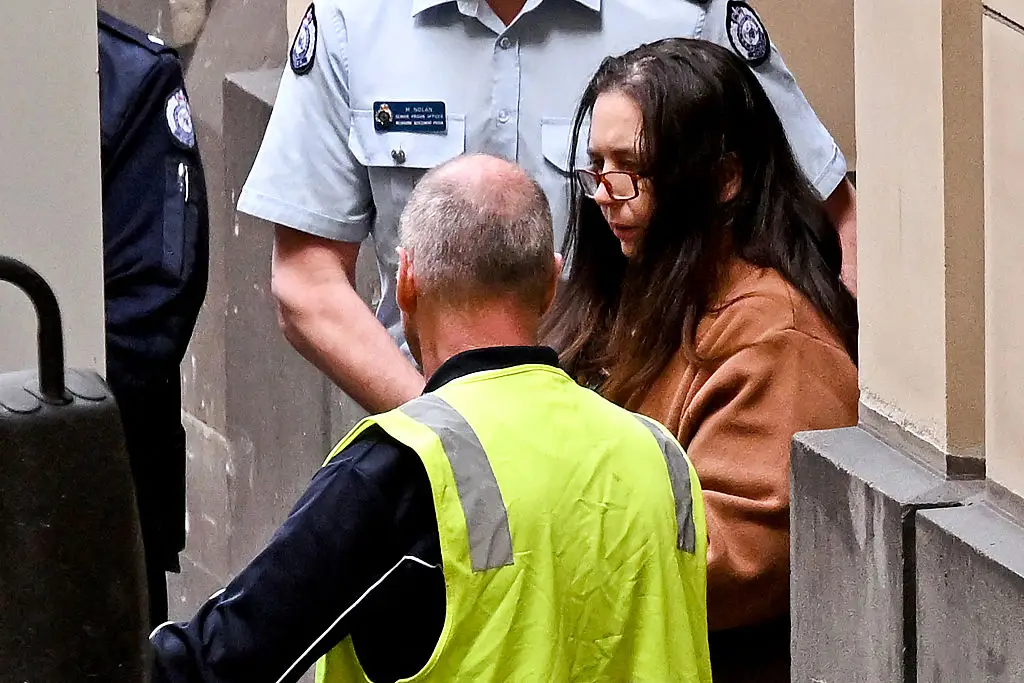
Soon, Netflix has turned its attention to the case. The streaming platform has released a new true crime documentary examining the events surrounding the fatal lunch and the investigation that followed. Titled Death Cap: The Mushroom Murders, the series began streaming on Netflix on 16 December and retraces how an unassuming meal became the centre of a complex murder trial that drew international attention.
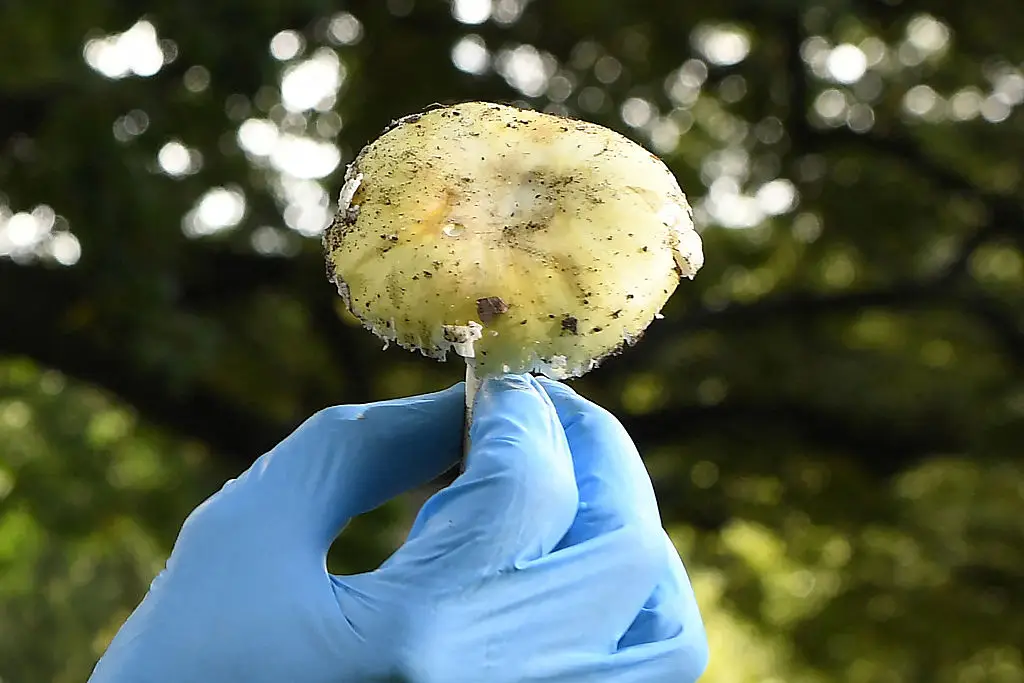
The victims were later identified as Don and Gail Patterson, along with Gail’s sister Heather Wilkinson. Heather’s husband, Reverend Ian Wilkinson, was the sole survivor. Investigators quickly focused on the beef wellington served at the lunch, which was found to contain death cap mushrooms, scientifically known as Amanita phalloides. The fungus is considered one of the most dangerous in the world, with even small amounts capable of causing irreversible liver and kidney failure.
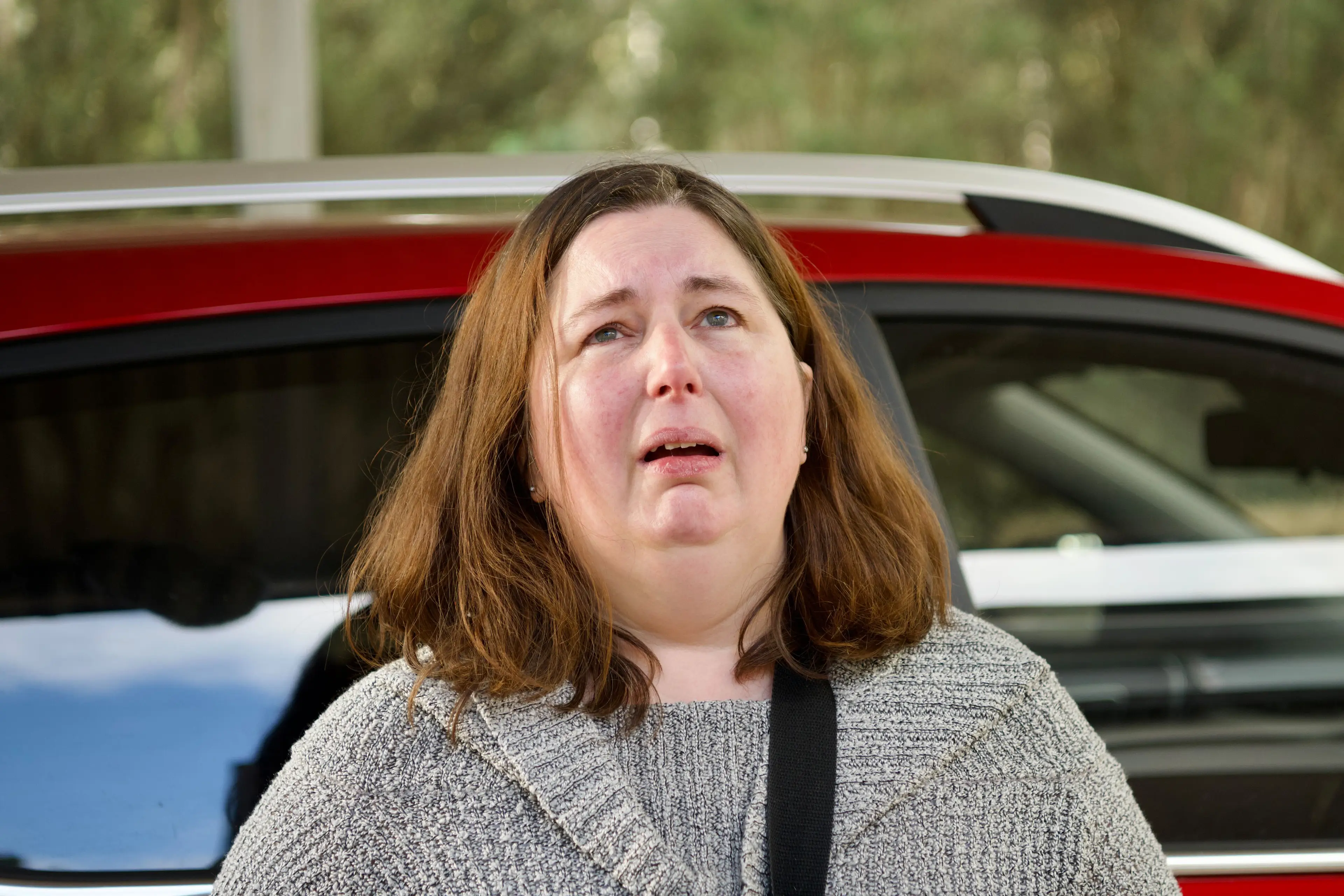
Attention turned to the lunch host, Erin Patterson, who claimed the mushrooms had been added accidentally after a foraging trip. Although she said she also felt unwell, Patterson did not attend hospital. Suspicion intensified when police later discovered a food dehydrator, believed to have been used to dry wild mushrooms, had been discarded at a local rubbish dump shortly after the lunch.
Patterson maintained her innocence throughout the investigation and subsequent trial.
Prosecutors argued that the poisoning was deliberate and told the jury they did not need to establish a clear motive.
Addressing the court, prosecutor Nanette Rogers SC said: "You might be wondering, 'What is the motive?' You might still be wondering this at the end of this trial."
She added: "You do not have to be satisfied what the motive was, or even that there was one."
In July 2025, after a nine-week trial and seven days of deliberations, a jury unanimously found Patterson guilty of three counts of murder and one count of attempted murder. She was sentenced to three life sentences, plus a further 25 years to be served concurrently. She will not be eligible for parole until 2056, making it the longest prison sentence ever imposed on a woman in Australia.
Netflix’s documentary also features testimony from medical professionals involved in treating the victims. One of the doctors, Chris Webster, previously told the BBC: "I knew. I thought, 'Okay, yep, you did it, you heinous individual. You've poisoned them all.'"
Topics: TV and Film
 Ben Williams