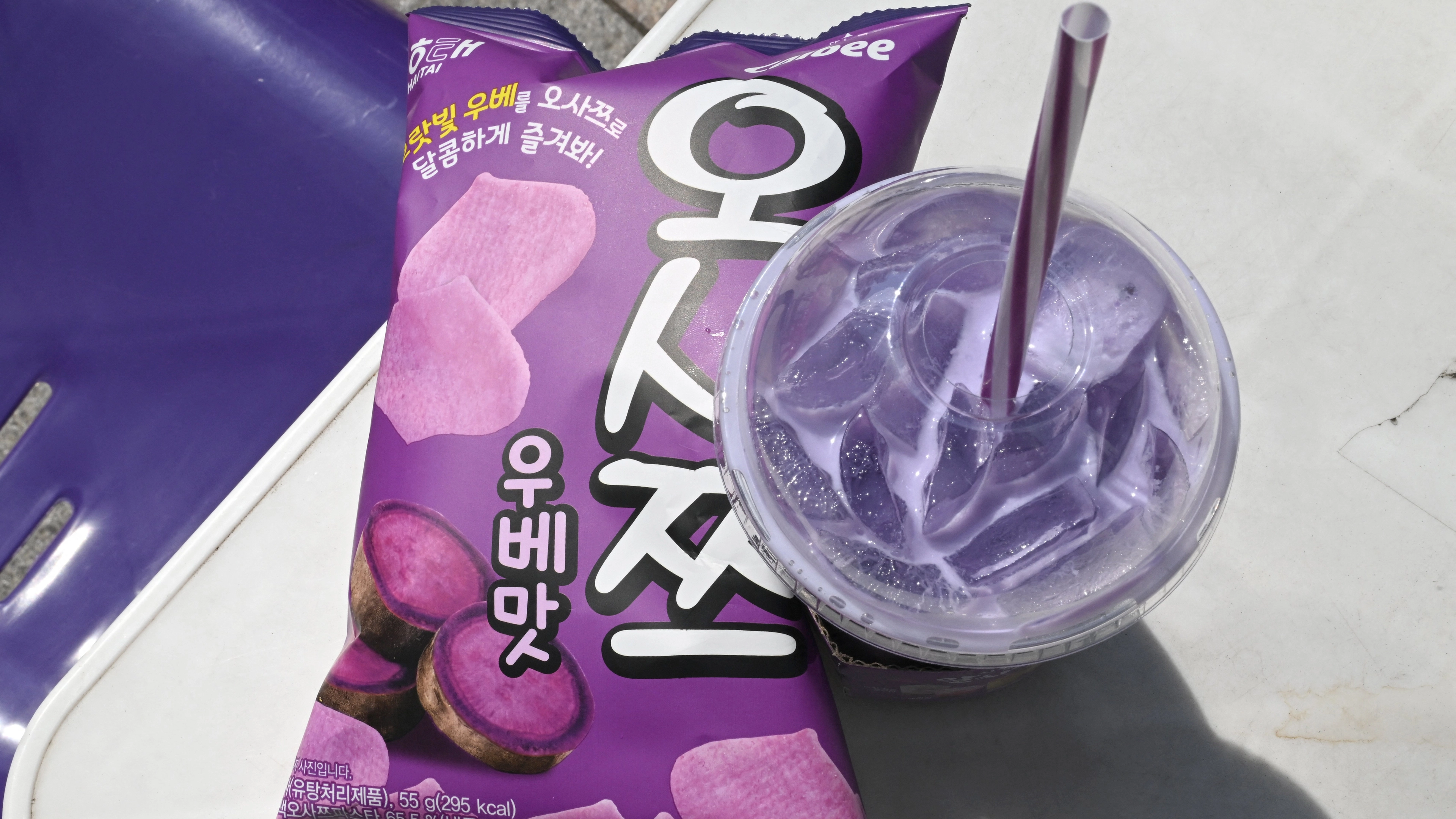
Viral Philippines flavour ‘indefinitely suspended’ to protect 'scarce' planting material

The Philippine Department of Agriculture has suspended all sales of a viral UK and US favourite flavour to secure planting material. Here’s what it means for your favourite drinks, snacks, and dishes.
Over the past year, renowned coffee chains from Starbucks to Pret, Black Sheep Coffee and Costa have all touted mouth-watering, specialist menus featuring the same traditional Filipino ingredient.
And while the viral delight—dubbed online as ‘the new matcha’—continues to reign supreme in Britain, it has perhaps become too popular for its own good.
Sadly, the Philippines announced that fresh ube sales were being ‘indefinitely suspended’.
Advert
The suspension was imposed by the country's Bureau of Plant Industry (BPI). It covers fresh ube and propagative planting materials, whether shipments are intended for consumption, planting, or research, as per Gulf News.
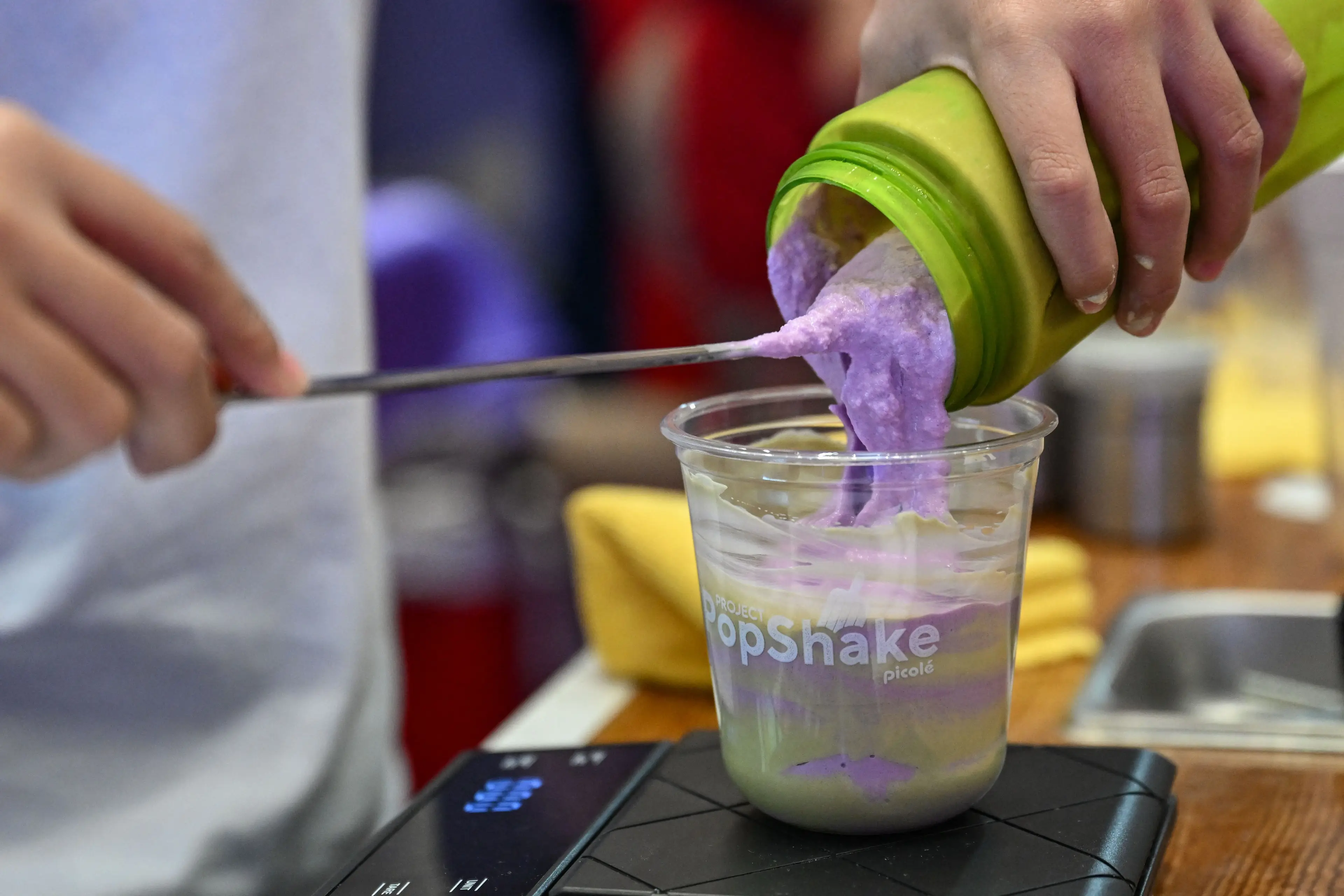
“We severely lack planting material ourselves, and we don’t want to export it to countries that could use Philippine ube varieties to compete with us,” said Agriculture Secretary Francisco P. Tiu Laurel Jr. in a statement posted on 14 September.
The export ban will not restrict sales of processed or frozen products, which are the primary ingredients used in the US and Europe, as per The Guardian.
The statement, shared by the DA Press Office, said that the move to axe sales ‘highlights a supply squeeze facing an industry whose popularity is growing faster than its ability to produce’.
“Philippine ube is increasingly sought by processors and overseas buyers, but farmers still face limited access to quality planting materials needed to expand output.
“Demand is rising for fresh ube and processed products such as powder, halaya, jam, and paste. Philippine products are already reaching Canada, the Middle East, and parts of Asia, while the United States, South Korea, and Europe offer further markets.”
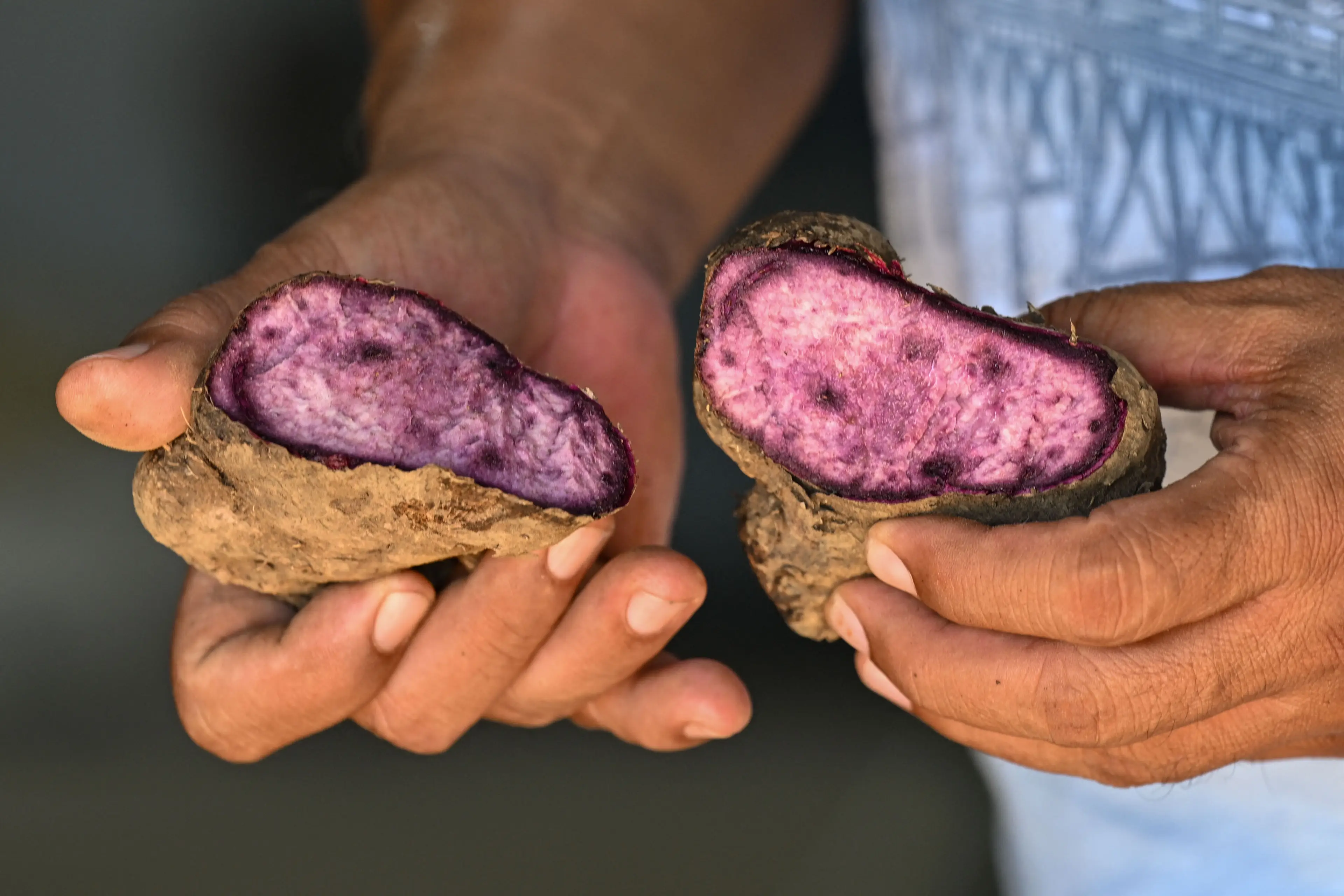
President Ferdinand R. Marcos Jr. has since approved a P300 million budget for the ube industry in 2027, with the DA moving to ‘strengthen production and organise the sector’.
This includes working with researchers at the University of the Philippines Los Baños to ‘genetically map Philippine ube varieties for registration’.
This work is designed to ‘protect native varieties from biopiracy, establish crop authenticity in export markets, and support the development of higher-yielding and more resilient varieties’.
Shah, who also owns London’s oldest Filipino restaurant and five other eateries, told The Guardian that he has been struggling to get his hands on new ube stock since the ban came into place.
On 26 September, he informed the outlet: “Has the price [of ube] gone up? Yeah, I mean, but it was always up anyway … if it goes up any more it’s going to be considered a luxury product.”
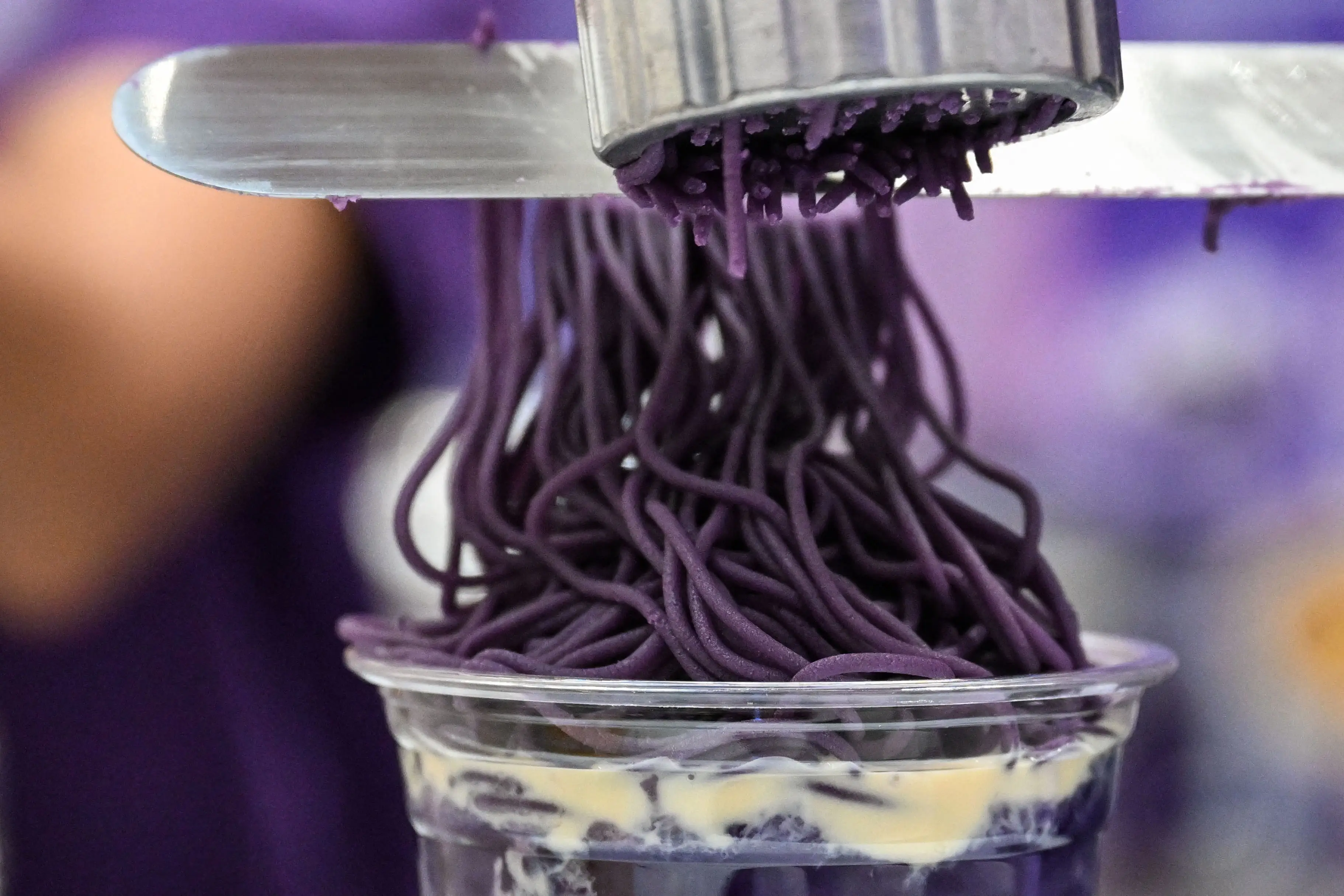
Shah, who has been working with ube for over a decade, has a plan in place if he can no longer sell ube.
“If all else fails and we cannot get hold of it, there are so many other ingredients from the Philippines that are versatile and just as delicious,” he said.
One of these is calamansi, an ‘incredible’ indigenous ingredient that works particularly well in sorbets and pastries.
Another is pandan, which possesses a naturally sweet taste and soft aroma.
Jennifer Creevy, content director at the analysis firm WGSN Food & Drink, said to The Guardian that both calamansi and pandan have ‘beautiful colour, and also fall into that gentle experimentation category’.
 Ella Scott