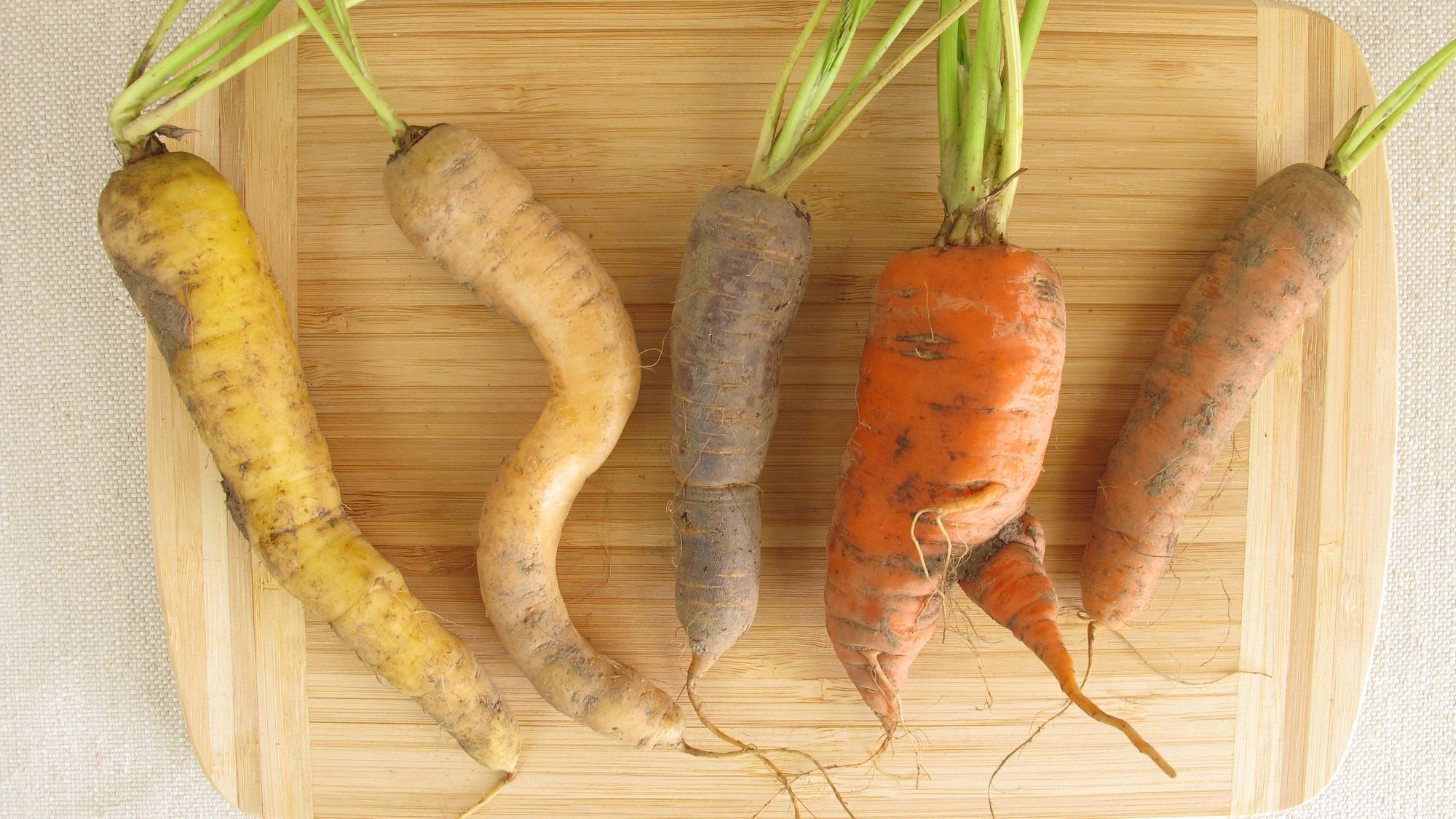
Farmers call for change after heatwaves cause a surge in wonky veg

Britain’s farmers are calling for changes to the way food is grown and sold after a summer of extreme heat left more vegetables misshapen, undersized and difficult to sell.
Crops such as cucumbers, broccoli and cauliflowers are said to have suffered the most, thanks to the unusually hot and dry weather this year putting plants under intense stress.
While wonky vegetables are perfectly safe to eat, their unusual appearance can make them harder to sell through traditional supermarket supply chains.
This creates another headache for growers and farmers who are already facing rising production costs due to the increasingly unpredictable weather.
Advert
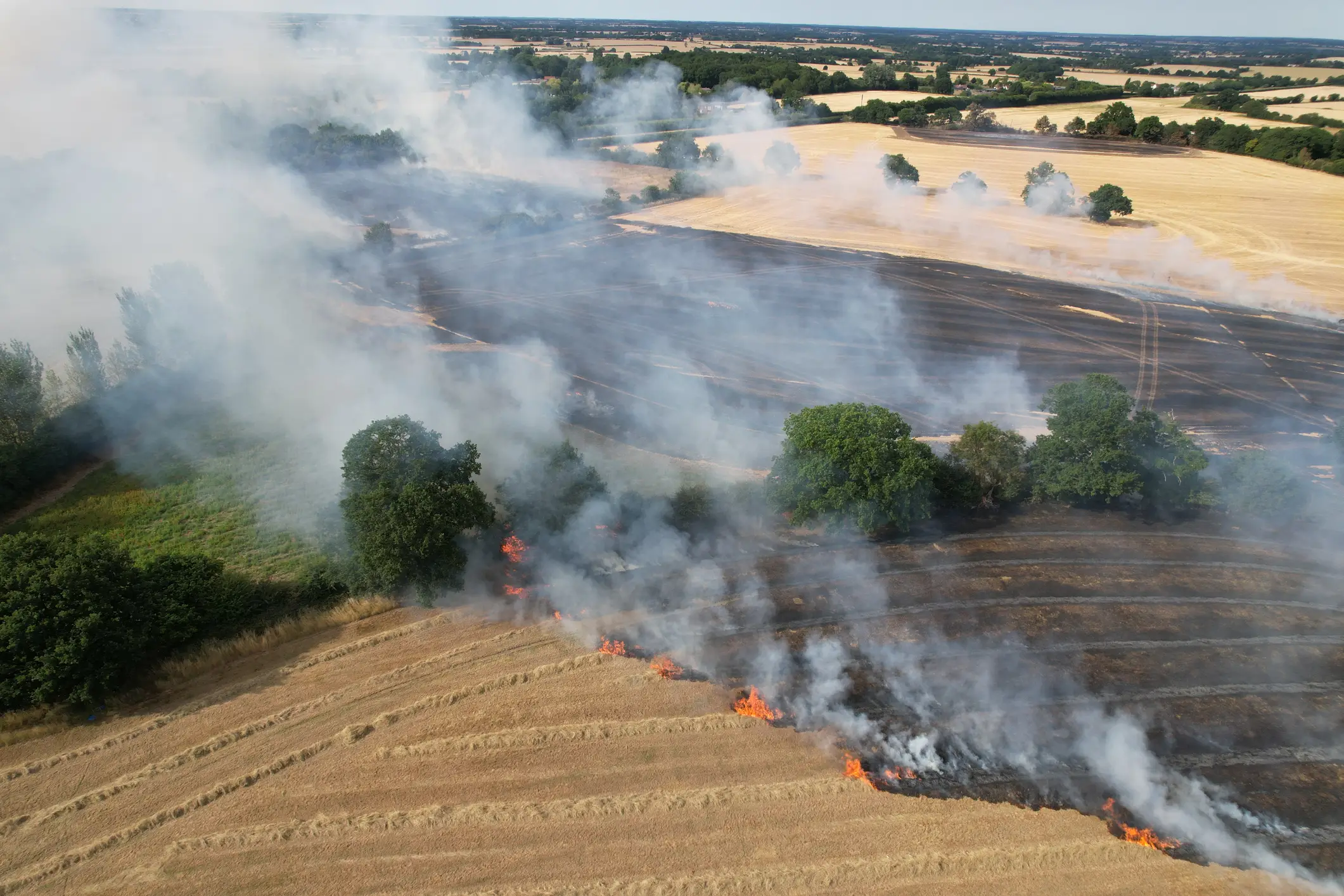
The issue comes after an exceptionally challenging summer for British agriculture.
Provisional Met Office figures show that summer 2026 was the UK's hottest on record.
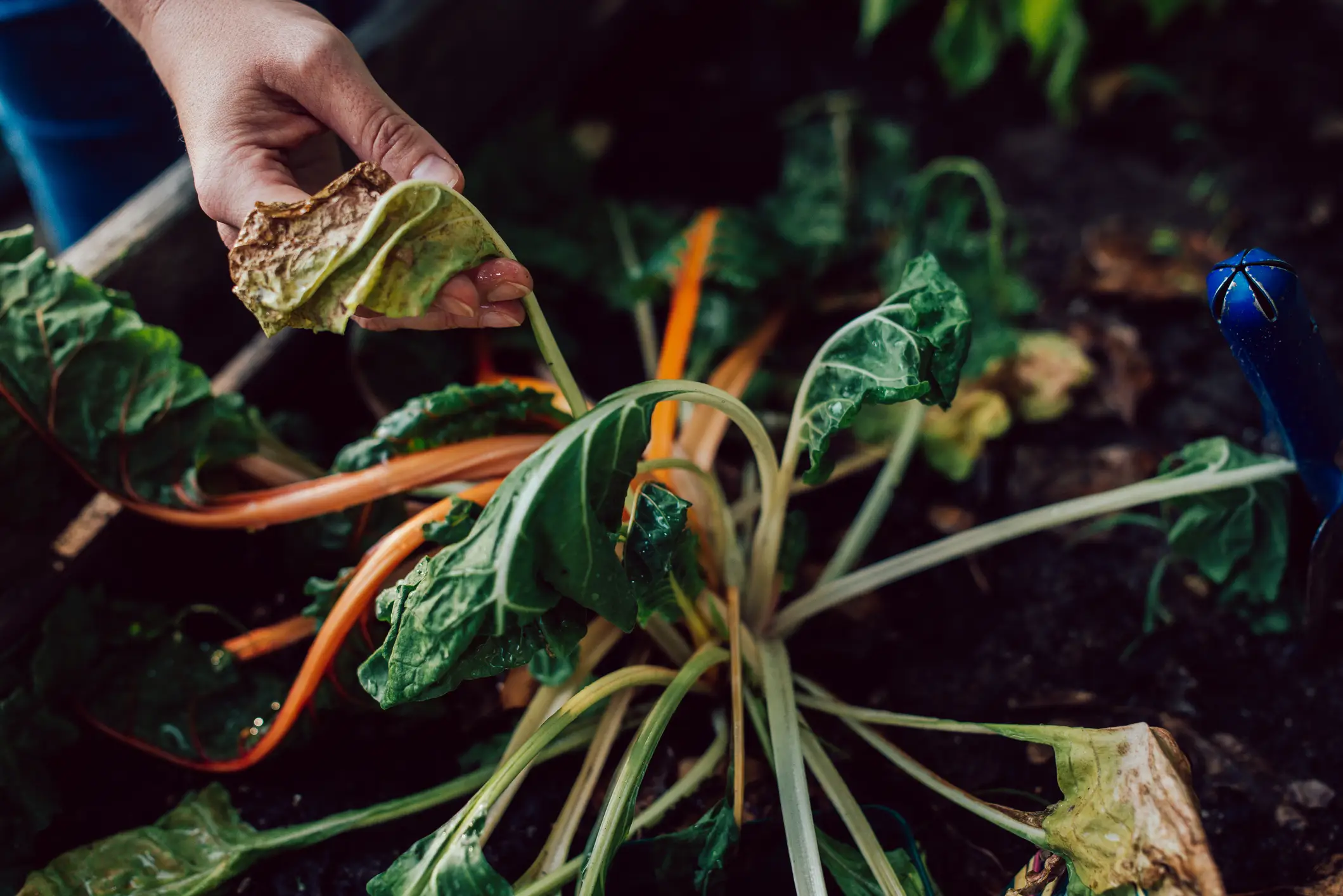
Why are vegetables turning wonky?
Extreme heat can mess up the normal development of vegetables.
Cucumber plants, for example, have produced misshapen fruit during the hot weather as they struggle with reduced water, while broccoli has struggled to reach the sizes expected by retailers.
Cauliflowers have also developed a yellow or 'suntanned' appearance rather than their usual white colour.
Leafy vegetables have also struggled.
For example, lettuce grows best at around 20 degrees centigrade, and begins to experience heat stress at about 24C.
At temperatures above 35C, crops can become unsuitable for sale.
Spinach and pak choi can also enter a state known as 'thermal dormancy', effectively stopping their growth during periods of extreme heat.
For farmers, the consequences can be significant.
A crop may still be perfectly edible but fail to meet the precise size, shape or colour specifications demanded by supermarkets.
According to the BBC, Sarah Dyke, who is an MP for Somerton and Glastonbury, said she wants retailers to relax 'absurd' and 'rigid appearance standards'.
That can mean perfectly good food being rejected or sold for less, so farmers are asking for change.
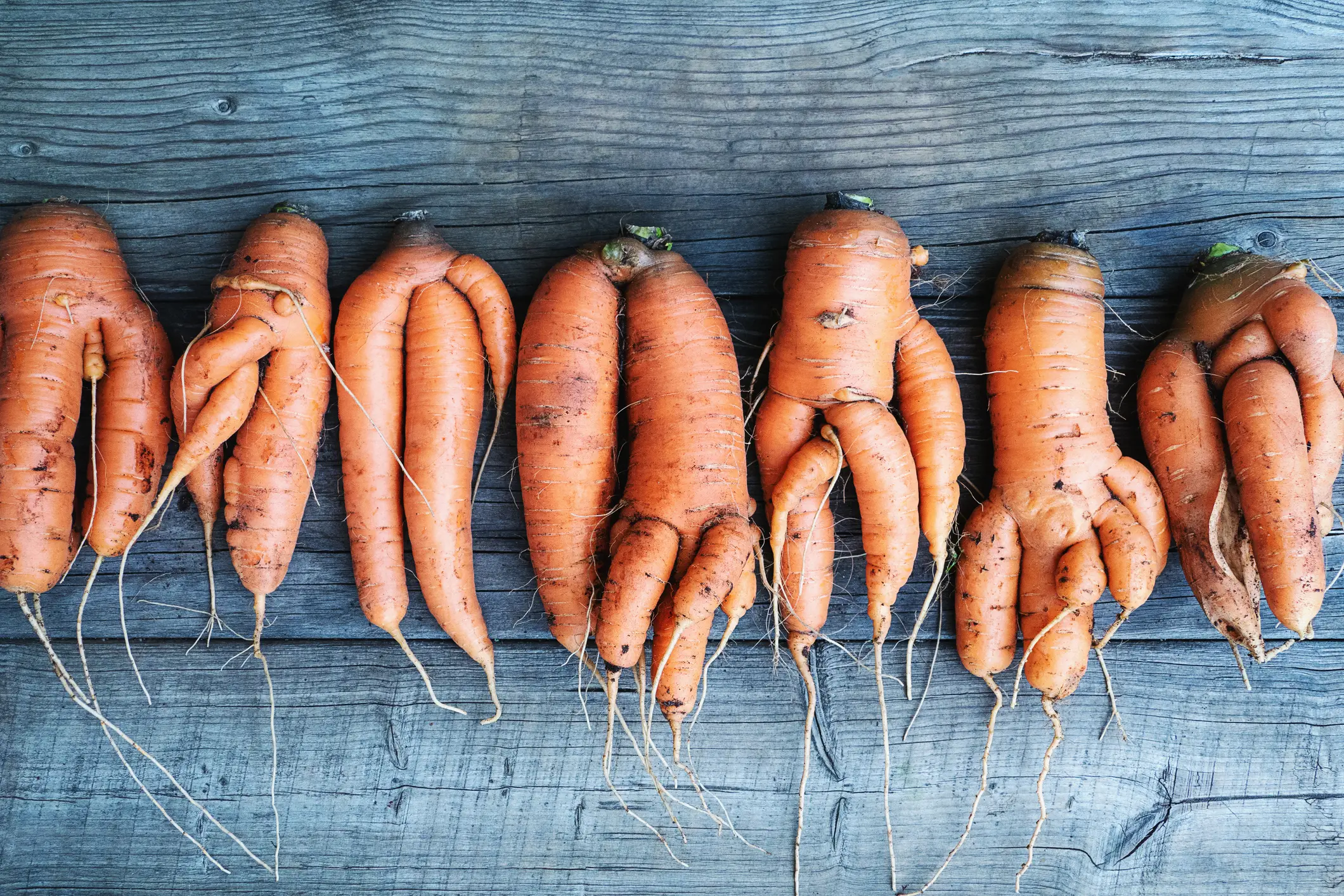
Farmers want the system to adapt
The latest problems have renewed calls for changes to Britain's food system, particularly as extreme weather becomes more frequent.
Farmers are already experimenting with ways to protect crops from heat and drought.
These include improving soil health so that it holds more water, installing reservoirs and collection tanks, harvesting rainwater and growing varieties that are better able to withstand dry conditions.
Some growers are also considering whether they need to change the crops they produce altogether.
The Government has introduced additional drought support this year, including an extra £50 million for the Sustainable Farming Incentive and up to £15 million for on-farm reservoirs.
One potato grower, James Pullen, told the BBC he grows a type of potato which has to be strictly at least 45mm in diameter to sell to retailers.
"This year, about 20% of the crop is around 40mm in diameter," he said.
But farmers argue that adapting to a changing climate requires longer-term investment rather than emergency measures whenever extreme weather strikes.
Britain already relies heavily on imported fruit and vegetables, with concerns that climate change could create greater risks for international supplies and push up prices.
A recent Food Foundation report highlighted the UK's vulnerability because many of the countries supplying British consumers are themselves increasingly exposed to heat and drought.
That makes domestic production increasingly important.
Yet if British farmers are unable to sell vegetables simply because they do not look 'perfect', more food could be wasted at exactly the time when climate pressures are making growing it harder.
Andrew Opie is the director of food and sustainability at the British Retail Consortium, and he sympathised with farmers but also said stockists are in an awkward position: "Retailers face the dilemma of supporting British farmers but also making sure that... customers have what they expect to buy.
"Extreme weather, including drought, can affect crop yields and place upward pressure on prices.
"Retailers are experienced in managing supply disruptions and will take all necessary steps to minimise any impact on customers, including sourcing from alternative suppliers and expanding ranges of odd-sized produce."
Should we embrace wonky veg?
Most shoppers have realised by now that a strange-looking vegetable is not necessarily a bad one.
More and more people are starting to grow their own at home, and embracing the sometimes weird and wonderful produce that emerges.
A cucumber that is curved, a cauliflower with an unusual colour or a smaller-than-usual broccoli may still taste just as good as its perfectly shaped supermarket counterpart.
The Government has warned that England has experienced three droughts in the past five years, in 2022, 2025 and 2026, as the country's climate changes.
For farmers, the humble wonky vegetable is therefore becoming more than a curiosity.
It is a visible reminder that Britain's food system may need to adapt to a future of hotter summers, water shortages and increasingly unpredictable growing conditions.
 Jen Thomas