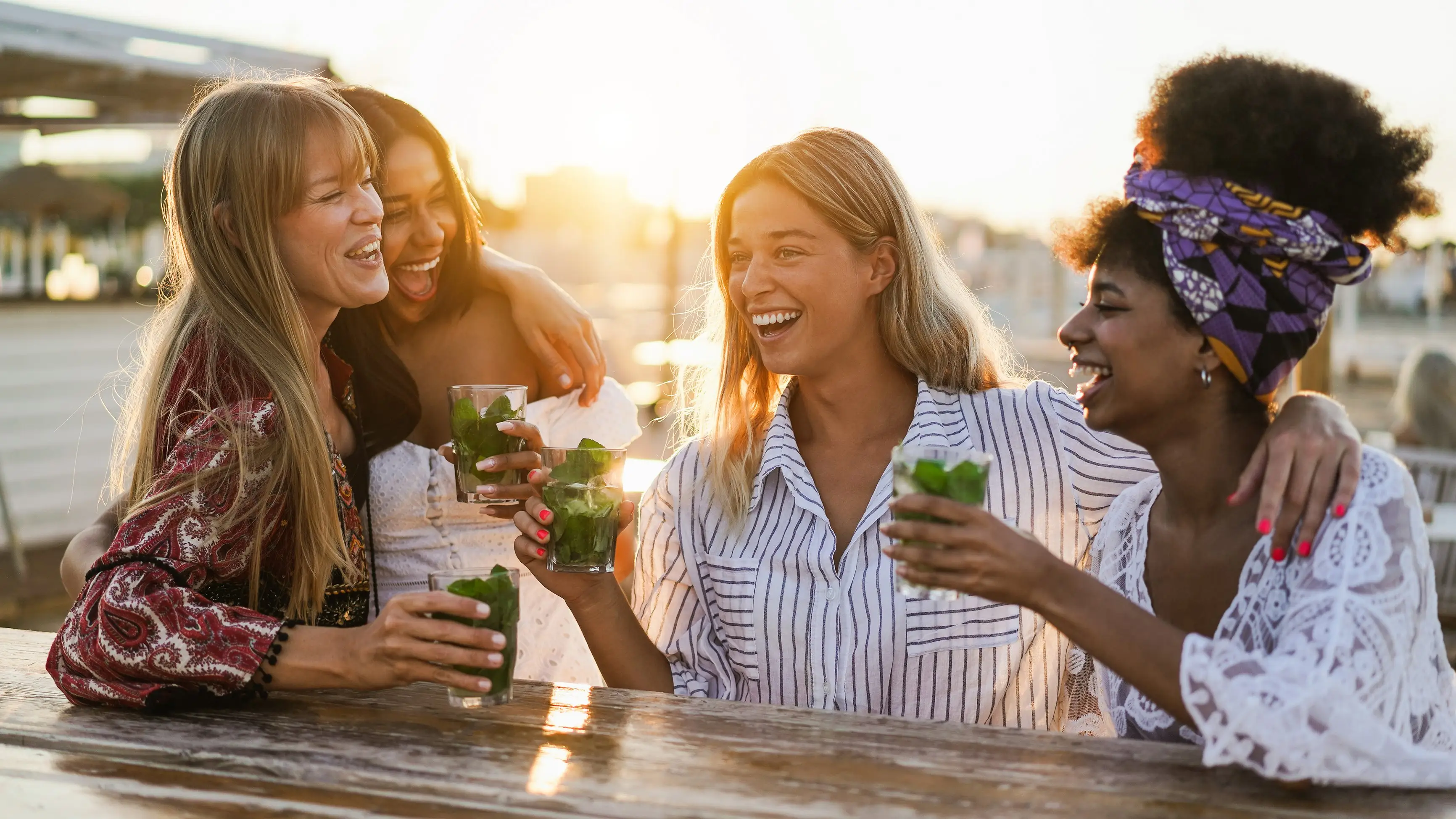
'Daycap' trend marks huge shift in our drinking habits

A major shift is underway in how — and when — younger people drink, and it turns out they’re not rejecting alcohol culture altogether after all.
For decades, alcohol has been closely tied to boozy evenings. We’re talking post-work pints, late-night cocktails, and weekend parties stretching into the early hours.
But a new trend, known as ‘daycap’, is quietly reshaping those routines. It reflects a growing preference for daytime drinking occasions that prioritise moderation, experience and overall wellbeing over excess.
Experts have previously said Gen Z are redefining drinking culture by consuming less alcohol than older generations. Data from Mintel suggests a third of those aged 18-24 do not drink at all, while those who do drink as a treat or for a special occasion.
Advert
Meanwhile, others are choosing low-alcohol alternatives, or skipping bars and pubs entirely and buying ready-to-drink cocktails from supermarkets.
As we’ve seen in the past, social drinking has often revolved around night culture, hence the term nightcap gaining a whole new meaning. A nightcap traditionally refers to a drink taken shortly before bed, supposedly to aid sleep, but over time, the term has come to symbolise late-night drinking more broadly.
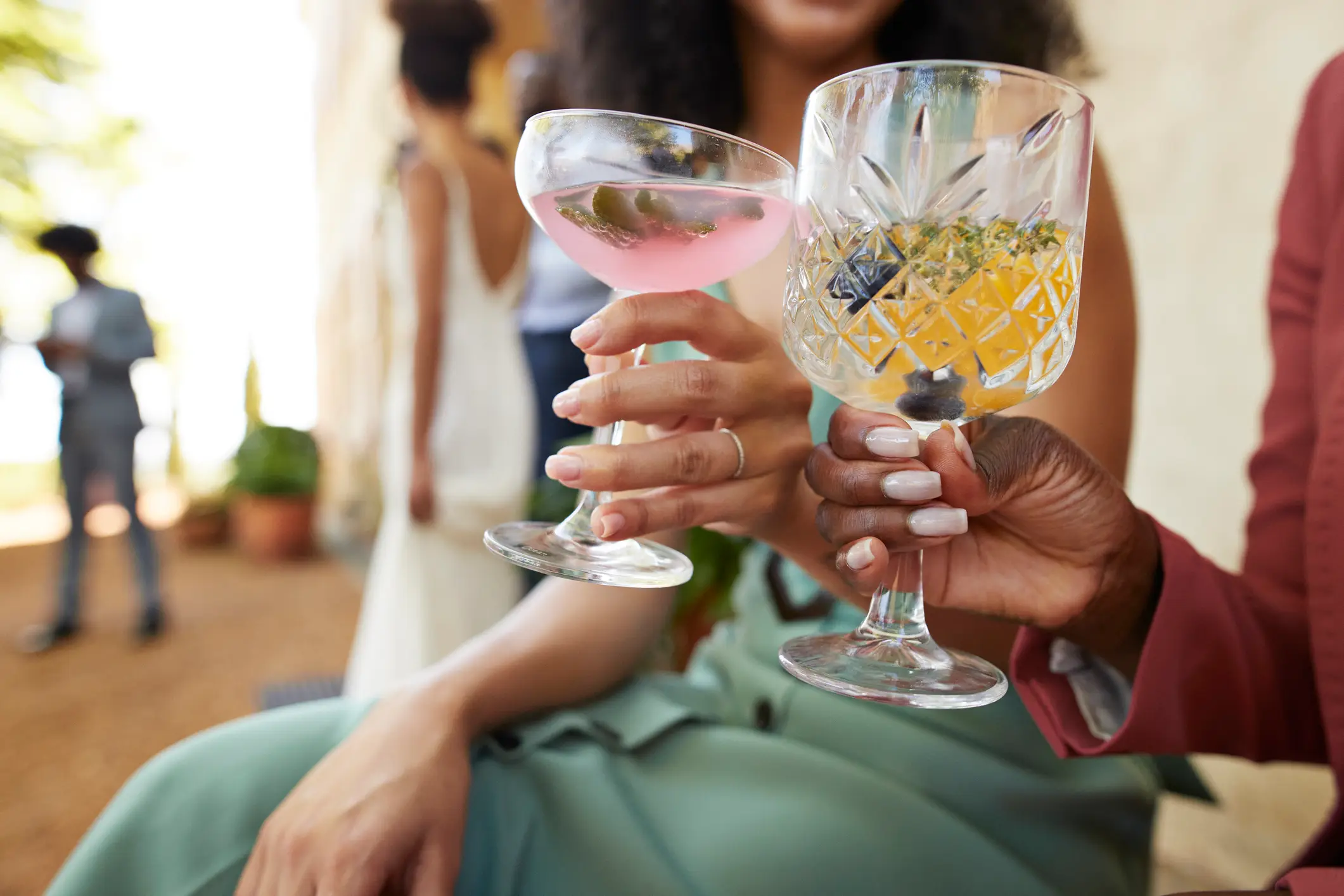
A daycap is about replacing late-night excessive drinking with a more indulgent experience in the afternoon, and one you'll remember the next day. This means younger alcohol drinkers are socialising a lot more around the evenings, and for a short duration.
Daycapping also has its own kind of drinks, such as a spritz, and signature cocktails.
Some experts say Gen Z is not drinking ‘less’ alcohol, but their habits favour ‘earlier, lighter’ drinks ‘and with more intention’, according to Sean Kerry, vice president for global on-trade for Bacardi.
“Around the world, we’re seeing a move towards more meaningful drinking moments whether that means in-person get-togethers with friends, discovering flavors rooted in local culture, or embracing new forms of creative expression through cocktails.”
With this change, happy hour is favoured earlier in the day, with daycaps marking the end of the afternoon or workday. It’s not about late-night pub crawls and binge drinking in the evenings for Gen Z. But why has this changed?
The daycap signals a move away from alcohol as escapism and towards alcohol as something to savour. Platforms like TikTok and Instagram have played a role in glamorising daytime socialising, from aesthetic rooftop spritzes to countryside pub lunches. They all look a lot better during the daytime, especially as the sun sets.
Movements like “Dry January” and “Sober October” have become mainstream, and the stigma around not drinking is declining as more people take on this challenges and carry them on for longer than the month in the title.
At the same time, we have to mention how hybrid working has reshaped social habits. Without the traditional five-day office week, after-work drinks have lost some of their central role in social life. Instead, people are embracing flexibility and avoiding wasting the day after a night out on a hangover.
Topics: UK Food, US Food, Alcohol, Social Media, Health
 Greg Harris