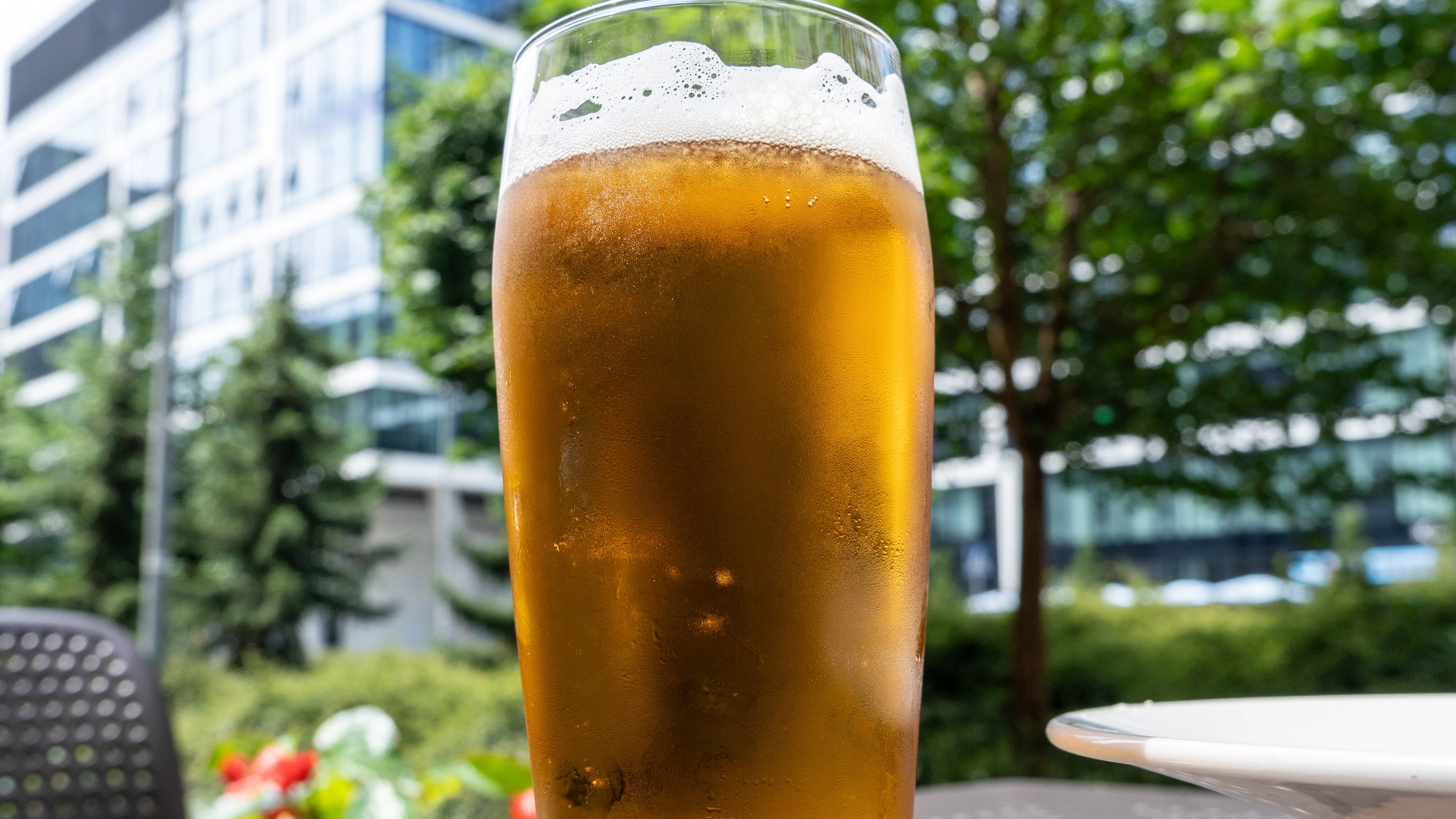
Doctor has warning for anyone who drinks 0-13 units of alcohol a week

Beautiful weather may have you swapping your strict evening gym and swim routine for a boozy beer garden bonanza with your work colleagues; dinner al fresco with a bottle of wine and friends, or an alcohol-fuelled family barbecue.
While letting your hair down once in a while is excellent for the soul, it may not be as good for your body, with too much alcohol being linked to liver damage, weight gain, and an increased cancer risk.
If you’re someone who routinely drinks, but always consumes less than the government’s weekly recommended limit—between zero and 13 units of alcohol—then you may think that chronic health issues related to alcohol won’t affect you.
However, Doctor Sermed Mezher, a University of Manchester-qualified doctor, published academic author, and content creator, has said that it isn’t quite the case.
Advert

“The Government says drink less than 14 units of alcohol per week. They're not saying that is a safe limit, so what are they saying?,” he said in a recent TikTok video.
“Let's look at the facts. The consumption of alcoholic drinks is intertwined with human history, stemming back likely thousands of years across multiple cultures from far east to west,” he continued.
“But our modern-day lens shows us that not all traditions are good for us. In fact, with alcohol, it is quite the opposite.
“And in 2023, the World Health Organisation (WHO) published a position statement that there is no safe level of alcohol consumption. But why? Well because alcohol is one of the most studied substances on the planet.
“And for us to say that there is a safe level of consumption, there needs to be a point of regular drinking that does not have negative health consequences. And the research cannot support that.”
Therefore, the only way to 100 percent avoid any serious health side effects is to be stone cold sober.
A previous study have suggested that those born between 1997 and 2012, known as Generation Z, are more likely to abstain from alcohol than older generations.
Researchers found that a whopping 34 percent of Gen Z were making an effort to cut back on their drinks, while 45 percent claimed they had never supped on an alcoholic beverage.
Meanwhile, Baby Boomers (born between 1946 and 1964) are the most likely generation to partake in heavy drinking, as per Alcohol Change UK.
Regardless of what generation you come from, you may be unwilling to part with your bottle because you’ve heard that alcohol has some health benefits, such as red wine having positive anti-inflammatory effects on the blood and heart.
According to Dr Mezher, these studies about so-called alcohol ‘benefits’ are flawed.
“Those who were in the abstinent group had been previous drinkers, not abstinent their whole lives,” he reasoned. “And there's a big difference between somebody that is and someone who's only not been drinking for a week, but had a pint a day before that.”

He continued: “When the government says drink less than 14 units per week, what they're saying is that this is a realistic target for many people, considering how intertwined alcohol is with culture.
“If you're really wanting to maximise your health, then we cannot recommend a safe drinking level at all.”
So next time you hit the pub after work or want to soak up the sunshine with a beverage, you might want to swap your Chardonnay for a cool glass of sparkling water or grab a non-alcoholic alternative, such as Sentia Spirits.
The latter are designed by Professor David Nutt and his team to mimic the feel-good buzz that alcohol gives you while being 0 percent.
Topics: Health, Alcohol, Drinks, Social Media
 Ella Scott