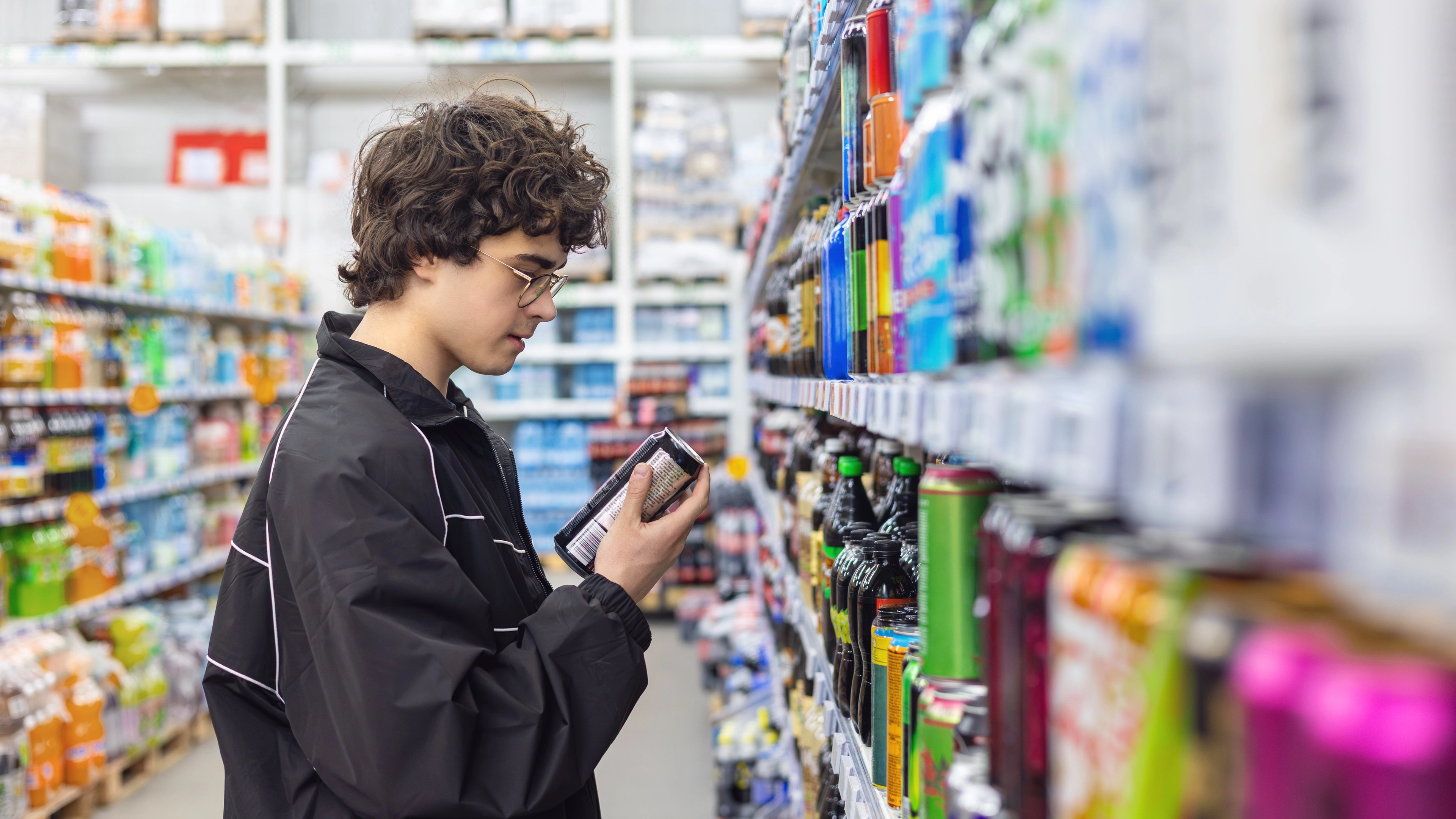
England to pass a ban on energy drinks for under-16s to tackle obesity concerns

Children and younger teenagers will be banned from buying highly-caffeinated energy drinks under new rules in England.
The measure, set to come into effect from April 2027 subjected by parliamentary approval, will be introduced as part of a government effort to reduce obesity levels in children.
Together with tackling obesity concerns over sugary drinks, the ban is also looking to prevent issues such as disrupted sleep patterns, a spike in anxiety and lack of concentration and other factors impacting grades and the quality of life of those under 16s.
Experts have warned against exceeding the recommended caffeine intake for young people as they may be more sensitive to it due to having smaller bodies and brains still in development.
Advert
With the new rule, kids under the age threshold cannot buy drinks containing more than 150mg of caffeine per litre. These will be illegal to sell to under 16s in shops, restaurants, cafes, vending machines and online.
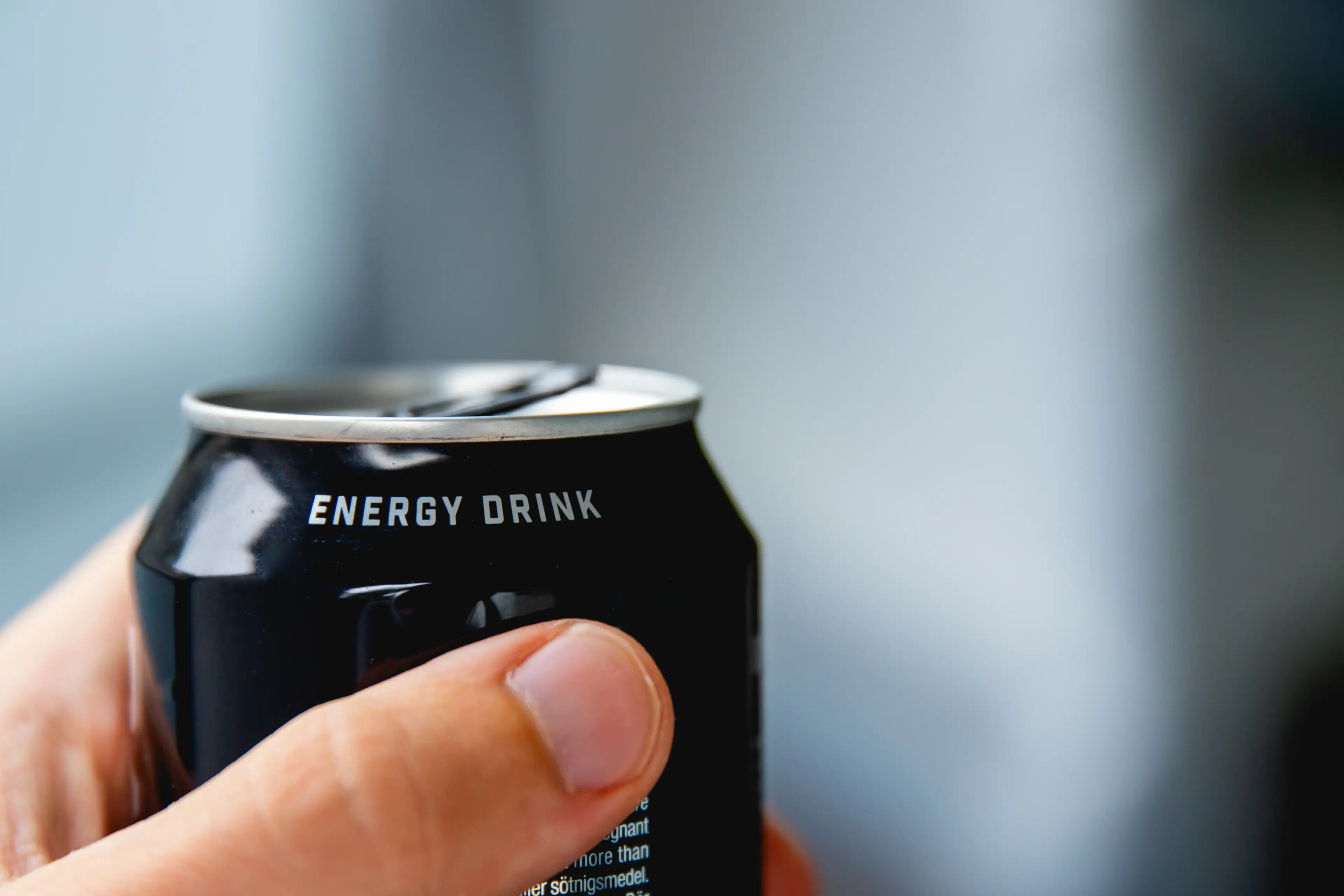
Not all caffeinated drinks will be included in the ban, but drinks such as Red Bull, Monster, Relentless and Prime would all be above the accepted caffeine levels.
Meanwhile, lower-caffeine soft drinks as well as tea and coffee, can continue being sold to customers of all ages.
FOODbible has reached out to Red Bull and Monster for comment but hasn't immediately heard back.
According to experts, some of the most popular caffeinated drinks brands contain more caffeine than two cups of coffee or four cans of cola, with potential effects on one’s health, including an increased heart rate, anxiety and even seizures.
The decision was first proposed last year, with Public Health Minister Sharon Hodgson saying the ban ‘demonstrates our firm commitment to creating the healthiest generation of children ever’.
If approved by parliament, the ban will be enforced by local authorities and businesses that break the law could face fines of up to £2,500.
Currently any drink, other than tea or coffee, containing over 150mg of caffeine requires a label warning that says it is not recommended for children or those who are pregnant or breast-feeding.
Katharine Jenner, Executive Director of the Obesity Health Alliance, praised the policy and said restricting the sales of the drinks to children ‘at a vital time in their life is just common-sense, reports BBC News.
On the other hand, the British Soft Drinks Association said the ban was ‘unnecessary’.
"Since 2010, our members have committed not to market or promote the sale of energy drinks to under-16s, and all high-caffeine beverages carry a 'not recommended for children' label.”
The previous Conservative government had planned to introduce the ban, but scrapped the move in 2022, eventually saying that consumption should be a personal choice.
With England introducing a ban, Northern Ireland, Scotland and Wales are also considering to prohibit selling highly-caffeinated drinks to younger people.
 Stefania Sarrubba