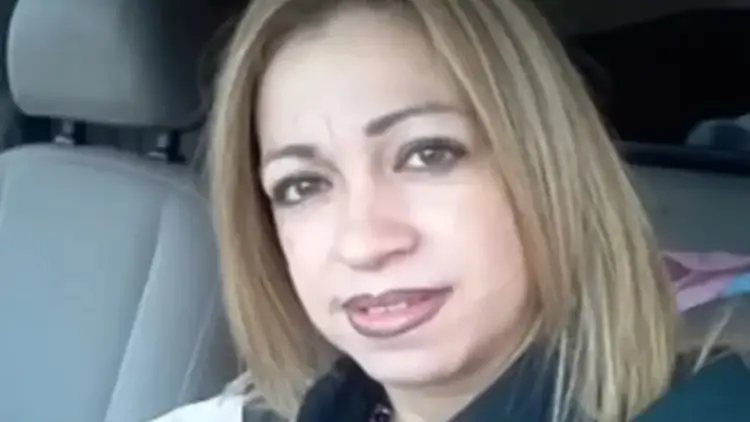
Cold case stabbing finally solved after 14 years thanks to a plastic fork

A cold case that baffled investigators for more than 14 years has taken a dramatic turn after police allegedly identified a suspect with the help of a discarded plastic fork.
To understand how investigators got there, you have to go back more than 14 years.
It all dates back to January 2012, when 32-year-old Irasema Chavez was found dead inside her apartment in Arlington, Texas, having been stabbed more than 100 times.
Arlington police stated that, while examining the scene, detectives discovered a fresh drop of blood on a television stand in the bedroom, which they sent off for forensic testing in the hope it would lead them to a suspect.
Advert

The sample was sent off to the crime lab for analysis, but without a match, the trail eventually went cold.
That all changed in late 2024, when investigators reopened the case using an FBI forensic technique called Investigative Genetic Genealogy (IGG), which can identify potential suspects by tracing family links through DNA.
Police say the process eventually led them to Mayra Velasquez in April 2026.
The Arlington woman was alleged to be a close friend of Chavez, who lived just a few miles away.
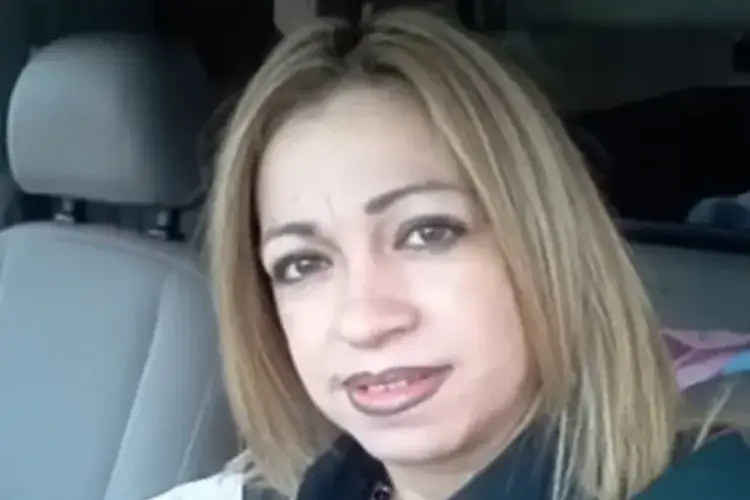
The following month, investigators collected a plastic fork that Velasquez, 42, had thrown away.
Police say the DNA recovered from that discarded utensil was a match for the blood droplet found at Chavez's apartment 14 years earlier.
Issuing a statement about the breakthrough, police said that it was 'common during stabbing attacks for the assailant to inadvertently cut themselves, which is how they believe Ms. Velasquez's blood was left at the crime scene.'
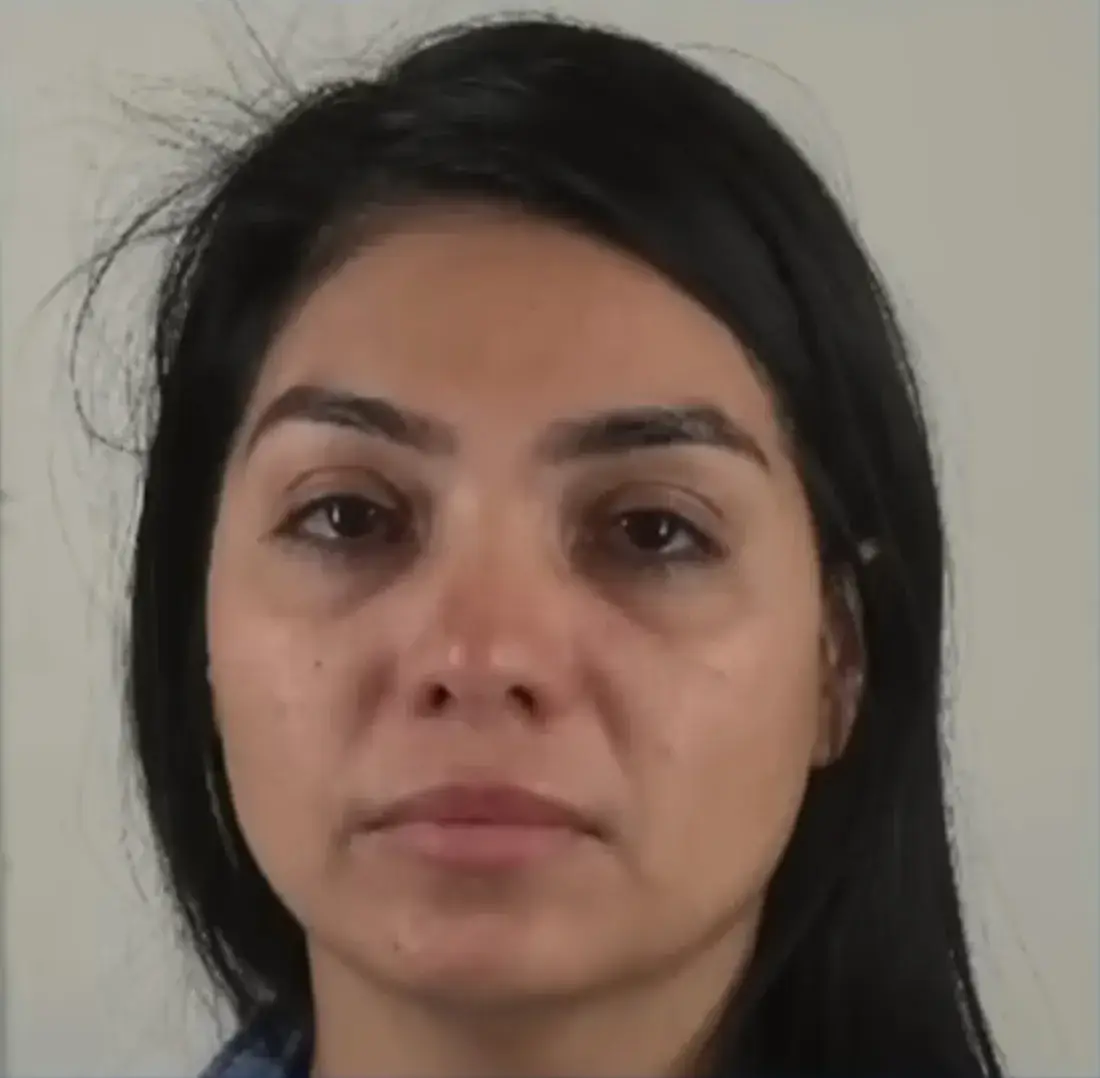
Velasquez was arrested on 16 July 2026 and remains in custody without bond after being charged with capital murder, People reports.
Despite their arrest of Velasquez, police have said the motive for the stabbing is still unclear.
The case will now proceed through the courts.
The breakthrough has come as a shock to those who knew Velasquez, with some locals telling CBS News Texas that they were surprised to learn of her arrest.
Detective Tracey Dixon told press that she had spoken with Chavez's family about the case update.
"They were very grateful. It was emotional," she said, per WFAA.
She added: "Everybody who touches a case like this feels that elation when it's solved, feels the pain for the family."
Arlington Police Chief Al Jones also commented on the crack in the case, telling ABC News: "I am extremely proud of the work that our officers and crime scene investigators did on this case. They showed tenacity and dedication and never gave up."
Topics: News
 Ali Condon