
New study finds very unexpected link between UTIs and one particular food

It’s not often that urinary tract infections make their way into conversations about what we’re cooking for dinner, but a new wave of research has stirred exactly that kind of uneasy crossover.
At first glance, the idea sounds dramatic, maybe even a little far-fetched: the food on our plates might have more to do with our bladder health than anyone realised.
For years, UTIs have been blamed on the usual suspects (sex, menopause, dehydration, poor bathroom habits, etc), and most people never think to look beyond those familiar triggers.
Yet researchers in Southern California have been digging into thousands of bacterial samples, and their findings suggest that our everyday routines may be missing a key piece of the puzzle. The most surprisingly odd part of all this, though, is that piece comes straight from the supermarket aisle.
Advert
It’s only once you dive deeper into the study, published in Microbiology at ASM Journals, that the unexpected connection finally lands: nearly one in five UTIs in the region may be linked to E. coli strains originating from food animals.
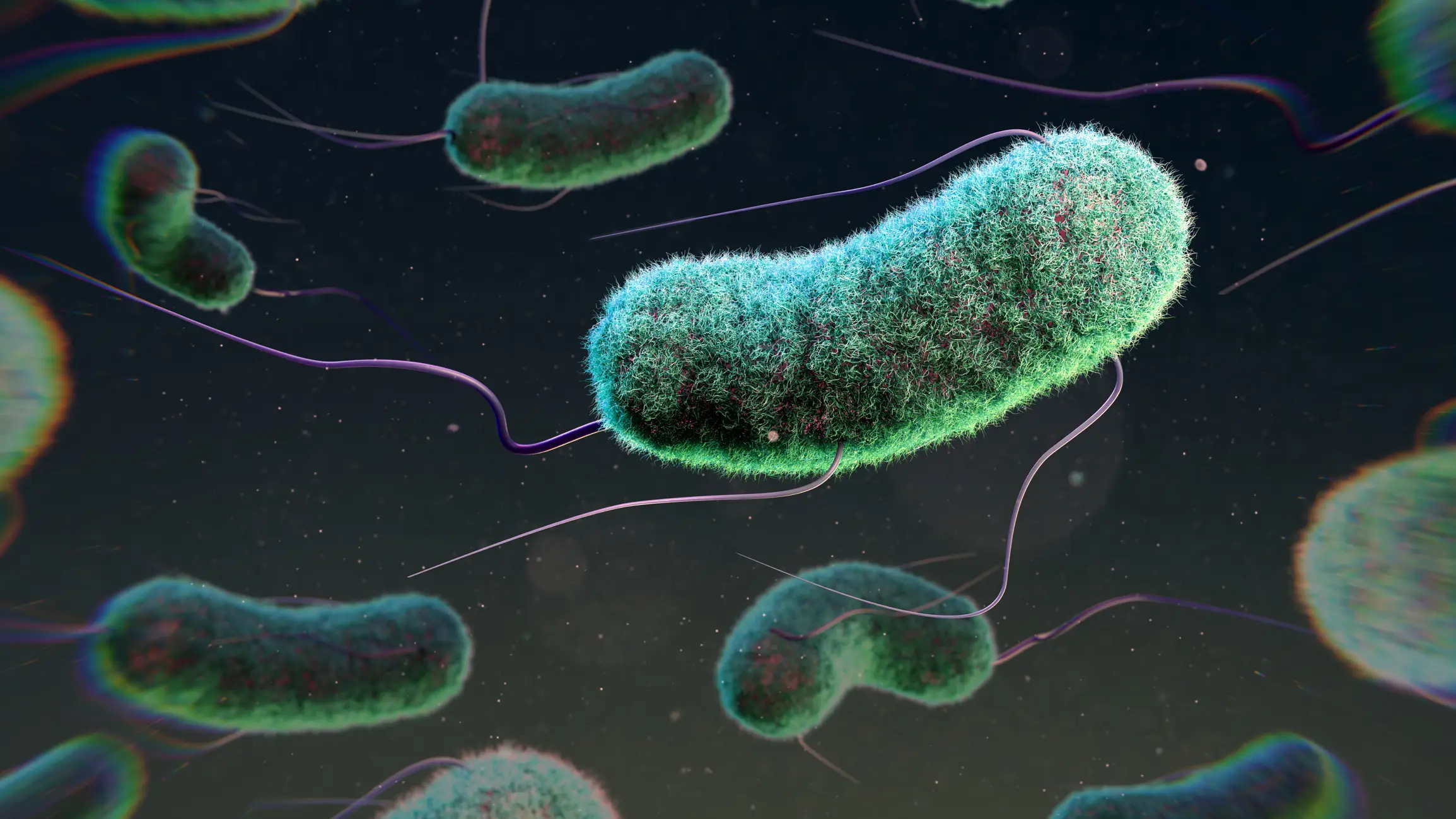
Around 18% of infections were tied to these zoonotic strains, with even higher rates among women and people living in high-poverty neighbourhoods.
To understand how a piece of raw meat could eventually lead to a UTI, experts point to the way bacteria spread long before symptoms begin.
As reported by Food & Wine, Brian Helfand, M, said: “If humans come into contact or consume this meat, it’s possible that the E. coli could colonise the gut, where it can then spread directly from the gut or be shed through bowel movements to the perianal or periurethral region,” from which point the bacteria can travel into the urinary tract.
What’s even more unsettling is that the meat most likely to carry these problematic strains is among the most commonly eaten.
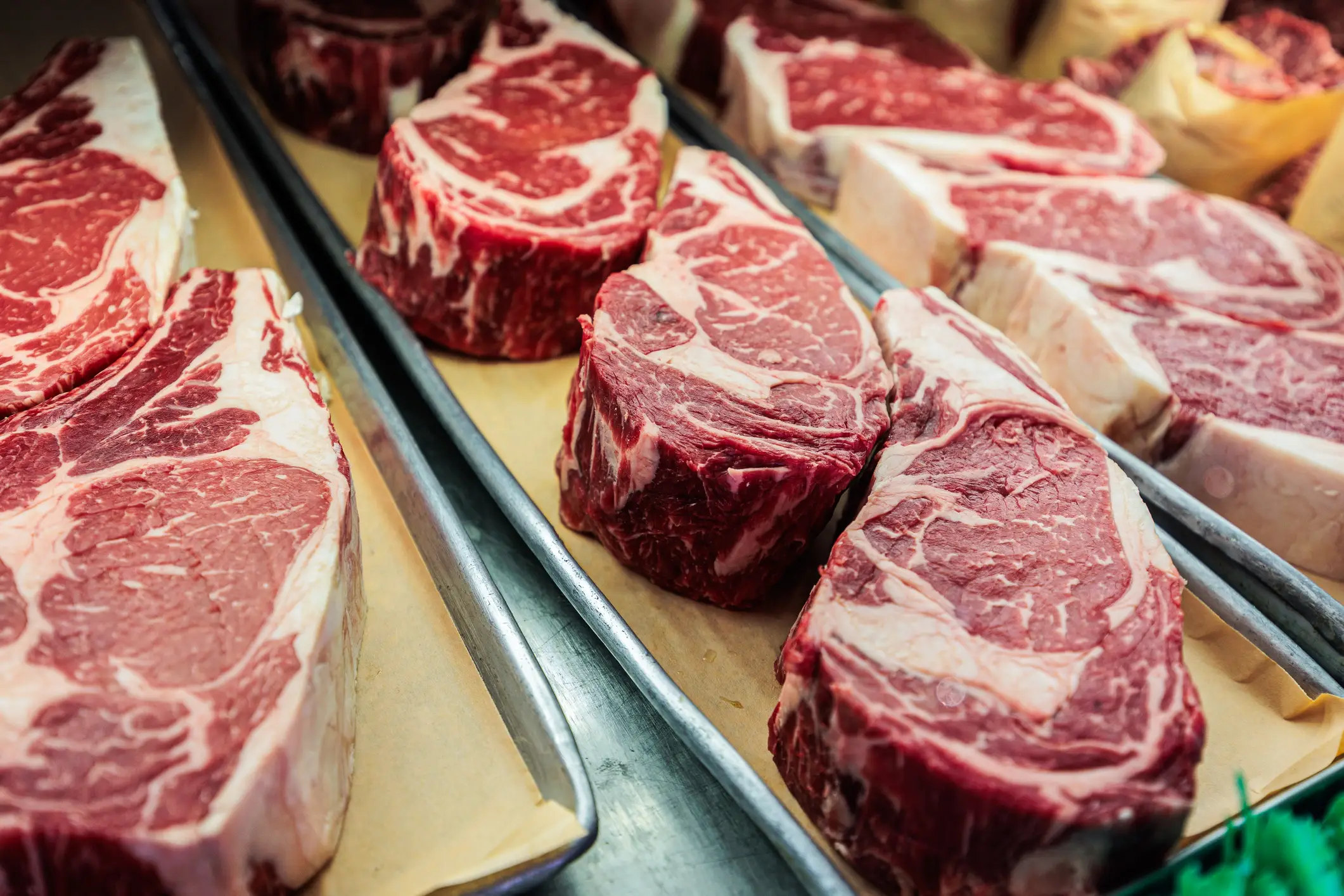
Poultry topped the charts, with turkey showing contamination rates of 82 percent and chicken 58 percent, followed by pork at 54 percent and beef at 47 percent. What’s more, because E. coli can’t be seen, smelled, or tasted, consumers have no way to know whether dinner prep has introduced a threat.
The researchers emphasise that the study doesn’t prove that eating contaminated meat directly causes an individual’s UTI, a point echoed by urologist Siri Drangsholt, MD, who notes the limits of the data: the study did not describe patients in detail, meaning some may have had bacteria present without symptoms. She said: “A UTI means that you have bacteria [in the urinary system] and symptoms from that bacteria.” Still, the findings highlight a previously overlooked route by which harmful bacteria can reach the body.
For now, experts suggest sticking to the basics: cook meat thoroughly, keep raw and ready-to-eat foods separate, refrigerate quickly, and wash hands and surfaces diligently.
Topics: Health
 Ben Williams