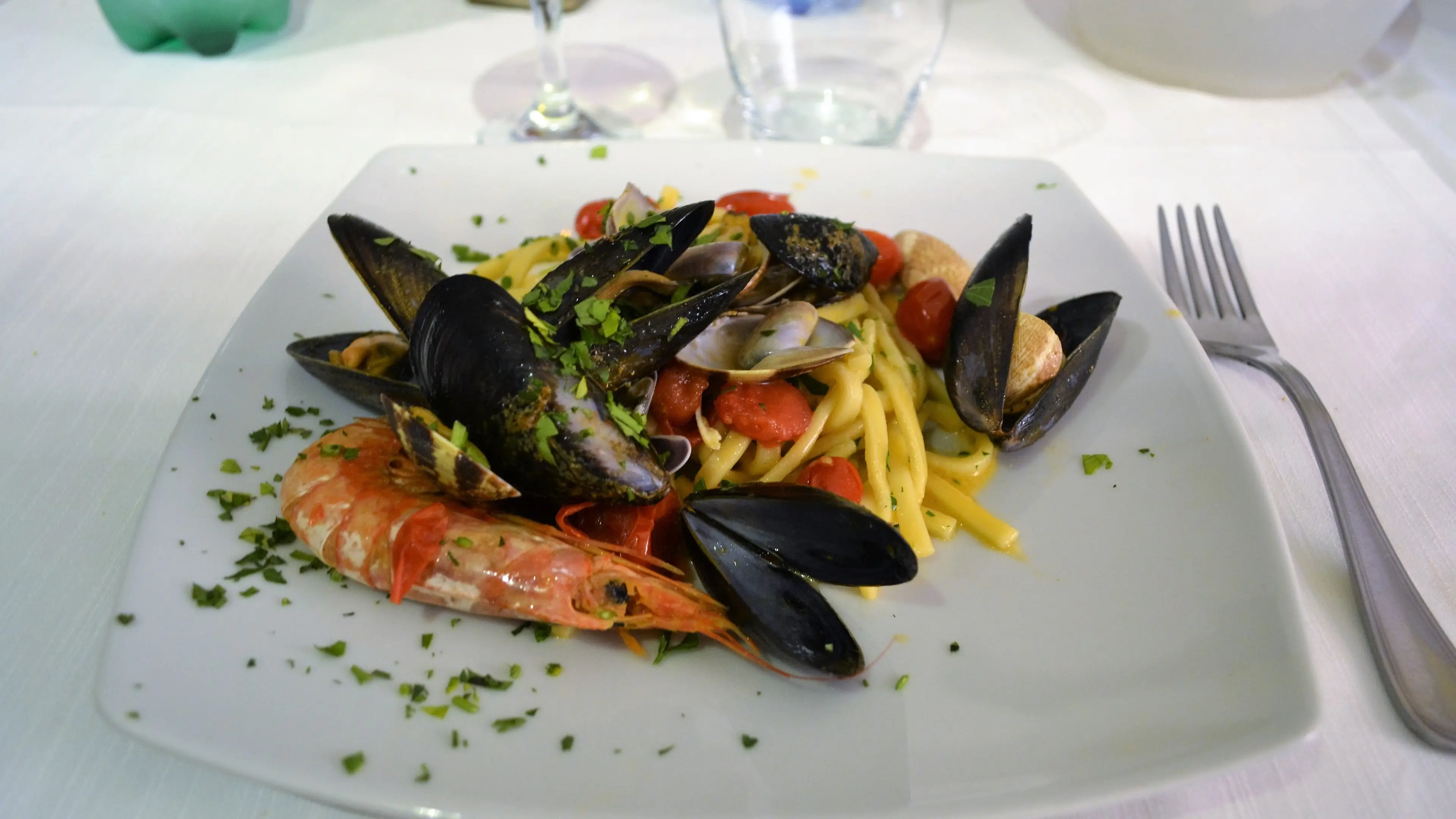
Popular European holiday spot bans shellfish following outbreak of serious illness

Local authorities have slapped a shellfish ban on a tourist honeypot after almost 200 infection reports were made, according to a Foreign Office-backed outlet.
When it comes to travelling abroad, the last thing you probably want is to be struck down with illness - but that’s the reality for 180 visitors to the Campania region of Italy.
In the week to 19 March, 65 cases of hepatitis A were reported, and officials believe they were linked to the consumption of contaminated seafood.
As a result, the area, which encompasses popular destinations such as Naples and Capri, has ordered shellfish sales to temporarily cease.
Advert
Holidaymakers are warned to take care when consuming fruit and vegetables too.
Dr Raffaele Di Sarno, head of the infectious disease emergency room at Cotugno Hospital in Napoli, informed L’Unione Sarda that there were a total of 61 patients between the ages of 30 and 40 at the hospital.

It’s understood that many of those who have been hospitalised have ‘uncomplicated hepatitis, which is not currently a cause for concern’.
The Express reported that many of the infected travellers reported eating raw mussels.
This has prompted the City of Naples mayor, Gaetano Manfredi, to establish a city-wide ban affecting all public establishments, including restaurants and market stalls.
Similar orders have been issued by mayors of Benevento and Forio, as per The Mirror.
Amid the widespread illness outbreak, which has impacted 180 people since the end of January, the NAS Carabinieri, a public health unit which investigates food safety, has said it has begun carrying out inspections in Naples.
The agency, overseen by Commander Alessandro Cisternino, is hitting eateries, fishmongers, and markets to ‘establish whether untraceable seafood and vegetables are being sold’, the outlet stated.
"Cases are distributed throughout the country: similar situations are being reported in the provinces of Naples, Caserta, and other hospitals,” the NAS Carabinieri added.

Samples will be gathered and sent to experts at the Portici Zooprophylactic Institute for testing.
Maria Triassi, a university professor of hygiene, said that experts believe the hepatitis A outbreak originated from a batch of mussels in the Naples area.
“Whilst in the past the population of Naples and its province was immunised from constant contact with an endemic virus since childhood, today many lack antibodies. Vaccination is essential,” she added.
Hepatitis A is defined by the NHS as a liver infection that can cause symptoms such as fever, fatigue and stomach pain.
The best way to prevent the illness is to get vaccinated, as well as making sure you wash your hands thoroughly before preparing and eating food, the health service said.
"The risk of acquiring hepatitis A can be reduced by ensuring good personal hygiene and following advice on the prevention of food and water-borne diseases,” added Travel Health Pro.
 Ella Scott