
Doctor's warning to anyone who still feels hungry after eating

Feeling like you’ve not eaten enough and can still have room for plenty more is a familiar situation for many people.
After eating your fill and carrying on with your day, quickly becoming hungry again, way sooner than planned, is a regular annoyance. However, not many realise there’s a good reason for this phenomenon, which leads to over-snacking and the frustration that regular meals aren’t hitting the spot.
It’s easy to brush this off as stress, boredom, or simply having a big appetite. In actuality, health experts say that persistent hunger after eating isn’t always about quantity. In some cases, it can be linked to how balanced your meals are and whether they contain the nutrients needed to keep you feeling full for longer.
Hormones that regulate appetite, lifestyle factors such as sleep, and even the speed at which you eat can all play a role in how satisfied you feel once a meal is over.
Advert
According to a Harvard-trained gastroenterologist who regularly shares health advice over social media, one overlooked factor stands out. The California-based gut doctor, Saurabh Sethi, explained in a recent Instagram post: “The first sign of fibre deficiency isn’t constipation. It’s feeling hungry soon after eating.”
That warning is quite surprising, as fibre is often only associated with digestion rather than appetite, but it’s easy to comprehend when you understand how fibre works.
As reported by Cambridgeshire Live, fibre is a type of carbohydrate that the body cannot fully digest, which means it stays in the stomach for longer and slows the rate at which food moves through the gut.
This process helps trigger hormones that signal fullness to the brain. Meals low in fibre, particularly those heavy in refined carbohydrates, can be digested quickly, leaving you hungry again far sooner than expected.
Despite its importance, most adults are not getting enough fibre in their daily diet. Guidelines recommend around 30g a day, yet average intake falls well short of this — only 20g a day is taken in by adults on average, according to findings by the NHS. Over time, a lack of fibre has been linked not only to hunger, but also to constipation, fatigue and increased risk of conditions such as heart disease and type 2 diabetes.
Dr. Sethi has encouraged people to look more closely at what they are eating, rather than how much. He wrote: “Not all health signals are as obvious as we think. Are you getting enough fibre in your daily diet?”
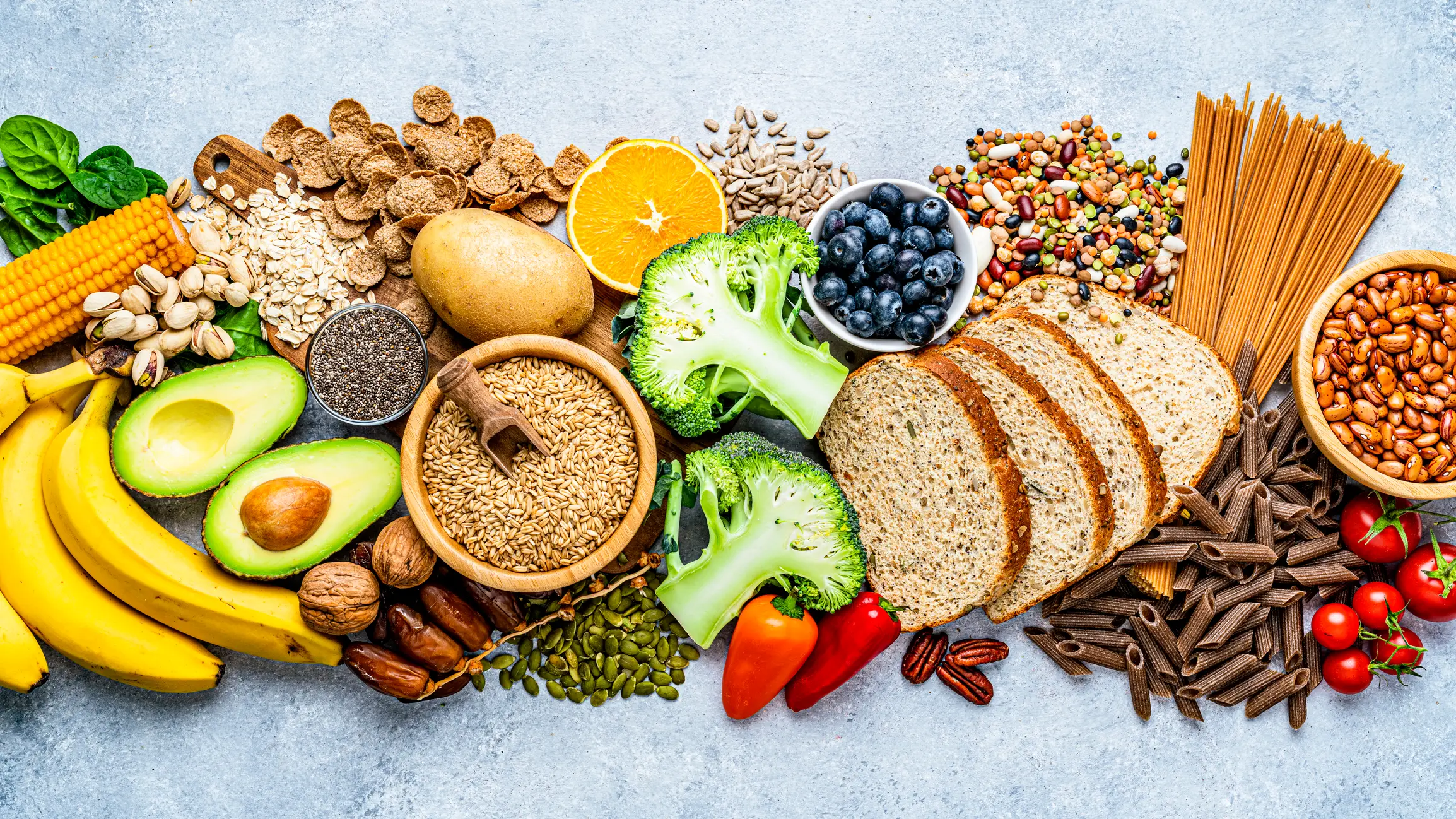
If you often feel hungry shortly after meals, the NHS suggests focusing on whole foods such as vegetables, fruit, beans, wholegrains, nuts and seeds, alongside adequate protein. If the problem persists, it may be worth speaking to a GP to rule out other underlying causes.
 Ben Williams