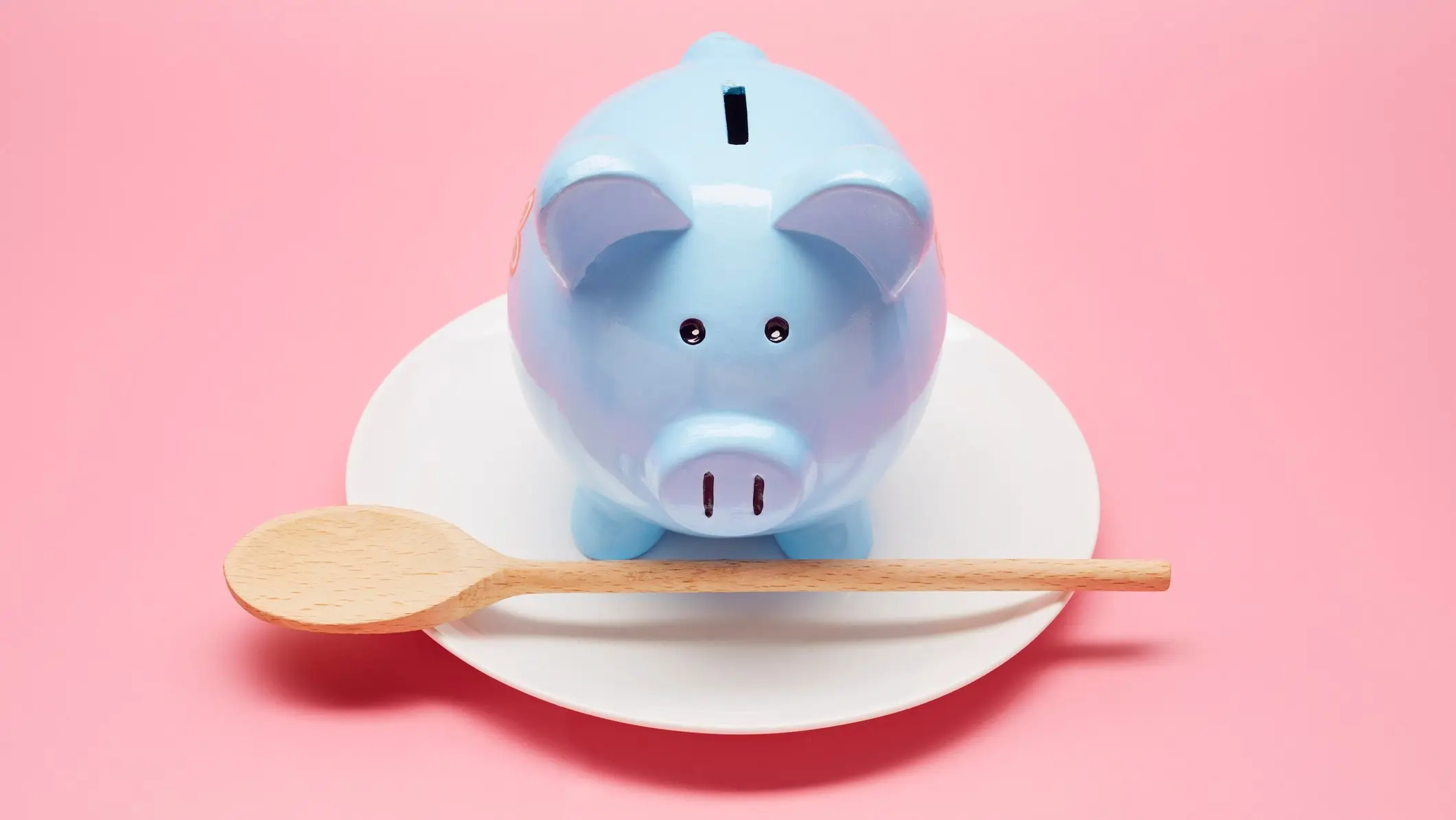
Rise of budget bakes and money-saving cooks as food inflation tipped to rise sharply

Britain’s food shoppers are facing another squeeze, with the cost of groceries forecast to rise sharply over the next two years.
Households, chefs, bakers and content creators are finding increasingly creative ways to keep small pleasures on the menu.
According to The Grocery Gazette, the Institute of Grocery Distribution (IGD) has forecast food inflation to rise to between 5.6 percent and 6.6 percent in 2027, before remaining elevated at between 5.3 percent and 6.3 percent in 2028.
Extreme weather, energy markets and supply chain disruption are all expected to trickle down to prices, with fruit and vegetables particularly vulnerable to changing weather conditions
Advert
For shoppers, however, inflation is about more than the number on a supermarket shelf.
“Food inflation tells us how quickly prices are rising, rather than simply whether food is expensive,” explains food industry specialist and broadcaster Luisa Ruocco.
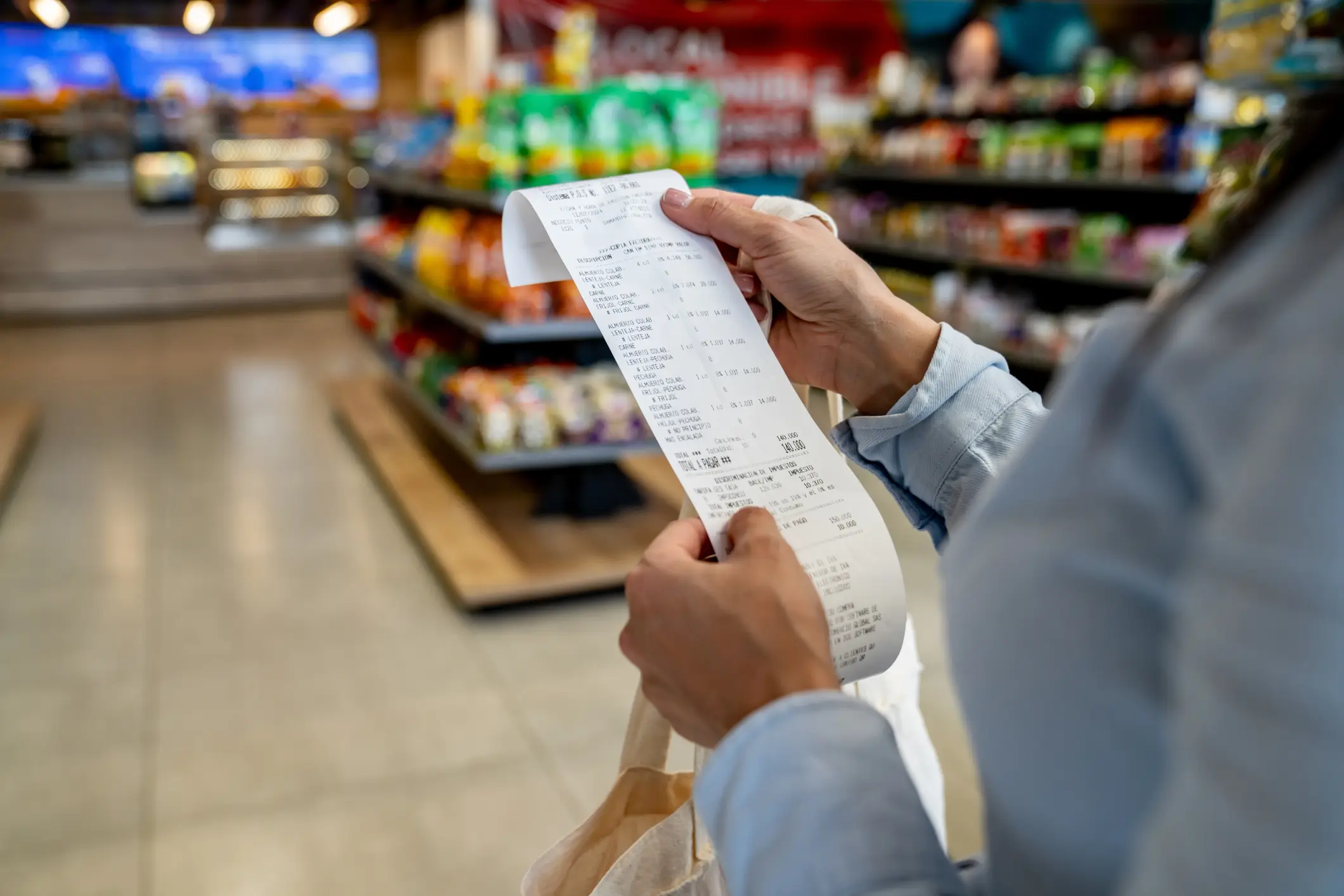
“If a weekly shop costs £100 and food inflation is running at around six percent, roughly the same basket could cost around £106 a year later.”
Crucially, a fall in inflation does not mean prices return to where they started. If inflation falls from six percent to three percent, prices are still going up, just at a slower rate.
That distinction is helping to shape the way people shop and cook.
Households are looking for savings, but that does not necessarily mean abandoning treats altogether.
The rise of the budget bake
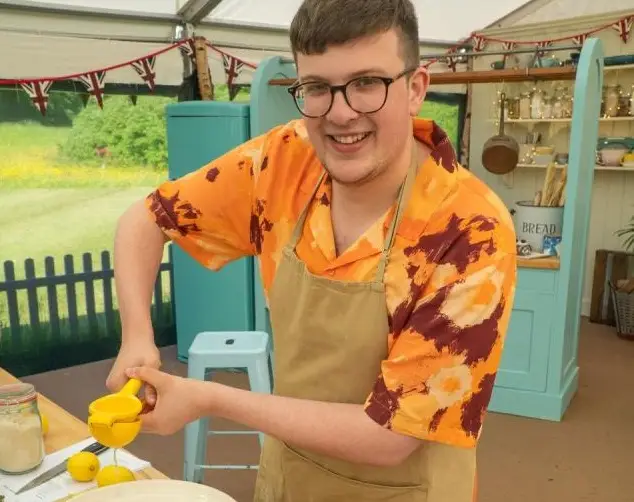
Great British Bake Off star Rowan Claughton has tapped into that mood with a series of budget-friendly baking videos on Instagram, recreating popular sweet treats at home rather than paying bakery prices.
“I am the person my series is aimed at, I need a food budget and I love a sweet treat,” Claughton says.
The response has been incredible, with millions of views and thousands of people sharing their own recreations.
Claughton says the idea came from seeing the popularity of budget dinners and food-preparation content online, but noticing that desserts were often missing.
“I’m not saying I eat cake with every meal (I wish my arteries would allow it though) but I think that being on a budget shouldn’t exclude foods simply because they aren’t savoury,” he says.
“I eat for sustenance, but I also eat for joy and it’s important to maintain that balance within a budget.”
It is a sentiment that sits neatly alongside Ruocco’s observation that households don't always respond to rising costs by buying the absolute cheapest option.
Someone who stops spending £80 on a restaurant meal may instead spend £25 on steak, wine and dessert to eat at home.
Their supermarket bill has risen, but their overall food spending has fallen dramatically.
“Consumers can trade down from the restaurant while trading up within the supermarket,” Ruocco says.
“Premium groceries can almost become a consolation prize.”
That shift has implications far beyond the weekly shop.
Restaurants and cafés are increasingly competing with the kitchen at home, where shoppers can recreate a more indulgent experience for less.
From viral cookies to supermarket versions
For Claughton, baking at home also offers an escape from the pressure to buy every new social-media food sensation.
“I’m often served videos telling me I ‘have to pick up the new viral bakery item’ and it’s a bag of 5 cookies for £4.50,” he says.
“I can’t take the time pressure, but more importantly, I don’t have the spare cash to throw at each and every new viral bake that my feed thinks I should.”
His answer is to recreate the treats himself, with supermarket ingredients.
Among the baker’s favourites are his version of the viral M&S Triple Chocolate Cookies.
“Make them and you’ll see why! Cheap and delish,” he says.
There is also evidence from Claughton’s own shopping basket that ingredients are becoming more expensive.
Since appearing on The Great British Bake Off in 2023, he says he has baked most days for work and is now spending ‘around a third more each month in ingredients’ than when he first began creating food content after the show.
The increase is particularly noticeable given the quantity of ingredients required for regular baking, although Claughton points out that smaller batches can make it more manageable.
For those tempted to try baking as a money-saving exercise, he argues that the barrier to entry is lower than it might appear.
“My videos make it so easy to whip something up in an hour, or less!” he says, adding that he provides both spoken instructions and written recipes so viewers can follow the method in whichever way suits them.
Making food stretch further
Ruocco says the biggest savings do not necessarily come from switching to the supermarket with the lowest headline prices. Instead, shoppers should look at what is actually going into their baskets.
Checking prices per kilo, choosing cheaper cuts of meat, using eggs and pulses in place of more expensive proteins, buying seasonal produce and questioning whether branded products justify their premium can all reduce the bill.
Meal planning and batch cooking can also help, particularly by reducing food waste and making an expensive takeaway less tempting after a long day.
The freezer, meanwhile, is an underrated tool.
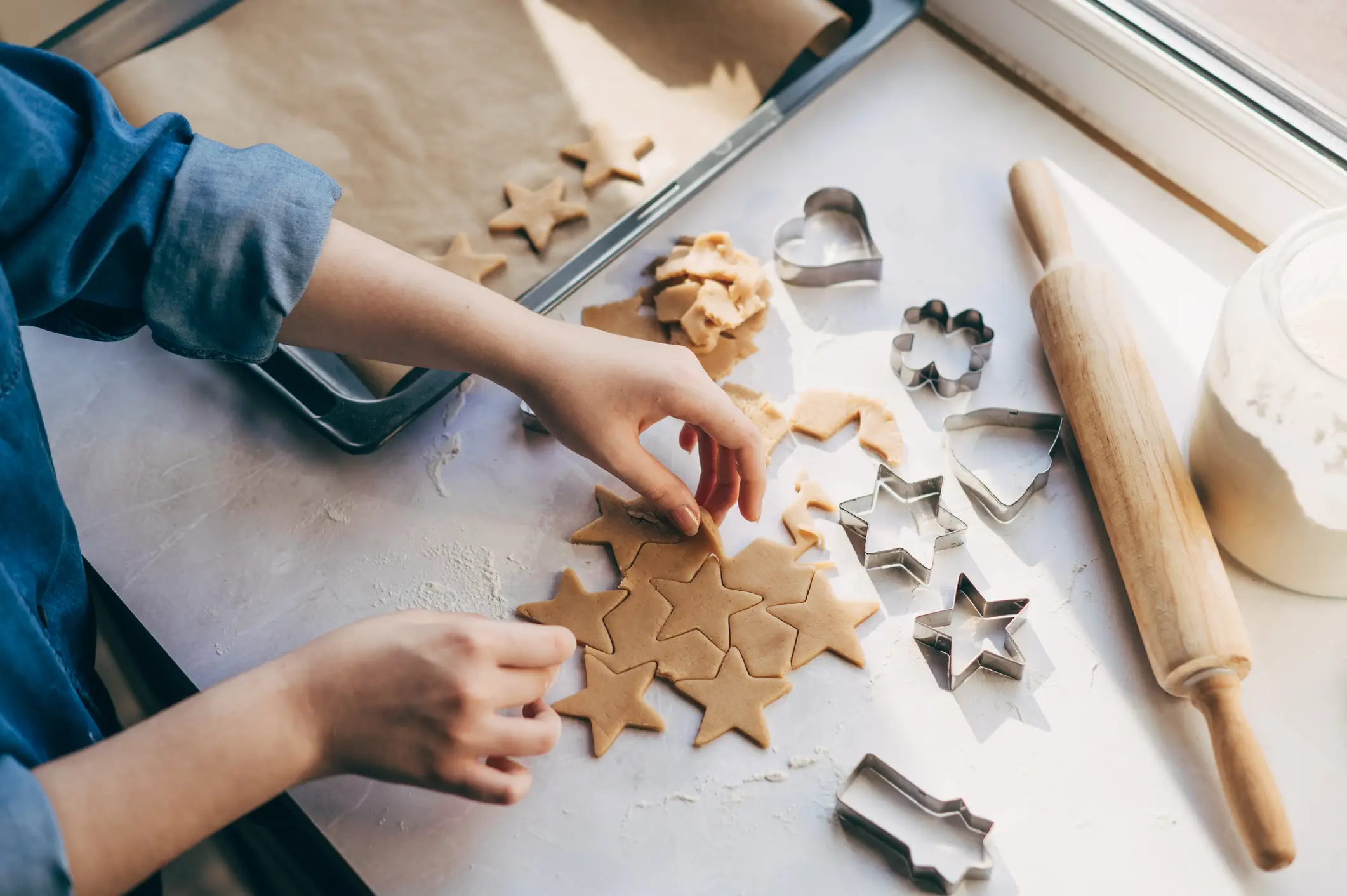
Claughton recommends freezing cookie dough in individual balls and baking them directly from frozen.
Muffins can be kept in an airtight container, while homemade pizza can be frozen before baking.
“Plus you can actually customise your toppings so it’s a win-win!” he says.
Ruocco also points to food-surplus services such as Too Good To Go and Olio, as well as supermarket reduced sections.
But she cautions against assuming every treat has to disappear from the budget.
“Sometimes the apparently indulgent option is still the economical one,” she says.
A supermarket dessert might seem expensive in isolation, but can still represent a substantial saving if it replaces a restaurant meal.
Why prices keep moving
Ruocco says consumers should not expect food prices simply to return to their old levels once inflation falls.
“I do not think we are likely to return to those old headline prices,” she says.
Instead, affordability depends partly on what happens to household incomes.
If wages rise faster than food prices over time, food can become more affordable relative to earnings even when supermarket prices never actually fall.
Perhaps that is why the humble homemade biscuit, cake or pizza is becoming more than a recipe.
As Claughton puts it: “Life can be difficult and unwaveringly busy so small comforts have started to mean more to us in recent years.”
And with food inflation forecast to approach 6 percent, the ability to make those comforts at home, rather than give them up altogether, could become an increasingly important part of the Great British household budget.
Topics: UK Food, News, TV and Film, Social Media
 Jen Thomas