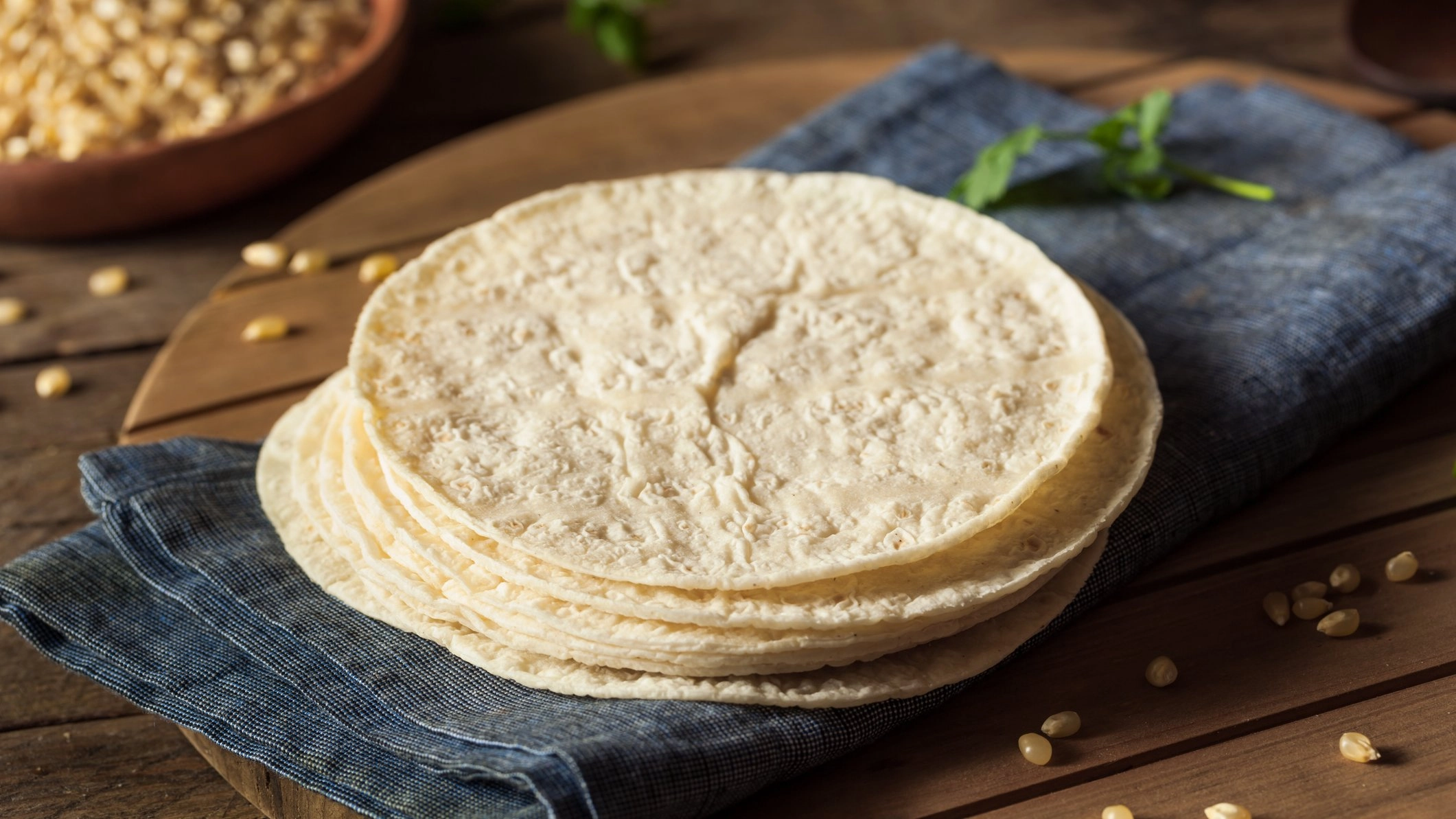
New 'tortilla law' explained as it comes into effect this week

Food laws have a habit of slipping quietly under the radar. From salt reduction targets to sugar levies, these changes rarely announce themselves loudly, yet they often reflect years of research, lobbying and public health concern.
In recent decades, much of that focus has centred on fortification: the practice of adding vitamins or minerals to commonly eaten foods to address population-wide deficiencies.
Bread, breakfast cereal and flour have long been part of that conversation, particularly when it comes to folic acid. Now, another familiar food is stepping into the spotlight.
This week, a new California law comes into effect that directly affects corn tortillas and the products made from them. Dubbed the 'tortilla law’ across social media platforms like X (formerly Twitter), whilst it might sound interestingly niche, and even a bit fun, the reason behind its existence is anything but.
Advert

From 1 January 2026, Assembly Bill 1830 requires corn masa flour (the primary ingredient in corn tortillas) to contain a specified amount of folic acid. Wet corn masa products are also included. The move follows mounting evidence that certain communities, particularly those whose diets rely more heavily on corn-based staples, have not benefited equally from existing fortification policies.
As for what folic acid does, WebMD explains: “Folate and folic acid are forms of vitamin B9 used for deficiency and to prevent pregnancy complications. Many foods contain folate or have folic acid added.”
Since 1998, folic acid has been added by law to many wheat-based products in the US, including bread and pasta. Corn masa flour, however, was not part of that original mandate.
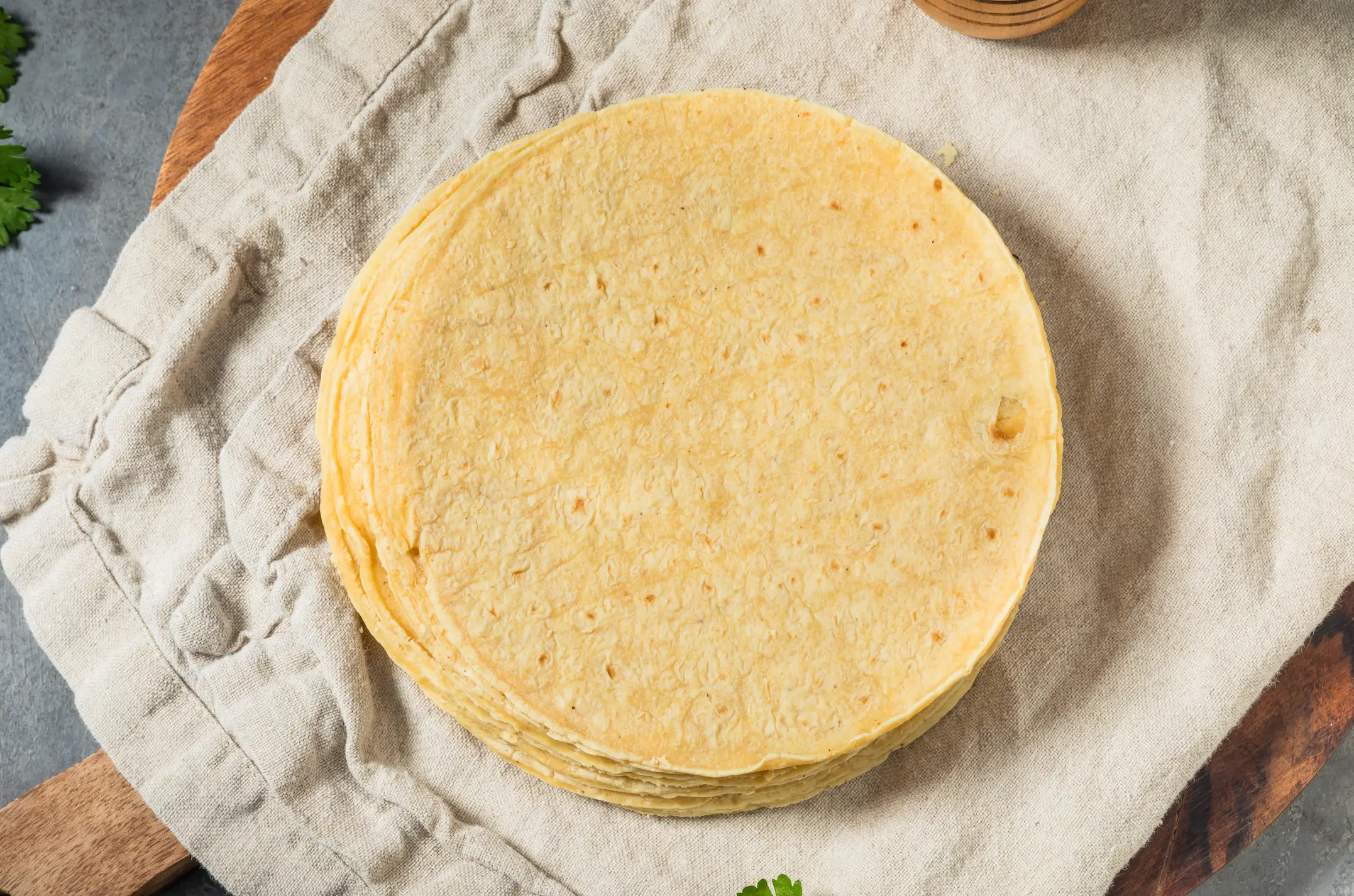
Supporters of the new law point to disproportionately higher rates of severe birth defects, particularly neural tube defects that occur very early in pregnancy. Folic acid intake before and during early pregnancy has been shown to significantly reduce the risk of these conditions.
The legislation itself is highly specific. Reported by Fox 5 San Diego, Section 2 of the bill states: “Corn masa flour manufactured, sold, delivered, distributed, held, offered for sale, or used as an ingredient in the manufacture of a food product shall contain folic acid at a level of 0.7 milligrams of folic acid per pound of corn masa flour within an acceptable industry standard deviation of error.”
Wet corn masa must contain 0.04 milligrams per pound of end product.

Beyond the formulation changes, the law also requires clearer labelling. Products must declare the presence of folic acid on their nutrition labels and state whether they contain corn masa flour or were produced using a wet corn masa process.
The bill passed unanimously, with a 77–0 vote, and was signed into law by Governor Gavin Newsom in September 2024. While consumers are unlikely to notice any difference in taste or appearance, lawmakers argue the long-term impact could be significant, potentially preventing serious health outcomes and reducing future healthcare costs.
 Ben Williams