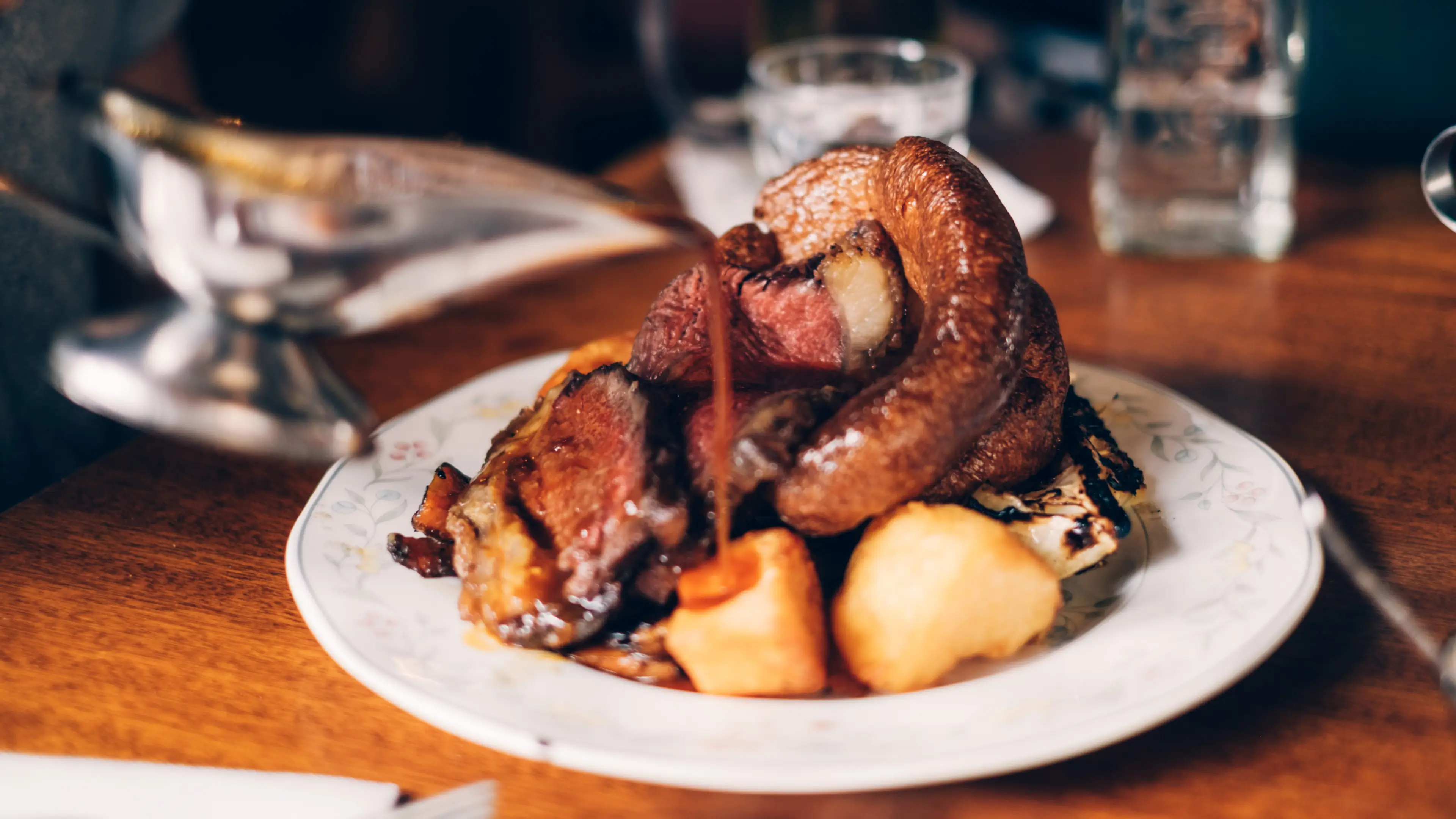
Sunday roasts at risk following a ‘devastating year for farming’

Classic Sunday dinner enthusiasts are warned to manage financial expectations as experts detail how a ‘devastating year for farming’ may impact the traditional meal.
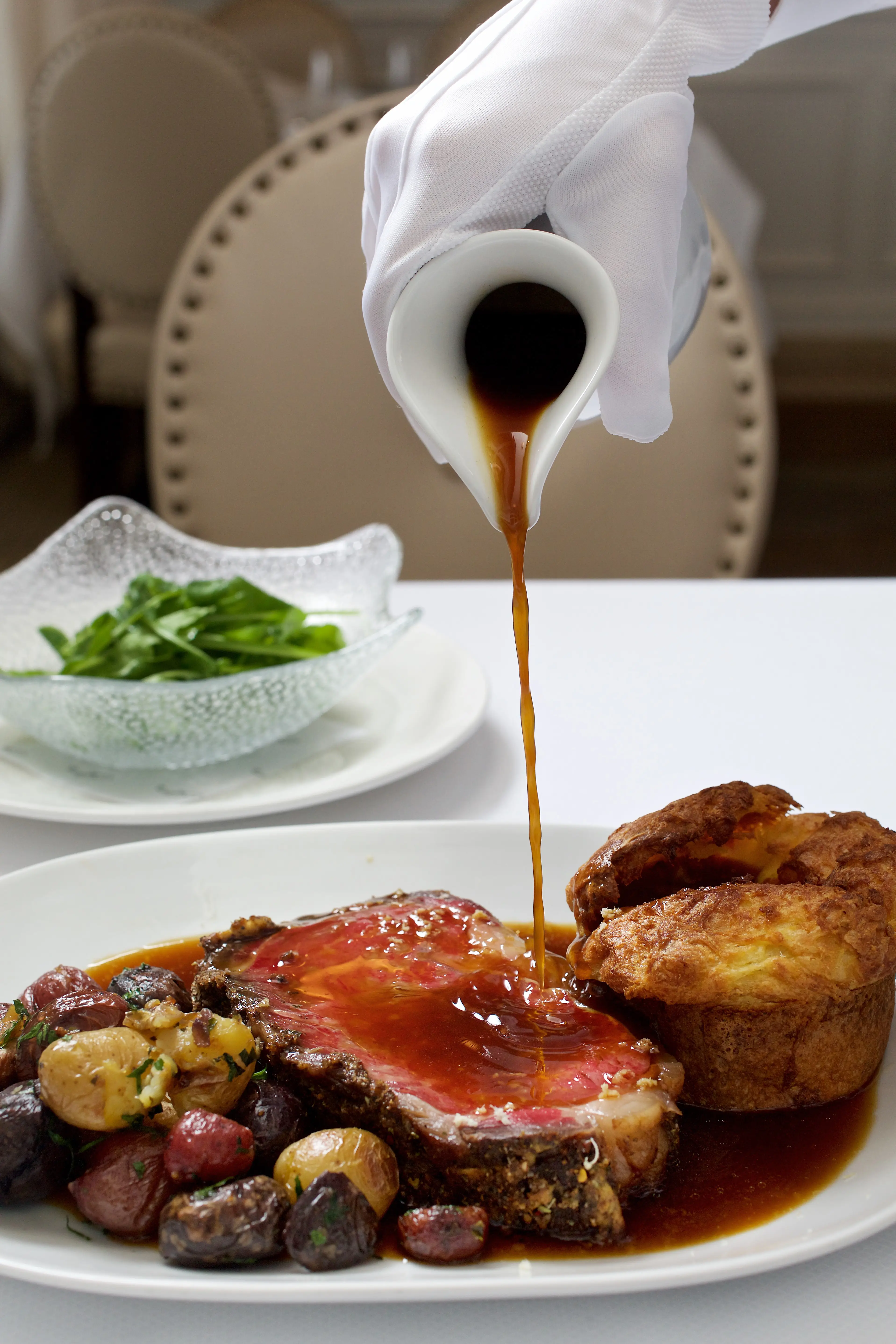
Whether you love a succulent, homemade pork joint, prefer a royal rack of lamb, or constantly choose melt-in-the-mouth beef, you can’t deny that a British Sunday roast is elite.
Not only is there a cut of meat or two on the plate, but most dinners include trimmings such as herby stuffing, mashed potato, goose fat roast potatoes—sold this year as part of Sainsbury’s Christmas range—Yorkshire puddings, lashings of gravy, and more.
But scientists have suggested that because of ‘erratic weather, influenced by climate change and the El Niño phenomenon’, your roast dinner could soon break the bank.
Advert
Writing on The Conversation website, Sophie Perry, Research Fellow, Centre for Food Policy, City St George’s, University of London and Leila Fathi, Research Fellow at the Centre for Food Policy, City St George’s, University of London, said a 'devastating year for farming', due to adverse and unpredictable weather, has reduced crop yields.
“Higher fertiliser and energy costs make it more expensive to produce and process food. This will not only impact farmers’ livelihoods and shoppers’ wallets, but potentially the quality, volume, and nutritional value of food on our shelves, as manufacturers turn to cheaper alternative ingredients to limit overall price increases.”
Potatoes may be impacted by the weather
Sadly, some of the foods set to be impacted are Sunday dinner staples, including potatoes.
“Recent reports warn that UK and European potato harvests could be 3.5 million tonnes lower than expected - that’s roughly 5kg per person in the continent,” the scientists warned.
“Given demand for a staple like potatoes is relatively steady, this abrupt fall in supply will tend to mean rises in price.”
The experts said that potatoes have been ‘long relied upon as a filling and affordable base to meals’ and that by becoming more expensive, the potato may put ‘further pressure on household budgets’.
Leafy green vegetables are struggling
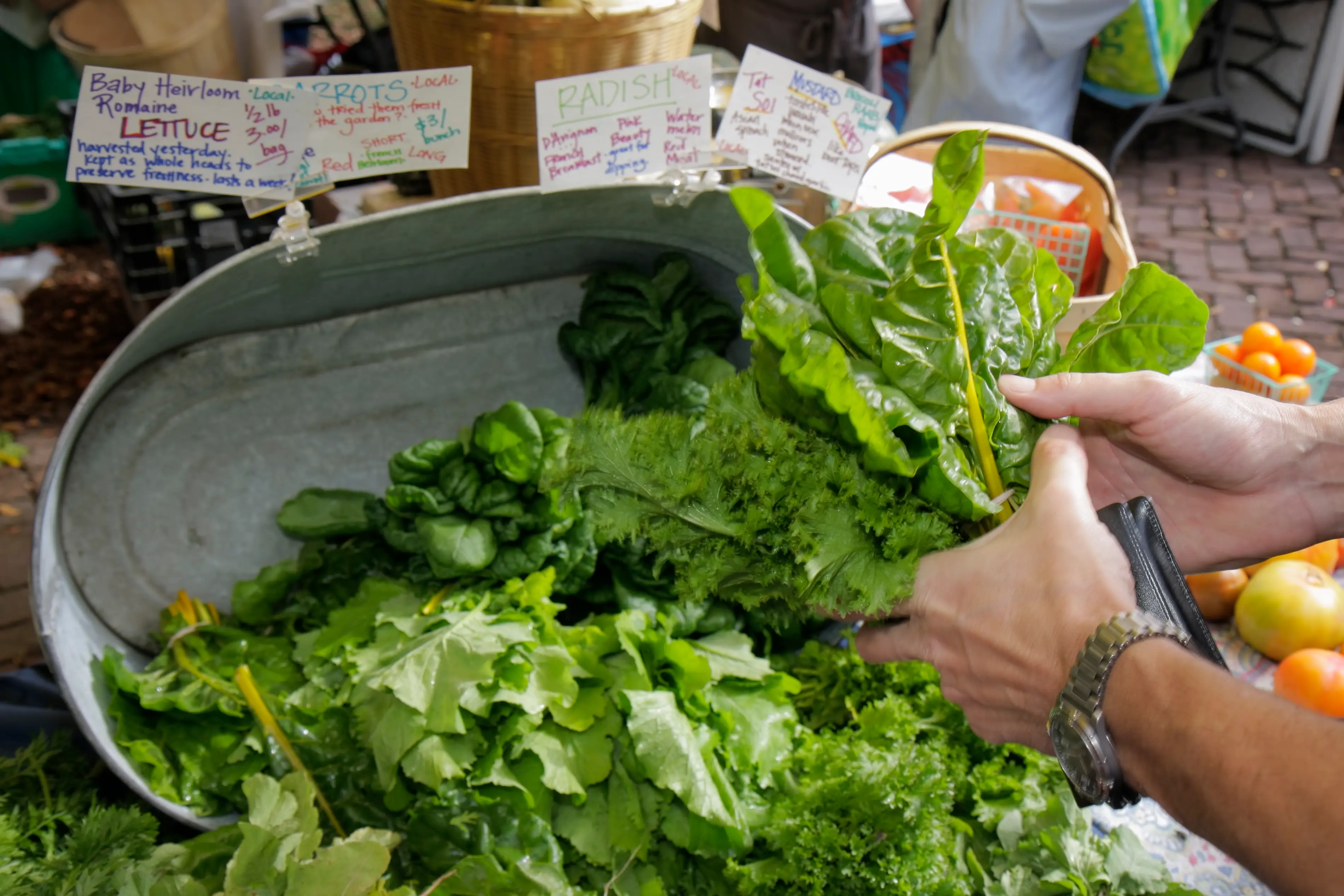
Another Sunday dinner item that may be impacted on a nutritional and financial level is leafy green vegetables.
“Spinach, lettuce and other leafy greens are especially susceptible to heat shock and water stress as a result of their shallow roots and high water content. Similarly to potatoes, their yields have suffered this year,” the experts cautioned.
It’s understood that high temperatures may have caused some crops to move into their prime too early, meaning yields are down.
Suppliers hoping to import leafy green vegetables from other countries may face an additional issue, as places like Spain have also faced weather issues.
Bread may become more expensive
Anyone who likes a slice of bread with their roast is also likely to be disspointed, according to the pair.
They wrote that the drought has caused UK wheat yields to fall significantly and that an increase of price is being driven by energy prices and ‘other overheads passed onto bakeries’.
“This means a poor harvest is one of many factors likely to inflate the price of bread over the coming months,” they added.
Jeremy Clarkson had ‘catastrophic’ year at Diddly Squat
Jeremy Clarkson, who runs and manages Diddly Squat Farm in the Cotswolds, has previously complained that the weather caused an ‘enormously challenging year’ for him and his team.
“When it's sunny, the pub [The Farmer’s Dog] does really well, but the farm does really badly,” he complained, as per the Oxford Mail.
“And when it rains, the farm does really well, and so I can never be completley happy.”
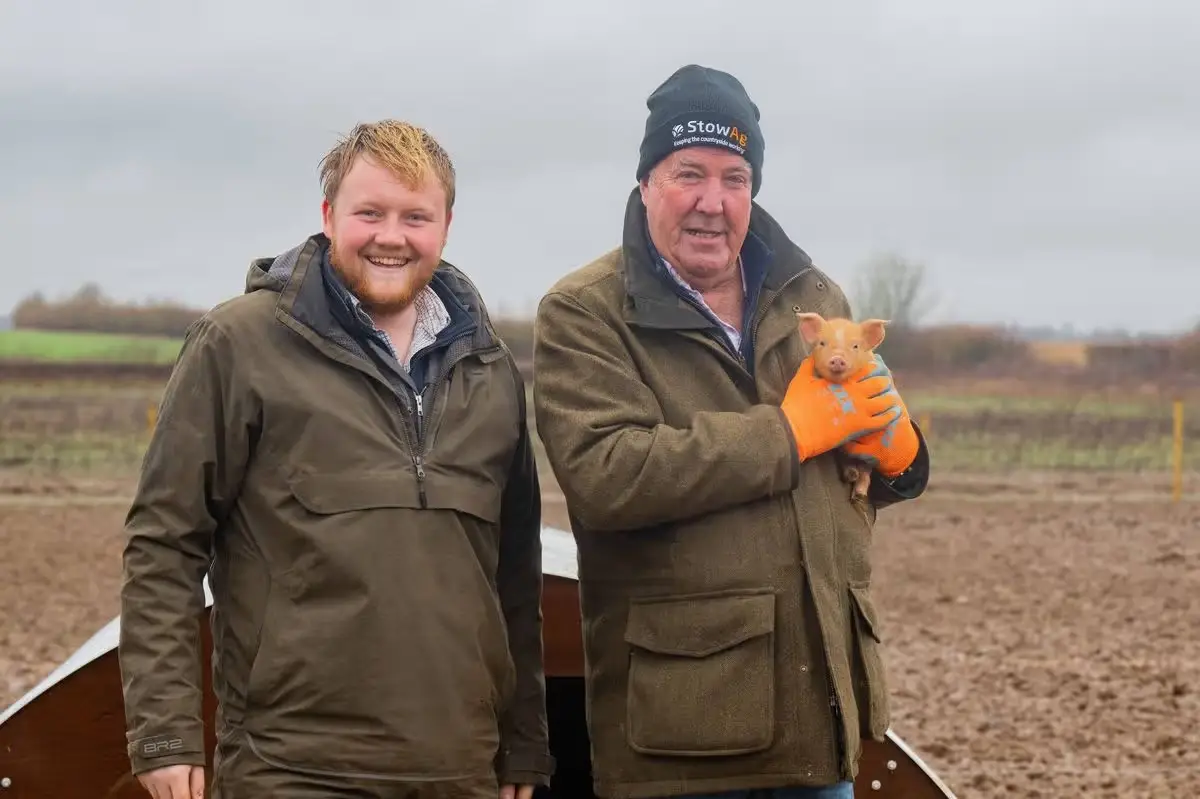
He continued, claiming: "Whatever happens with the weather, I'm going to say: 'Oh, it's disastrous at the pub' or 'Oh, it's disastrous at the farm'.”
The father of three and former Top Gear star added that the harvest season has been ‘catastrophic’, admitting he grew three ounces of hen food.
“You know, just an absolute waste of time.”
Halloween pumpkins may be sparse this year
It’s not just chicken feed that’s failing—pumpkin farmers have reported that their stock may be spoiled by the time Halloween rolls around.
Following a Met Office statement that the 2026 summer season was the hottest on record, the Fresh Produce Journal reported that pumpkins have ripened much earlier than usual.
“The crop has ripened very early; however, we have zero signs of rot as yet, and the quality looks very good,” said Jonathan Smales, grower at PD Smales & Sons, a leading Halloween pumpkin supplier based in Salisbury.
“Normally a hot or dry summer helps the skins and stalks harden which aids disease reduction,” he explained.
A report from foodservice supplier Fresh Direct said that small pumpkins will be ‘plentiful’ and medium-sized squash will be ‘limited in volume’.
Large pumpkins are ‘not expected to be available at all this season as crops continue to struggle’.
“The pumpkin is smaller than last year even after three lots of irrigation, and some varieties have done better than others. Varieties such as Munchkin haven’t been as prolific, however, Polar Bear has performed very well,” claimed Smales.
 Ella Scott