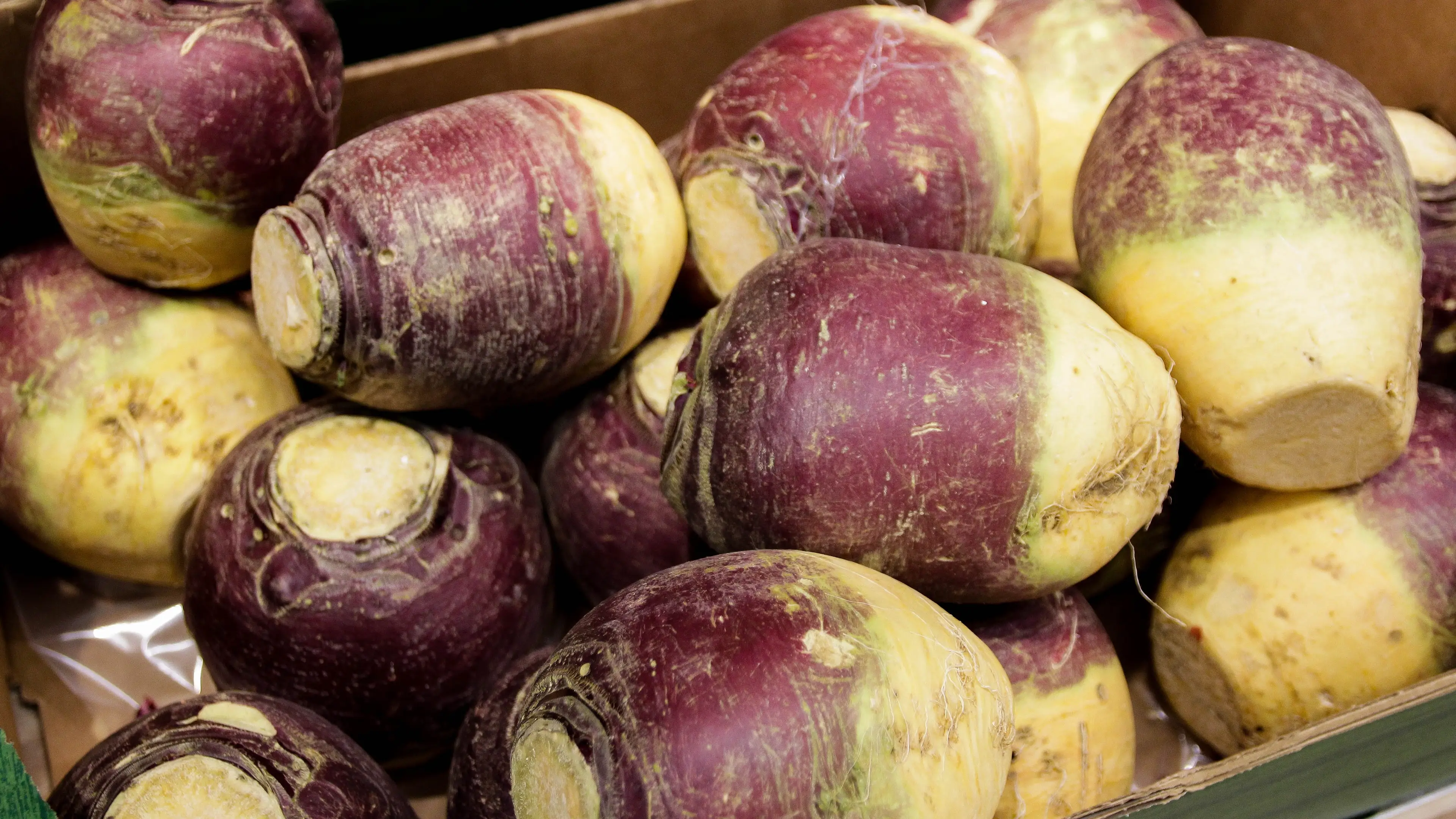
People are seriously confused about what 'neeps' actually are

Burns Night is creeping ever closer, which typically means a moreish, Scottish-inspired feast in honour of poet and lyricist, Robert Burns, is on the cards.
Everyone has a different version of a Burns Night menu, but the National Trust for Scotland states that it traditionally begins on 25 January with a hearty bowl of soup.
Most will opt to whip up a Scotch broth, a Cock-a-Leekie or a delicious Scottish smoked fish chowder known as Cullen Skink.
After the soup comes the main course - and it’s almost always haggis.
Advert
However, some people opt to follow up the savoury pudding with a glistening slab of Scottish salmon, Scottish beef, a meaty steak pie, or roasted game, such as grouse or pheasant.
For those with a sweet tooth, it’s Scottish trifle, cream and raspberries with a cheeseboard and glasses of port to round off the experience.
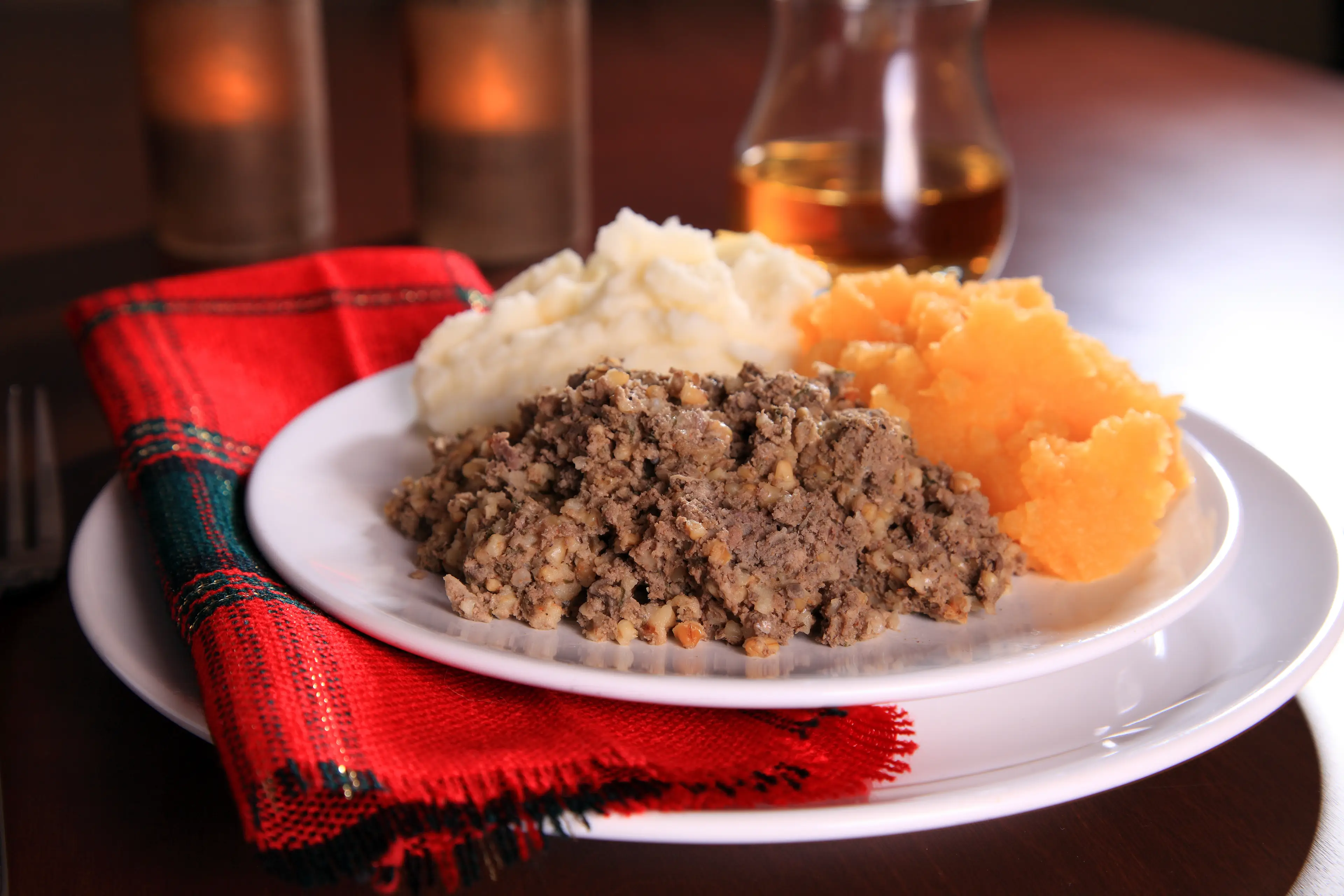
If you’re hosting your own event this week or have booked into a swanky restaurant, then you may have come across some Burns Night staples that are foreign to you.
These dishes may include cranachan - a dessert featuring toasted oats, raspberries, double cream, whisky, and honey - or ‘neeps and tatties’.
The latter usually accompanies haggis as a side, but there are some debates over what the substance actually is.
Posting a picture of the vegetable in question on X, one user posted: "Apparently, this can create heated arguments! So, once and for all. What is it?"
"Turnip," several people replied defiantly.
"It's a Swede," another claimed.
Oh boy.
What are ‘neeps’?
According to Good to Know, Scottish ‘neeps’ are large purple root vegetables that have been mashed up and served with potatoes, or tatties.
If you’re the Land of the Brave, then ‘neeps’ may be all you know the veggie as.
You might assume that the word stems from the second half of the word 'turnip', but you'd be wrong. Well, kind of.
They're actually the vegetable most people know as swede - which, confusingly, some Scots erroneously call a turnip. They are also sometimes known as rutabaga, yellow turnips, or Swedish turnips, the Live Breathe Scotland site wrote.
The hearty winter vegetable can come in various sizes, and its skin is sometimes flecked with green.
Often, people get confused, believing that ‘neeps’ or ‘swede’ is an interchangeable name for a regular turnip - but that’s not the case, according to the site.
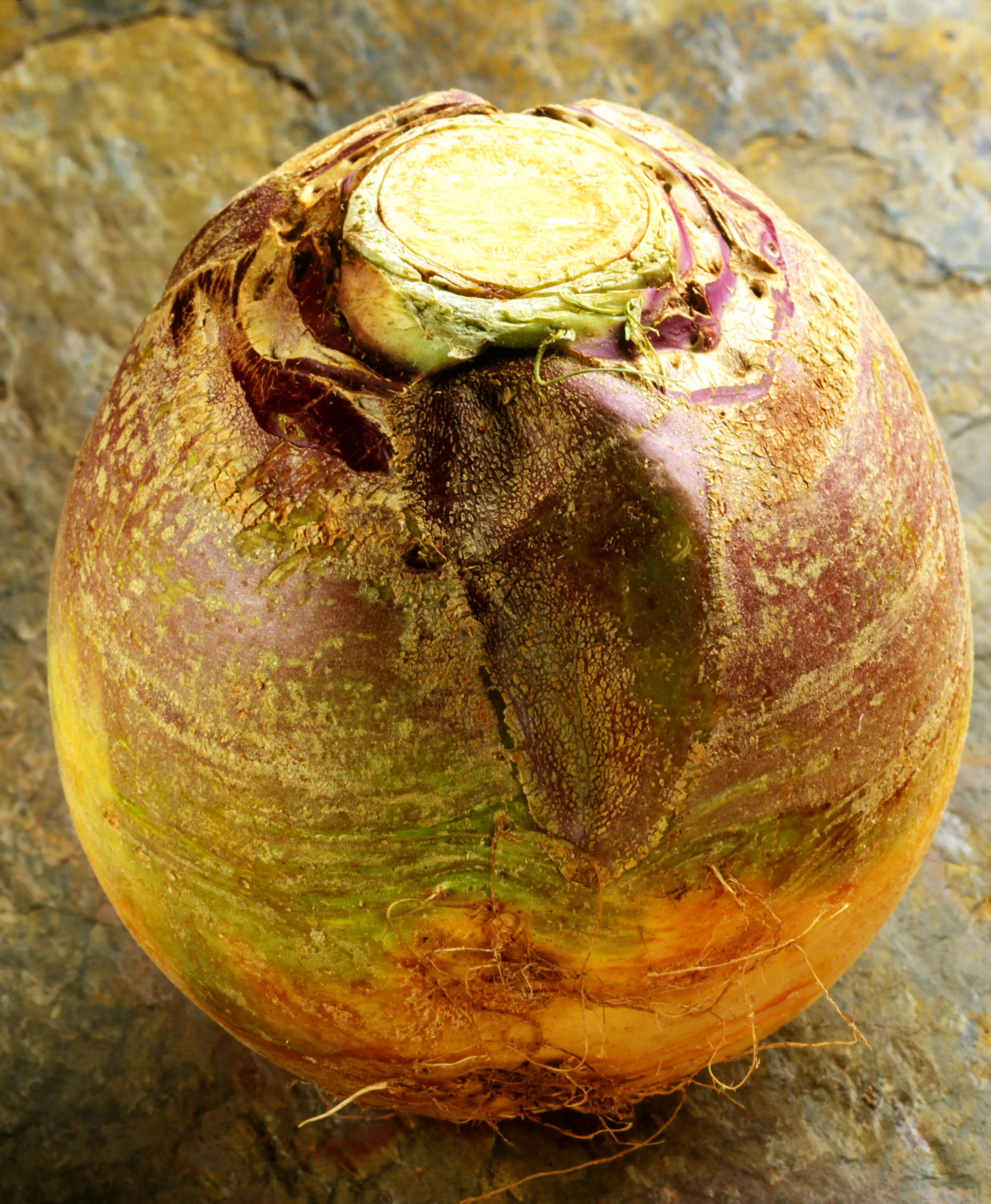
Swedes are larger and tougher than their ground-growing sisters. They were developed by hybridising a cabbage and a white turnip to resist frosty weather.
Turnips typically have thinner, paler skin, and are usually white inside where swedes are yellow.
Neeps, swede, or turnip
According to various blogs, many Scottish people that know the difference between a swede and a turnip still choose to call the former the latter anyways.
“In Aberdeen, we often still use the name ‘neep’ to describe swede,” wrote blogger Scottish Mum in 2020.
“We also call swede turnip. Who knows what most people call the white turnip? I grew up thinking it was a posh veg with no taste.”
Because they are both closely related vegetables from the brassica family, it’s understandable that people still get confused.
“I grew up thinking a swede was called a turnip. As did most other people in my area,” said one Redditor.
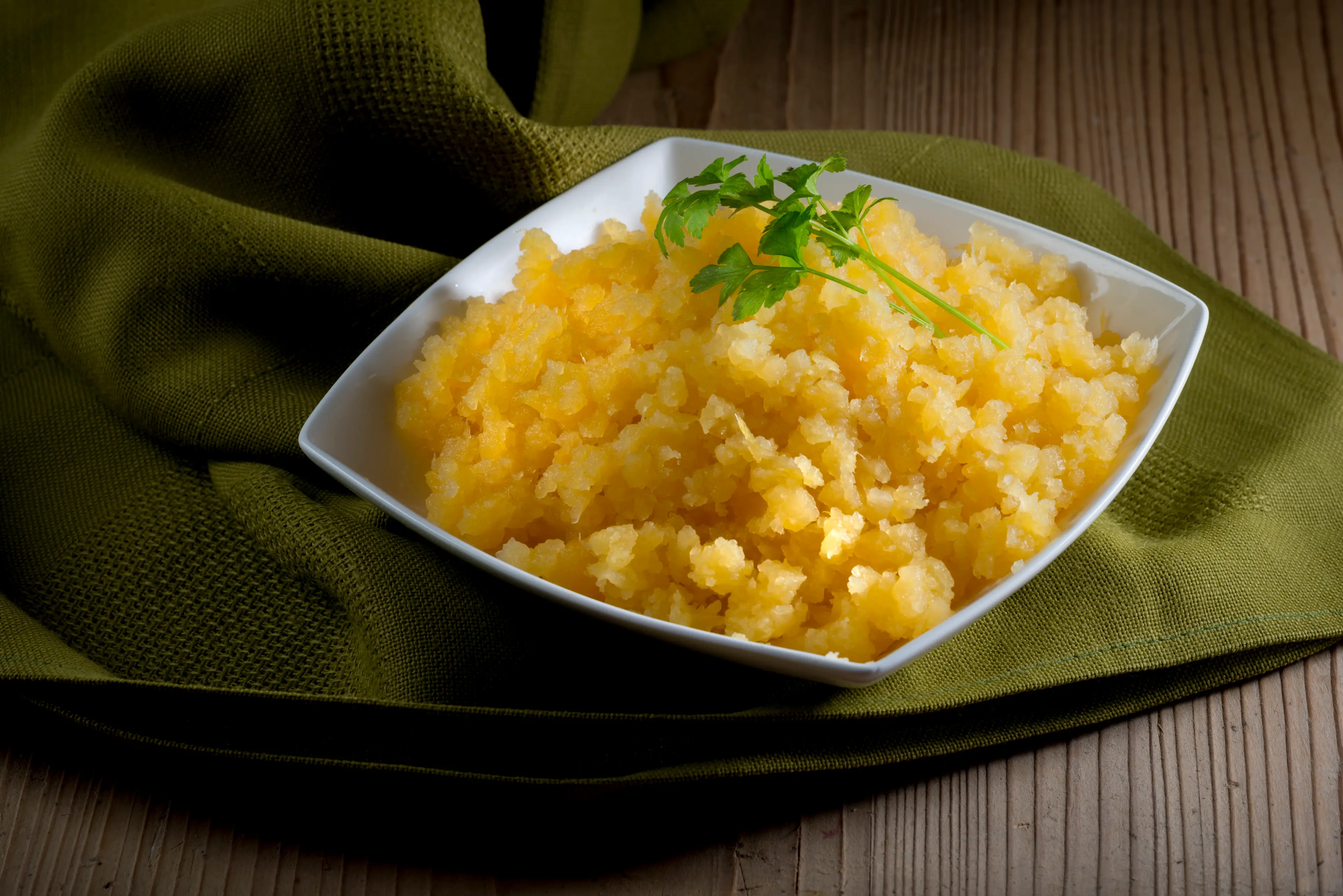
Over on X, someone made it simple: “Swede if you're English. A neep if you're Scottish. A rutabaga if you're American/Canadian.”
“That’s a swede. The little purple and white ones are turnips. HOWEVER I call it all turnip,” said another defiant social media user.
On Reddit, someone else claimed: “Turnips are white inside, swedes are yellow inside, they are both root vegetables but are not the same, they taste different. It’s just laziness mixing them up!”
Now you can impress all your friends and family when the topic inevitably comes up at Burns Night.
Topics: UK Food, Social Media
 Ella Scott