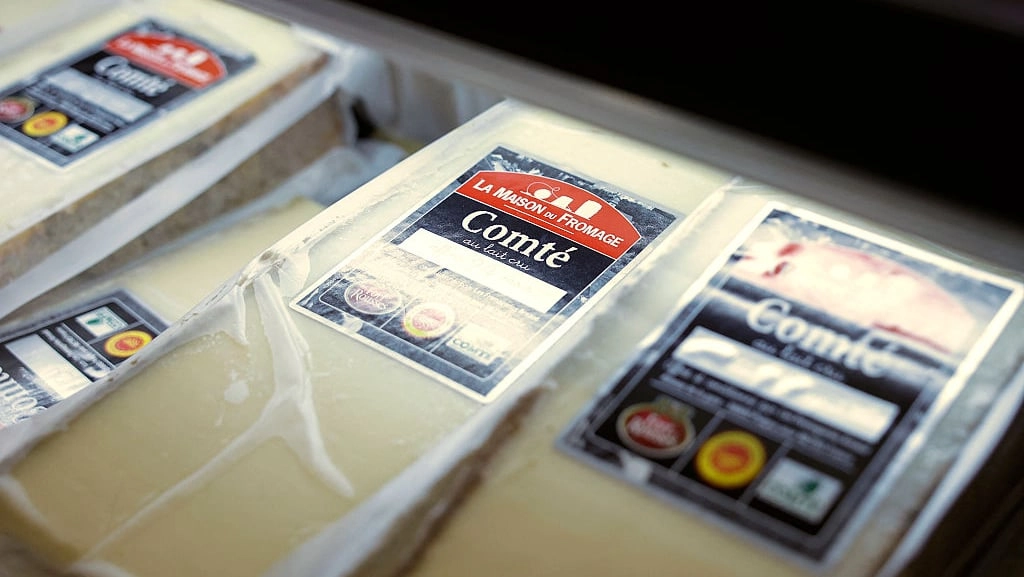
Strict cheese rules are relaxed in France following heatwaves

France has been forced to temporarily relax some of its famously strict cheese-making rules after an historic summer drought.
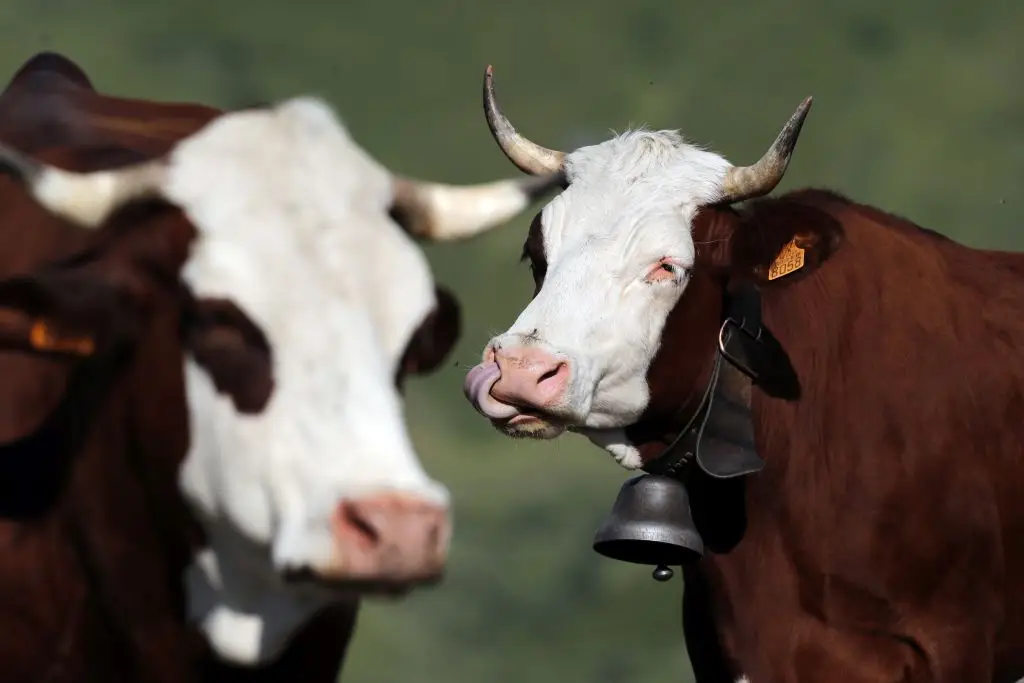
The unseasonably intense hot weather has left pastures across parts of the country too dry to provide enough food for dairy cows.
The emergency measures affect some of France’s best-known cheeses, including Comté, Beaufort and Abondance.
Producers have been given permission to source grass, hay and other feed from outside the areas normally permitted under their protected status.
Advert
Previously, the cows could only eat the grass from a particular geographical location in order to ensure the quality and consistency customers have come to expect.
The decision highlights how extreme heat and drought are beginning to challenge centuries-old food traditions, meaning flexibility for the first time for the rules designed to protect some of France’s most treasured products.
Why are the rules so strict?
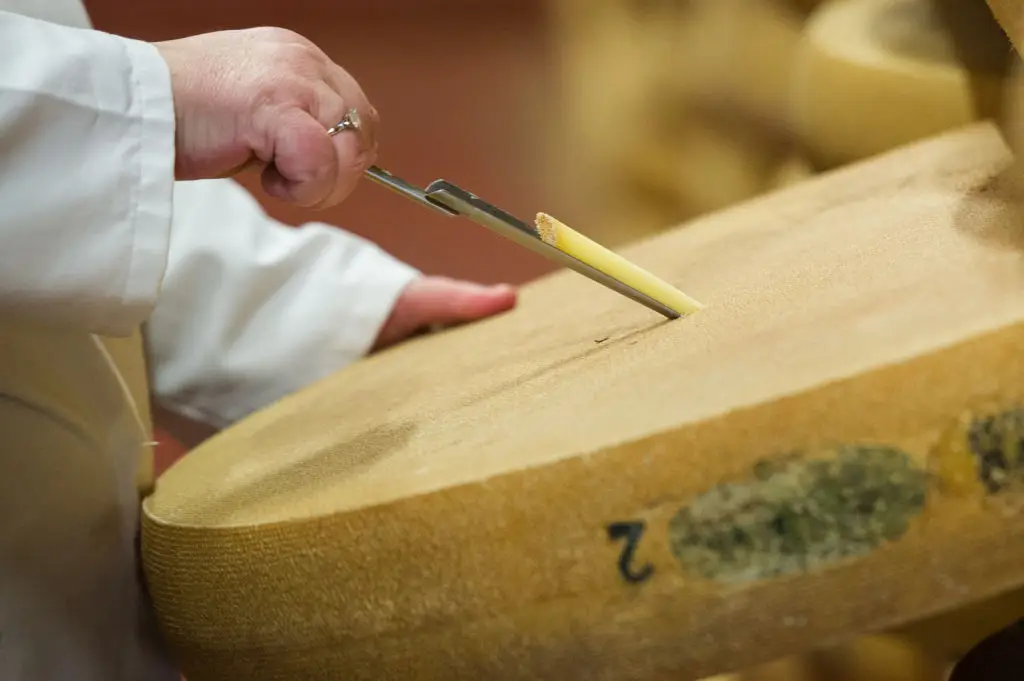
French cheeses carrying an Appellation d'Origine Protégée (AOP), or Protected Designation of Origin, must meet detailed requirements which state how and where they are produced.
The rules are intended to preserve the distinctive character of regional foods.
It ensures that products carrying a particular name are genuinely connected to their traditional place of origin.
For cheeses such as Comté, Beaufort and Abondance, that connection includes the diet of the cows producing the milk.
This summer, their usual pastures have been severely affected by heat and a lack of rainfall.
France's National Institute for Origin and Quality, known as INAO, has described the 2026 drought as 'historic'.
By August 10, the growth of permanent grassland was around a third below the average recorded between 1989 and 2018, according to France's agriculture ministry.
With little grass available, farmers have faced an impossible choice: follow the traditional rules and risk not having enough feed for their animals, or bring in supplies from elsewhere.
What has changed?
Temporary exemptions mean producers can now supplement their animals' diets with feed sourced outside their normal production zones.
For Abondance, for example, the proportion of the cows' diet that must come from pasture has been reduced, allowing farmers to use more imported forage and supplements.
Comté producers have also been given permission to replace some of the local green maize normally used to feed their cattle with maize from elsewhere.
The changes are temporary and have been introduced because of exceptional weather conditions.
Other cheeses are expected to benefit from similar measures, including Reblochon, Cantal, Bleu d'Auvergne and Fourme d'Ambert.
Cheese isn't the only thing impacted, as an array of other protected French foods have struggled, including certain ciders, wines, lamb and plums.
Could the cheese taste different?
For cheese lovers, the biggest question may be whether changing what cows eat will alter the flavour of the finished product.
Experts say it is possible.
The taste of traditional cheeses is closely connected to the milk used to make them, while the plants and grasses eaten by cows are an important part of the idea of 'terroir'.
This is the French belief that food acquires distinctive characteristics from its particular environment.
Cheese experts have suggested that Comté made from cows receiving more hay and less fresh pasture could develop a flavour more associated with winter production.
Beaufort could also become less intense or pungent if the cows' diets change.
The result won't be known for months though, as these cheeses spend months maturing before they reach consumers
The temporary relaxation raises a much bigger question for French agriculture.
Climate change could make some of these strict requirements increasingly difficult to maintain.
For farmers, adapting may become unavoidable.
For now, France has chosen flexibility, but whether these emergency measures remain rare or become a more regular part of cheese-making could depend on what happens to the country's weather in the years ahead.
Topics: News
 Jen Thomas