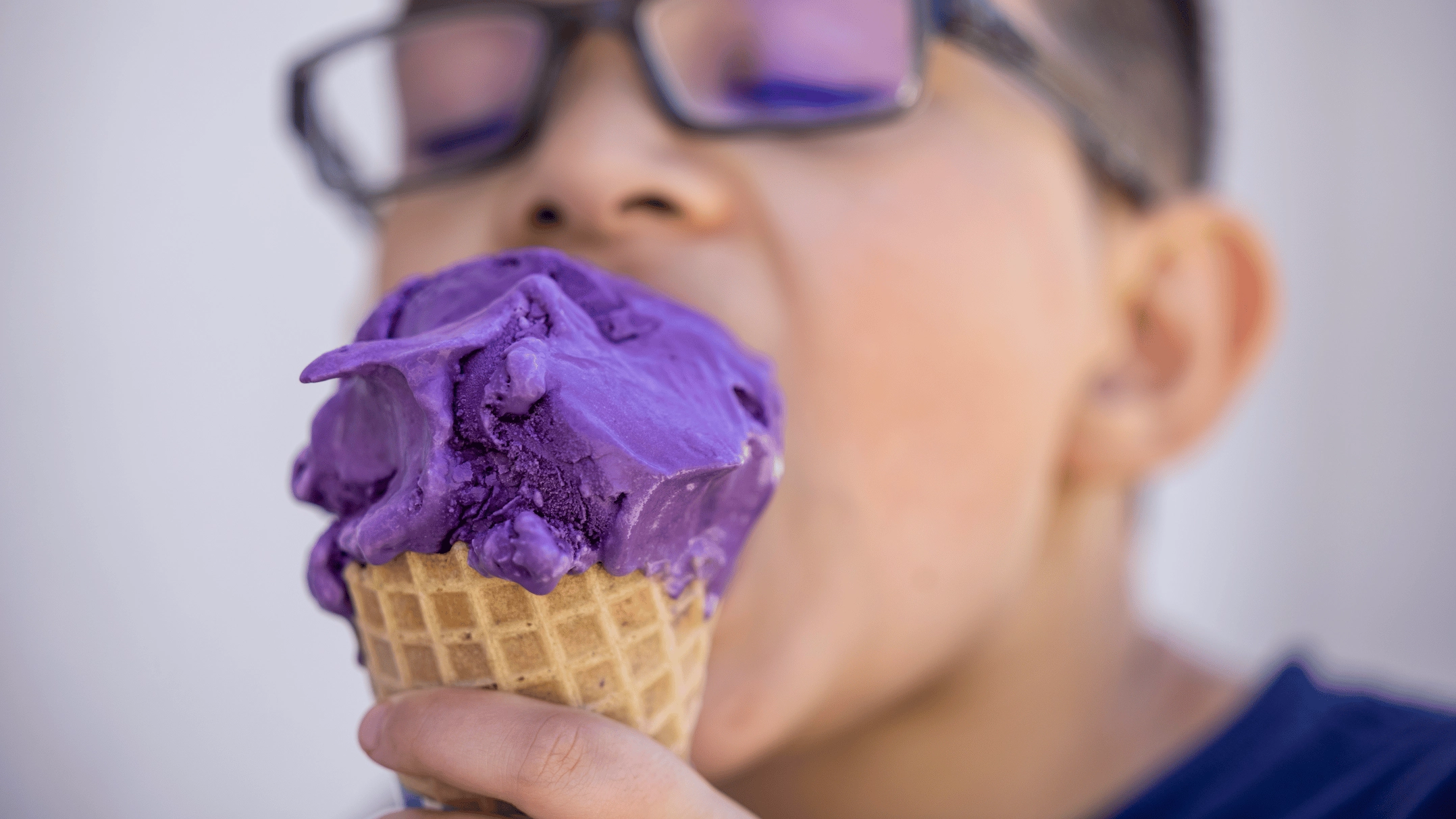
Warning around ube as Filipino staple becomes surprising 'success story'

Who doesn't love getting the perfect social media snap of that pretty snack or drink?
The runaway success of deliciously purple treats is causing issues with the supply of ube in the Philippines.
Bakeries and coffee chains around the world have been using the native species of yam, more commonly called ube, in their products as people want to post pictures online.

Advert
Using the starchy root vegetable turns the food or drink a beautiful shade, ranging from a subtle lavender to a vivid Barney the Dinosaur shade of purple.
The issue is, our desire for an aesthetically pleasing food stuff is creating a shortage locally.
As well as looking pretty, it also tastes good too, lending a slightly nutty vanilla flavour to the chosen product.
The name 'ube' - prounded 'oo-beh' originates from the Tagalog word for 'tuber'.
It's become big business, with almost 1.7 million kilograms of ube products, reported to be worth over $3.2 million, being exported last year.
That's according to the Department of Trade and Industry (DTI) of the Philippines.
These numbers show a whopping 20.4% rise from 2024, with nearly half of the exports going to the United States.
Fans of ube in the US are consuming more than than people in Canada, Australia, the United Kingdom, the Netherlands and New Zealand combined.
That's a lot of purple treats!
The craze continues to spread, with Starbucks launching an iced ube coconut macchiato on their spring menu.
Bettina Makalintal is a food and dining expert and told CNN it's all about the visual appeal: "Here’s a new flavour that’s not very challenging to people, but also fits into this desire to have aesthetically pleasing food."
As well as drinks, ube has also proven extremely popular in doughnuts, cakes and even pancake mix.
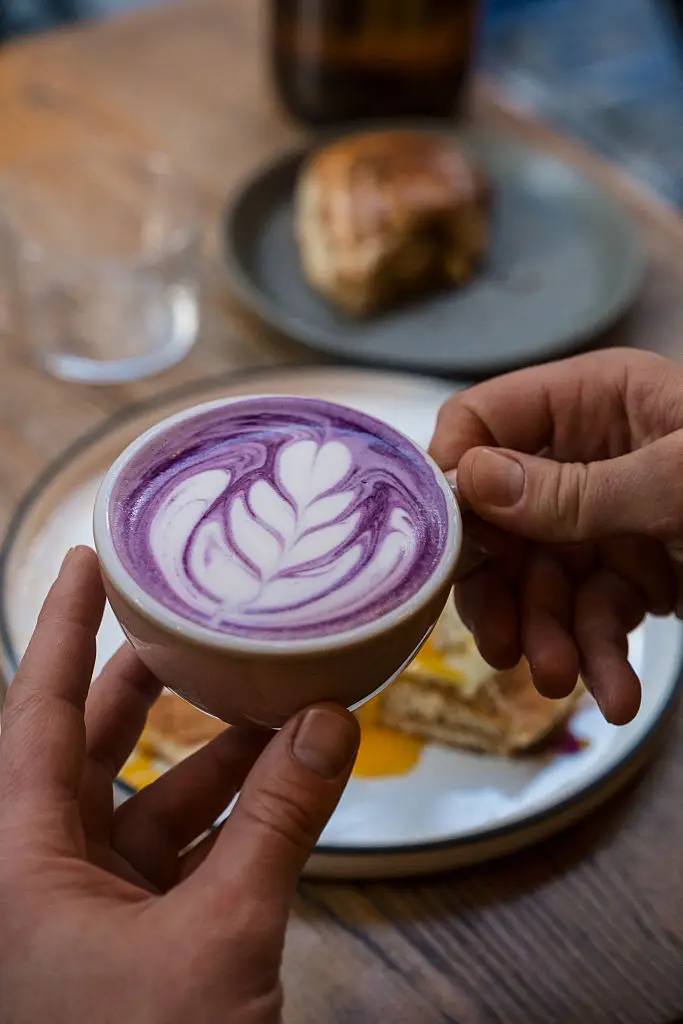
Lionel Dabbadie is the UN Food and Agriculture Organization (FAO) representative in the Philippines and told the International Farm Tourism Conference: "Ube ice cream in New York, ube cakes in London, ube lattes in Tokyo. It is an incredible success story.”
The issue is keeping up with the demand.
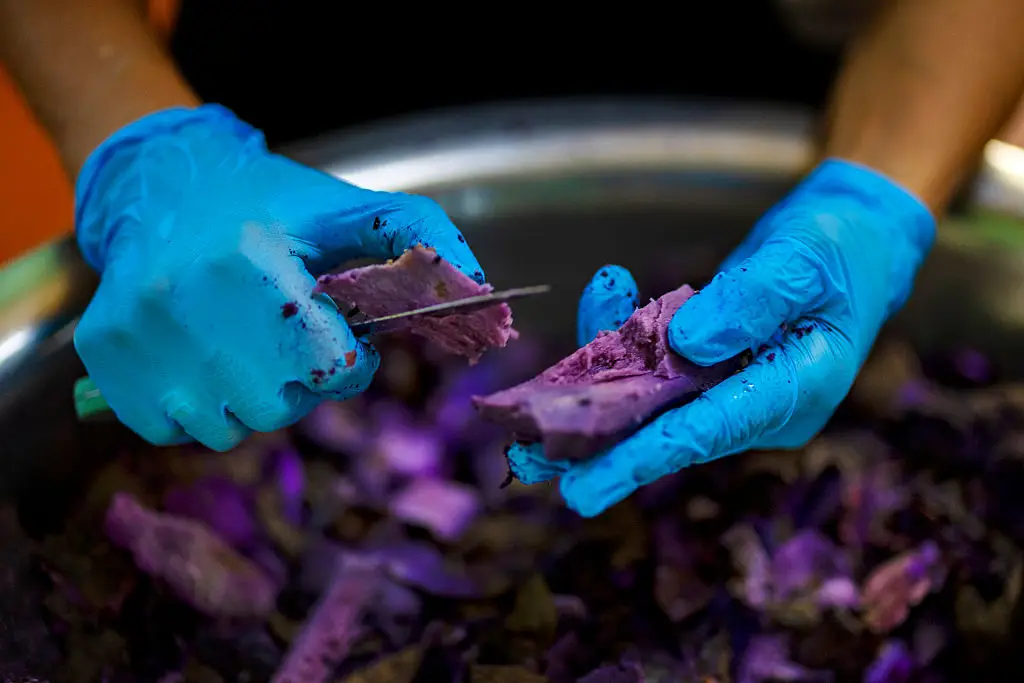
Ube is typically grown on small, seasonal patches of farmland, unlike many other products which are grown on a much wider scale.
It's also particularly difficult to grow, and susceptible to extreme weather changes, which the Philippines has experienced a lot of lately.
Research firm BMI found that many farmers were seeking to make the most money possible due to the popularity by selling all of their products while prices are high.
The issue is, chopped up ube tubers are needed to grow more of them, with the report arguing this is building up future supply problems.
“Many people that I’ve talked to, most of the Filipinos I know, can’t really get the real root vegetable,” Makalintal added.
Many suppliers fear people will take shortcuts and switch the ube out for sweet potatoes and purple food colouring instead if the shortage begins, instead of the real thing.
“Everyone’s drinking ube now, but they don’t even really know the flavour. They’ve reduced it to this thing that’s just purple," warned Makalintal.
It remains to be seen if ube is here to stay or if everyone will move on to the next big thing.
Topics: News, Social Media, Starbucks
 Jen Thomas