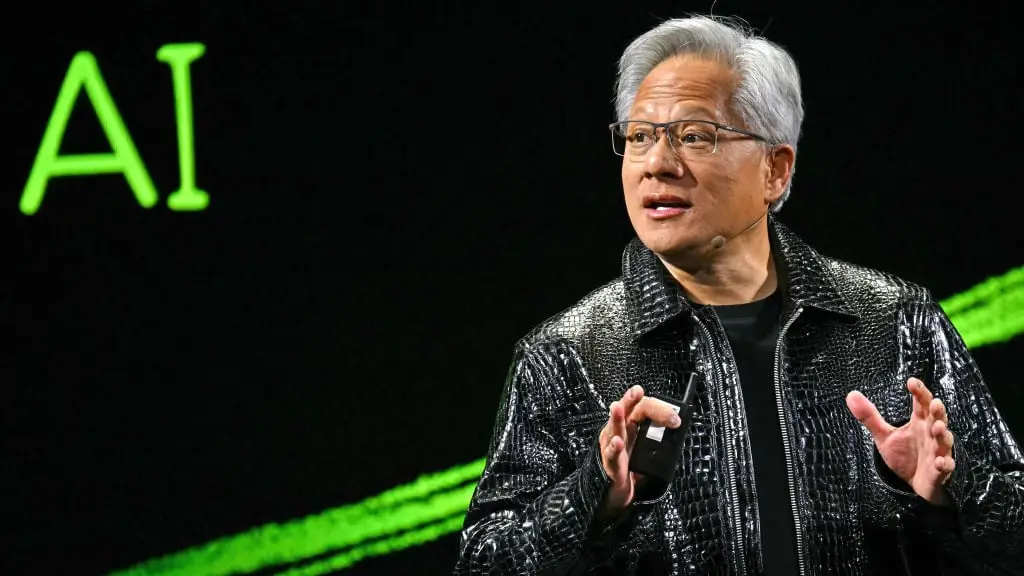
How Jensen Huang went from Denny’s worker to founding first ever $5 trillion company

For most people, the early days of their career are spent drifting between odd jobs, dreaming about what might come next. For Jensen Huang, that meant wiping tables, serving late-night customers, and working the kind of shifts that leave you wondering whether anything bigger is ever coming your way.
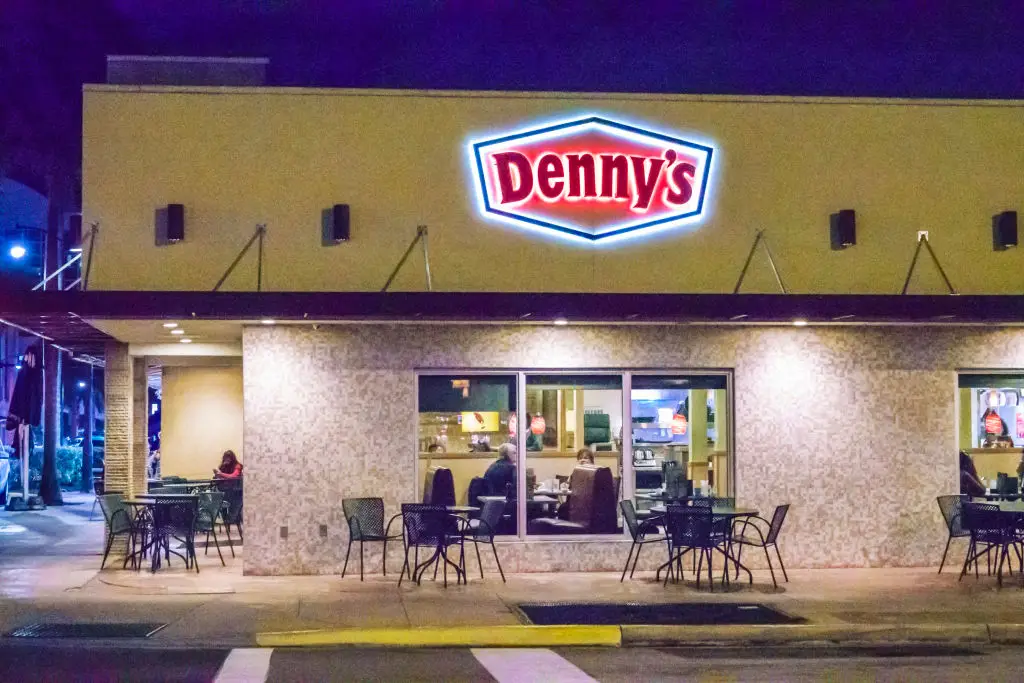
Long before the world knew his name, he was clocking in at Denny’s, quietly observing the kind of place where ideas come and go, but very rarely change the world.
Years later, he’d return to a booth in that same diner, this time not as an employee but as an engineer with two friends and a wild plan. Over coffee refills and laminated menus, the trio sketched out the first outlines of a company they barely understood how to build.
Advert
As told in a CBS’ 60 Minutes interview, Huang later admitted: “Frankly, I had no idea how to do it, nor did they. None of us knew how to do anything.”
It wasn’t exactly the start-up fairytale investors dream of, but it was exactly the beginning Nvidia needed.
What followed wasn’t smooth. By 1996, the company’s early chips were, in Huang’s own words, ‘technically poor’, nearly sinking the entire operation before it had properly begun by effectively ruining a contract it had with the huge video game brand, Sega.
He was forced to lay off nearly half the team as a crucial deal slipped away. The only reason Nvidia survived was that Huang convinced Sega to buy out the contract, a decision that kept the lights on and funded the chips that would become Nvidia’s first major hit.
Looking back, Huang doesn’t describe the crisis as a setback so much as a turning point. He told students decades later: “Greatness is not intelligence. Greatness comes from character. And character isn’t formed out of smart people, it’s formed out of people who suffered.”
Coming from someone whose company would eventually reshape entire industries, the message definitely lands with a certain weight.
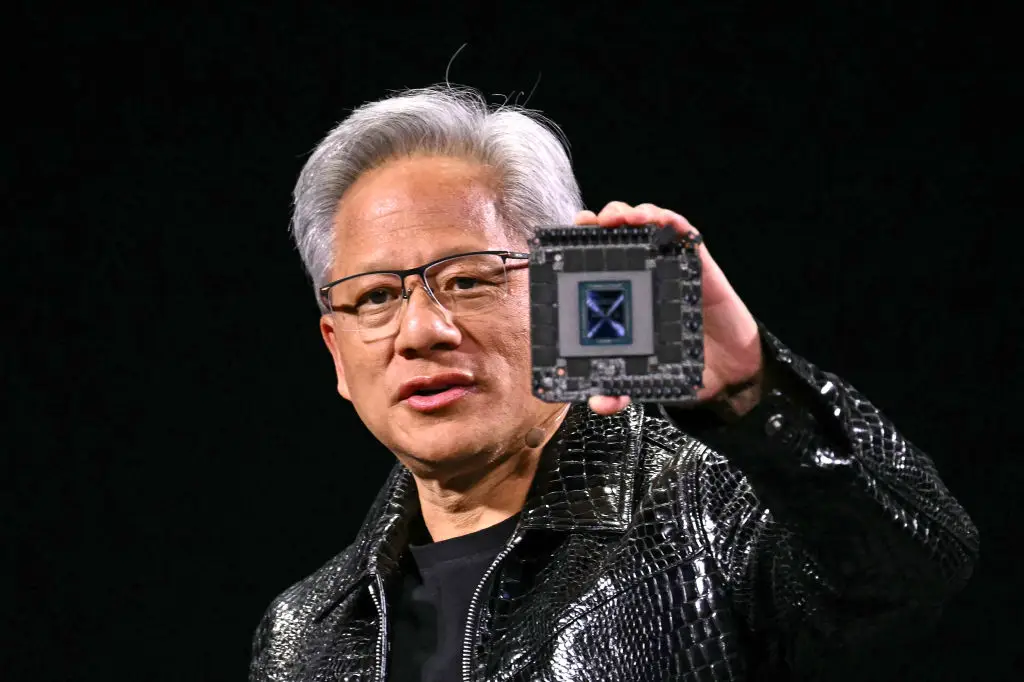
By the 2010s, as well as Nvidia fixing its mistakes, it was redefining what computers could do. Researchers working on deep learning discovered that Nvidia’s architecture was, in Huang’s words, 'perfect for them ... Perfect for AI.'
The shift was quiet at first, but it was the moment the company stopped being a gaming hardware business and started becoming something much larger in a world that’s increasingly utilising artificial intelligence.
Then, on one surreal Wednesday in 2025, the company that began as a diner-table gamble in the US hit a market value of over $5 trillion. It is, quite literally, the first business in history to do so.
Huang himself summed up the moment with the understatement of a man who once worked the breakfast rush at Denny’s: “That was luck founded by vision.”
Topics: Restaurants and bars, US Food
 Ben Williams