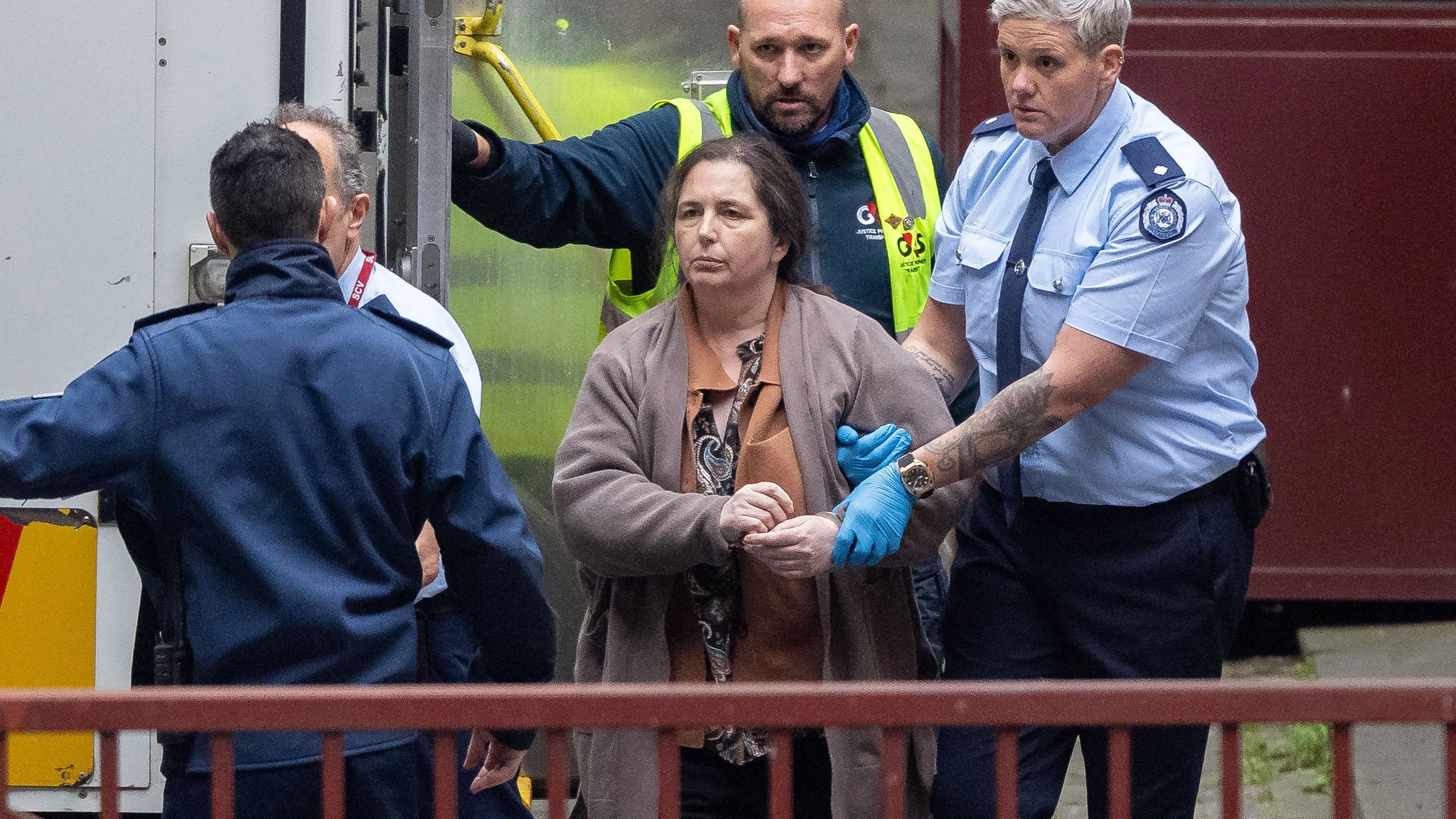
Erin Patterson appeals conviction amid claims of 'catastrophic' blunder in mushroom murder trial

An Australian woman was sentenced to life in prison last year after she was found guilty of poisoning her relatives with deadly mushrooms. Her team is appealing the decision this week, claiming a major judicial error may have impacted the judgement.
Erin Trudi Patterson, 51, was previously convicted on three counts of murder and one count of attempted murder for serving her relatives a beef Wellington laced with poisonous death cap mushrooms in July 2023.
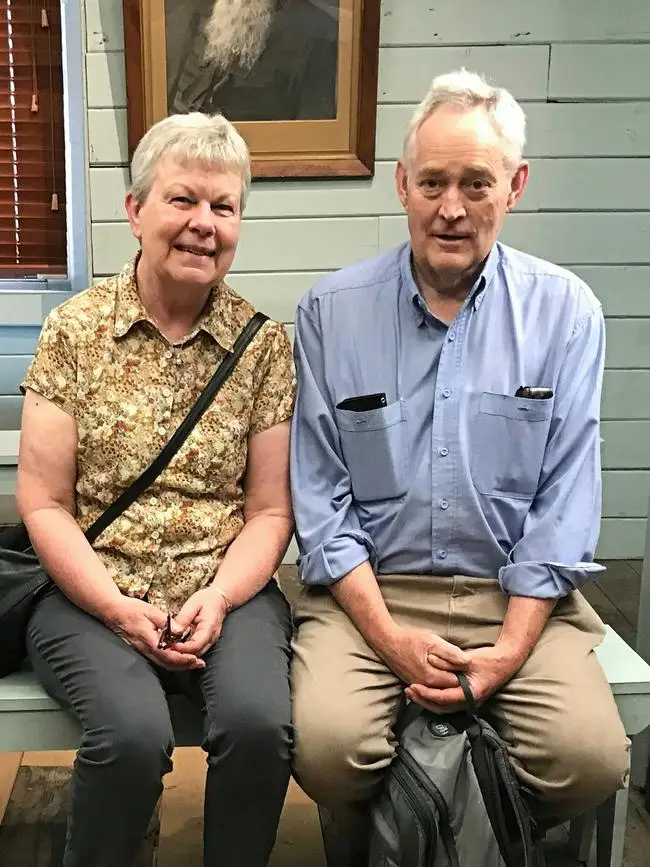
Don and Gail Patterson, the parents of her estranged husband Simon, and his auntie, Heather Wilkinson, all died in hospital following the lunch in Leongatha, Victoria, Australia.
Wilkinson’s husband Ian, also present at the event, survived after being hospitalised for more than seven weeks. Simon was invited to the meal but chose not to attend, reports confirmed.
Advert
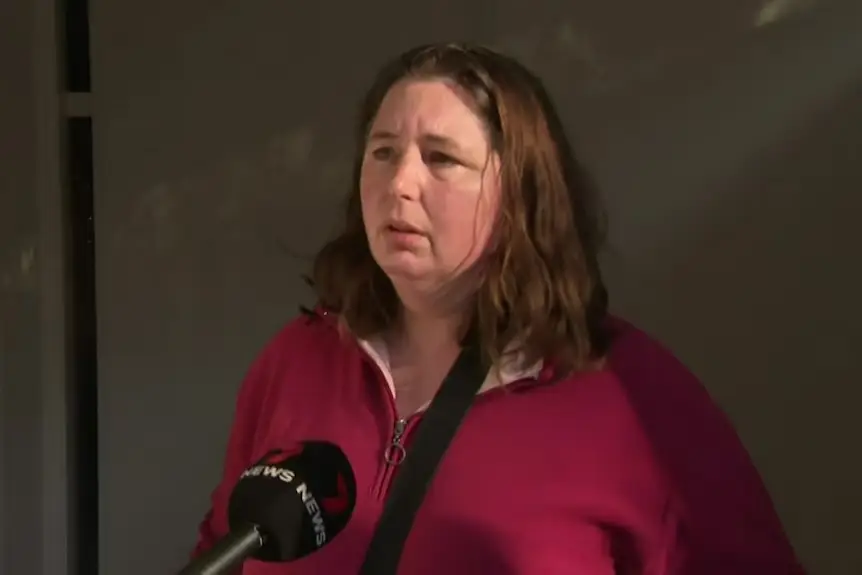
Patterson argued during her trial that the poisoning was accidental. She was informed in September 2025 that she must serve at least 33 years behind bars before she can apply for release on parole after being found guilty.
This week, three judges of the Victoria State Court of Appeal are currently set to preside over a two-day appeal.
The first ground for appeal has been set out by defence lawyer Richard Edney, who claimed jury members were sequestered in the same hotel as a police witness and members of the prosecution team.
Edney told the court that this was 'catastrophic' and a ‘very serious breach of sequestration’.
Prosecutors, who are in turn appealing the leniency of Patterson’s sentence, have claimed there was ‘no actual contact between any juror and any other person’, as per The Associated Press.
Veronika Drago, another member of Patterson’s defence team, claims that there is no evidence showing that her client read reports about death cap mushrooms being seen near the towns of Lock and Outtrim online.
The statement comes after the trial heard evidence from a telecommunications expert that her mobile had connected to towers near the town.
Drago alleged that the evidence was that herclient’s phone had possibly been in the area.
“That in and of itself, in our submission, illustrates just how dangerous and unfair that evidence was,” she claimed.
Another apparent ground for appeal was that Prosecutor Nanette Rogers’ cross-examination of Patterson over five days was been ‘unfair and oppressive’, the publication said.
The team has argued that Judge Christopher Bale also caused ‘unfair prejudice’ by allowing evidence from Patterson’s Facebook ‘friends’ into the trial.
Defence lawyers said that while the prosecution opened its case claiming there was no evidence of a motive for the poisonings, they apparently closed by ‘suggesting that Patterson’s animosity toward her husband’s parents and the broader Patterson family was the motive’.
In a statement to Justice Lesley Taylor, Patterson’s side claimed they weren’t ‘directly’ accusing prosecutors of deliberate professional misconduct.
“But what is clear in our submission from the reading of all of the material is that where things started and where it finished by the end of the prosecution case were different,” they said.
Patterson’s appeal trial is set to run on Wednesday and Thursday (19 and 20 August).
 Ella Scott