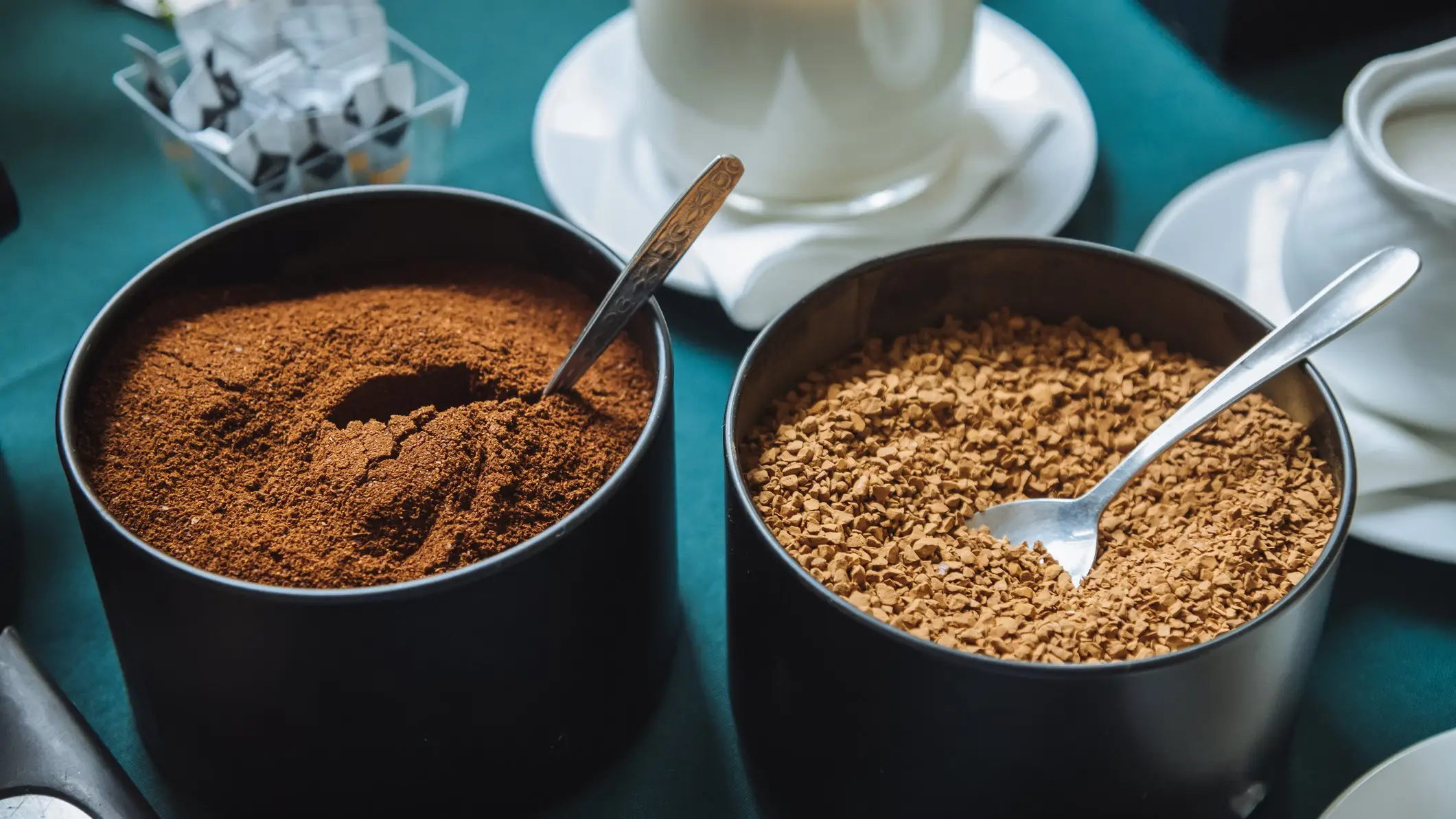
Instant coffee is back and it's had a 'glow-up', here's why it's taking over socials

Remember when instant coffee was the stuff you reached for when you couldn't be bothered to make 'proper' coffee?
Well, apparently those days are over, as instant coffee is having something of a glow-up.
Once synonymous with dusty jars at the back of the kitchen cupboard that you aren't entirely sure how long they've been there for, instant coffee is now seen as a 'premium' choice for many social media fans and Gen Z.
Makers are using better beans and smarter production techniques, and when combined with café-style flavours, it's become a must-have on the likes of TikTok.
Advert
Videos of latte recipes using instant coffee can easily rack up hundreds of thousands of likes.
According to The Grocer, UK instant coffee value sales rose 6.5% to £1.1bn in the 52 weeks to 13 June 2026.
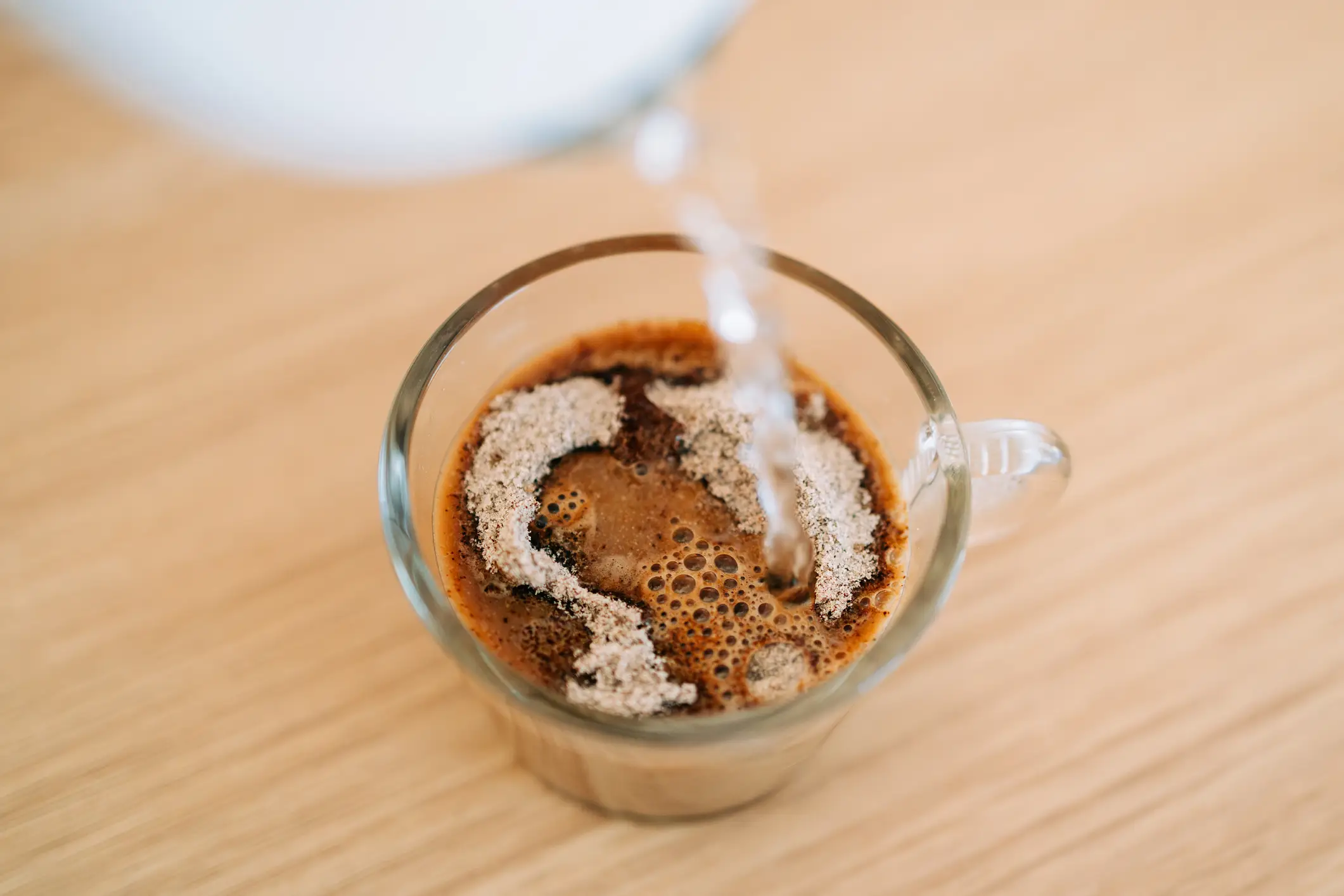
Four of the UK's 10 biggest instant coffee brands, Nescafé, Costa, Starbucks and Mokate, all sold more product.
So how did instant coffee go from the beverage equivalent of a guilty secret to something brands are suddenly rather keen to shout about?
Instant coffee is getting much better
First things first, today's instant coffee isn't necessarily the sad brown stuff you remember.
Matt Woodburn-Simmons is a former barista and coffee expert who runs Home Coffee Expert with his wife, Katie, and he told FOODbible that instant coffee has 'vastly improved' in recent years.
In fact, he says premium instant brands can sometimes perform as well as fancier drip coffees in blind taste tests.
A lot of it comes down to what happens during production.
New techniques allow manufacturers to capture the 'freshly brewed aromas' produced during an initial, lower-temperature extraction process and add them back in at the end.
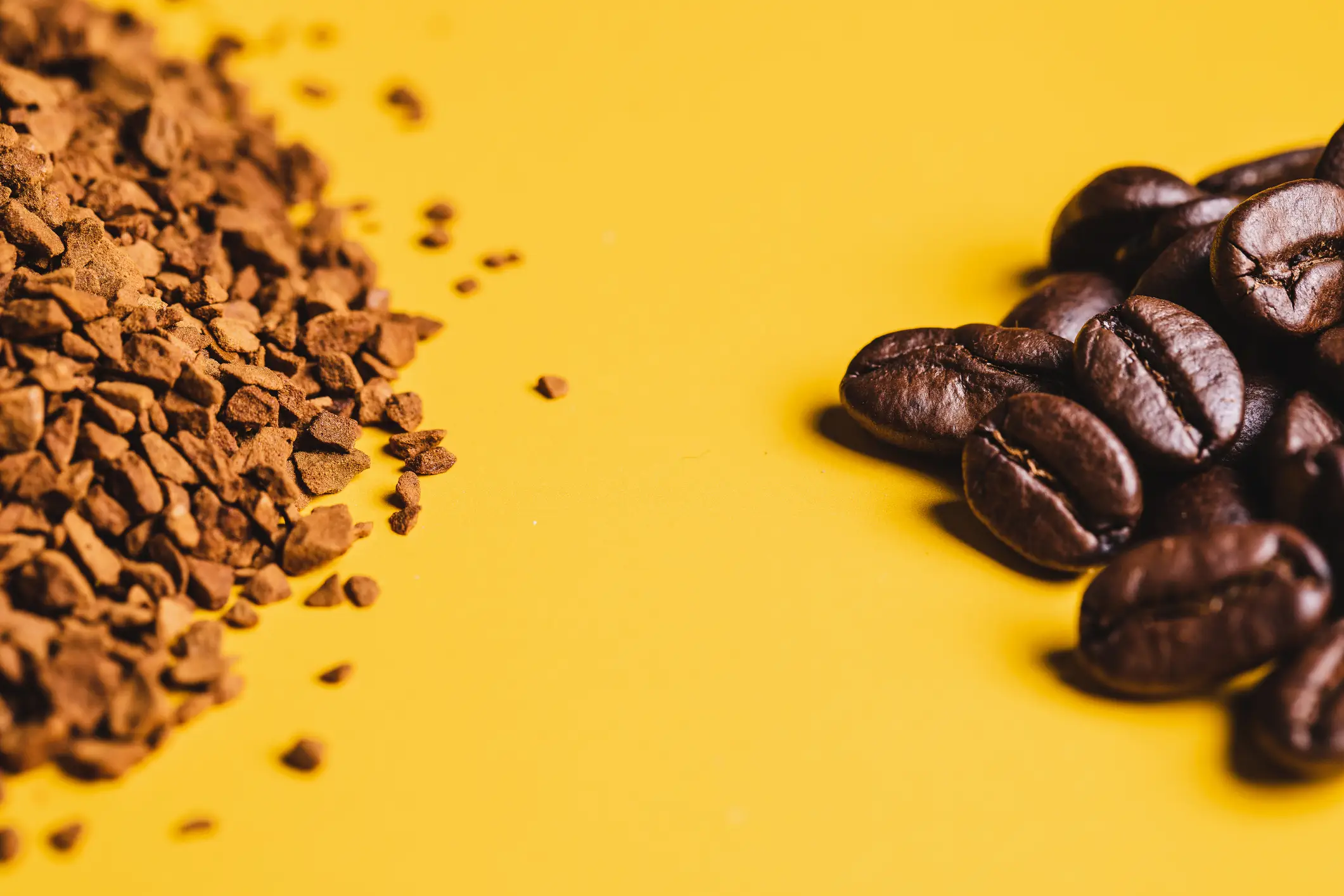
The beans themselves are getting an upgrade, too, and more premium instant coffees are now being made with high-quality Arabica beans rather than the lower-grade Robusta beans traditionally associated with instant coffee.
Brands are increasingly pushing products such as lattes, cappuccinos, and decaf options, a world away from the traditional jar of granules.
Nescafé, for example, has seen value sales of its Latte and Gold Cappuccino ranges rise by 93.2% and 59.1% respectively.
Suddenly, instant coffee isn't just about adding hot water and getting on with your morning.
It's trying to recreate a little bit of the coffee-shop experience at home.
The TikTok boost
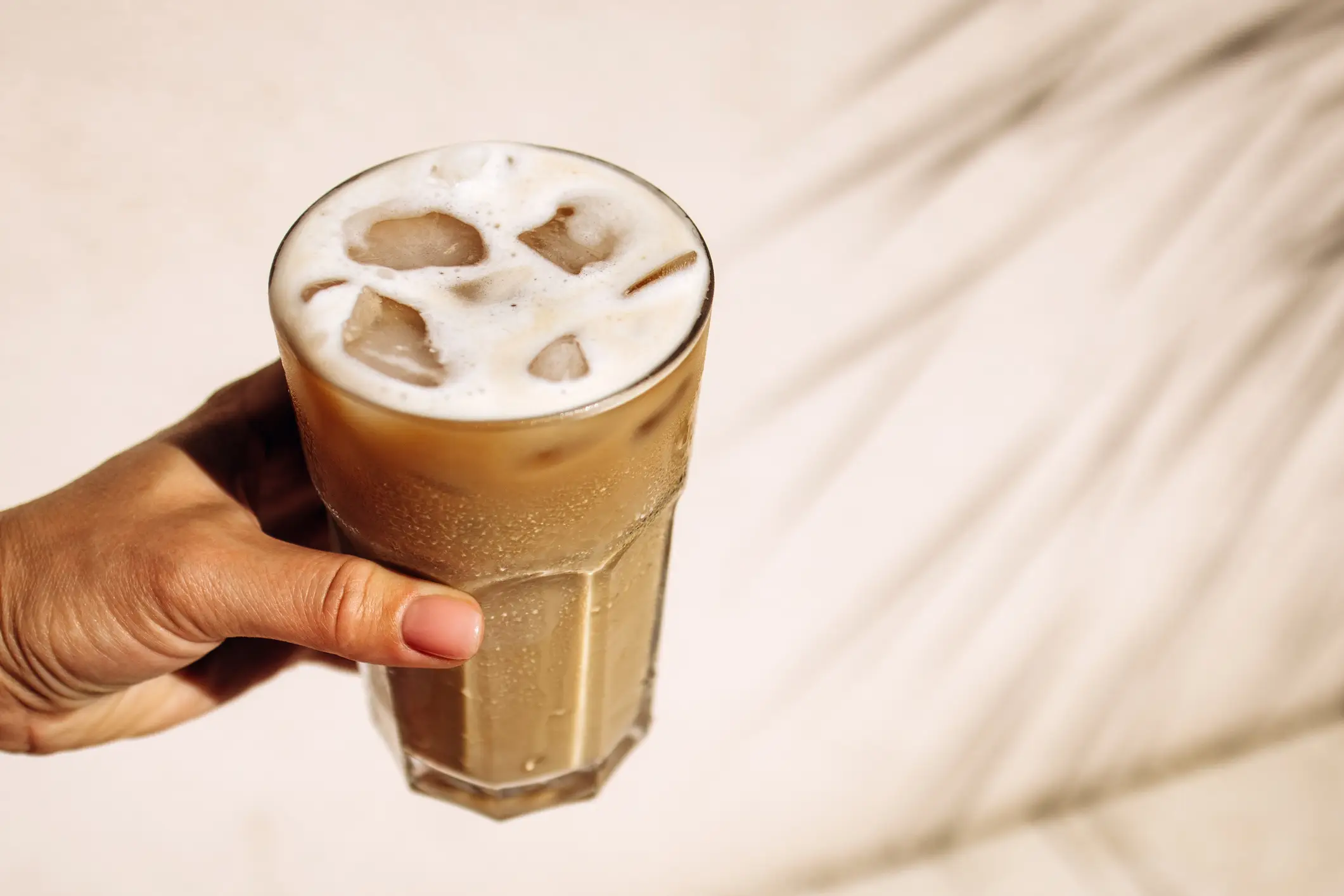
Of course, there's another reason instant coffee is suddenly having a moment, and that's social media.
Natasha Cooper, a retail trend and social expert at MediaVision, told FOODbible that searches for 'Instant coffee' have surged by 600% on Google and 100% on TikTok.
That's some serious interest for a product that hasn't been considered glamorous for quite some time.
Cooper says there are several reasons for the rise.
Brands are becoming more innovative, offering consumers more choice and improving their recipes, but there's also a much simpler explanation: instant coffee is cheap.
Takeaway coffee, she points out, is continuing to rise in price, averaging £3.97, according to Finder.
Meanwhile, an average 190g pack of instant coffee costs around £7 and can make between 12 and 27 cups.
When you're looking at those numbers, instant starts to look less like a compromise and more like a bargain.
"Ultimately, it's a no-brainer," says Cooper.
Yes, buying a coffee from a café still wins on convenience, but when it comes to value for money, instant wins.
It looks good on camera
Instant coffee isn't just cheap and easy, it's also incredibly easy to turn into content.
Cooper says consumers are increasingly shooting 'create your own' content, with creators sharing their favourite coffee drinks that can be made at home using instant coffee and other shop-bought ingredients.
You don't need an expensive coffee machine, a fancy grinder or years of barista training.
Creators just need a jar of coffee, a few ingredients, probably some weird and wonderful syrups (a LOT of caramel also seems popular) and, ideally, a glass that looks good on camera.
Woodburn-Simmons points out that it is more accessible for influencers to use instant coffee because of both its price and the skill level required.
He says that when the focus is on the 'aesthetic' of a drink, it's actually less about the coffee itself.
As the former barista puts it, if you can make a drink look amazing with instant coffee, 'then it's not as important if it doesn't taste that great for it to go "viral".'
Chuck in enough sugary syrups and flavours, Woodburn-Simmons says, and 'you can probably barely taste the coffee in many of the concoctions that are super popular nowadays', so it doesn't actually matter how fancy the coffee is.
From a coffee purist's point of view, that might sound horrifying, but from a social media perspective, it's ideal.
What's next in the world of instant coffee?
This shift towards flexibility plus the Insta-friendly aesthetic could point to where coffee goes next.
Suzanne Allers, an R&D expert at Untapped Innovation, believes liquid concentrates could be taking over TikTok next.
She told FOODbible: "Liquid concentrates are tipped to be the next big thing because they align with several shifts in consumer behaviour rather than addressing a single need," she says.
A liquid concentrate could be used to make an iced latte before work, a stronger coffee for an afternoon pick-me-up or blended into a protein shake after the gym.
Concentrates allow coffee drinkers to adjust the strength, flavour and serving style depending on what they need at that particular moment.
The old image of instant coffee as the sad fallback for people who couldn't be bothered to brew properly is starting to look rather outdated.
A £7 jar that can produce up to 27 cups suddenly looks very different next to a £3.97 coffee bought on the high street.
The humble instant coffee jar has had a makeover, and judging by the sales boom and TikTok trends for syrupy drinks, coffee fans are very happy to give it another chance.
Topics: News, Drinks, TikTok, Social Media
 Jen Thomas